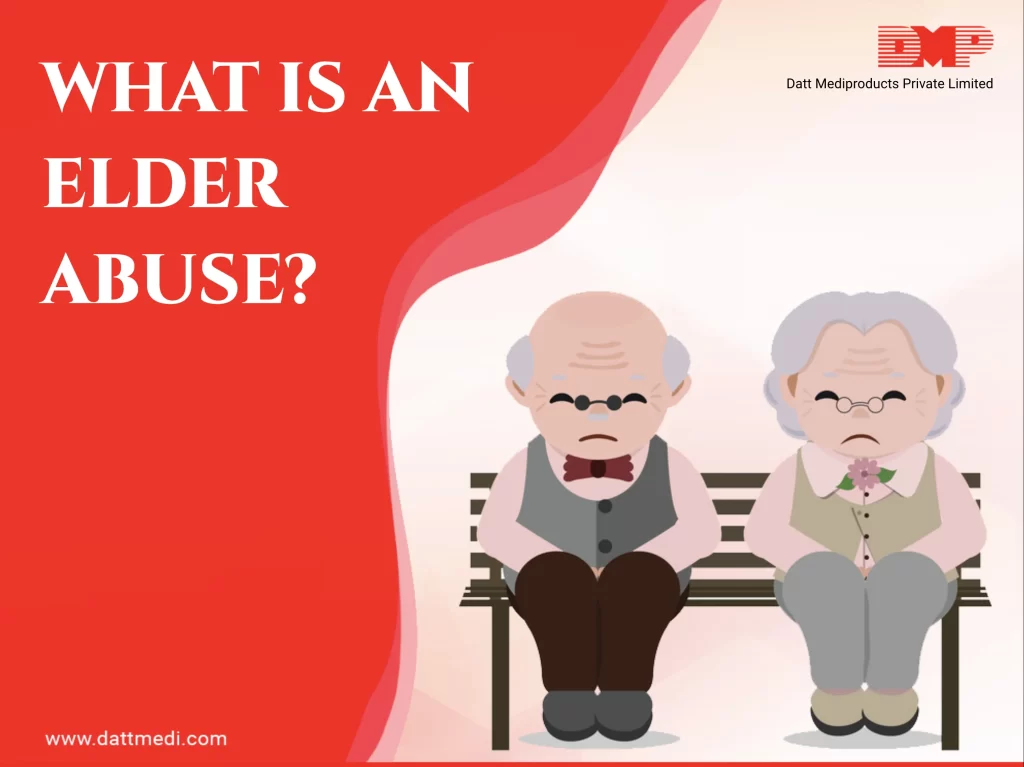
Elder Abuse is an inappropriate act or a lack of appropriate actions, which are otherwise expected by someone in relation, causing harm and suffering to an older person.
As defined by WHO “Elder abuse is an intentional act, or failure to act, by a caregiver or another person in a relationship involving an expectation of trust that causes harm to an adult 60 years and older.”
Elder Abuse occurs quite frequently but is still a largely hidden problem. As per WHO, 1 in 6 people age 60 years or older experienced some form of abuse in the year 2017.
The problem is everywhere, in homes, nursing homes or long-term care facilities. But only 4% of elder abuse is generally reported. There are rapidly aging populations in many countries of the world which is leading to an increase in this problem.
WHO statistics show that about 2 billion people will be 60 years and older in 2050, up from 900 million in 2015.
Each year 15th June is observed as the World Elder Abuse Awareness Day (WEAAD) by United Nations (UN) with an aim to encourage world to pay greater attention to the well-being and adequate health care of older persons.
Elder Abuse can lead to some devastating physical and psychological consequences. While the physical consequences may include serious injuries, lasting disabilities, or worsening health conditions, the psychological ones may involve anxiety, loneliness with a loss of dignity, trust, and hope.
Elder Abuse constitutes a violation of human rights and a serious loss of dignity and respect of an abused person.
Let us discuss its various types:
PHYSICAL ABUSE:
It’s a wishful & intentional act of using physical force like hitting, pushing, slapping and kicking, causing pain, injury or impairment to the elder
PSYCHOLOGICAL OR EMOTIONAL ABUSE:
This encompasses using inappropriate words that are hurtful like yelling, threatening, humiliation, habitual blaming, terrorizing, ignoring, or isolating the elderly.
SEXUAL ABUSE:
This involves compelling an elderly to watch or be a part of physical sexual acts. The acts such as making a contact with them without their consent like showing them pornographic content, or forcing them to undress are regarded as sexual elder abuse.
FINANCIAL ABUSE:
Financial abuse may include a lot of inappropriate acts either by a caregiver/ healthcare provider, a relation, or an outside scam artist. This may include unauthorized use of the elderly’s property/funds, misuse of their accounts, personal checks, forging their signature, stealing their money or other household goods, or engaging in identity theft.
NEGLECT OR ABANDONMENT:
Neglect occurs with caregivers’ being non-responsive towards elder people’s needs and ignoring them.
Apart from the above-mentioned acts, there may be abuse in the form of a HEALTHCARE FRAUD which can be executed by healthcare providers like nurses, doctors, or hospital personnel following unethical practices. This may comprise charging for unprovided medical care, overcharging for healthcare services, over- or under-medicating, medic aid fraud, or recommending deceitful/illicit treatment methods.
We @DattMediproducts realize elder abuse is preventable and that we all can play a role to avoid the same. We should provide our elders with an environment where they live without fear of being hurt, neglected, or exploited. All family members can stay connected with them and talk to them about their well being.
Stay Connected & Spread Happiness