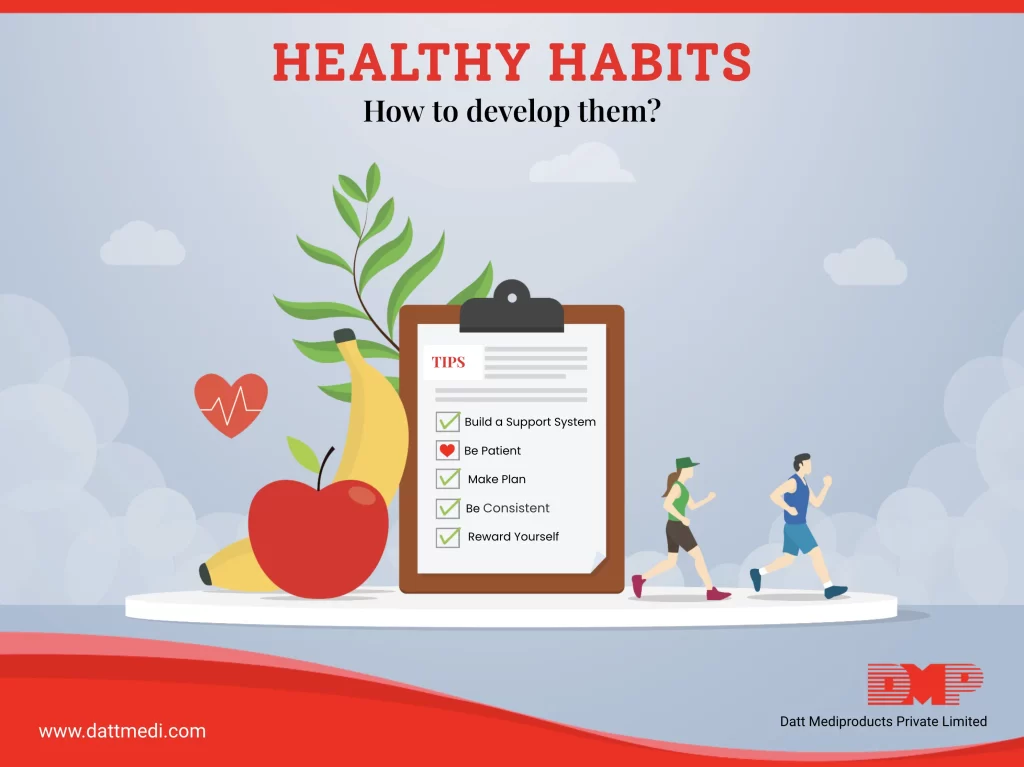


As the colder months approach, it becomes essential to prioritize our well-being and make conscious efforts to take care of both our minds and bodies. The winter season brings unique challenges, such as shorter daylight hours, cold temperatures, and holiday stress, which can impact our overall health and wellness. In this blog, we will explore effective strategies to help you maintain a healthy mind and body during the winter season, ensuring a happier and more vibrant you.
Prioritize Regular Exercise:
During the winter months, it’s tempting to curl up under a warm blanket and avoid physical activity. However, staying active is crucial for both your physical and mental health. Engaging in regular exercise boosts your immune system, enhances mood, and improves energy levels. Consider incorporating indoor activities such as yoga, Pilates, or dance classes. If you enjoy outdoor activities, bundle up in appropriate clothing and enjoy winter sports like skiing or ice skating or just going for a brisk walk.
Embrace a Nutrient-Rich Diet:
A balanced diet is essential for maintaining a healthy immune system and warding off seasonal illnesses. Include plenty of fresh fruits and vegetables, whole grains, lean proteins, and healthy fats in your meals. These foods provide essential vitamins, minerals, and antioxidants that can help fight off infections and reduce inflammation in the body. Additionally, remember to stay hydrated by drinking an adequate amount of water each day.
Boost Your Immune System:
Winter is often synonymous with colds and flu. To fortify your immune system, make sure to get enough sleep, as lack of sleep weakens your body’s defences. Additionally, consider incorporating immune-boosting foods like citrus fruits, ginger, garlic, and turmeric into your diet. Regular handwashing, avoiding close contact with sick individuals, and getting a flu shot can also help reduce the risk of falling ill.
Practice Self-Care and Stress Management:
The winter season can be stressful, with holiday preparations, family gatherings, and the pressure to meet year-end deadlines. It’s crucial to prioritize self-care and manage stress effectively. Set aside time for relaxation and activities that bring you joy, such as reading, taking baths, practicing meditation, or engaging in hobbies. Remember to maintain a healthy work-life balance and seek support from loved ones or a mental health professional if needed.
Soak Up Natural Light:
With shorter daylight hours, it’s common to experience a dip in mood during winter, known as seasonal affective disorder (SAD). To combat this, try to spend time outdoors during daylight hours, even if it’s cloudy. Open your curtains and let natural light into your home, and consider using a light therapy lamp if necessary. Sunlight helps regulate our body’s internal clock, boosts serotonin levels, and improves overall well-being.
The winter season invites us to prioritize our well-being and practice self-care in unique ways. By incorporating regular exercise, maintaining a nutrient-rich diet, boosting our immune systems, managing stress, and embracing natural light, we can navigate the colder months with vitality and joy. Remember, taking care of your mind and body isn’t just a seasonal endeavor – it’s a year-round commitment to living your best, healthiest life.
Let’s embrace the opportunity to nurture ourselves and emerge from winter as our happiest and healthiest versions of ourselves. Remember, small lifestyle changes can make a big difference in keeping you happy, healthy, and thriving throughout winter.
Stay Mindful, Stay Warm, and Take Care of Yourself!