
Advanced Wound Care for the Elderly: Addressing Unique Challenges and Solutions
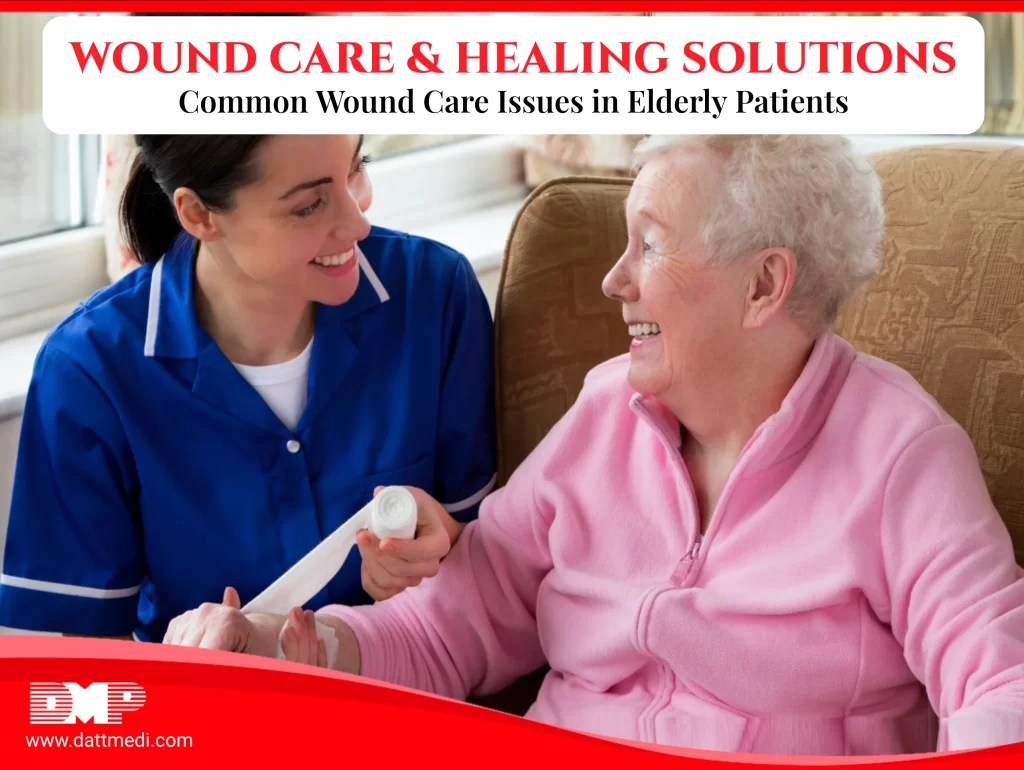
World Health Day reminds us of the importance of addressing health concerns across all age groups, particularly for the elderly. As people age, they often face unique challenges, including skin fragility and reduced mobility, which make wound care a crucial aspect of their health management. Advanced wound care tailored to elderly needs ensures better healing outcomes and improved quality of life.
Common Wound Issues in Elderly Patients
Skin Fragility & Chronic Wounds
Aging skin becomes thinner, less elastic, and more prone to damage. Studies indicate that skin tears affect up to 20-25% of elderly patients in long-term care facilities globally, highlighting the need for specialized wound management. Source
Elderly individuals are particularly susceptible to:
- Tears: Even minor trauma can cause significant skin injuries.
- Pressure Sores: Prolonged immobility leads to pressure ulcers, especially in bedridden patients. A study in India reported that pressure ulcers affect nearly 8.3% of hospitalized elderly patients. Source
- Diabetic Ulcers: Poor circulation and nerve damage increase the risk of chronic wounds, with diabetic foot ulcers affecting nearly 25% of diabetes patients in India at some point in their lives. Source
Limited Mobility & Circulation

Reduced physical activity affects blood flow, leading to slower wound healing. A study published in the Indian Journal of Plastic Surgery found that elderly patients with limited mobility take 30-50% longer to heal from wounds. Mobility limitations can also make it challenging to provide adequate care, increasing the risk of infections and complications.  Source
Specialized Dressings for Effective Care
1. Moisture-Retentive and Antimicrobial Dressings
These dressings maintain an optimal healing environment while preventing infections. Products like Velvert® Secure provide antimicrobial protection and promote faster recovery.
2. Non-Adhesive & Waterproof Options
Delicate aging skin requires gentle care. Non-adhesive dressings minimize trauma during changes, while waterproof options allow patients to maintain daily hygiene without compromising wound protection.
Orthopedic Support Products for Recovery
1. Compression Bandages/Stockings
For conditions like venous leg ulcers or swelling, compression products improve circulation and reduce edema, facilitating better healing.
2. Support Braces & Pads
Braces and padding prevent pressure sores and provide stability, especially for patients with mobility challenges.
Tips for Caregivers in Elderly Wound Management
- Daily Monitoring: Regularly inspect wounds for changes or signs of infection.
- Hydration, Nutrition & Hygiene: Ensure patients stay hydrated, eat a balanced diet, and maintain clean skin to support healing.
- Gentle Mobility: Encourage safe physical activity to improve circulation and prevent stiffness.
- Collaborate with Professionals: Work closely with healthcare providers to develop and follow a tailored care plan.
Advanced wound care plays a vital role in elderly health and well-being. By addressing their unique challenges with specialized solutions and caregiver support, we can improve healing outcomes and enhance their quality of life.
In this World Health Month, let’s advocate for proactive care and ensure our elderly population receives the attention they deserve.