

Discover Informative Blogs
on Healthcare Solutions

Discover Informative Blogs
on Healthcare Solutions

Tag: Advanced Dressings

Search by Blog
Read by Category

Your healing journey continues beyond this blog

Find the right products for better recovery at online store
Cart Image
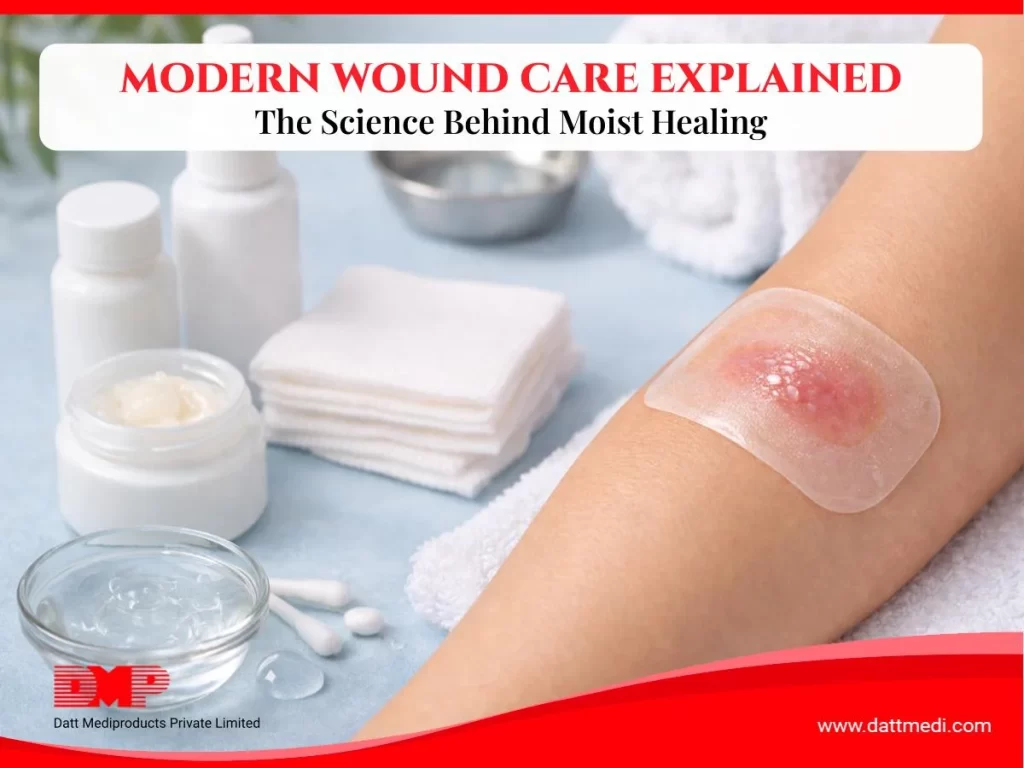
Moist wound environment supporting tissue regeneration

For many years, people believed that allowing a wound to dry out and form a scab was the best way to promote healing. Modern wound care science has shown that maintaining a moist healing environment can support faster tissue repair, reduce discomfort, and improve skin recovery.

Since its clinical adoption in the 1960s, moist wound healing has become a cornerstone of modern wound care in hospitals and home care settings worldwide. By protecting the wound and supporting the body’s natural repair process, this method helps improve healing outcomes and patient comfort.

What Is Moist Wound Healing?

Moist wound healing involves covering a wound with an advanced wound care dressing that maintains optimal moisture while protecting it from contaminants and bacteria.

Dry Healing Approach

  • Allows a hard scab to form
  • Can slow skin cell movement
  • May delay tissue repair

Moist Healing Approach

  • Keeps the wound hydrated
  • Enables faster cell migration
  • Supports efficient tissue regeneration
This balanced environment helps the body heal more effectively.

Moist Wound Healing vs Dry Healing: Key Differences

FeatureMoist HealingDry Healing
Healing SpeedFasterSlower
Pain LevelReducedOften higher
Infection ProtectionBarrier protectionExposure risk
ScarringLess visibleMore likely
Tissue RepairContinuousInterrupted by scab

Why Moist Wound Healing Is Beneficial

1. Faster Healing

A moist environment allows skin cells to move easily across the wound surface.

  • No hard scab blocking repair
  • Continuous tissue rebuilding
  • Shorter recovery time

This is especially beneficial for surgical wounds, burns, and chronic ulcers.

2. Reduced Pain and Discomfort

Dry wounds can expose nerve endings, increasing sensitivity and pain.

Moist dressings:

  • Protect delicate tissue
  • Reduce irritation
  • Provide cushioning comfort

They are commonly used to soothe painful wounds and burns.

3. Lower Risk of Infection

Advanced wound dressings create a protective barrier against dirt and bacteria.

When combined with antimicrobial protection, they:

  • Reduce contamination risk
  • Support safer healing
  • Assist infection prevention in wound care

This is particularly important for post-surgical and chronic wounds. 
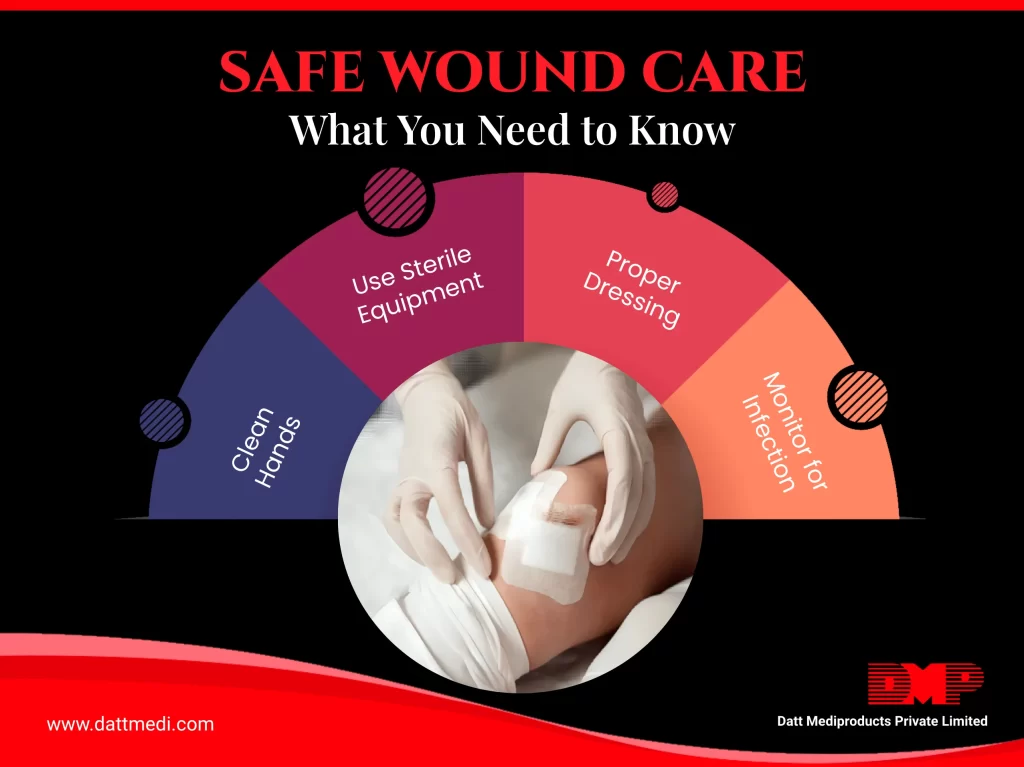
In addition to moisture balance, adopting safe wound care practices to prevent infections further enhances healing outcomes.

4. Less Scarring and Better Skin Repair

When tissue dries out, scarring may become more noticeable.

Moist wound healing:

  • Maintains tissue flexibility
  • Supports smoother skin regeneration
  • Improves cosmetic outcomes

This is beneficial for both medical recovery and aesthetic healing.

5. Natural Removal of Dead Tissue (Autolytic Debridement)

Moisture supports the body’s natural ability to break down and remove dead tissue.

This process:

  • Promotes healthy tissue growth
  • Reduces the need for manual cleaning
  • Supports chronic wound management

How Moist Wound Healing Supports Recovery

Moisture-retentive dressings create an ideal healing environment by:

  • Maintaining stable temperature
  • Supporting new tissue formation
  • Encouraging healthy blood circulation
  • Preserving growth factors and healing proteins

This environment aligns with global medical wound management protocols and modern clinical practices supported by organizations such as the World Health Organization.

Choosing the Right Dressing for Moist Wound Healing

Selecting the best dressing for wound healing depends on wound type, exudate level, and skin condition.

Hydrocolloid Dressings

  • Maintain moisture balance
  • Suitable for minor burns and light drainage wounds

Foam Dressings

  • Absorb excess fluid
  • Keep the wound moist
  • Ideal for moderate to heavily draining wounds 

Hydrogel Dressings

  • Hydrate dry wounds
  • Provide cooling relief
  • Reduce pain and discomfort 

Alginate Dressings

  • Highly absorbent
  • Suitable for heavy exudate wounds

Film Dressings

  • Thin and transparent
  • Protect superficial wounds and abrasions (Velfix T Film)

Wounds That Benefit from Moist Healing

1. Chronic Wounds

2. Acute Wounds

3. Fragile Skin Conditions

  • Pediatric wounds
  • Elderly skin injuries
Moist healing protects delicate skin and reduces friction damage.

Common Misbeliefs About Moist Wound Healing

  • Myth: Moist wounds cause infections.
  • Fact: Proper wound dressings create a protective barrier that helps prevent contamination.
  • Myth: Scabs help wounds heal faster.
  • Fact: Scabs can slow healing by blocking new cell growth.

Tips for Effective Moist Wound Healing

  • Choose dressings based on wound size and fluid level
  • Change dressings as recommended
  • Avoid excessive moisture around wound edges
  • Monitor for redness, swelling, or unusual discharge
  • Seek medical care for deep or chronic wounds

For more detailed guidance on wound care best practices — including cleaning, dressing changes, and monitoring — see our Best wound care practices for faster healing.

Challenges to Consider

Moist healing is highly effective, but improper use may cause complications:

  • Excessive moisture may cause skin maceration
  • Incorrect dressing selection can delay healing
  • Increased susceptibility to infections and further damage

Guidance from healthcare professionals helps ensure safe and effective wound care and regular monitoring ensures optimal results

Evidence Supporting Moist Wound Healing

Clinical research shows moist wound environments can:

  • Accelerate healing rates
  • Reduce complications
  • Improve skin regeneration
  • Lower overall treatment costs

These benefits have made moist wound care a globally accepted standard supported by organizations such as the National Institute for Health and Care Excellence.

Studies indicate that wounds maintained in a moist environment may heal up to 40% faster compared to dry healing methods.

Moist wound healing has transformed modern wound care by enabling faster recovery, reducing discomfort, minimizing scarring, and improving overall healing outcomes. Using advanced wound care dressings helps maintain optimal moisture balance while protecting wounds from external contaminants.

For safe and effective healing, wound care decisions should always be guided by qualified healthcare professionals.
Common Wound Care Issues

Advanced Wound Care for the Elderly: Addressing Unique Challenges and Solutions

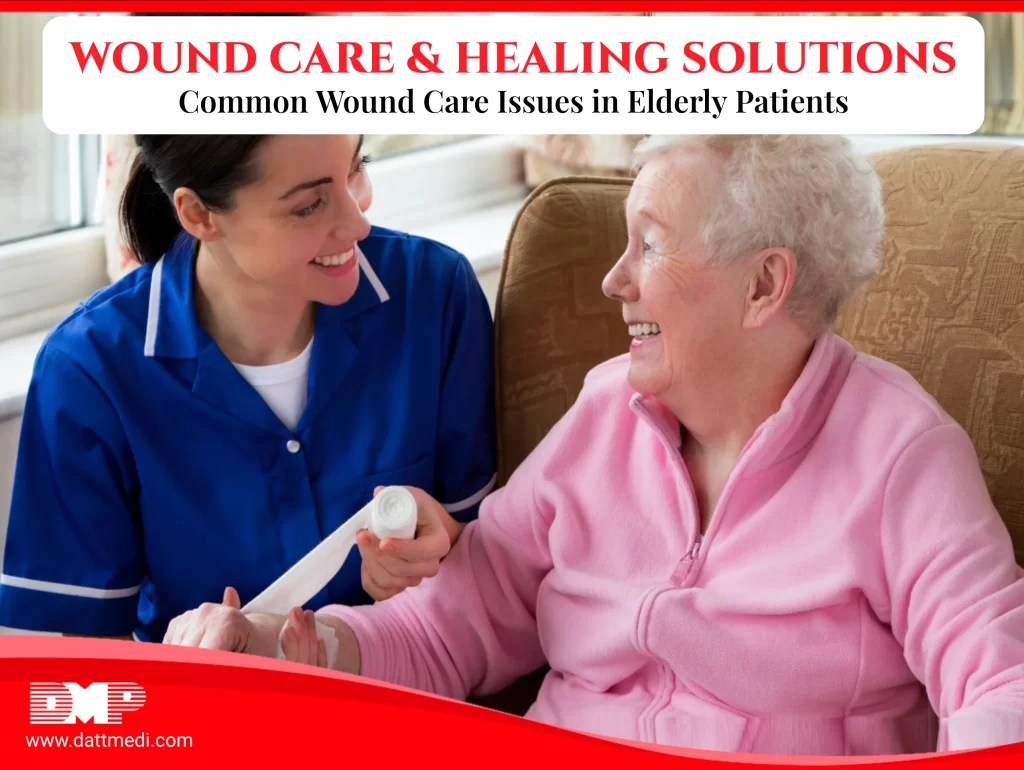
World Health Day reminds us of the importance of addressing health concerns across all age groups, particularly for the elderly. As people age, they often face unique challenges, including skin fragility and reduced mobility, which make wound care a crucial aspect of their health management. Advanced wound care tailored to elderly needs ensures better healing outcomes and improved quality of life.

Common Wound Issues in Elderly Patients

Skin Fragility & Chronic Wounds

Aging skin becomes thinner, less elastic, and more prone to damage. Studies indicate that skin tears affect up to 20-25% of elderly patients in long-term care facilities globally, highlighting the need for specialized wound management.  Source

Elderly individuals are particularly susceptible to:

  • Tears: Even minor trauma can cause significant skin injuries.
  • Pressure Sores: Prolonged immobility leads to pressure ulcers, especially in bedridden patients. A study in India reported that pressure ulcers affect nearly 8.3% of hospitalized elderly patients. Source
  • Diabetic Ulcers: Poor circulation and nerve damage increase the risk of chronic wounds, with diabetic foot ulcers affecting nearly 25% of diabetes patients in India at some point in their lives. Source
Limited Mobility & Circulation

Reduced physical activity affects blood flow, leading to slower wound healing. A study published in the Indian Journal of Plastic Surgery found that elderly patients with limited mobility take 30-50% longer to heal from wounds. Mobility limitations can also make it challenging to provide adequate care, increasing the risk of infections and complications.  Source

Specialized Dressings for Effective Care

1. Moisture-Retentive and Antimicrobial Dressings

These dressings maintain an optimal healing environment while preventing infections. Products like Velvert® Secure provide antimicrobial protection and promote faster recovery.

2. Non-Adhesive & Waterproof Options

Delicate aging skin requires gentle care. Non-adhesive dressings minimize trauma during changes, while waterproof options allow patients to maintain daily hygiene without compromising wound protection.

Orthopedic Support Products for Recovery

1. Compression Bandages/Stockings

For conditions like venous leg ulcers or swelling, compression products improve circulation and reduce edema, facilitating better healing.

2. Support Braces & Pads

Braces and padding prevent pressure sores and provide stability, especially for patients with mobility challenges.

Tips for Caregivers in Elderly Wound Management

  • Daily Monitoring: Regularly inspect wounds for changes or signs of infection.
  • Hydration, Nutrition & Hygiene: Ensure patients stay hydrated, eat a balanced diet, and maintain clean skin to support healing.
  • Gentle Mobility: Encourage safe physical activity to improve circulation and prevent stiffness.
  • Collaborate with Professionals: Work closely with healthcare providers to develop and follow a tailored care plan.

Advanced wound care plays a vital role in elderly health and well-being. By addressing their unique challenges with specialized solutions and caregiver support, we can improve healing outcomes and enhance their quality of life.

In this World Health Month, let’s advocate for proactive care and ensure our elderly population receives the attention they deserve.

Addressing Wound Care Challenges

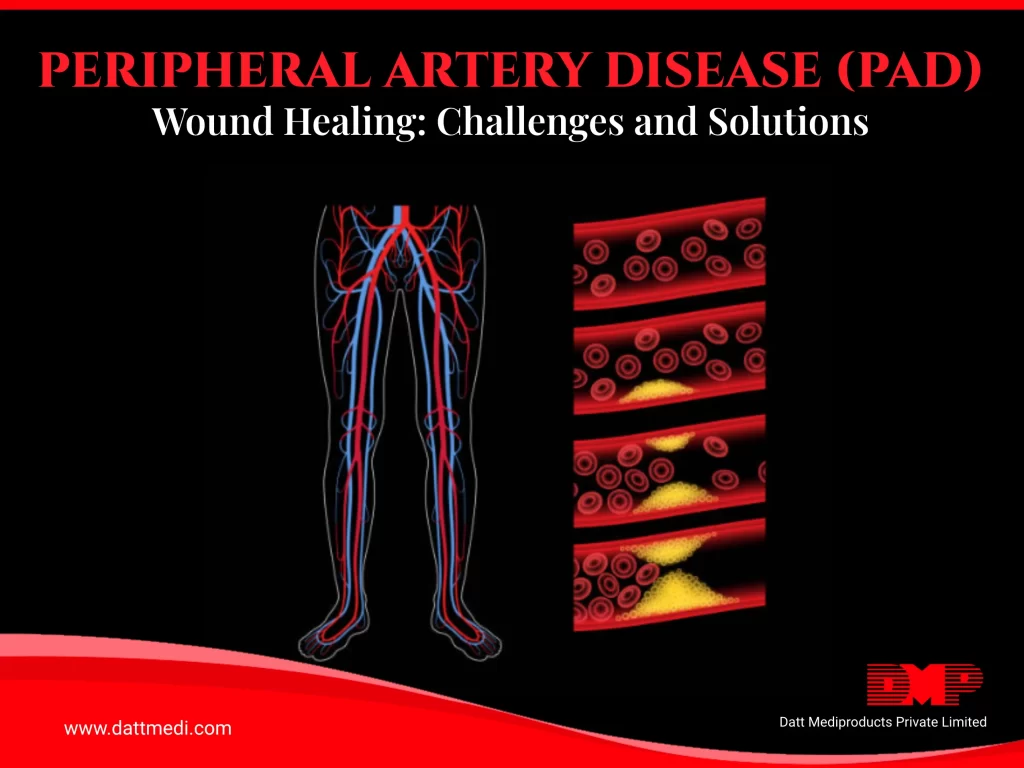
Peripheral artery disease (PAD) presents significant challenges to wound healing, affecting millions globally. This condition, characterized by narrowed arteries that reduce blood flow to the limbs, particularly the legs, not only causes discomfort and mobility issues but also complicates the natural healing process for wounds.

The Impact of PAD on Wound Healing

PAD restricts blood flow to tissues, depriving them of essential oxygen and nutrients necessary for healing. When individuals with PAD sustain wounds, reduced circulation delays the body’s healing mechanisms. Even minor cuts or abrasions can become chronic wounds, prone to infection and slow to heal. The diminished circulation also hinders the body’s ability to deliver immune cells and growth factors to the wound site, further complicating recovery.

Challenges Faced by Patients with PAD often experience:

  • Delayed Healing: Wounds take longer to heal, increasing the risk of infection and complications.
  • Chronic Wounds: Persistent wounds that do not heal properly, requiring prolonged treatment and care.
  • Risk of Amputation: Severe cases may lead to tissue death (gangrene), necessitating amputation.

Specialized Wound Care Approaches:

Managing wounds in PAD patients requires a specialized approach that addresses both the wound and underlying circulatory issues:

  • Improving Blood Flow: Medical interventions like angioplasty or bypass surgery may restore blood flow to the affected area, enhancing wound healing.
  • Advanced Dressings: Specialized dressings that promote moisture balance and provide infection barriers are crucial. For instance, alginate dressings for exuding wounds or hydrocolloid dressings for maintaining a moist environment can aid healing.
  • Compression Therapy: Controlled compression helps improve leg circulation, reduce swelling, and promote better blood flow, facilitating wound healing.
  • Patient Education: Empowering PAD patients to understand the importance of regular foot care, proper hygiene, and recognizing signs of infection can prevent complications and support healing efforts.

Peripheral artery disease significantly affects wound healing, necessitating a multidisciplinary approach involving vascular specialists, wound care nurses, and patient education. Addressing both vascular issues and wound management strategies can enhance outcomes for PAD patients, improving their quality of life and reducing complications. Understanding these challenges and implementing specialized wound care approaches tailored to PAD patients is crucial for effective treatment and support.

Logo

Datt Mediproducts Private Limited

Loading