

Search by Blog
Read by Category

Your healing journey continues beyond this blog

Find the right products for better recovery at online store
Cart Image
Common Wound Care Issues

Advanced Wound Care for the Elderly: Addressing Unique Challenges and Solutions

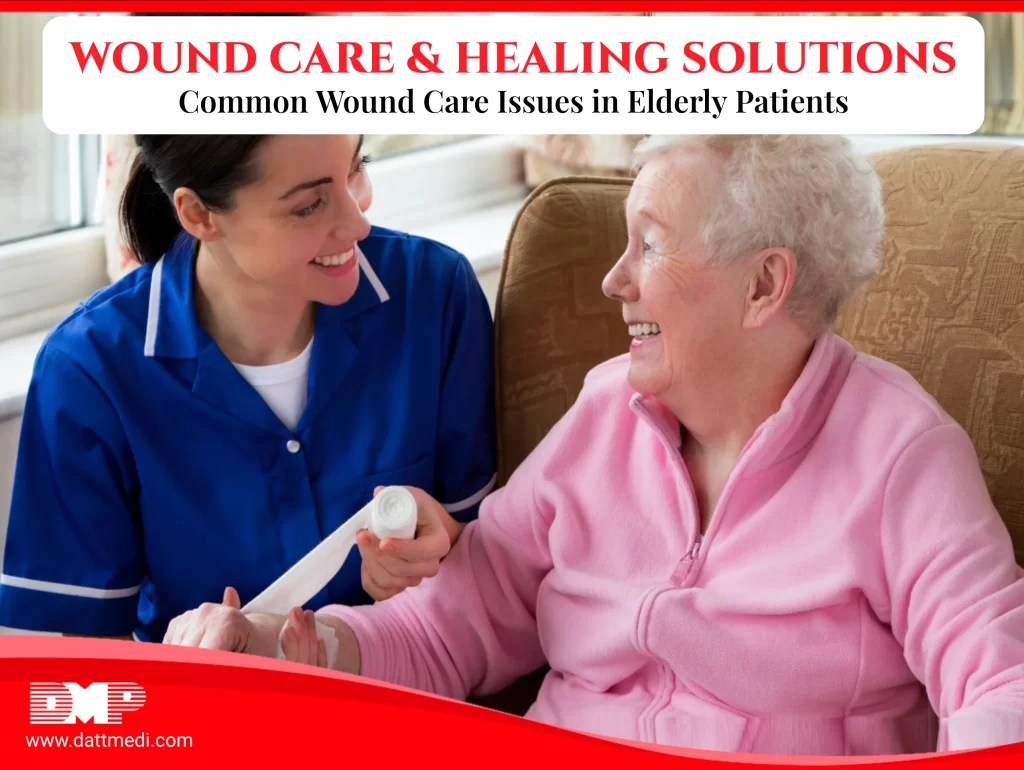
World Health Day reminds us of the importance of addressing health concerns across all age groups, particularly for the elderly. As people age, they often face unique challenges, including skin fragility and reduced mobility, which make wound care a crucial aspect of their health management. Advanced wound care tailored to elderly needs ensures better healing outcomes and improved quality of life.

Common Wound Issues in Elderly Patients

Skin Fragility & Chronic Wounds

Aging skin becomes thinner, less elastic, and more prone to damage. Studies indicate that skin tears affect up to 20-25% of elderly patients in long-term care facilities globally, highlighting the need for specialized wound management.  Source

Elderly individuals are particularly susceptible to:

  • Tears: Even minor trauma can cause significant skin injuries.
  • Pressure Sores: Prolonged immobility leads to pressure ulcers, especially in bedridden patients. A study in India reported that pressure ulcers affect nearly 8.3% of hospitalized elderly patients. Source
  • Diabetic Ulcers: Poor circulation and nerve damage increase the risk of chronic wounds, with diabetic foot ulcers affecting nearly 25% of diabetes patients in India at some point in their lives. Source
Limited Mobility & Circulation

Reduced physical activity affects blood flow, leading to slower wound healing. A study published in the Indian Journal of Plastic Surgery found that elderly patients with limited mobility take 30-50% longer to heal from wounds. Mobility limitations can also make it challenging to provide adequate care, increasing the risk of infections and complications.  Source

Specialized Dressings for Effective Care

1. Moisture-Retentive and Antimicrobial Dressings

These dressings maintain an optimal healing environment while preventing infections. Products like Velvert® Secure provide antimicrobial protection and promote faster recovery.

2. Non-Adhesive & Waterproof Options

Delicate aging skin requires gentle care. Non-adhesive dressings minimize trauma during changes, while waterproof options allow patients to maintain daily hygiene without compromising wound protection.

Orthopedic Support Products for Recovery

1. Compression Bandages/Stockings

For conditions like venous leg ulcers or swelling, compression products improve circulation and reduce edema, facilitating better healing.

2. Support Braces & Pads

Braces and padding prevent pressure sores and provide stability, especially for patients with mobility challenges.

Tips for Caregivers in Elderly Wound Management

  • Daily Monitoring: Regularly inspect wounds for changes or signs of infection.
  • Hydration, Nutrition & Hygiene: Ensure patients stay hydrated, eat a balanced diet, and maintain clean skin to support healing.
  • Gentle Mobility: Encourage safe physical activity to improve circulation and prevent stiffness.
  • Collaborate with Professionals: Work closely with healthcare providers to develop and follow a tailored care plan.

Advanced wound care plays a vital role in elderly health and well-being. By addressing their unique challenges with specialized solutions and caregiver support, we can improve healing outcomes and enhance their quality of life.

In this World Health Month, let’s advocate for proactive care and ensure our elderly population receives the attention they deserve.
Visit www.dattmedi.com for more infomation.
Share:
Recent Blogs

As winter approaches, it brings along cold temperatures and dry air, which can take a toll on our skin. To maintain a healthy and hydrated complexion during the chilly months, it’s important to adjust our skincare routine accordingly. In this blog, we will explore some effective winter skincare tips to help you protect and nourish your skin, ensuring it stays radiant and moisturized throughout the season.

Hydrate from Within:

In cold weather, it’s common for us to reduce our water intake, as we don’t feel as thirsty as we do during hot summer days. However, maintaining proper hydration is essential for healthy skin, regardless of the season.

Drinking an adequate amount of water will help keep your skin hydrated from within, preventing it from becoming dry and dull. Aim to drink at least 8 glasses of water per day, and consider incorporating hydrating beverages like herbal teas or infused water to add variety and flavour.

Moisturize Regularly:

One of the key steps in a winter skincare routine is moisturizing regularly. Cold air and low humidity levels can strip the skin of its natural moisture, leading to dryness and irritation. To combat this, opt for a rich, nourishing moisturizer that contains ingredients like hyaluronic acid, glycerine, or ceramides. Apply it generously to your face and body after cleansing, focusing on areas prone to dryness such as the hands, elbows, and knees. For added protection, consider using a thicker moisturizer at night and a lighter one during the day, along with a sunscreen to shield your skin from harmful UV rays.

Gentle Cleansing:

While it’s important to keep your skin clean, aggressive cleansing can strip away essential oils and disrupt the skin’s natural barrier. During winter, switch to a mild, hydrating cleanser that won’t further dry out your skin. Look for products that are free from harsh chemicals and fragrances, as these can be particularly drying. Additionally, avoid using hot water for cleansing, as it can deplete the skin’s natural moisture. Instead, use lukewarm water and pat your skin dry with a soft towel, leaving some moisture behind to help lock in hydration.

Protect Your Skin:

Cold weather often comes with harsh winds, which can cause windburn and exacerbate skin dryness. Shield your skin from these elements by wearing protective clothing, such as scarves, hats, and gloves, that cover exposed areas. Additionally, don’t forget to apply a broad-spectrum sunscreen with an SPF of 30 or higher, even on cloudy days. UV rays can still penetrate the clouds and cause damage to your skin. Reapply sunscreen every two hours, especially if you engage in outdoor activities.

Humidify Your Environment:

Indoor heating systems can further deplete the moisture levels in the air, leading to dry and irritated skin. To counteract this, invest in a humidifier to add moisture back into the environment. Place it in the rooms where you spend the most time, such as your bedroom or living room. A humidifier will help combat the dryness caused by artificial heating and create a more comfortable and skin-friendly environment. Remember to clean and maintain the humidifier regularly to prevent the growth of bacteria or mould.

Maintaining healthy and hydrated skin during the winter months requires a few adjustments to your skincare routine. By following these tips, including staying hydrated, moisturizing regularly, using gentle cleansers, protecting your skin, and humidifying your environment, you can keep your skin nourished and radiant despite the cold weather. Embrace these practices, and enjoy a winter season with healthy and glowing skin.

As the colder months approach, it becomes essential to prioritize our well-being and make conscious efforts to take care of both our minds and bodies. The winter season brings unique challenges, such as shorter daylight hours, cold temperatures, and holiday stress, which can impact our overall health and wellness. In this blog, we will explore effective strategies to help you maintain a healthy mind and body during the winter season, ensuring a happier and more vibrant you.

(more…)

Logo

Datt Mediproducts Private Limited

Loading