
Search by Blog
Read by Category

Your healing journey continues beyond this blog

Find the right products for better recovery at online store
Cart Image
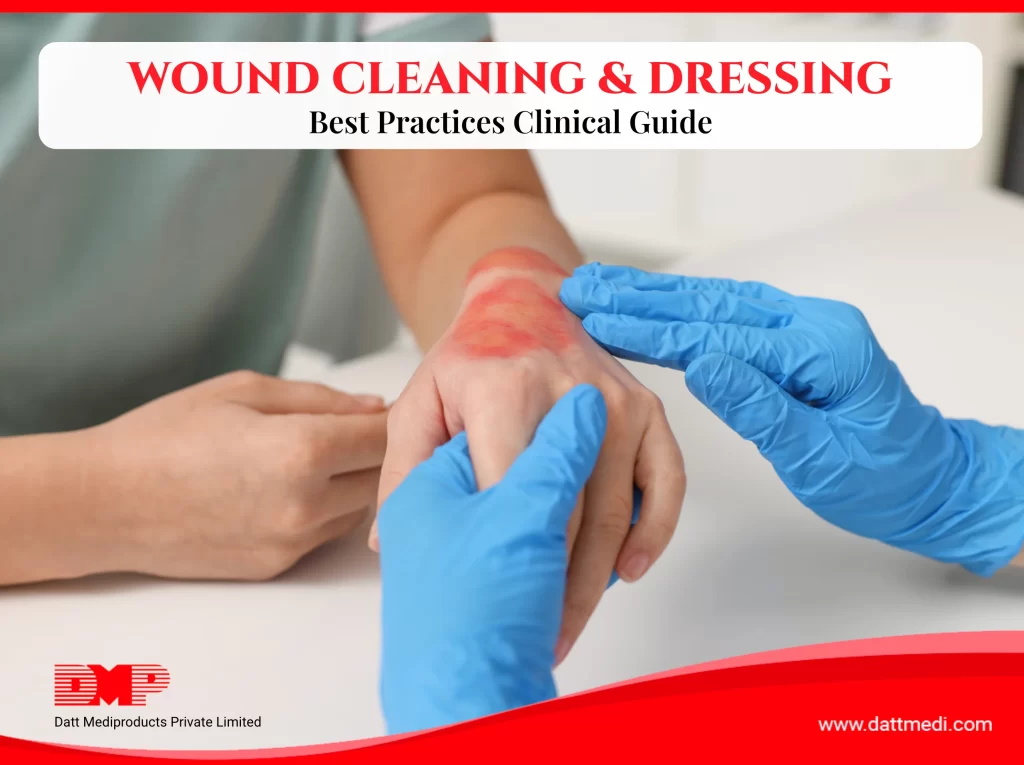
Cleaning wound with sterile saline before applying dressing

Knowing how to clean a wound properly and apply the right dressing plays a critical role in healing outcomes. Inadequate wound care is one of the most common reasons wounds become infected or take longer to heal.

Whether managing a minor cut at home, caring for a surgical incision, or supporting chronic wound recovery, following evidence-based wound care practices helps protect the skin, reduce complications, and support natural tissue repair.

Why Proper Wound Care Is Important

Proper wound care involves cleaning the wound, protecting it with an appropriate dressing made from clinically tested materials, and regularly monitoring the healing progress.

Effective wound care:

  • Reduces microbial contamination
  • Minimizes inflammation and tissue damage
  • Lowers the risk of scarring and delayed healing
  • Supports tissue regeneration, especially in patients with diabetes, poor circulation, or reduced immunity

Maintaining a clean and protected wound environment allows new tissue to form safely and consistently.

Practical example:
Healthcare facilities worldwide follow standardized wound care protocols because consistent and correct wound management directly improves patient recovery outcomes.

Step-by-Step Guide: How to Clean a Wound

A. Prepare Before Cleaning the Wound

1. What to do:
Prepare yourself and gather supplies before touching the wound.

2. Why it matters:
Proper preparation minimizes the risk of introducing bacteria into the wound.

3. How to do it:

  • Wash hands thoroughly and wear clean gloves.
  • Keep sterile saline or clean water ready.
  • Prepare clean, suitable wound dressings as advised, along with a waste disposal bag.

B. Clean the Wound Gently and Safely

1. What to do:
Remove visible dirt, debris, or dried discharge from the wound.

2. Why it matters:
Gentle cleaning reduces infection risk and supports faster healing.

3. How to do it:

  • Rinse the wound using a mild soap and sterile saline or clean running water
  • Use antiseptic solutions only if recommended by a healthcare professional
  • Avoid alcohol or hydrogen peroxide directly on the wound, as these may damage healthy tissue and delay healing

C. Dry the Wound Area Carefully

1. What to do:
Dry the surrounding skin after cleaning.

2. Why it matters:
Excess moisture can weaken surrounding skin and slow healing.

3. How to do it:

  • Gently pat the area dry using sterile gauze
  • Avoid rubbing the wound surface

Choosing the Best Dressing for Open Wounds

A. Factors to Consider When Selecting a Dressing

The best dressing for open wounds depends on:

  • Type of wound (minor cut, surgical incision, or chronic wound)
  • Amount of wound exudate (fluid)
  • Infection risk and patient activity level
Selecting the right dressing—based on wound type and healing needs—helps maintain an optimal wound environment and supports steady healing.

B. Common Types of Wound Dressings and Their Uses

  • Gauze Dressings:
    Suitable for minor wounds and short-term protection, such as Gamjee pads and cotton gauze rolls.
  • Foam Dressings:
    Ideal for moderate to heavily exuding wounds, such as Velfix-S, which helps absorb excess exudate while maintaining a balanced wound environment.
  • Hydrocolloid or Hydrogel Dressings:
    Help maintain a moist environment for healing.
  • Antimicrobial Dressings:
    Recommended when infection risk is high or infection is present, such as Velvert, used under medical guidance.

Modern wound management relies on advanced dressing technologies designed to maintain moisture balance and protect healing tissue. – Read More

How to Secure a Wound Dressing Correctly

1. Why it matters:
A dressing that is too loose may expose the wound, while one that is too tight can restrict circulation.

2. Best practices:

  • Use transparent sterile film dressings (Velfix-T Film) to secure the primary dressing while allowing wound visibility.
  • Medical adhesive tape may be used where appropriate.
  • Ensure the dressing is secure, comfortable, and does not restrict blood flow.

How Often Should You Change a Wound Dressing?

Dressing change frequency depends on wound type, exudate level and medical advice. Change the dressing if:

  • It becomes wet or contaminated
  • There is increased redness, discharge, or odor
  • Wounds with higher exudated will require more frequent dressing changes. 
Regular dressing changes using clean and sterilized post-operative or wound dressings reduce infection risk and support faster healing.

Monitoring Wound Healing and Infection Signs

Check the wound daily for:

  • Increased pain, redness, swelling, or warmth.
  • Discharge or unusual odor (possible infected wound signs).
  • Healthy pink or red tissue, which indicates healing.

If healing does not improve or symptoms worsen, consult a healthcare professional promptly.

If any warning signs persist or worsen, early identification is critical. Understanding the common symptoms of wound infection can help prevent serious complications and delayed healing.
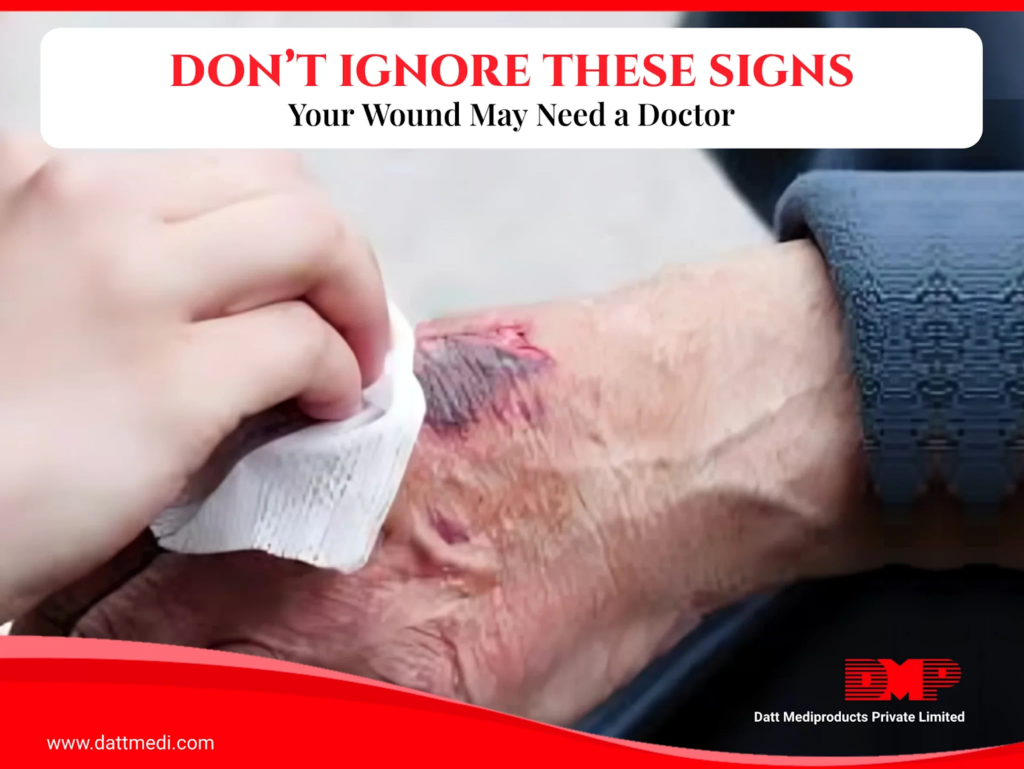
Read more: Signs of Infected Wounds: Symptoms, Risks, and When to Seek Medical Care

Common Wound Care Mistakes to Avoid

  • Using non-sterile or unclean materials
  • Leaving wounds uncovered for extended periods
  • Reusing old or soiled dressings
  • Applying products without professional advice
Avoiding these mistakes can significantly improve recovery outcomes.

When to Seek Medical Attention for a Wound

Seek professional care if:

  • The wound is deep or bleeding heavily
  • It is a burn
  • Signs of infection are present
  • The wound is chronic, such as diabetic foot ulcers or burns
  • Healing does not progress over time
In such cases, specialized solutions like advanced wound dressings may be required, under the guidance of healthcare professionals.

Simple Tips to Support Faster Wound Healing

  • Eat a balanced diet rich in protein, vitamins, and minerals
  • Stay adequately hydrated
  • Avoid smoking and excessive alcohol intake
  • Get sufficient sleep to support tissue repair

Understanding how to clean a wound and apply the correct dressing is essential for safe and effective healing. By following approapriate wound care steps and using quality wound dressings manufactured under international standards such as ISO and CE, patients and caregivers can reduce complications and support better outcomes.

For complex or slow-healing wounds, timely medical guidance remains essential.

Medical Disclaimer

This content is intended for general wound care education and does not replace professional medical advice. Always consult a healthcare provider for serious, worsening, or non-healing wounds.
Visit www.dattmedi.com for more infomation.
Share:

Frequnently Asked Questions

A wound dressing should be changed when it becomes wet, dirty, or loose, or as advised by a healthcare professional. Using clean and appropriate wound dressings helps prevent infection and supports faster healing, especially for open or surgical wounds.

The best way to clean a wound at home is to gently rinse it with a mild soap and sterile saline or clean running water and use clean gauze-based dressings for drying and protection. Avoid using alcohol or hydrogen peroxide directly on the wound, as these can damage healthy tissue and slow the healing process.

Common infected wound signs include increased redness, swelling, fever, warmth, pain, pus or discharge, foul odor, and delayed healing. If these symptoms appear, advanced care solutions such as advanced wound care dressings and timely medical attention may be required.

The best dressing for open wounds depends on the wound type and fluid level. Gauze dressings work well for minor wounds, while foam, hydrocolloid, or antimicrobial dressings—such as  Velvert—may be recommended for better protection and healing.

Yes. Wound care products should be manufactured under internationally recognized standards such as ISO and CE. These certifications ensure safety, quality, and reliable performance across hospitals, clinics, and home-care settings worldwide.

Recent Blogs
Improper wound cleaning and dressing at home

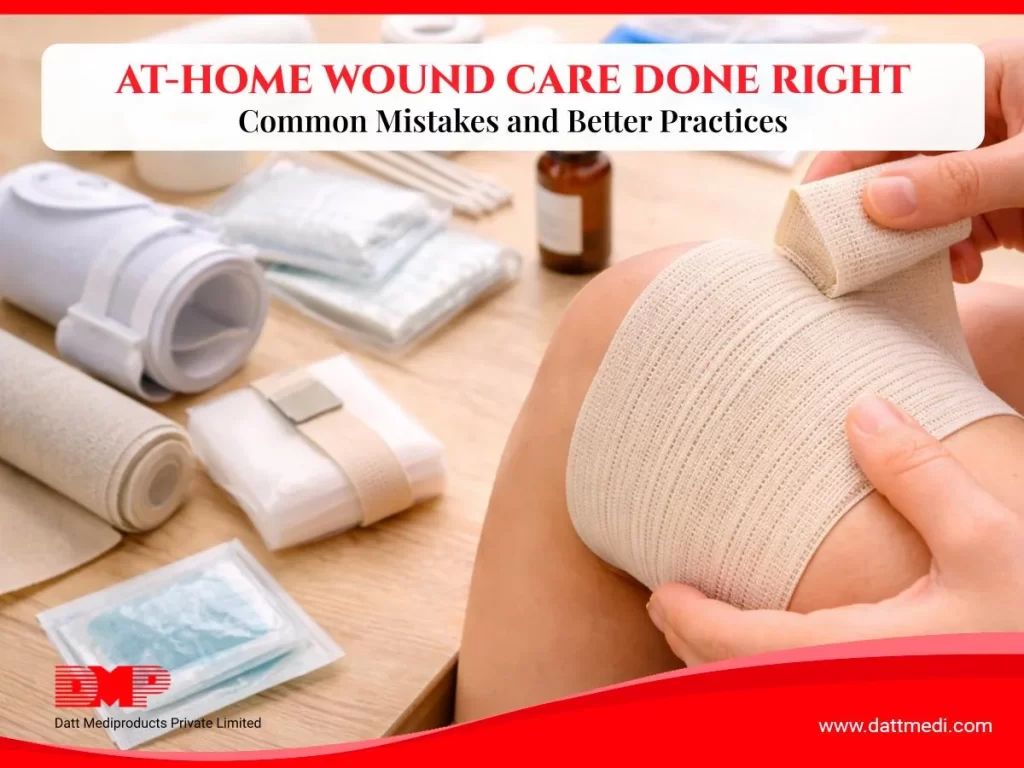
At-home wound care plays a bigger role in healing than most people realize. Many wounds that later become infected or heal slowly don’t start as serious injuries; they worsen because of small, everyday mistakes in home care.

These mistakes are rarely intentional. They usually occur due to confusion, over-cleaning, ignoring signs of infection or using unsuitable dressings. With the right approach, however, effective wound care at home can significantly reduce infection risk, improve comfort, and support faster healing.

This blog is especially helpful for individuals managing minor cuts, post-surgical wounds, or caring for elderly patients at home. It explains the most common at-home wound care mistakes, how to avoid them, and when professional medical help is necessary.

Common At-Home Wound Care Mistakes (And What Works Better)

1. Over-Cleaning the Wound

The Mistake
Cleaning the wound too frequently or using strong solutions such as spirit, iodine, or hydrogen peroxide.

Why This Is a Problem
While cleaning is essential, over-cleaning can damage newly forming tissue and slow the body’s natural healing process. Repeated use of harsh antiseptics may irritate the wound bed and delay recovery.

What to Do Instead

  • Always wash your hand thoroughly first
  • Clean once daily or if the dressing gets dirty
  • Use a mild soap and clean water or saline
  • Gently pat dry—do not scrub
Practical Insight
For most minor wounds, gentle cleaning combined with appropriate wound care dressings is sufficient to prevent infection and support healthy healing.

2. Touching the Wound or Dressing Surface

The Mistake
Directly touching the wound or the surface of the dressing that comes in contact with the skin.

Why This Increases Infection Risk
Hands naturally carry bacteria, even after washing. Touching sterile surfaces can transfer germs directly to the wound, increasing the risk of infection.

What to Do Instead

  • Wash hands before and after wound care
  • Handle dressings only from the edges
  • Avoid reusing or adjusting used dressings
Practical Insight
Using sterile ready-to-use dressings helps maintain hygiene and reduces unnecessary handling during home care.

3. Using the Wrong Dressing for the Wound

The Mistake
Applying any available bandage without considering the wound type, size, or location.

Why This Slows Healing
An unsuitable dressing may stick to the wound, trap excess moisture, irritate surrounding skin, or restrict movement—leading to discomfort and delayed healing.

What to Do Instead

  • Asses the wound.
  • Depending on the type of wound choose an appropriate dressing. If you need help choosing a dressing or have any doubts of the type of wound please contact a healthcare professional.
  • Choose sterile, breathable, non-irritating dressings
  • Ensure secure but comfortable placement
  • Change the dressing regularly and if it becomes wet, dirty, or loose
Practical Insight
Well-designed gauze-based dressings and post-operative film dressings support protection, comfort, and consistent healing at home.

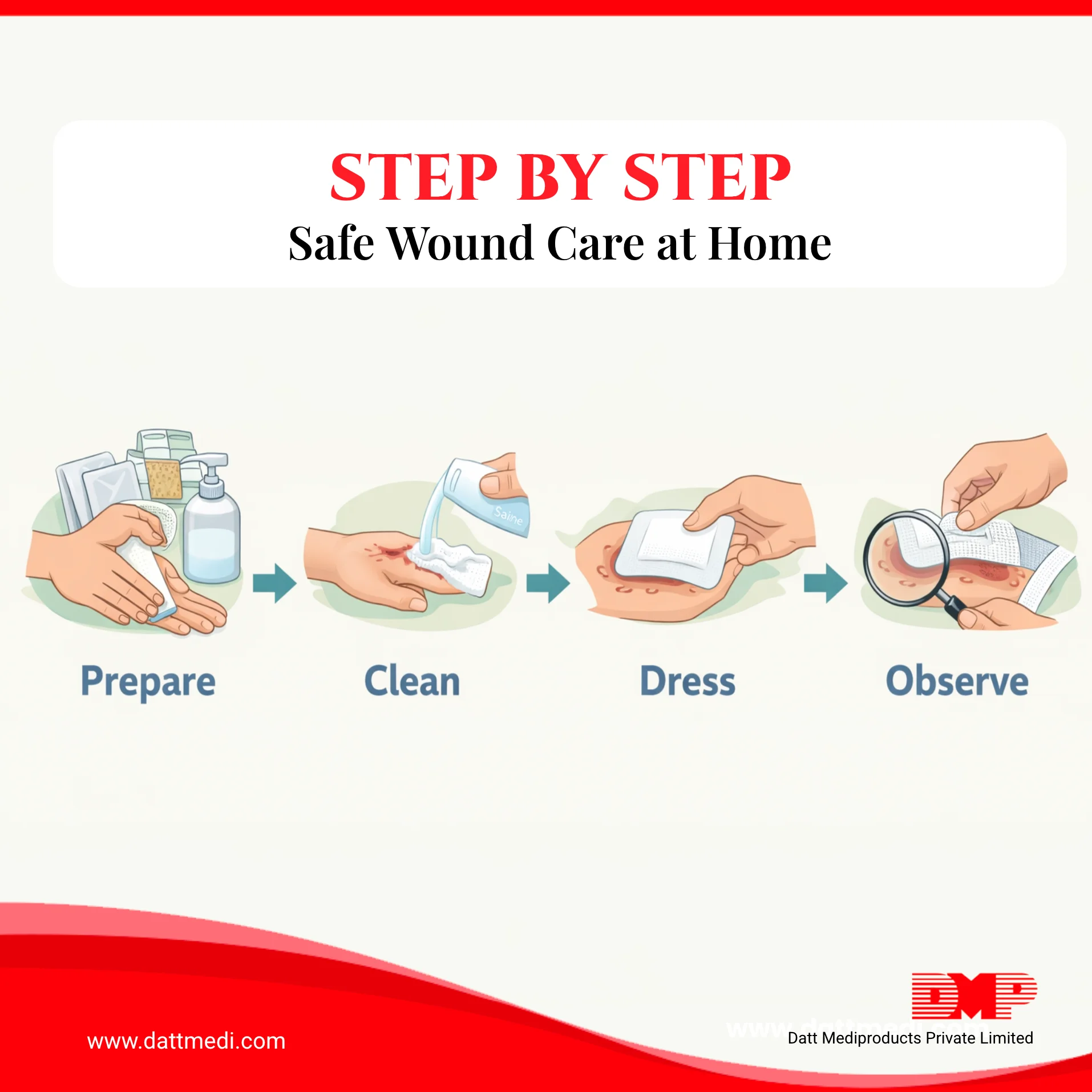
Step-by-Step: Safe Wound Care at Home

Following a simple routine helps prevent infection and supports steady healing.

Step 1: Assess the wound

  • Assess the wound to see how serious and what type of wound it is.
  • You should seek professional care if:
  • you can see the bone or blood vessels
  • the bleeding doesn’t stop even after pressure is applied
  • it is a burn wound
  • it is a bite wound from an animal

Step 2: Prepare

  • Wash hands thoroughly
  • Keep all dressing materials ready

Step 3: Clean

  • Rinse the wound gently with mild soap and clean water or saline
  • Pat dry with sterile gauze such as cotton gauze products

Step 4: Dress

  • If it is a minor cut of scrape let it air out, it doesn’t need a bandage
  • For larger wounds apply a sterile dressing without touching the pad
  • Smooth it gently so it stays in place

Step 5: Observe

  • Check and clean the wound daily. Monitor for changes
  • Replace the dressing as needed

For a more detailed look at everyday care practices that help wounds heal faster, see our wound care dos and don’ts for faster healing guide.

Warning Signs: When to Seek Medical Help

At-home wound care may not be enough if you notice:

  • Increasing redness, swelling, or warmth
  • Yellow or green discharge
  • Persistent pain or fever
  • A wound that does not improve after a few days

Early medical attention can prevent serious complications and support timely recovery.

Making At-Home Wound Care Safer and Simpler

Many households prefer sterile wound care solutions because they reduce guesswork and handling. These solutions are designed to:

  • Support hygiene
  • Reduce infection risk
  • Simplify daily wound care routines

Such products are commonly used in hospitals and home-care settings and are manufactured following international quality standards such as ISO and CE, making them trusted across global healthcare markets.

Effective wound care at home is about balance—cleaning gently, protecting properly, and knowing when professional care is needed. By avoiding common mistakes and following simple, hygienic steps, healing outcomes can be significantly improved.

With the right approach and reliable advanced wound care products, healing at home can be safe, comfortable, and confident.

Medical Disclaimer

This content is intended for general wound care education and does not replace professional medical advice. Always consult a healthcare provider for serious, worsening, or non-healing wounds.

Wound Care Tips for Diabetic Patients

Living with diabetes means being extra vigilant about health, especially when it comes to wound care. Even minor cuts or blisters can progress into serious complications due to delayed healing, poor circulation, and increased infection risks.

This makes wound care a crucial part of diabetes management. Fortunately, modern solutions and advanced therapies are transforming the way patients and caregivers approach diabetic wound care.

1. Unique Challenges in Diabetic Wound Healing

Diabetic wounds differ from ordinary wounds in several ways:

  • Reduced Sensation (Neuropathy): Many patients experience nerve damage that diminishes their ability to feel pain, making them less likely to notice small injuries.
  • Impaired Circulation: Restricted blood flow slows the delivery of oxygen and nutrients essential for healing.
  • Higher Infection Risk: Elevated glucose levels provide a favorable environment for bacteria, increasing the chance of infections.
Together, these challenges often lead to delayed healing and chronic wounds, particularly on the feet, making proactive care essential.

2. Innovative Wound Care Management Therapies

Recent advancements in wound care are improving recovery outcomes for diabetic patients:

  • Velvert® Dressings: Designed to create a protective, moist healing environment that accelerates tissue repair.
  • Negative Pressure Wound Therapy (NPWT): Uses gentle suction to remove fluids, reduce swelling, and promote faster healing.
  • Hydrogel & Advanced Dressings: Maintain moisture balance, reduce pain, and minimize scarring.
  • Antimicrobial Solutions: Dressings infused with silver or other agents help fight infection while supporting recovery.

These modern therapies go beyond basic bandaging, offering targeted solutions that actively support healing.

3. Importance of Early Detection and Timely Intervention

For diabetic patients, time is critical in wound management:

  • Regular Self-Checks: Inspecting feet and legs daily for cuts, blisters, or redness.
  • Professional Screenings: Routine check-ups with a podiatrist or healthcare provider.
  • Prompt Action: Treating even minor wounds immediately with proper cleaning and dressings.
Catching a wound early can prevent it from progressing into a serious ulcer or infection that might require advanced medical intervention.

4. Integrating Preventive Care into Daily Life

Prevention is the cornerstone of diabetic wound care. Patients can reduce risks by adopting these practices:

  • Daily Foot Inspections: Use a mirror or ask for assistance if needed.
  • Skin Hydration: Keep skin moisturized to prevent cracks that can invite infections.
  • Balanced Nutrition: A diet rich in protein, vitamins, and minerals supports healing.
  • Protective Footwear: Always wear well-fitted shoes and socks to avoid friction and injury.
Incorporating these habits into daily routines ensures long-term protection.

5. Advanced Off-Loading Solutions

Pressure management plays a vital role in diabetic wound care:

  • Total Contact Casting (TCC): Distributes weight evenly to reduce pressure on ulcers.
  • Customized Diabetic Footwear: Specially designed shoes help minimize friction and pressure points.
  • Pressure-Redistribution Insoles: Offer cushioning and support for patients with high-risk areas.
These solutions are critical for patients with foot ulcers, as they significantly reduce the chances of wound recurrence.

Empowering Diabetic Patients for Better Outcomes

Effective wound care is not just about healing—it’s about prevention, protection, and empowerment. By combining early detection, preventive strategies, advanced therapies, and innovative off-loading solutions, diabetic patients can significantly lower their risk of complications. With proactive care and modern tools, living with diabetes no longer has to mean living with chronic wounds.

Logo

Datt Mediproducts Private Limited

Loading