
Discover Informative Blogs
on Healthcare Solutions

Category: Nutrition

Search by Blog
Read by Category

Your healing journey continues beyond this blog

Find the right products for better recovery at online store
Cart Image
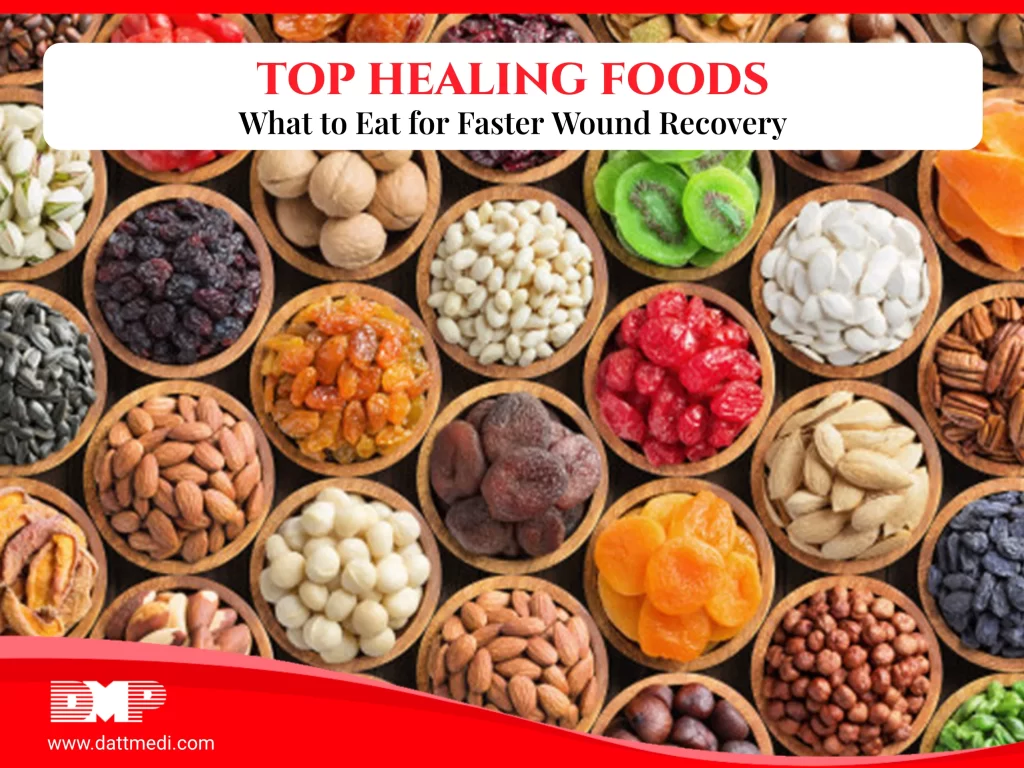
Top Foods for Wound Healing: Boost Your Recovery & Strength

Nutrition plays a central role in wound healing, often as important as medical care itself. When the body sustains an injury, foods for wound healing become essential as its demand for specific nutrients increases.

The right foods can help accelerate tissue repair, reduce inflammation, strengthen the immune system, and enhance overall recovery. This blog explores scientifically backed foods for wound healing that actively support faster and more effective recovery.

Phytonutrient Power for Tissue Repair

What they are:

Phytonutrients are bioactive compounds in plants, such as flavonoids and carotenoids.

Why they matter:

Wound sites often experience oxidative stress due to free radicals, which can delay healing. Phytonutrients neutralize these free radicals, creating a favorable environment for tissue regeneration.

 Food sources:

  • Berries (flavonoids): Blueberries, strawberries, and blackberries reduce oxidative stress.
  • Sweet potatoes & carrots (carotenoids): Support cell growth and boost skin barrier function.

Quick Tip: Including a cup of mixed berries in breakfast or roasted sweet potato as a side dish provides antioxidant protection during recovery.

Collagen-Activating Foods

What they are:

Nutrients that directly stimulate collagen synthesis.

Why they matter:

Collagen forms the structural framework of new tissue and strong scar formation.

Key nutrients & foods:

  • Vitamin C (bell peppers, citrus, kiwi): A co-factor in collagen production.
  • Copper (sunflower seeds, cashews, lentils): Supports the cross-linking of collagen fibers for durability.

Quick Tip: A salad of bell peppers, spinach, and sunflower seeds supplies both vitamin C and copper—maximizing collagen activation.

Gut Health and Healing Connection

What it is:

The gut microbiome plays a central role in nutrient absorption and immune regulation.

Why it matters:

Without a healthy gut, even the best diet cannot deliver full healing benefits. Probiotics strengthen the microbiome, enhance nutrient uptake, and improve immune defenses against infection.

Food sources:

Yogurt, kefir, kimchi, sauerkraut, miso.

Quick Tip: Consuming a serving of probiotic yogurt daily can improve nutrient bioavailability, indirectly accelerating wound recovery.

Anti-Inflammatory Spice Cabinet

What they are:

Natural spices with anti-inflammatory and antimicrobial properties.

Why they matter:

Chronic inflammation around a wound can slow tissue regeneration. Certain spices actively reduce inflammatory responses while fighting harmful microbes.

Food sources:

  • Turmeric (curcumin): Reduces pro-inflammatory cytokines.
  • Ginger: Enhances circulation and reduces swelling.
  • Garlic: Provides antimicrobial support against infections.

Quick Tip: Adding turmeric to curries, ginger to tea, and garlic to meals integrates these benefits naturally into daily cooking.

Zinc Synergy Foods

What it is:

Zinc is essential for cell division and repair, but its efficiency increases when paired with vitamin C.

Why it matters:

Zinc deficiency can delay wound closure. Pairing zinc with vitamin C optimizes collagen production and tissue healing.

Food sources & pairings:

  • Pumpkin seeds + oranges
  • Chickpeas + bell peppers
This nutrient synergy ensures better absorption and function.

Iron-Rich for Oxygen Delivery

What it is:

Iron is critical for hemoglobin formation.

Why it matters:

Adequate hemoglobin ensures oxygen supply to regenerating tissues, which is vital for energy production during healing.

Food sources:

  • Heme iron (easily absorbed): Red meat, chicken, fish.
  • Non-heme iron: Lentils, spinach, fortified cereals.

Quick Tip: Pairing spinach (iron) with tomatoes (vitamin C) improves absorption, ensuring more oxygen reaches healing tissues.

Hydration Beyond Water

What it is:

Cellular hydration requires more than water—electrolytes are equally vital.

Why it matters:

Dehydrated cells cannot repair efficiently. Electrolytes maintain fluid balance, nerve signaling, and nutrient transport.

Food sources:

  • Coconut water: Natural electrolytes.
  • Watermelon & cucumbers: High water content plus minerals.
  • Broths & soups: Provide both fluids and electrolytes.

Quick Tip: Including hydrating foods alongside water intake supports optimal tissue repair.

Building a Healing Plate

Recovery requires more than a single “superfood.” It’s about creating a balanced plate with antioxidant-rich phytonutrients, collagen -activating nutrients, probiotics, anti-inflammatory spices, zinc and iron synergy, and hydration strategies.

Together, these foods give your body the fuel it needs to rebuild stronger tissue, reduce complications, and support a faster recovery.

Take good care—and Happy Holidays! ❄️✨🎄
Beyound Wheat Gluten

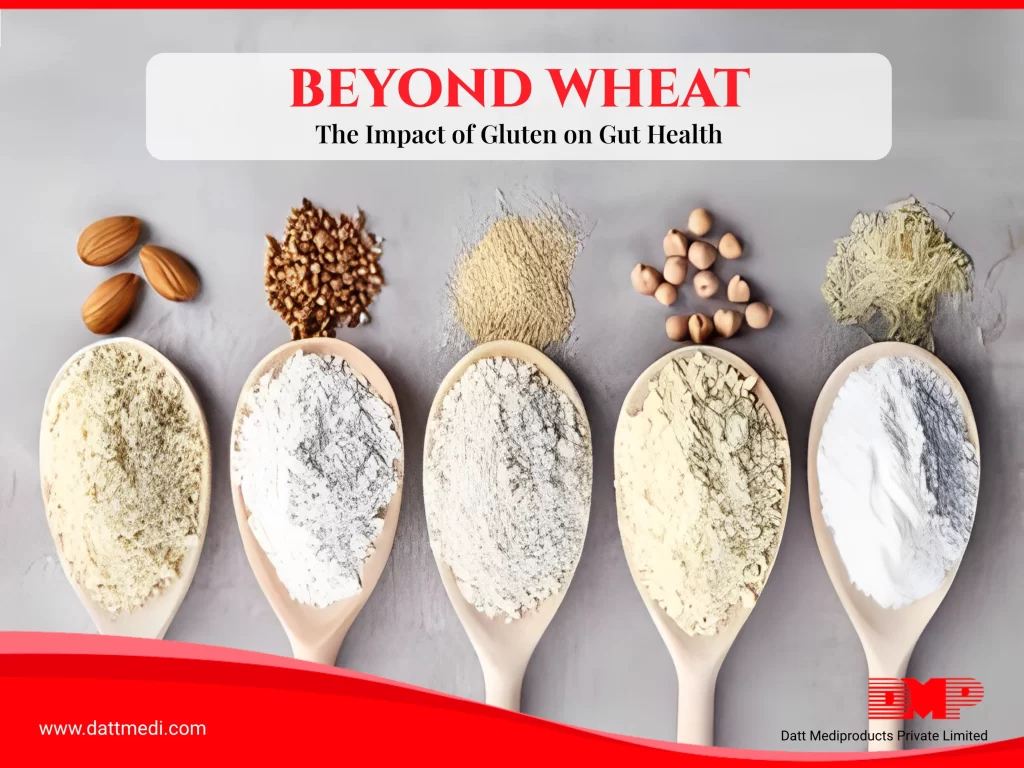
Beyond Wheat: The Impact of Gluten on Gut Health

In recent years, there has been a growing awareness of gluten and its impact on gut health. For individuals with gluten allergies, navigating the intricacies of a gluten-free lifestyle is crucial. In this blog, we delve into the nuances of gluten allergy, common sources of gluten, the basics of a gluten-free diet, and the myriad health benefits associated with making this dietary shift.

Understanding Gluten Allergy: Unravelling the Mystery

Gluten allergy, also referred to as gluten sensitivity or intolerance, is characterized by the immune system’s adverse reaction to the ingestion of gluten. Gluten, a protein present in wheat, barley, and rye, triggers various symptoms in affected individuals.

These symptoms encompass not only digestive issues, fatigue, and skin problems but also extend to a broader array of health concerns associated with gluten intolerance.

Digestive Issues:

Individuals with gluten allergies commonly experience digestive problems, including bloating, gas, abdominal pain, and diarrhea. The inflammatory response triggered by gluten can lead to disruptions in the digestive system.

Fatigue:

Gluten sensitivity may contribute to fatigue and lethargy. The body’s immune response to gluten can result in systemic inflammation, leading to feelings of tiredness and low energy levels.

Skin Problems:

Beyond the commonly recognized symptoms, gluten allergy can manifest in skin-related issues. Dermatitis herpetiformis is a specific skin condition linked to gluten intolerance, presenting as a blistering, itchy rash.

Neurological Symptoms:

Some individuals may experience neurological symptoms, including headaches, dizziness, and difficulty concentrating. These manifestations highlight the systemic impact of gluten on various bodily functions.

Joint Pain:

Gluten sensitivity has been associated with joint pain and inflammation. This connection underscores the need for a comprehensive understanding of gluten-related symptoms beyond the digestive system.

Gluten-Free Diet Basics: Nourishing Your Body Without Compromise

Adopting a gluten-free diet involves more than just eliminating specific grains. It requires a comprehensive understanding of naturally gluten-free foods. Fruits, vegetables, meat, fish, and dairy are safe choices. 

Gluten-Free Alternatives: Deliciously Diverse Options

Fortunately, the market is brimming with gluten-free alternatives that make the transition seamless. From gluten-free bread and pasta to snacks and baking ingredients, there are numerous choices available. Brands have gained popularity for their commitment to producing quality gluten-free products.

Medical Perspective: Navigating Gluten-Related Conditions with Expertise

To gain deeper insights into gluten-related conditions, it’s valuable to consult medical professionals or experts in the field. The latest research, treatment options, and advancements in managing gluten-related conditions should be discussed. Integrating medical perspectives enhances the credibility of the information provided.

Going beyond wheat and understanding the impact of gluten on gut health is a journey towards overall well-being. From recognizing symptoms to embracing a gluten-free lifestyle, individuals can navigate this path with knowledge and confidence, supported by the latest insights from medical professionals and the exciting array of gluten-free products in the market.

Stay informed, stay healthy!

Pick Healthy Comfort Foods

Eating your favourite meal should be a part of your healthy diet plan. If you like certain foods, then you should not deprive yourself of it.

Giving it up is not sustainable for long term goals, instead find ways to make it healthier.

(more…)
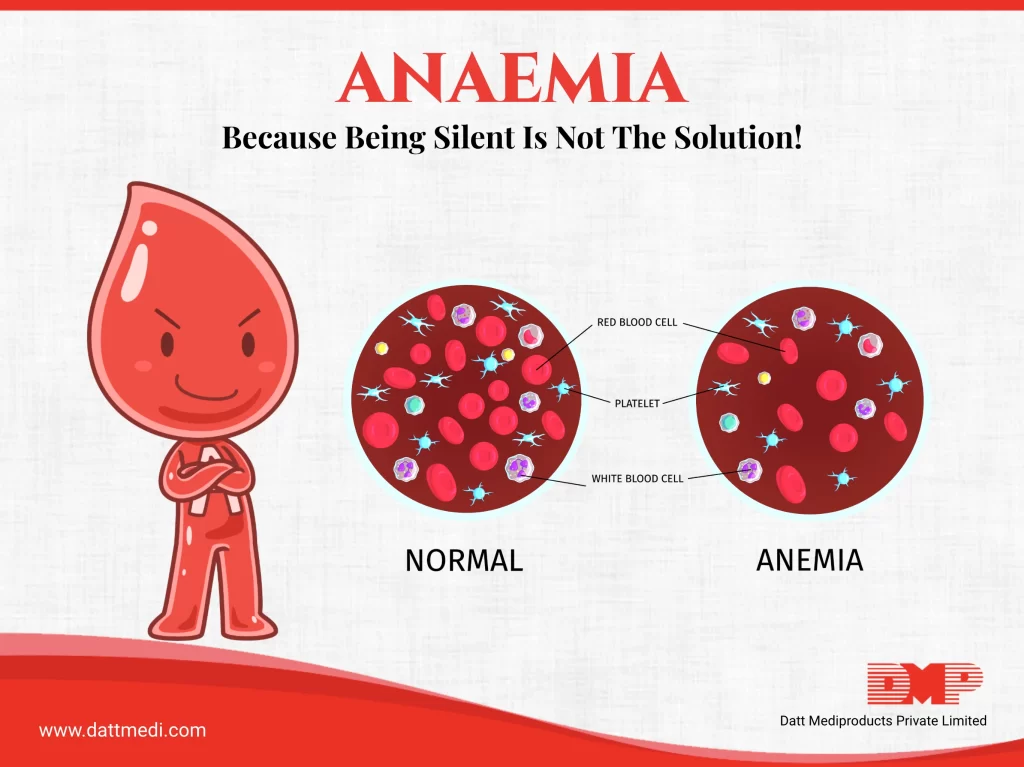
Anemia Because Being Silent Is Not The Solution!

Anaemia is a condition where there are not enough healthy red blood cells (RBCs) in the body. Our body needs Iron to make haemoglobin (HGB). HGB is a major protein of RBC and is responsible for carrying oxygen throughout the body. So as a result low HGB level means not enough oxygen supply is getting to the tissues and the organs leading to symptoms like fatigue and shortness of breath.

(more…)
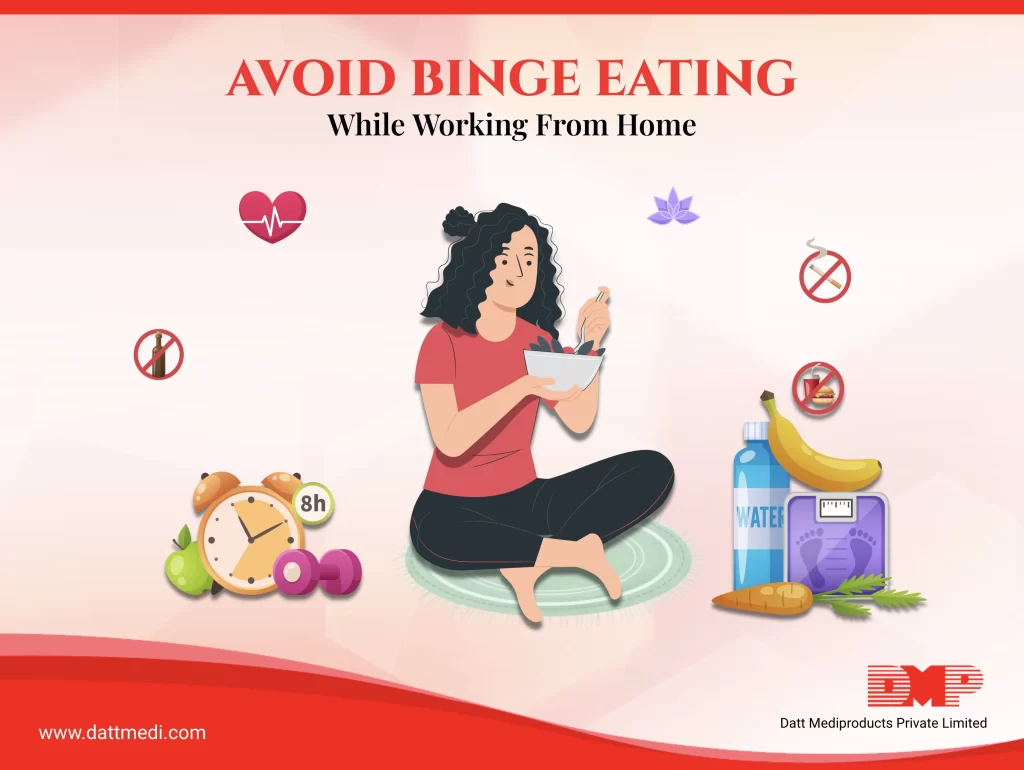
Eating Mindfully while working from Home

The ongoing covid-19 global pandemic is affecting our lives in a number of ways. Most of us have been spending a majority of our time at home. It can sometimes be hard to keep a balance on all aspects when working from home.

The easiest thing to give into, while stuck at home, is finding ways to satisfy our taste buds. It may be by cooking more sweets at home or snacking quite frequently. 

(more…)
Is SUGAR Good or Bad?

Our food contains carbohydrates, fats, and proteins. The carbohydrates consist of sugars and glucose. Sugars are an important source of energy for the human body. When carbohydrates consumption is low, glucose can also be made from fats and proteins.

Glucose is the most important sugar for the human body. It travels to various cells where it is used as an energy source to perform different bodily functions such as metabolic processes, temperature regulation, muscle contraction, relaxation, etc.

(more…)
Logo

Datt Mediproducts Private Limited

Loading