

Search by Blog
Read by Category

Your healing journey continues beyond this blog

Find the right products for better recovery at online store
Cart Image
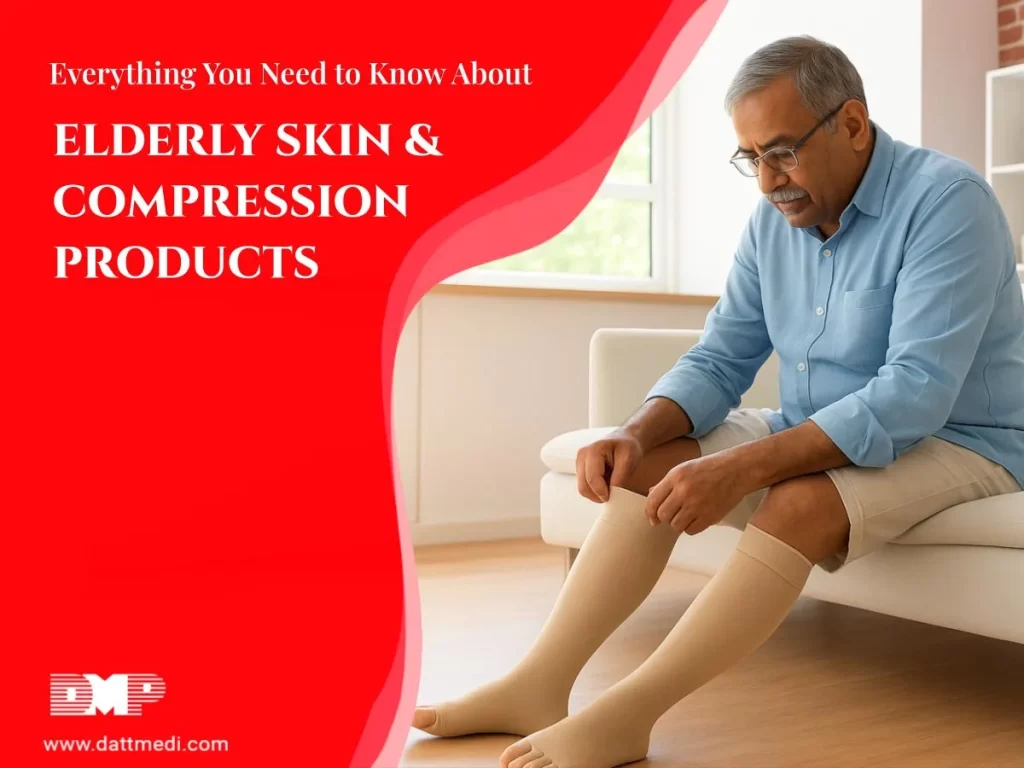
Elderly patient wearing soft compression stocking

Compression can be safe for some older adults with fragile skin, but the right product, pressure and fit matter. If circulation is reduced or the skin is extremely fragile, a healthcare professional should assess the leg before compression is used.

As we age, skin becomes thinner, drier and less elastic. This can make it easier to bruise, tear or become irritated from pressure and friction. That does not automatically mean compression must be avoided. It means the garment or bandage needs to be selected, applied and monitored carefully.

This blog explains how compression stockings and bandages differ, what to look for when skin is fragile, how to use compression more safely, and which warning signs mean you should stop and seek medical advice. 

Why Does Aging Skin Need Extra Care with Compression?

Older skin is more vulnerable to pressure, friction and skin damage, so fit and application become especially important.

Common changes in aging skin include:

  • Thinner skin
  • Reduced elasticity
  • Increased dryness
  • Greater tendency to bruise
  • Higher risk of skin tears
  • Slower recovery from skin damage
A compression garment that fits incorrectly or is applied roughly 
can create unnecessary pressure or friction. Regular skin checks
are therefore particularly important for older adults.

Are Compression Stockings or Bandages Better for Fragile Skin?

Neither option is automatically better. The choice depends on the person’s skin condition, swelling, limb shape, dexterity and the type of compression required.

FactorCompression StockingsCompression Bandages
PressureDesigned to provide a defined level of compressionDepends on the bandage system and application
FitRequires accurate measurementCan be adjusted around the limb
ApplicationMay be difficult for people with limited hand strength or mobilityOften requires correct wrapping technique
SwellingUseful when the limb can be fitted appropriatelyCan be useful when limb size changes
Fragile skinNeeds careful application to avoid pulling or frictionRequires careful wrapping without excessive pressure or folds

For someone who has difficulty putting on or removing a stocking, assistance or an appropriate application aid may be needed.

Read our guide on 
Compression Bandages vs. Compression Stockings
for a closer comparison.

What Should You Look for in Compression Products for Older Skin?

Accurate sizing, appropriate pressure and a comfortable material are three important considerations when skin is fragile.

1. Accurate fit

A garment that is too tight may create excessive pressure, while one that is too loose may not provide the intended support.

Leg measurements should be taken according to the manufacturer’s instructions. Our guide on Correct Measurement and Fit of Compression Garments explains the process in more detail.

2. Appropriate compression level

The correct compression level depends on the reason for compression, circulation, swelling and the person’s medical condition.

Do not assume that a stronger compression level is better. If someone has peripheral arterial disease, reduced sensation, significant skin problems or other medical conditions, professional assessment is particularly important before compression is used.

NICE recommends assessment for peripheral arterial disease when compression hosiery is being considered.

3. Skin-friendly material

Look for material that feels comfortable against the skin and does not create unnecessary rubbing or moisture build-up.

The garment should also sit smoothly against the leg rather than bunching into folds.

What Are the Risks of Incorrect Compression?

Poor fit, excessive pressure, wrinkles or rough application can contribute to skin irritation, pressure damage or circulation problems.

Possible problems include:

  • Redness or irritation
  • Pressure marks
  • Bruising
  • Skin tears
  • Blisters
  • Skin breakdown
  • Numbness or tingling
  • Reduced circulation when compression is inappropriate

The risk is particularly important when the person has reduced sensation and may not notice pressure or discomfort immediately.

How Can Older Adults Use Compression More Safely?

Apply compression gently, avoid wrinkles, check the skin regularly and follow the recommended wear instructions.

1. Apply it gently

Avoid pulling aggressively on fragile skin. Gloves or suitable donning aids may make application easier and reduce unnecessary friction.

2. Keep the skin moisturised

Dry skin can be more vulnerable to cracking and irritation. A suitable fragrance-free moisturiser can help maintain the skin barrier.

Allow moisturiser to absorb before applying compression, and follow the garment manufacturer’s care instructions.

3. Remove wrinkles and folds

Wrinkles can create concentrated areas of pressure.

After applying the garment or bandage, check that it sits smoothly and does not form tight folds.

4. Check the skin every day

Pay particular attention to:

  • Ankles
  • Heels
  • Shins
  • Toes
  • Behind the knees
  • Areas over bony prominences

Look for new redness, bruising, blisters, swelling or skin damage.

5. Follow professional advice on wear time

There is no single wear schedule that is right for everyone. Follow the instructions provided for the specific condition, product and compression level.

When Should Compression Be Avoided or Professionally Assessed?

People with circulation problems, reduced sensation, significant skin damage or certain heart conditions should receive professional advice before using compression.

Extra assessment may be needed when there is:

  • Known or suspected peripheral arterial disease
  • Significant loss of sensation or peripheral neuropathy
  • Very fragile or damaged skin
  • Open wounds or active skin infection
  • Significant or unexplained swelling
  • Heart failure or other significant cardiac conditions
  • A leg shape that makes correct fitting difficult
NICE notes that strong compression can affect arterial blood supply in people with peripheral arterial disease, which is why circulation assessment matters before compression is prescribed.

For people with venous leg ulcers, evidence reviewed by Cochrane indicates that compression can improve healing compared with no compression, although the evidence around adverse effects is less certain.

What Warning Signs Mean Compression Should Come Off?

Stop and seek medical advice if compression causes new or worsening symptoms such as significant pain, numbness, marked colour change, cold toes, blistering or skin damage.

Remove the garment or seek urgent medical assessment if you notice:

  • New numbness or tingling
  • Significant or increasing pain
  • Toes becoming unusually cold, pale or blue
  • New blisters or skin tears
  • Rapidly worsening swelling
  • Skin becoming damaged beneath the garment

Sudden one-sided leg swelling, pain, warmth or redness also needs prompt medical assessment because these symptoms can have causes that require urgent treatment, including a possible blood clot.

Do not simply increase or decrease compression yourself when symptoms appear. Get professional advice about the cause and the appropriate level of support.

Can Compression Help Older Adults with Swelling?

Compression can help manage certain types of leg swelling, particularly when swelling is related to venous or lymphatic problems, but the cause of swelling should be considered first.

Compression is not appropriate for every type of swelling.

If swelling is new, sudden, one-sided or accompanied by pain, warmth or redness, medical assessment is more important than simply applying compression.

For more information about how compression is used in wound care, 
Read our guide to Compression Therapy in Wound Healing.

Supporting Older Skin While Using Compression

Compression does not have to mean compromising skin comfort.

For older adults with fragile skin, the focus should be on:

  • Correct measurement
  • Appropriate compression
  • Gentle application
  • Smooth, wrinkle-free positioning
  • Regular skin checks
  • Professional assessment when medical conditions are present

When these factors are considered, compression can be used appropriately as part of care for some older adults.

For everyday venous support, explore Velcare® Varicose Vein Compression Stockings. For adjustable compression support, explore the DMP Compression Bandage range.
Related Reading

Visit www.dattmedi.com for more infomation.
Share:

Frequnently Asked Questions

Some older adults can use compression stockings safely, but fragile skin requires careful fitting, gentle application and regular skin checks. Professional assessment is particularly important when circulation, sensation or skin integrity is affected.

There is no single compression level that is appropriate for every older adult. The correct level depends on the reason for compression, circulation, swelling, skin condition and other medical factors.

They can contribute to skin damage if they are poorly fitted, applied roughly, or create excessive pressure or friction. Gentle application, correct sizing and regular skin inspection can help reduce the risk.

Not necessarily. Bandages and stockings have different advantages, and the appropriate choice depends on the person’s swelling, skin condition, limb shape, ability to apply the product and required compression.

Not automatically. Wear time depends on the person’s condition, the type of compression and the instructions provided by their healthcare professional or product guidance.

Recent Blogs
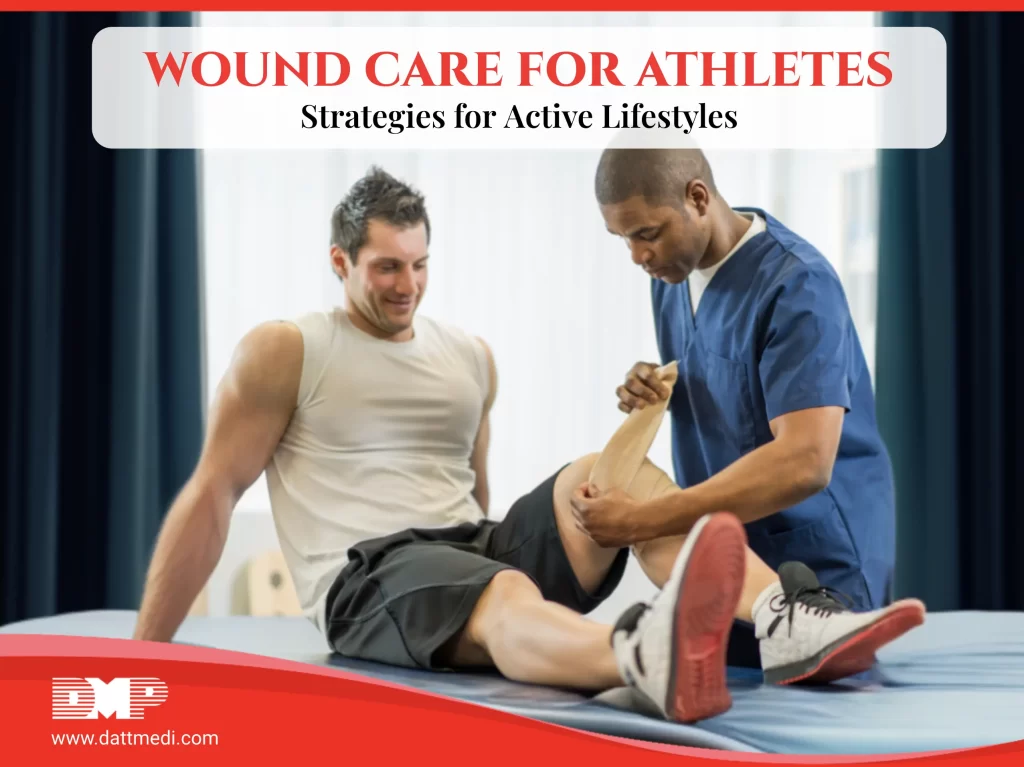
Wound Care for Athletes

Peak Performance, Optimal Recovery: A Guide to Wound Care in Sports

Athletes constantly push their bodies to the limit, making them more prone to injuries and wounds. From minor cuts and bruises to more serious sprains and strains, managing these injuries effectively is crucial for maintaining peak performance and ensuring a swift recovery. This blog delves into effective wound care strategies for athletes and highlights how the innovative Velcool® cooling and compression bandage can play a pivotal role in their recovery.

Understanding Common Athletic Injuries

Athletic activities can lead to a variety of injuries, including:

  • Sprains and Strains: Overstretching or tearing of ligaments and muscles.
  • Bruises: Caused by impact, leading to bleeding under the skin.
  • Cuts and Abrasions: Resulting from falls or contact with rough surfaces.
  • Overuse Injuries: Such as tendonitis, caused by repetitive motion.

The RICE Method: A Foundation for Acute Injury Management

The RICE method is a tried-and-true approach for managing acute sports injuries. It stands for Rest, Ice, Compression, and Elevation, each component playing a vital role in minimizing damage and speeding up recovery.

  • Rest: Essential to prevent further injury and allow the body to begin the healing process. Avoiding stress on the injured area helps prevent exacerbation of the damage.
  • Ice: Applying ice reduces pain and inflammation by constricting blood vessels, limiting blood flow to the affected area.
  • Compression: Helps reduce swelling and provides support to the injured tissue by limiting fluid accumulation around the injury.
  • Elevation: Keeping the injured part above the level of the heart reduces swelling, associated pain, and discomfort.

Introducing Velcool® : Enhancing the RICE Method

Velcool®  is a state-of-the-art cooling and compression bandage that adheres perfectly to the principles of the RICE method. It offers several benefits that make it an indispensable tool for athletes.

Strategies for Effective Wound Care in Athletes

1. Immediate Attention:

  • Address injuries immediately to prevent them from worsening.
  • Use products like Velcool® for instant cold and compression therapy.

2. Proper Cleansing:

  • Clean cuts and abrasions thoroughly to prevent infection.
  • Use antiseptic solutions and keep the wound covered with sterile dressings.

3. Monitor Healing:

  • Regularly check the injury for signs of infection or complications.
  • Adjust the level of activity based on the healing progress.

4. Nutrition and Hydration:

  • 4a. Maintain a balanced diet rich in proteins, vitamins, and minerals to support the healing process.
  • 4b. Stay hydrated to promote overall health and recovery.

5. Gradual Return to Activity:

  • Gradually reintroduce physical activity to avoid re-injury.
  • Follow a rehabilitation plan designed by a healthcare professional.

Effective wound care is vital for athletes to maintain their active lifestyles and ensure quick recovery from injuries. The RICE method provides a solid foundation for managing acute injuries, and innovations like the Velcool® cooling and compression bandage enhance this approach. By incorporating these strategies and utilizing advanced products, athletes can minimize downtime, promote healing, and get back to their peak performance levels swiftly.

For athletes and sports enthusiasts, embracing the right wound care techniques and products like Velcool® can make a significant difference in their overall health and performance. Stay active, stay safe, and ensure your body gets the care it deserves.

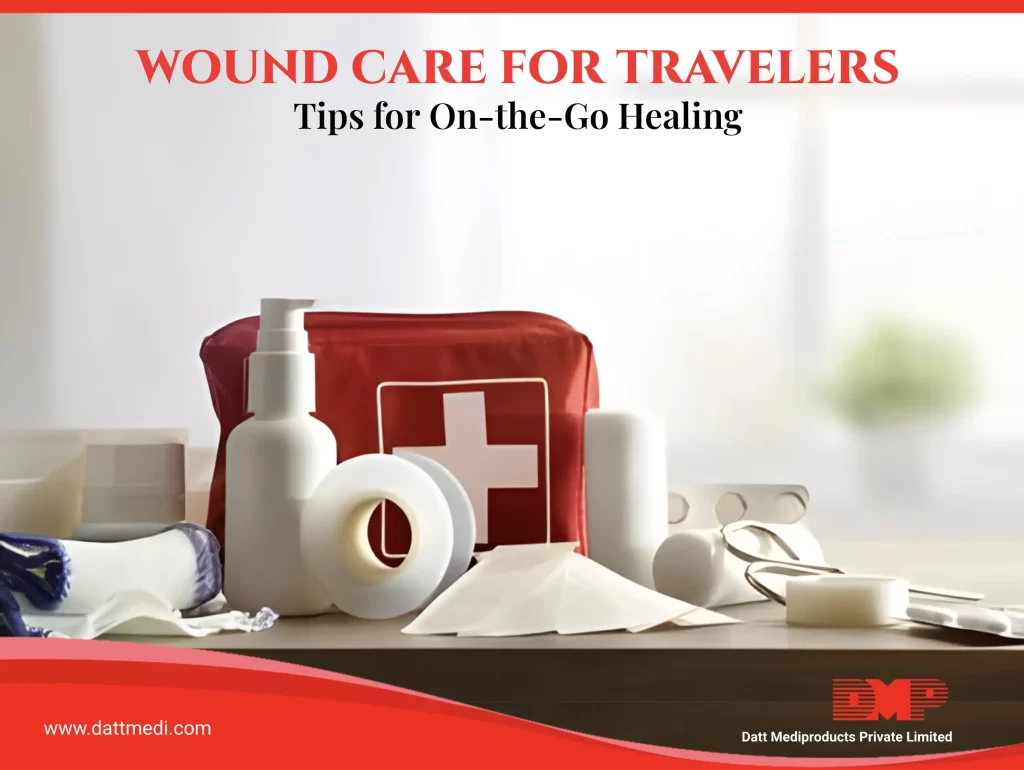
Wound Care for Traveler's: Tips for On-the-Go Healing

Wound Care for Travelers: Tips for On-the-Go Healing

As travelers, we often find ourselves exploring new landscapes, engaging in adventurous activities, or simply navigating bustling city streets. With such dynamic experiences comes the risk of minor injuries or wounds. Whether it’s a scraped knee from hiking, a blister from walking, or a cut from exploring unfamiliar terrain, proper wound care is essential to ensure a smooth and safe journey.

In this blog, we’ll explore key considerations for travelers when it comes to wound care, focusing on portability, convenience, and effectiveness in various environments.

Portability and Convenience:

When traveling, space in our bags is precious, and carrying bulky medical supplies is often impractical. Opt for compact wound care products that are lightweight and easily portable. Look for individually wrapped items or travel-sized kits that include essentials like adhesive bandages, antiseptic wipes, and gauze pads. These items should be readily accessible in your travel bag or first aid kit, ensuring quick access in case of emergencies. Consider adding our woven cohesive moderate compression bandage- Velsoft®-Plus to your kit for added support and compression.

Adhesive Strength for Active Movement:

Travelers are often on the move, whether hiking through rugged terrain, exploring urban environments, or engaging in water activities. Therefore, it’s crucial to choose wound dressings with strong adhesive properties that can withstand active movement. Look for adhesive bandages specifically designed for sports or active lifestyles, as they offer enhanced durability and stay in place even during rigorous physical activities. 

DO YOU KNOW –
Our product Velsoft®-Plus provides self-adhesive, non-sticky support, ideal for active movement for the travelers on the go.

Moisture Control for Varied Environments:

Traveling exposes us to diverse climates and environments, from humid tropical regions to arid deserts. Proper moisture control is essential for promoting optimal wound healing and preventing infection. Consider using advanced wound dressings with moisture-absorbing capabilities, such as hydrocolloid or foam dressings. These dressings create a moist wound environment conducive to healing while also providing a barrier against external contaminants.

Protection Against Environmental Contaminants:

Traveling exposes us to various environmental hazards, including dirt, dust, bacteria, and other contaminants. Ensure your wound care products offer adequate protection against these elements. Waterproof and breathable dressings are ideal for maintaining a clean and sterile environment around the wound, preventing contamination from external sources. Additionally, antiseptic wipes or sprays can be used to cleanse the wound and surrounding skin, reducing the risk of infection. Velsoft®-Plus bandage provides significant levels of pressure up to 20-30 mmHg, aiding in the management of mild sprains and strains while offering protection against contaminants.

Ease of Application and Removal:

In the midst of travel adventures, simplicity is key. Choose wound care products that are easy to apply and remove, even in challenging conditions. Adhesive bandages with built-in applicators or tabs make it effortless to secure them in place, while non-stick dressings facilitate pain-free removal without disrupting the healing process. Consider the practicality of the products you choose, ensuring they can be applied and removed with minimal fuss. Our Velsoft®-Plus  bandages are self-adhesive and non-sticky to hair or skin, ensuring hassle-free application and removal.

Versatility for Different Wound Types:

Travelers encounter a variety of wounds, from minor cuts and scrapes to blisters and burns. Therefore, it’s essential to have versatile wound care products that can address different types of injuries effectively. Multi-purpose dressings, such as sterile gauze pads or adhesive hydrogel sheets, are valuable additions to your travel first aid kit. These products can be used for wound cleansing, protection, and absorption, providing comprehensive care for various injuries. 

Traveling presents countless opportunities for adventure and exploration, but it also comes with the risk of minor injuries and wounds. By prioritizing portability, convenience, and effectiveness in wound care products, travelers can ensure they’re prepared to handle unexpected mishaps while on the go. Whether trekking through rugged landscapes or strolling through bustling city streets, proper wound care is essential for a safe and enjoyable travel experience. With the right products and preparation, travelers can embark on their journeys with confidence, knowing they have the tools to address any bumps along the way.

Logo

Datt Mediproducts Private Limited

Loading
Buy Now Contact Us