
Search by Blog
Read by Category

Your healing journey continues beyond this blog

Find the right products for better recovery at online store
Cart Image
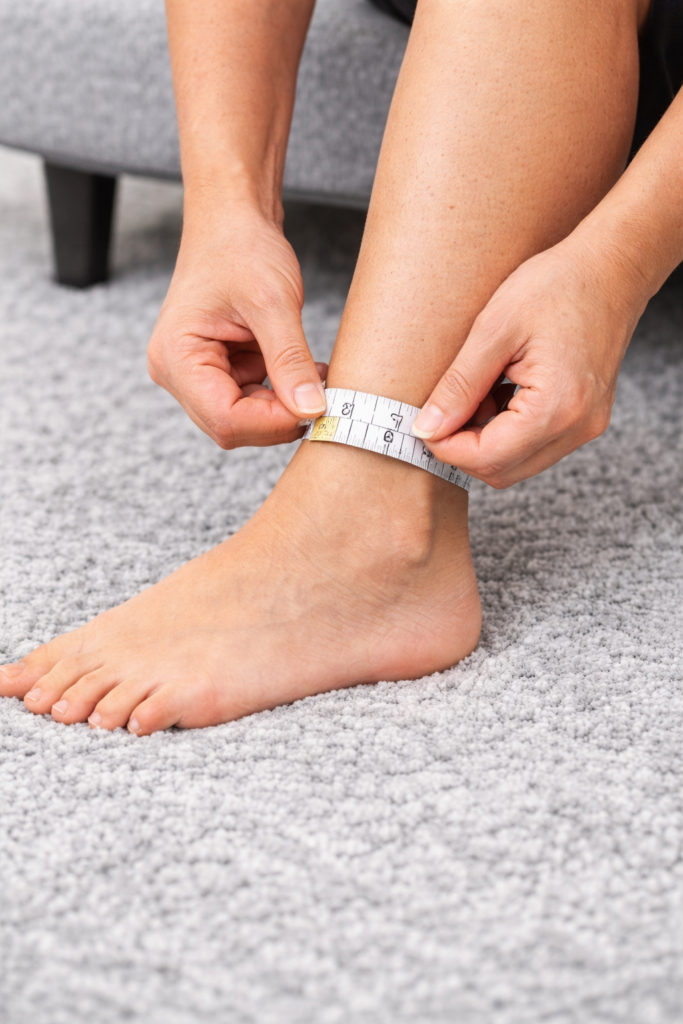
Measuring leg circumference for compression garment sizing

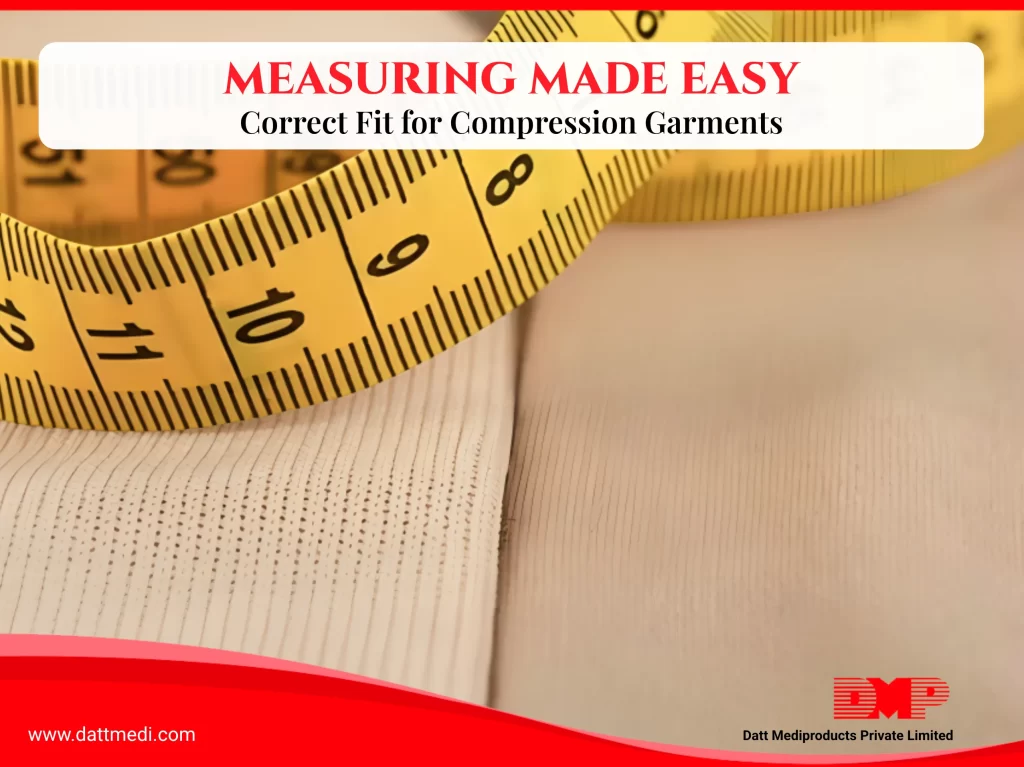
A well-fitted compression garment supports movement, reduces swelling, and improves overall comfort during recovery. Even small measurement errors can affect its effectiveness. Whether you are a patient, caregiver, clinician, or distributor, understanding how to measure compression garments correctly ensures safe therapy and reliable results.

For suitable options, check our Compression Stockings Collection.

1. Why the Right Measurement and Fit Matters

Compression garments apply controlled pressure along the limb. The correct size ensures even pressure distribution and therapeutic effectiveness.

Benefits of Proper Fit:

  • Reduces swelling and discomfort
  • Improves blood and lymph circulation
  • Supports healing after injury, surgery, or chronic conditions
  • Makes daily activities like walking, standing, or sitting more comfortable
Example: Someone managing mild swelling or early varicose veins often feels lighter and more supported when using a properly sized garment, following a reliable compression stocking size guide.

2. Tools You Need for Accurate Measurement

Accurate sizing doesn’t require advanced tools.

You need:

  • A soft measuring tape
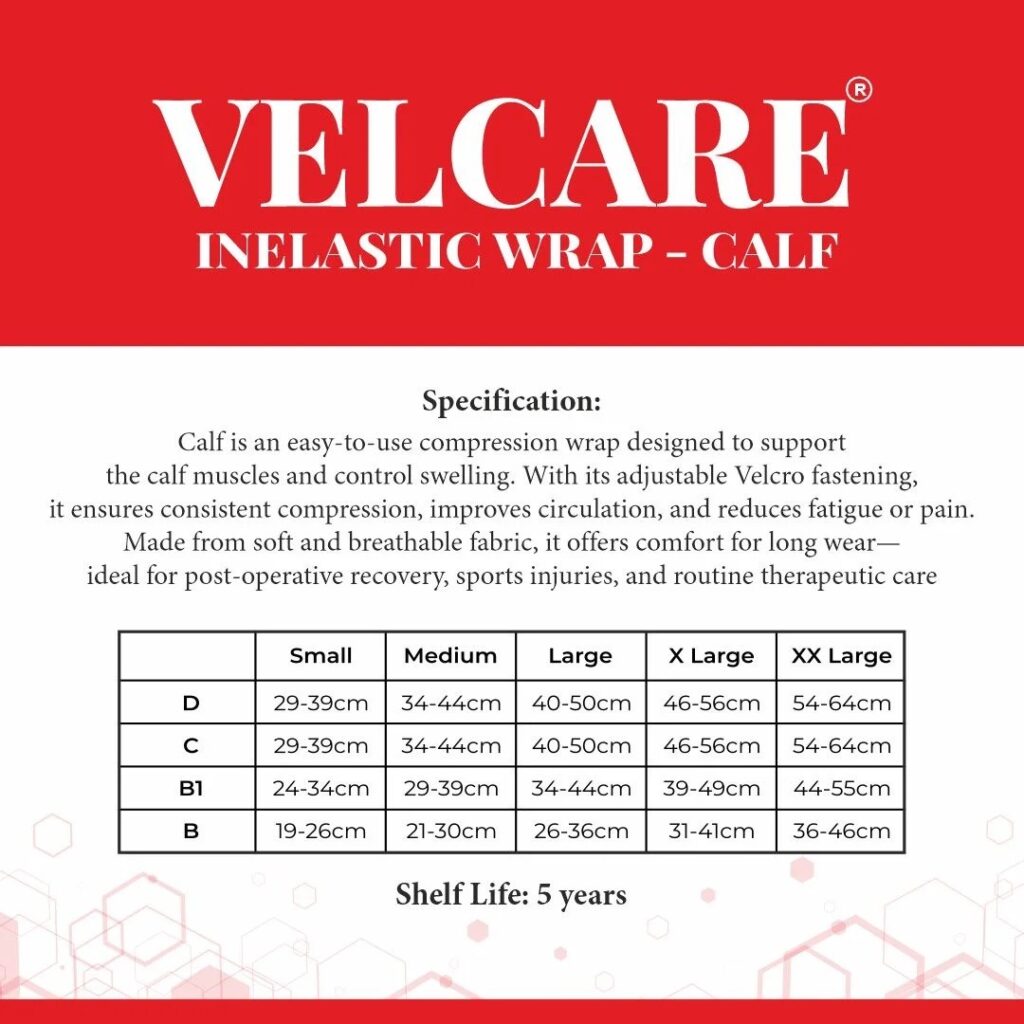
  • Manufacturer’s compression measurement chart or sizing guide
  • Notebook or phone to record values
  • Mirror or assistance for hard-to-reach areas
  • Good lighting for accurate readings
These simple tools help follow a medical compression garment sizing guide and reduce measurement errors.

3. Step-by-Step Guide: How to Measure Correctly

i) Ankle: Measure the narrowest point above the ankle bone.

ii) Calf: Measure the widest part of the calf for proper fit and support, including wide-calf users.

iii) Thigh (for thigh-high garments): Measure the thickest part of the thigh to avoid rolling and ensure secure fit.

Leg Length:

  • Knee-high: heel to just below the knee crease
  • Thigh-high: heel to the top of the thigh
iv) Arms (for sleeves/supports): Measure wrist, forearm, upper arm, and arm length. This ensures smooth, even compression from wrist to shoulder.

Quick Tips: 

  • Measure early in the morning when swelling is minimal.
  • Sit comfortably, keep tape snug, measure twice, and avoid measuring over clothes.

4. Common Fitting Mistakes to Avoid

  • Too Tight: Can cause numbness, tingling, or deep marks.
  • Too Loose: Slipping or wrinkling reduces effectiveness.
  • Incorrect Length: Too short rolls or digs in; too long bunches or slides down.
  • Not Rechecking: Limb size changes due to swelling, healing, or weight changes—regular measurement is important.

For reference, see our Compression Stockings Size Chart India.
5. When to Consult a Healthcare Professional

Specialists can confirm the correct compression level and ensure measurements match your condition, especially after surgery or for vascular issues.

Consult if you notice:

  • Persistent or increasing swelling
  • Discomfort while wearing the garment
  • Size falling between two chart options
  • Post-surgical changes
  • Conditions like diabetes or vascular disorders

Professional guidance ensures safe and effective therapy, particularly when using compression garments for varicose veins.

Accurate measurements are the foundation of effective compression therapy. Using simple tools, careful technique, and a trusted compression stocking size guide ensures your garment fits comfortably and supports healing. When unsure, consulting a healthcare professional provides confidence and safer results.
Visit www.dattmedi.com for more infomation.
Share:

Frequnently Asked Questions

Correct sizing ensures safe, even pressure along the limb, reduces swelling, improves circulation, and enhances comfort. Referring to a compression measurement chart helps select the most accurate size. Learn more in our Compression Stockings Collection.

A soft measuring tape and sizing guide are essential. Following a trusted medical compression garment sizing guide ensures precise measurement. Check our Compression Garment Sizing Guide for reference.

Measure the narrowest point above the ankle, the widest part of the calf, and the thickest part of the thigh for thigh-high garments. Use a reliable compression stocking size guide like our Compression Stockings Collection to select the right size.

Avoid measuring over clothes, pulling the tape too tightly, or using outdated measurements. Measure in the morning when swelling is minimal and refer to a trusted size guide, such as our Compression Garments for Varicose Veins.

A proper fit feels snug but not painful, without rolling, slipping, or causing numbness. Recheck your measurements using our Compression Stockings Size Chart India if unsure.

Recent Blogs
Overcoming Delayed Healing

Overcoming Delayed Healing: Common Causes and Practical Tips

Healing is a natural process—but sometimes, wounds don’t heal as quickly as expected. Delayed healing can impact physical comfort, increase the risk of infection, and reduce quality of life. 

The good news…
Many common causes of delayed healing can be managed with simple lifestyle adjustments. Let’s explore these causes and discover actionable tips for improving the healing process.

Understanding Delayed Healing

Wound healing is influenced by various factors—some within our control, others that may require professional intervention. Identifying these causes is the first step toward a faster, more efficient recovery.

Common Causes of Delayed Healing

  • Poor Nutrition: Lack of essential nutrients, such as proteins, amino acids, fatty acids, carbohydrates, vitamins (A, C & E) and micronutrients (magnesium and zinc) to name a few, slows tissue repair by affecting one or more phases of the wound healing process.
  • Inadequate Hydration: Dehydration impairs skin regeneration.
  • Underlying Health Conditions: Conditions like diabetes, diabetes associated neuropathy, vascular diseases, or immune disorders can complicate healing.
  • Smoking or Alcohol Consumption: These enhance host susceptibility to infections that lead to impaired angiogenesis thereby reducing blood flow and oxygen delivery to tissues which are essential for wound healing.
  • Stress and Poor Sleep: Disrupt hormone balance and deregulate the immune system, which directly affects recovery. Additionally, stressed individuals are more likely to develop unhealthy habits such as inadequate nutrition, smoking, less exercise, poor sleep patterns; negatively modulating the healing mechanism.
  • Infection or Repeated Trauma to the Wound: Can significantly hinder the healing process. Microorganisms obtain easy access to the underlying tissues when skin is injured. The presence of replicating microorganisms in the wound elongates the inflammatory phase of the wound healing process. This can lead to the wound to enter into a chronic state with significant delay in wound healing.

Nutrition & Hydration Matter

Proper nutrition is essential for healing.

Incorporate the following into your diet:

  • Lean proteins (eggs, fish, legumes) for tissue repair
  • Fresh fruits and vegetables for vitamins and antioxidants
  • Whole grains to support energy levels and tissue growth
Tip: Staying well-hydrated ensures nutrients are transported to your cells, promoting faster healing and flushing out toxins.

Sleep & Stress Management

Proper rest accelerates healing. Focus on these habits:

  • Aim for 7–9 hours of sleep each night.
  • Practice mindfulness or relaxation techniques to reduce stress.
  • Limit screen time and caffeine before bed to enhance sleep quality.

Did You Know? Chronic stress raises cortisol levels, slowing wound recovery.

Daily Movement & Gentle Activity

Physical activity promotes circulation, which helps deliver oxygen and nutrients to healing tissues:

  • Engage in light activities, like short walks, if possible.
  • Avoid putting pressure on the wound site, and take care to avoid friction.
  • Elevate limbs to reduce swelling.
Important: Always follow your healthcare provider’s advice regarding movement and wound care.

Basic Wound Hygiene

Maintaining wound hygiene is crucial:

  • Keep the wound clean and protected with proper dressings.
  • Change dressings regularly, as advised by your healthcare provider.
  • Avoid touching or scratching the wound area.
Pro Tip: Wash your hands thoroughly before and after touching a wound to reduce infection risk.

When to Seek Help

If your wound isn’t healing as expected or you get fever or flu-like symptoms or the wound shows signs of infection (such as increased redness, heat, swelling, pus, or a foul odor), seek professional medical guidance. Conditions like diabetes or circulatory issues may require specialized wound care.

Take Small Steps Toward Better Healing

Every small change—from better hydration to taking a short walk—adds up. By staying informed and committed to your healing process, you give your body the best chance to recover naturally.

Empowering You with the Right Solutions

At Datt Mediproducts, we understand the importance of optimal healing. While we don’t provide medical treatment, our advanced wound care solutions are designed to support your recovery by offering comfort, protection, and care where it matters most.

Top Misconceptions About Compression Therapy

Top Misconceptions About Compression Therapy

Compression therapy is a widely used treatment method that helps improve circulation, reduce swelling & pain, and support faster healing. However, many people hesitate to use it due to common misconceptions. Let’s clear up these myths and highlight the true benefits of compression therapy.

What Is Compression Therapy?

Compression therapy involves wearing specially designed garments, such as stockings, wraps or bandages, that apply gentle pressure to the legs or other affected areas. This pressure promotes blood flow, prevents fluid buildup, and supports overall vascular health. It is commonly used for conditions arising due to chronic venous insufficiency such as varicose veins, venous varicosities/ leg ulcers, lymphedema or in cases of deep vein thrombosis (DVT) and post surgery recovery

Myth 1: Compression Therapy Is Only for the Elderly

Fact: While older adults commonly use compression therapy to manage venous disorders, it benefits people of all ages. Athletes use compression garments for muscle recovery, travelers wear them to prevent blood clots, and individuals with jobs requiring prolonged standing or sitting rely on them to reduce leg fatigue.

Myth 2: Compression Therapy Causes Discomfort

Fact: Properly fitted compression garments should feel snug but not painful. Modern compression products are designed for comfort, with breathable materials and graduated pressure to provide support without restricting movement. If discomfort occurs, it often means the compression level or size is incorrect.

Myth 3: Compression Therapy Is Only for Post-Surgery Recovery

Fact: While it is beneficial post-surgery to reduce swelling and promote faster healing, compression therapy is also widely used for the management of chronic conditions like varicose veins, lymphedema, and even general leg fatigue. It can also be used as a  preventive measure for individuals at risk of circulation problems. It can prevent leg swelling in people with sedentary lifestyles or situations like long flights; prevention of venous thromboembolism in immobile patients, and recurrence of venous leg ulcers in older adults.

Myth 4: Compression Therapy Will Make Your Legs Look Bulky

Fact: Compression garments have evolved significantly. Modern designs are sleek, lightweight, and available in different styles and colors, making them easy to wear under clothing without appearing bulky.

Myth 5: Compression Therapy Can Lead to Blood Clots

Fact: When used correctly, compression therapy actually helps prevent blood clots by promoting healthy circulation. Medical professionals often recommend it for people at risk of DVT, especially during long flights or post-surgery recovery.

Myth 6: Compression Therapy Is Only for People With Varicose Veins

Fact: While varicose veins are a common reason for using compression therapy, it is also beneficial for individuals with chronic venous insufficiency, lymphedema, post-exercise recovery, chronic pain, poor circulation, athletes and even pregnancy-related swelling.

Myth 7: Compression Therapy Is a Short-Term Solution

Fact: Compression therapy can be used for both short-term and long-term management of symptoms & to prevent further complications depending on the condition. Many individuals with chronic venous conditions or circulation issues incorporate it into their daily routines for continuous benefits.

The Truth About Compression Therapy

Compression therapy is a versatile and effective treatment that goes beyond age or specific medical conditions. By dispelling these myths, we can appreciate how compression bandages and garments enhance circulation, reduce swelling, and promote healing across all age groups and lifestyles.

Looking for reliable compression solutions?

Explore our range of high-quality compression solutions for effective support, enhanced comfort, and improved circulation in daily life.

Logo

Datt Mediproducts Private Limited

Loading