

Search by Blog
Read by Category

Your healing journey continues beyond this blog

Find the right products for better recovery at online store
Cart Image
Measuring leg circumference for compression garment sizing

A well-fitted compression garment supports movement, reduces swelling, and improves overall comfort during recovery. Even small measurement errors can affect its effectiveness. Whether you are a patient, caregiver, clinician, or distributor, understanding how to measure compression garments correctly ensures safe therapy and reliable results.

For suitable options, check our Compression Stockings Collection.

1. Why the Right Measurement and Fit Matters

Compression garments apply controlled pressure along the limb. The correct size ensures even pressure distribution and therapeutic effectiveness.

Benefits of Proper Fit:

  • Reduces swelling and discomfort
  • Improves blood and lymph circulation
  • Supports healing after injury, surgery, or chronic conditions
  • Makes daily activities like walking, standing, or sitting more comfortable
Example: Someone managing mild swelling or early varicose veins often feels lighter and more supported when using a properly sized garment, following a reliable compression stocking size guide.

2. Tools You Need for Accurate Measurement

Accurate sizing doesn’t require advanced tools.

You need:

  • A soft measuring tape
  • Manufacturer’s compression measurement chart or sizing guide
  • Notebook or phone to record values
  • Mirror or assistance for hard-to-reach areas
  • Good lighting for accurate readings
These simple tools help follow a medical compression garment sizing guide and reduce measurement errors.

3. Step-by-Step Guide: How to Measure Correctly

i) Ankle: Measure the narrowest point above the ankle bone.

ii) Calf: Measure the widest part of the calf for proper fit and support, including wide-calf users.

iii) Thigh (for thigh-high garments): Measure the thickest part of the thigh to avoid rolling and ensure secure fit.

Leg Length:

  • Knee-high: heel to just below the knee crease
  • Thigh-high: heel to the top of the thigh
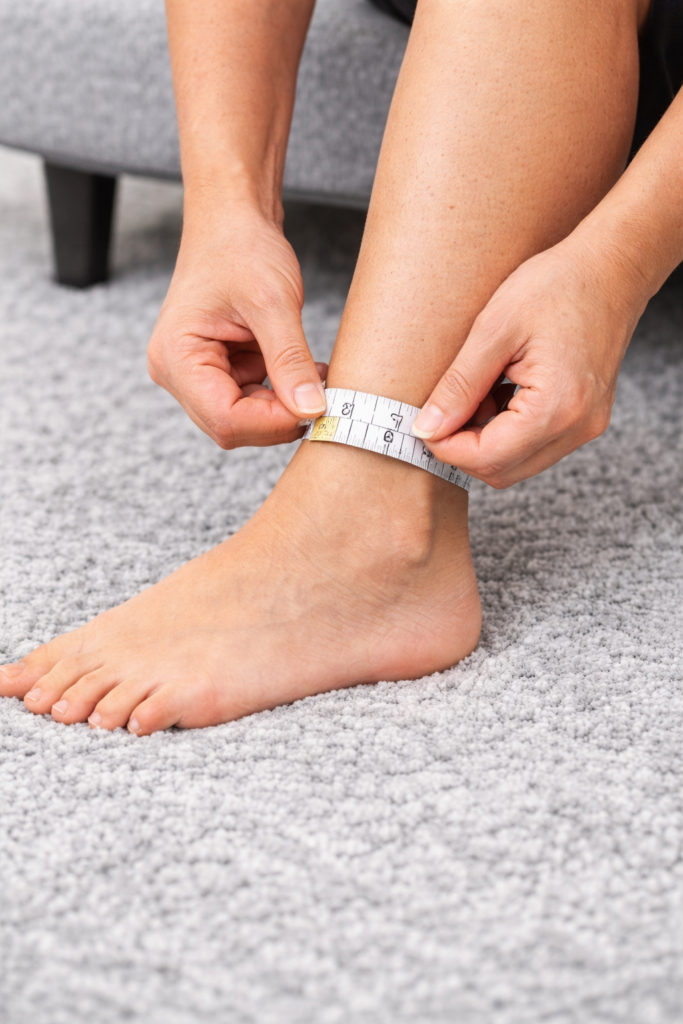
iv) Arms (for sleeves/supports): Measure wrist, forearm, upper arm, and arm length. This ensures smooth, even compression from wrist to shoulder.

Quick Tips: 

  • Measure early in the morning when swelling is minimal.
  • Sit comfortably, keep tape snug, measure twice, and avoid measuring over clothes.

4. Common Fitting Mistakes to Avoid

  • Too Tight: Can cause numbness, tingling, or deep marks.
  • Too Loose: Slipping or wrinkling reduces effectiveness.
  • Incorrect Length: Too short rolls or digs in; too long bunches or slides down.
  • Not Rechecking: Limb size changes due to swelling, healing, or weight changes—regular measurement is important.

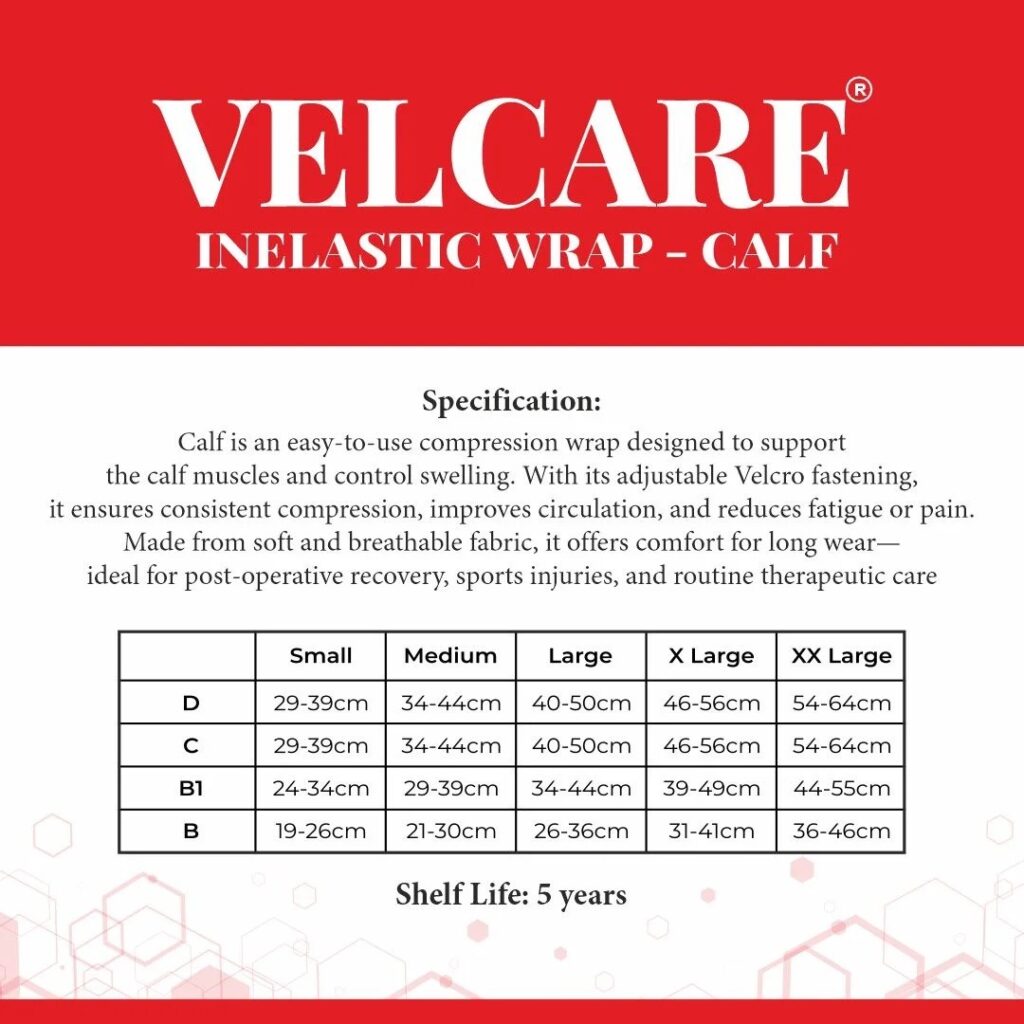
For reference, see our Compression Stockings Size Chart India.
5. When to Consult a Healthcare Professional

Specialists can confirm the correct compression level and ensure measurements match your condition, especially after surgery or for vascular issues.

Consult if you notice:

  • Persistent or increasing swelling
  • Discomfort while wearing the garment
  • Size falling between two chart options
  • Post-surgical changes
  • Conditions like diabetes or vascular disorders

Professional guidance ensures safe and effective therapy, particularly when using compression garments for varicose veins.

Accurate measurements are the foundation of effective compression therapy. Using simple tools, careful technique, and a trusted compression stocking size guide ensures your garment fits comfortably and supports healing. When unsure, consulting a healthcare professional provides confidence and safer results.

Visit www.dattmedi.com for more infomation.
Share:

Frequnently Asked Questions

Correct sizing ensures safe, even pressure along the limb, reduces swelling, improves circulation, and enhances comfort. Referring to a compression measurement chart helps select the most accurate size. Learn more in our Compression Stockings Collection.

A soft measuring tape and sizing guide are essential. Following a trusted medical compression garment sizing guide ensures precise measurement. Check our Compression Garment Sizing Guide for reference.

Measure the narrowest point above the ankle, the widest part of the calf, and the thickest part of the thigh for thigh-high garments. Use a reliable compression stocking size guide like our Compression Stockings Collection to select the right size.

Avoid measuring over clothes, pulling the tape too tightly, or using outdated measurements. Measure in the morning when swelling is minimal and refer to a trusted size guide, such as our Compression Garments for Varicose Veins.

A proper fit feels snug but not painful, without rolling, slipping, or causing numbness. Recheck your measurements using our Compression Stockings Size Chart India if unsure.

Recent Blogs
Comparing Orthopedic Casts

When it comes to managing fractures, the choice of cast material can make a significant difference in a patient’s recovery experience. Orthopaedic casts are essential in ensuring that broken bones heal correctly by providing the necessary immobilization. Two popular options in the medical field are Fiberglass and Plaster of Paris (POP) bandages. But how do they compare? Let’s dive into the details.

A. Material Composition: The Building Blocks

The fundamental difference between these two types of bandages begins with what they are made of:

  • Fiberglass is a synthetic material, made from plastic fibers coated with a resin. It’s known for being lightweight and is often available in various colors, which can add a bit of personality to an otherwise clinical experience.
  • Plaster of Paris is made from a fine white powder called gypsum. When mixed with water, it forms a thick paste that hardens as it dries.

B. Application Process: Ease vs. Skill

Applying these bandages requires different techniques:
  • Fiberglass bandages are dipped in water, applied to the injury, and begin hardening almost immediately, which allows for quick and efficient application. This makes it easier for healthcare providers to mold it perfectly to the patient’s body.
  • Plaster of Paris bandages need to be soaked in water and take longer to set. While they require more skill to apply, they offer a smooth finish that many patients find comfortable.

C. Durability and Strength: Which Lasts Longer?

When considering durability:
  • Fiberglass is the champion of strength. Its resistance to wear and tear makes it ideal for active individuals or cases requiring long-term immobilization.
  • Plaster of Paris is less durable, with a tendency to chip over time, making it better suited for short-term casts or initial treatments.

D. Comfort and Breathability: Feeling at Ease

Comfort is a top priority for patients who need to wear a cast for an extended period:
  • Fiberglass is lighter and less bulky, which adds to the patient’s comfort. However, it can sometimes be less breathable, leading to potential discomfort in hot or humid climates.
  • Plaster of Paris is bulkier and heavier, but it’s smooth finish can be more comfortable for some, allowing the skin to breathe better.

E. Setting Time and Ease of Use: Quick vs. Steady

The time it takes for a cast to set is crucial:
  • Fiberglass sets in just a few minutes, enabling patients to resume limited activities sooner.
  • Plaster of Paris takes much longer, often up to 15 minutes, which can be a disadvantage when immediate mobility is needed.

F. Water Resistance and Hygiene: Keeping It Clean

Hygiene is another critical factor:
  • Fiberglass is water-resistant, making it easier to maintain and less likely to harbour bacteria.
  • Plaster of Paris does not resist water and can easily disintegrate if exposed to moisture, requiring patients to take extra precautions to keep it dry.

G. Cost and Accessibility: Budget Matters

Cost and availability can influence the choice:
  • Fiberglass is typically more expensive and may not be available in all healthcare settings.
  • Plaster of Paris is more affordable and widely accessible, making it the go-to option in many clinics and hospitals, especially in resource-limited settings.

H. Environmental Impact: Think Green

With growing awareness about environmental impact:
  • Fiberglass, being a synthetic material, is less eco-friendly and can pose disposal challenges.
  • Plaster of Paris is derived from natural materials and is more environmentally friendly, though proper disposal is still necessary.

I. Clinical Applications: The Right Cast for the Right Case

  • Fiberglass is often recommended for long-term use and in cases where the patient is likely to remain active.
  • Plaster of Paris is ideal for short-term immobilization or initial treatments, particularly when budget constraints are a concern.

Making the Right Choice : Choosing between Fiberglass and Plaster of Paris bandages depends on several factors, including the patient’s lifestyle, the duration of immobilization, and budget.

Fiberglass is generally favoured for its durability and water resistance, while Plaster of Paris remains a trusted option for initial and short-term care due to its affordability and ease of use.

For more insights and to explore our range of orthopaedic casting products, visit our website: Velcast™ – Orthopaedic Fiberglass Casting Tape, Osteopop™ – Plaster of Paris Bandage and Velpop® – Plaster of Paris Bandage. Discover the best solutions for your orthopaedic needs today!

Ensuring Safe Wound Care Practices

Wound care is a critical aspect of healthcare that demands meticulous attention to patient safety. Proper wound management not only accelerates healing but also significantly reduces the risk of complications. In this blog, we will explore the importance of patient safety in wound care, emphasizing best practices, infection control, and risk minimization.

Importance of Patient Safety in Wound Care

Patient safety in wound care involves implementing measures to prevent harm and ensure safety during the treatment process. This includes avoiding infections, minimizing pain, and ensuring that wounds heal properly. A safe wound care environment is essential for patient well-being and can prevent further medical complications.

Best Practices in Wound Care

Assessment and Planning:

  • Thorough Assessment: Begin with a comprehensive assessment of the wound, considering factors like wound type, exudate characteristics, comorbid conditions, pain level, periwound condition, size, depth, and location. Understand the patient’s overall health, including any underlying conditions that may affect healing.
  • Individualized Care Plan: Develop a tailored care plan that addresses the specific needs of the patient and the wound. Regularly update the plan based on the wound’s progress.

Hygiene and Infection Control:

  • Clean Environment: Ensure the wound care area is clean and sanitized. All reusable wound care equipment and supplies should be sterilized before use. Fresh dressings and bandages should be cut with clean apparatus.
  • Hand Hygiene: Proper hand hygiene is crucial. Perform hand hygiene using alcohol-based rub or soap and water immediately before and after the wound care procedure. The use of gloves and other personal protective equipment (PPE) is mandatory to prevent contamination.

Wound Cleaning and Dressing:

  • Gentle Cleaning: Clean the wound gently with saline solution or appropriate antiseptic solutions. Avoid harsh scrubbing which can damage tissue and impede healing.
  • Appropriate Dressings: Use the right type of dressing for the wound such as hydrocolloid dressings for pressure ulcers or alginate dressings for heavily exuding wounds. Change dressings as per the doctor’s care plan to maintain a clean environment.

Patient Education and Involvement:

  • Educate Patients: Instruct patients and caregivers on proper wound care techniques, signs of infection, and when to seek medical advice. Patient education enhances compliance and promotes faster healing.

Infection Control:

Preventing infections is a cornerstone of safe wound care. Infections can complicate wound healing and lead to serious health issues. Implementing stringent infection control measures is essential.

  • Sterile Techniques: Always use sterile wound care equipment and supplies when handling wounds. This includes using sterile dressings, tools, and gloves.
  • Regular Monitoring: Monitor the wound for signs of infection, such as increased redness, swelling, warmth, or discharge. Early detection and intervention can prevent severe complications.
  • Antibiotic Use: Use antibiotics judiciously. Overuse or not finishing the full course of the antibiotic can lead to antibiotic resistance, making infections harder to treat.

Minimizing Risks:

Risk minimization in wound care involves anticipating potential problems and taking steps to avoid them.

  • Nutrition and Hydration: Ensure patients have adequate nutrition and hydration. A proper diet supports tissue repair and overall health.
  • Pressure Ulcer Prevention: For bedridden patients, repositioning is crucial to prevent pressure ulcers. Use pressure-relieving devices like specialized mattresses or cushions.
  • Moisture Control: Keep the wound environment moist but not wet. Moisture balance prevents the wound from drying out or becoming too wet, both of which can impede healing.

Ensuring safe wound care practices is vital for promoting patient recovery and preventing complications. By adhering to best practices, maintaining strict infection control, and actively involving patients in their care, healthcare professionals can create a safe and effective wound care environment. As we strive for excellence in wound care, let us remember that patient safety is at the heart of healing.

Adhering to international standards like ISO 9001:2015 and ISO 13485:2016 while manufacturing wound care products can further enhance the quality of wound care practices, ensuring that products meet rigorous safety and quality benchmarks. Let us commit to delivering next-gen healing solutions with a steadfast focus on safety and patient well-being.

Logo

Datt Mediproducts Private Limited

Loading
