

Search by Blog
Read by Category

Your healing journey continues beyond this blog

Find the right products for better recovery at online store
Cart Image
Measuring leg circumference for compression garment sizing

A well-fitted compression garment supports movement, reduces swelling, and improves overall comfort during recovery. Even small measurement errors can affect its effectiveness. Whether you are a patient, caregiver, clinician, or distributor, understanding how to measure compression garments correctly ensures safe therapy and reliable results.

For suitable options, check our Compression Stockings Collection.

1. Why the Right Measurement and Fit Matters

Compression garments apply controlled pressure along the limb. The correct size ensures even pressure distribution and therapeutic effectiveness.

Benefits of Proper Fit:

  • Reduces swelling and discomfort
  • Improves blood and lymph circulation
  • Supports healing after injury, surgery, or chronic conditions
  • Makes daily activities like walking, standing, or sitting more comfortable
Example: Someone managing mild swelling or early varicose veins often feels lighter and more supported when using a properly sized garment, following a reliable compression stocking size guide.

2. Tools You Need for Accurate Measurement

Accurate sizing doesn’t require advanced tools.

You need:

  • A soft measuring tape
  • Manufacturer’s compression measurement chart or sizing guide
  • Notebook or phone to record values
  • Mirror or assistance for hard-to-reach areas
  • Good lighting for accurate readings
These simple tools help follow a medical compression garment sizing guide and reduce measurement errors.

3. Step-by-Step Guide: How to Measure Correctly

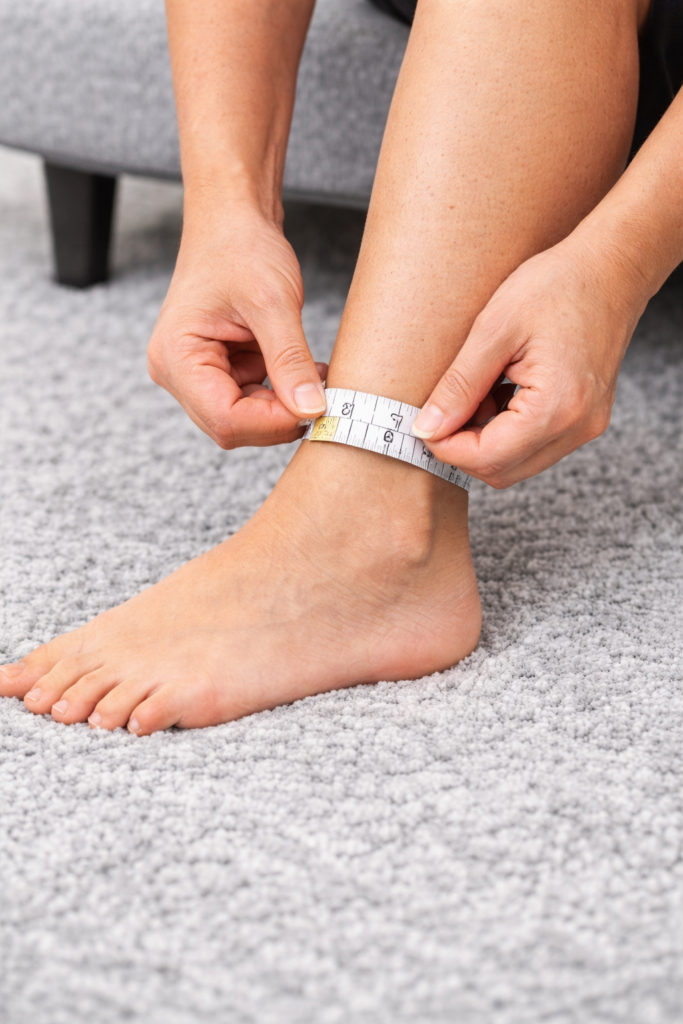
i) Ankle: Measure the narrowest point above the ankle bone.

ii) Calf: Measure the widest part of the calf for proper fit and support, including wide-calf users.

iii) Thigh (for thigh-high garments): Measure the thickest part of the thigh to avoid rolling and ensure secure fit.

Leg Length:

  • Knee-high: heel to just below the knee crease
  • Thigh-high: heel to the top of the thigh
iv) Arms (for sleeves/supports): Measure wrist, forearm, upper arm, and arm length. This ensures smooth, even compression from wrist to shoulder.

Quick Tips: 

  • Measure early in the morning when swelling is minimal.
  • Sit comfortably, keep tape snug, measure twice, and avoid measuring over clothes.

4. Common Fitting Mistakes to Avoid

  • Too Tight: Can cause numbness, tingling, or deep marks.
  • Too Loose: Slipping or wrinkling reduces effectiveness.
  • Incorrect Length: Too short rolls or digs in; too long bunches or slides down.
  • Not Rechecking: Limb size changes due to swelling, healing, or weight changes—regular measurement is important.

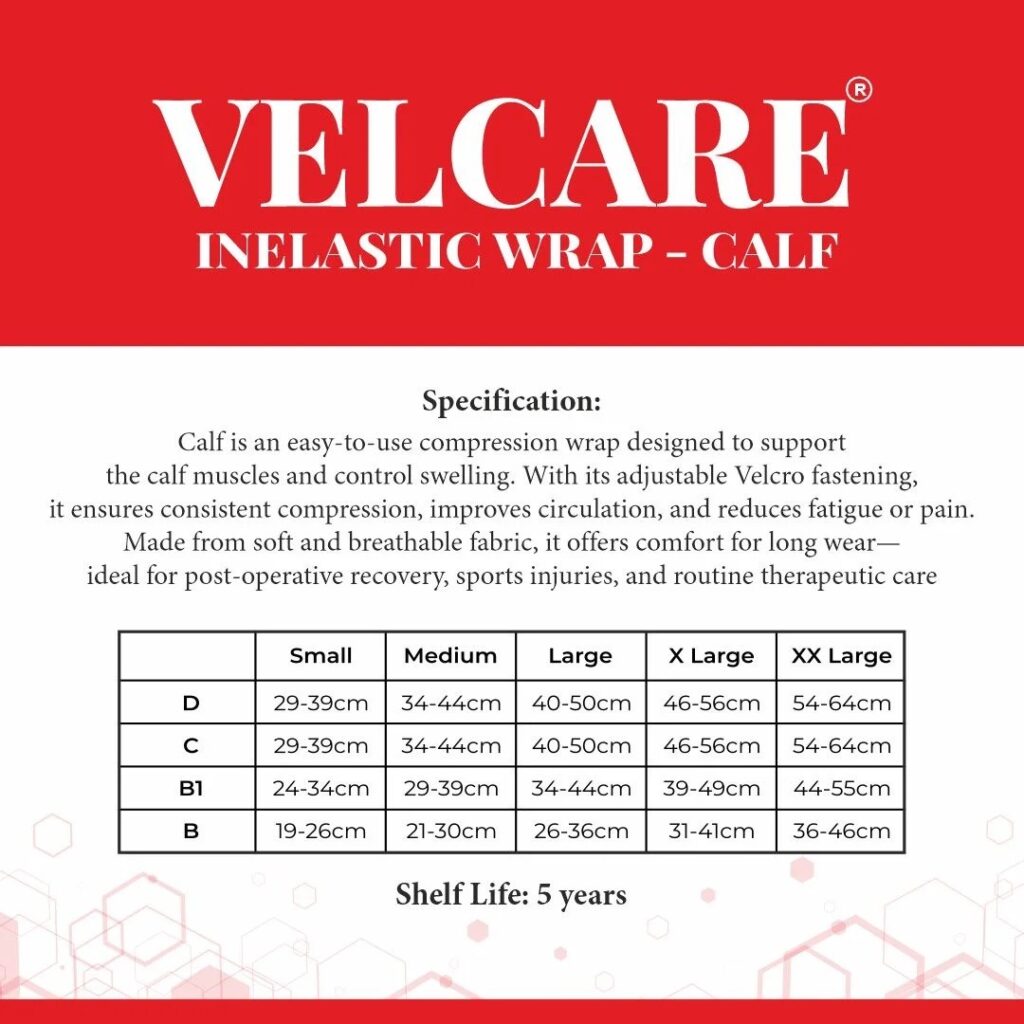
For reference, see our Compression Stockings Size Chart India.
5. When to Consult a Healthcare Professional

Specialists can confirm the correct compression level and ensure measurements match your condition, especially after surgery or for vascular issues.

Consult if you notice:

  • Persistent or increasing swelling
  • Discomfort while wearing the garment
  • Size falling between two chart options
  • Post-surgical changes
  • Conditions like diabetes or vascular disorders

Professional guidance ensures safe and effective therapy, particularly when using compression garments for varicose veins.

Accurate measurements are the foundation of effective compression therapy. Using simple tools, careful technique, and a trusted compression stocking size guide ensures your garment fits comfortably and supports healing. When unsure, consulting a healthcare professional provides confidence and safer results.
Visit www.dattmedi.com for more infomation.
Share:

Frequnently Asked Questions

Correct sizing ensures safe, even pressure along the limb, reduces swelling, improves circulation, and enhances comfort. Referring to a compression measurement chart helps select the most accurate size. Learn more in our Compression Stockings Collection.

A soft measuring tape and sizing guide are essential. Following a trusted medical compression garment sizing guide ensures precise measurement. Check our Compression Garment Sizing Guide for reference.

Measure the narrowest point above the ankle, the widest part of the calf, and the thickest part of the thigh for thigh-high garments. Use a reliable compression stocking size guide like our Compression Stockings Collection to select the right size.

Avoid measuring over clothes, pulling the tape too tightly, or using outdated measurements. Measure in the morning when swelling is minimal and refer to a trusted size guide, such as our Compression Garments for Varicose Veins.

A proper fit feels snug but not painful, without rolling, slipping, or causing numbness. Recheck your measurements using our Compression Stockings Size Chart India if unsure.

Recent Blogs
Wound Care for Cancer Patients

Cancer treatments, including chemotherapy, radiation, and surgery, are essential for combating the disease but often pose significant challenges to wound healing. Understanding these impacts and managing wounds effectively is crucial for patients, caregivers, and healthcare professionals. This blog provides insights and recommendations for effective wound care in cancer patients.

Impact of Cancer Treatments on Wound Healing:

Chemotherapy and radiation therapy, while targeting cancer cells, also damage healthy tissues especially rapidly dividing Keratinocytes along with Fibroblasts, Melanocytes, Endothelial cells & Immune cells, delaying wound healing. Surgery can result in complex wounds needing specialized care.

Common Wounds in Cancer Patients:

Cancer patients may have surgical wounds, radiation-induced skin reactions, and wounds from intravenous catheter sites. Advanced cancer patients may develop pressure ulcers due to immobility.

Managing Radiation-Induced Skin Reactions:

Radiation therapy can cause skin reactions from mild redness to severe ulceration. Management includes gentle skin care, prescribed topical treatments, avoiding sun exposure, and wearing loose clothing.

Chemotherapy and Wound Healing:

Chemotherapy reduces the immune response and interferes with cellular repair, impairing wound healing. Patients should be monitored for infection and delayed healing, with an emphasis on optimal nutrition and hydration.

Post-Surgical Wound Care:

Proper care involves keeping wounds clean and dry, changing dressings regularly, using sterile dressings and monitoring for any signs of infection. Adhering to healthcare provider instructions is essential.

Infection Prevention:

Strict hygiene practices, sterile wound care products, and prompt treatment of infection signs are crucial, as cancer patients often have compromised immune systems.

Tailoring Wound Care Products:

Sensitive skin due to cancer treatments requires hypoallergenic dressings, silicone-based products, and gentle adhesives to minimize irritation.

Nutritional Support:

A diet rich in protein, water, minerals, vitamins A and C, and zinc supports tissue repair and immune function. Collaboration with a dietitian ensures adequate nutrient intake as nutrition goals differ as per the cancer type, its stage and other medical conditions.

Pain Management:

Effective pain management in cancer patients includes a combination of medications such as analgesics, topical anesthetics, and non-pharmacological methods like relaxation techniques, gentle massage, acupuncture, cognitive therapy etc.

Psychological Support:

Emotional support, counselling, and mental health services help patients cope with cancer and its treatments, contributing to better wound healing.

Multidisciplinary Care Teams:

Collaboration among oncologists, wound care specialists, nurses, dietitians, and mental health professionals ensures comprehensive care tailored to patient’s needs.

Caregiver Recommendations:

Caregivers should maintain a clean environment, follow wound care protocols, ensure proper nutrition, provide emotional support, and recognize infection signs.

Effective wound care for cancer patients requires a holistic approach, addressing the unique challenges posed by cancer treatments. By understanding the impacts of these treatments on wound healing and implementing comprehensive care strategies, we can significantly improve patients’ quality of life and recovery outcomes. Through multidisciplinary collaboration, meticulous care, and robust support systems, we can navigate the complexities of wound care in cancer treatment and ensure optimal healing.

Seasonal Wound Care

Optimizing Wound Healing Across Seasons: Tips for Adaptive Care

As the seasons change, so do the challenges faced by those managing wounds. Whether you’re a healthcare professional or a wound care patient, understanding how weather conditions can impact wound healing is crucial for maintaining optimal recovery. Let’s explore the importance of seasonal wound care and how to adjust your routine for different weather conditions.

Importance of Seasonal Wound Care:

Wound healing is a complex process influenced by various factors, including temperature, humidity, and moisture levels. Different weather conditions can affect this process, potentially slowing down or complicating recovery.

Effects of Hot Weather on Wound Healing:

During the summer months, hot weather can increase perspiration, leading to moisture buildup around wounds. This excess moisture creates an ideal environment for bacterial growth, increasing the risk of infections. To combat this, it’s essential to keep wounds clean and dry, regularly changing dressings to prevent maceration.

Adjusting Wound Care Routine for Summer:

In hot weather, it’s crucial to opt for breathable dressings that allow airflow to the wound while absorbing excess moisture. Consider using moisture-wicking fabrics to minimize sweat buildup and prevent skin irritation.

Managing Increased Perspiration:

To manage increased perspiration, gently cleanse the area around the wound with a mild soap and water solution. Pat the skin dry thoroughly before applying a new dressing. Avoid using harsh antiseptic solutions, as they can irritate the skin and delay healing.

Preventing Infections from Heat and Humidity:

To prevent infections in hot and humid conditions, keep the wound site clean and protected. Change dressings more frequently if necessary, and monitor for signs of infection, such as redness, swelling, or increased pain.

Effects of Cold Weather on Wound Healing:

In colder climates, dry air and low temperatures can lead to skin dryness and cracking, posing challenges for wound care. Protecting the wound from exposure to cold air and keeping the surrounding skin moisturized are essential for promoting healing.

Protecting Wounds from Dryness and Cracking:

During the winter months, use emollient-rich moisturizers to keep the skin hydrated and prevent dryness and cracking. Choose dressings that provide a barrier against cold air while maintaining moisture balance.

Tips for Wound Care During Rainy Seasons:

In rainy seasons, preventing wound maceration is key. Ensure that dressings are waterproof and change them promptly if they become wet. Keep the wound site clean and dry to minimize the risk of infection.

Adapting Wound Care Products to Seasonal Changes:

Consider using specialized wound care products designed for specific weather conditions. Look for options that offer moisture control, antimicrobial properties, and protection against environmental factors.

By understanding the impact of seasonal changes on wound healing and adjusting your care routine accordingly, you can promote optimal recovery and minimize complications. Stay proactive, stay informed, and prioritize your wound care, regardless of the weather.

Logo

Datt Mediproducts Private Limited

Loading