Search by Blog
Read by Category

Your healing journey continues beyond this blog

Find the right products for better recovery at online store
Cart Image
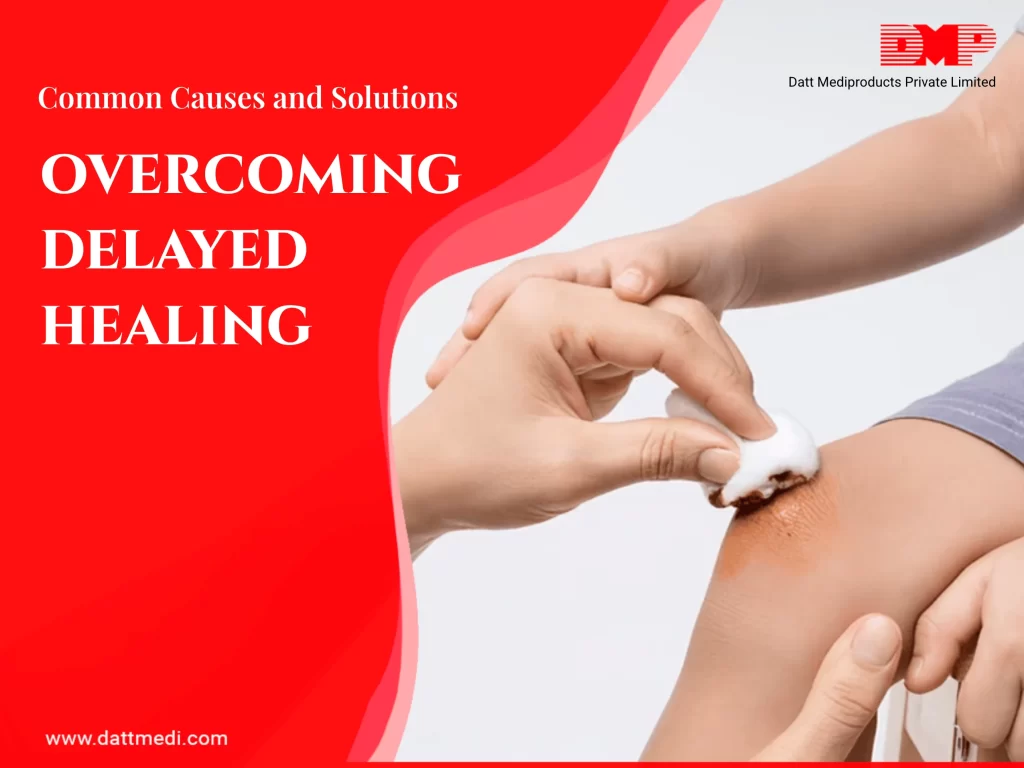
Overcoming Delayed Healing

Overcoming Delayed Healing: Common Causes and Practical Tips

Healing is a natural process—but sometimes, wounds don’t heal as quickly as expected. Delayed healing can impact physical comfort, increase the risk of infection, and reduce quality of life. 

The good news…
Many common causes of delayed healing can be managed with simple lifestyle adjustments. Let’s explore these causes and discover actionable tips for improving the healing process.

Understanding Delayed Healing

Wound healing is influenced by various factors—some within our control, others that may require professional intervention. Identifying these causes is the first step toward a faster, more efficient recovery.

Common Causes of Delayed Healing

  • Poor Nutrition: Lack of essential nutrients, such as proteins, amino acids, fatty acids, carbohydrates, vitamins (A, C & E) and micronutrients (magnesium and zinc) to name a few, slows tissue repair by affecting one or more phases of the wound healing process.
  • Inadequate Hydration: Dehydration impairs skin regeneration.
  • Underlying Health Conditions: Conditions like diabetes, diabetes associated neuropathy, vascular diseases, or immune disorders can complicate healing.
  • Smoking or Alcohol Consumption: These enhance host susceptibility to infections that lead to impaired angiogenesis thereby reducing blood flow and oxygen delivery to tissues which are essential for wound healing.
  • Stress and Poor Sleep: Disrupt hormone balance and deregulate the immune system, which directly affects recovery. Additionally, stressed individuals are more likely to develop unhealthy habits such as inadequate nutrition, smoking, less exercise, poor sleep patterns; negatively modulating the healing mechanism.
  • Infection or Repeated Trauma to the Wound: Can significantly hinder the healing process. Microorganisms obtain easy access to the underlying tissues when skin is injured. The presence of replicating microorganisms in the wound elongates the inflammatory phase of the wound healing process. This can lead to the wound to enter into a chronic state with significant delay in wound healing.

Nutrition & Hydration Matter

Proper nutrition is essential for healing.

Incorporate the following into your diet:

  • Lean proteins (eggs, fish, legumes) for tissue repair
  • Fresh fruits and vegetables for vitamins and antioxidants
  • Whole grains to support energy levels and tissue growth
Tip: Staying well-hydrated ensures nutrients are transported to your cells, promoting faster healing and flushing out toxins.

Sleep & Stress Management

Proper rest accelerates healing. Focus on these habits:

  • Aim for 7–9 hours of sleep each night.
  • Practice mindfulness or relaxation techniques to reduce stress.
  • Limit screen time and caffeine before bed to enhance sleep quality.

Did You Know? Chronic stress raises cortisol levels, slowing wound recovery.

Daily Movement & Gentle Activity

Physical activity promotes circulation, which helps deliver oxygen and nutrients to healing tissues:

  • Engage in light activities, like short walks, if possible.
  • Avoid putting pressure on the wound site, and take care to avoid friction.
  • Elevate limbs to reduce swelling.
Important: Always follow your healthcare provider’s advice regarding movement and wound care.

Basic Wound Hygiene

Maintaining wound hygiene is crucial:

  • Keep the wound clean and protected with proper dressings.
  • Change dressings regularly, as advised by your healthcare provider.
  • Avoid touching or scratching the wound area.
Pro Tip: Wash your hands thoroughly before and after touching a wound to reduce infection risk.

When to Seek Help

If your wound isn’t healing as expected or you get fever or flu-like symptoms or the wound shows signs of infection (such as increased redness, heat, swelling, pus, or a foul odor), seek professional medical guidance. Conditions like diabetes or circulatory issues may require specialized wound care.

Take Small Steps Toward Better Healing

Every small change—from better hydration to taking a short walk—adds up. By staying informed and committed to your healing process, you give your body the best chance to recover naturally.

Empowering You with the Right Solutions

At Datt Mediproducts, we understand the importance of optimal healing. While we don’t provide medical treatment, our advanced wound care solutions are designed to support your recovery by offering comfort, protection, and care where it matters most.
Visit www.dattmedi.com for more infomation.
Share:
Recent Blogs
Skin Integrity in Extreme Weather

Protecting Skin Integrity in Extreme Weather: Hot and Cold Temperature Care Tips

Extreme weather conditions, whether hot or cold, can significantly affect skin integrity, potentially compromising the body’s natural healing process.

Maintaining healthy skin is vital not only for general well-being but also for promoting effective wound healing. In this blog, we’ll explore how extreme temperatures impact skin health and share tips to protect your skin and wounds year-round.

Challenges in Hot Weather

1. Heat and Humidity

Hot temperatures combined with high humidity levels increase perspiration, which can lead to moisture-related skin breakdown. The skin may become macerated, making it more vulnerable to irritation and infection, especially in sensitive areas like underarms and groin.

2. Sun Exposure

Excessive UV radiation from sun exposure can damage the skin, leading to sunburn, heat rashes, and increased risk of further skin issues. Sunburned skin is more prone to infection, which can delay the healing of existing wounds.

3. Dehydration Risks

Hot weather can cause dehydration, which impacts skin hydration and weakens the skin’s barrier function. When skin becomes dry and cracked, it loses its ability to protect against pathogens, affecting both general skin health and wound healing.

Challenges in Cold Weather

  • Dry Air – Cold air often lacks moisture, leading to dehydration of the skin, making it dry and prone to cracks or fissures. These cracks provide an entry point for bacteria, which can cause infections and delay healing.
  • Reduced Blood Flow – In colder temperatures, blood circulation to the skin decreases, which can hinder the delivery of essential nutrients and oxygen to skin cells, slowing down the skin’s natural repair processes and impeding wound healing.
  • Layered Clothing – While layering clothing can help retain warmth in cold weather, it may also cause friction, especially in sensitive or healing areas. This friction can irritate the skin and make it more susceptible to damage.

Tips for Maintaining Skin Integrity in Hot Weather

Stay Hydrated

Hydration is key for healthy skin. Drink plenty of water throughout the day to keep your skin moist from the inside out and to support overall skin health.

Protective Clothing

Wear lightweight, breathable fabrics to allow airflow and reduce sweating. UV-protective clothing can also help shield your skin from harmful sun exposure.

Skin Cleansing and Moisturization

To avoid sweat buildup, ensure regular skin cleansing, followed by the application of a lightweight, non-comedogenic moisturizer. This will help lock in hydration without clogging pores.

Tips for Maintaining Skin Integrity in Cold Weather

  • Hydrating Moisturizers – Cold air can strip the skin of moisture. Use thicker, oil-based moisturizers to prevent water loss and keep the skin barrier intact.
  • Humidify Indoor Air – Consider using humidifiers indoors to add moisture to the air and prevent skin dehydration caused by dry environments.
  • Gentle Skin Care Routine – Avoid using hot water when washing your face or body, as this can further dry out the skin. Opt for mild, fragrance-free cleansers that won’t irritate the skin or damage its natural protective layer.

Special Considerations for Wound Care

i) Temperature Regulation

Maintaining a moderate temperature for wound healing is essential. Extreme heat can worsen inflammation and slow down healing, while cold can cause a reduction in circulation. Aim for a comfortable, consistent environment to support optimal recovery.

ii) Dressing Types

For hot weather, choose dressings that can absorb excess moisture and prevent maceration. For cold weather, opt for dressings that retain moisture to keep the wound hydrated and prevent cracking or dryness.

Regular Inspection

In extreme weather conditions, skin changes can happen quickly. It’s important to inspect your skin and any wounds frequently to monitor for signs of irritation, infection, or other complications.

As the seasons change, so should your skincare routine. Understanding how hot and cold temperatures affect skin integrity is key to protecting your skin and supporting proper wound healing.

By making small adjustments to your daily habits, you can ensure that your skin remains healthy and wounds heal effectively, no matter the weather.

Stay vigilant and adjust your routine as needed to safeguard your skin and enhance your healing process throughout the year.

Top Misconceptions About Compression Therapy

Top Misconceptions About Compression Therapy

Compression therapy is a widely used treatment method that helps improve circulation, reduce swelling & pain, and support faster healing. However, many people hesitate to use it due to common misconceptions. Let’s clear up these myths and highlight the true benefits of compression therapy.

What Is Compression Therapy?

Compression therapy involves wearing specially designed garments, such as stockings, wraps or bandages, that apply gentle pressure to the legs or other affected areas. This pressure promotes blood flow, prevents fluid buildup, and supports overall vascular health. It is commonly used for conditions arising due to chronic venous insufficiency such as varicose veins, venous varicosities/ leg ulcers, lymphedema or in cases of deep vein thrombosis (DVT) and post surgery recovery

Myth 1: Compression Therapy Is Only for the Elderly

Fact: While older adults commonly use compression therapy to manage venous disorders, it benefits people of all ages. Athletes use compression garments for muscle recovery, travelers wear them to prevent blood clots, and individuals with jobs requiring prolonged standing or sitting rely on them to reduce leg fatigue.

Myth 2: Compression Therapy Causes Discomfort

Fact: Properly fitted compression garments should feel snug but not painful. Modern compression products are designed for comfort, with breathable materials and graduated pressure to provide support without restricting movement. If discomfort occurs, it often means the compression level or size is incorrect.

Myth 3: Compression Therapy Is Only for Post-Surgery Recovery

Fact: While it is beneficial post-surgery to reduce swelling and promote faster healing, compression therapy is also widely used for the management of chronic conditions like varicose veins, lymphedema, and even general leg fatigue. It can also be used as a  preventive measure for individuals at risk of circulation problems. It can prevent leg swelling in people with sedentary lifestyles or situations like long flights; prevention of venous thromboembolism in immobile patients, and recurrence of venous leg ulcers in older adults.

Myth 4: Compression Therapy Will Make Your Legs Look Bulky

Fact: Compression garments have evolved significantly. Modern designs are sleek, lightweight, and available in different styles and colors, making them easy to wear under clothing without appearing bulky.

Myth 5: Compression Therapy Can Lead to Blood Clots

Fact: When used correctly, compression therapy actually helps prevent blood clots by promoting healthy circulation. Medical professionals often recommend it for people at risk of DVT, especially during long flights or post-surgery recovery.

Myth 6: Compression Therapy Is Only for People With Varicose Veins

Fact: While varicose veins are a common reason for using compression therapy, it is also beneficial for individuals with chronic venous insufficiency, lymphedema, post-exercise recovery, chronic pain, poor circulation, athletes and even pregnancy-related swelling.

Myth 7: Compression Therapy Is a Short-Term Solution

Fact: Compression therapy can be used for both short-term and long-term management of symptoms & to prevent further complications depending on the condition. Many individuals with chronic venous conditions or circulation issues incorporate it into their daily routines for continuous benefits.

The Truth About Compression Therapy

Compression therapy is a versatile and effective treatment that goes beyond age or specific medical conditions. By dispelling these myths, we can appreciate how compression bandages and garments enhance circulation, reduce swelling, and promote healing across all age groups and lifestyles.

Looking for reliable compression solutions?

Explore our range of high-quality compression solutions for effective support, enhanced comfort, and improved circulation in daily life.

Logo

Datt Mediproducts Private Limited

Loading