

Search by Blog
Read by Category

Your healing journey continues beyond this blog

Find the right products for better recovery at online store
Cart Image
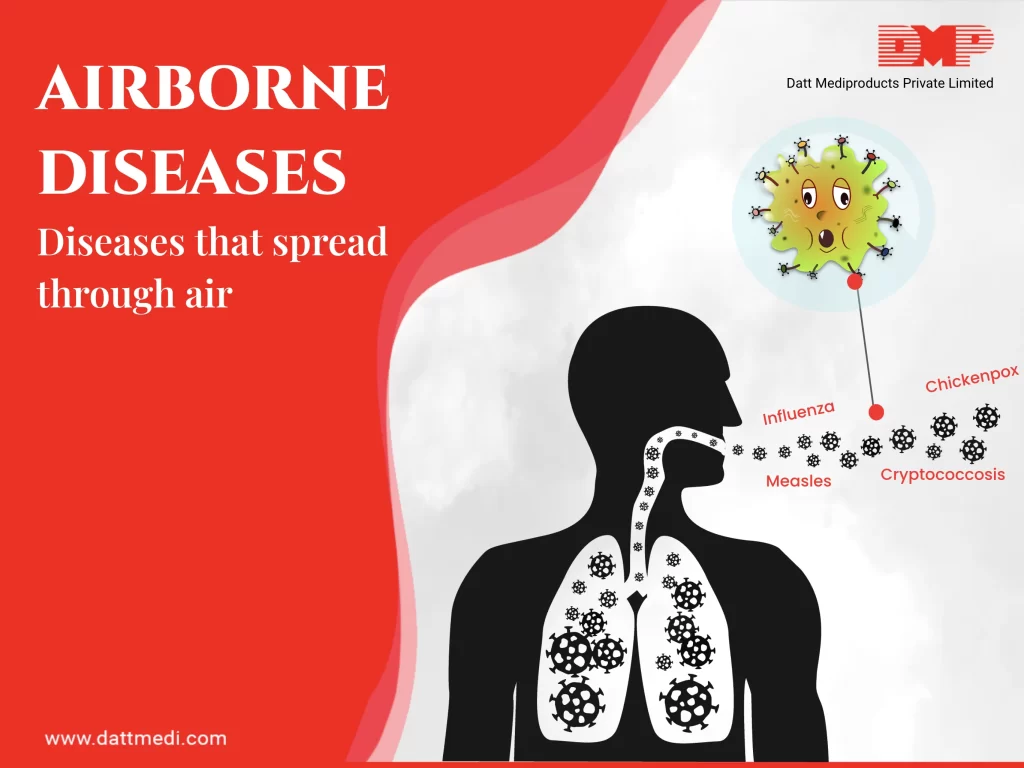
Diseases that spread through Air – Airborne Diseases

Airborne diseases are those, which are caused by microorganisms and spread through the air. These are mostly caused by pathogens like bacteria, fungi or viruses and are expelled into the air due to coughing, sneezing or talking.

Climatic factors such as humid conditions and persistently high temperature might also increase the risk of contracting airborne diseases. High humidity levels promote aerosol growth and deposition in the respiratory tract. On the other hand, loss of water is the greatest environmental stressor for the microorganisms to stay viable.

Several treatment options are available which we should know along with prevention techniques to avoid catching such diseases. We bring to you some facts about these airborne diseases and preventive measures.

 SOME KEY POINTS:
1. Colds & Flu are airborne
2. Bacteria are transmitted through tiny pathogens in the air while coughing, sneezing or even talking
3. An airborne disease is contracted when someone breathes in the infected air
4. Symptoms that may range from mild to sever include: cough, chill, sneezing, runny nose, muscle or body aches, congestion, fatigue, etc.
5. Wearing masks and maximizing ventilation are good preventive options
6. Pregnant females, those undergoing cancer treatment, immunocompromised patients are more susceptible to airborne diseases

FEW AIRBORNE DISEASES:

Pathogens that cause airborne diseases cling to dust particles, moisture droplets, pollens, etc. These are picked up while breathing or through body fluids like mucus and phlegm. The disease-causing microorganisms multiply once inside your body.

Some common airborne diseases may include:
-Common cold
-Influenza caused by rhinovirus
-Varicella zoster (a virus which causes chickenpox in children)
-Mumps (virus attacks the glans beneath ears and even causes loss of hearing)
-Measles,
-Whooping cough or pertussis (caused by a bacterial infection and should be treated with antibiotics to prevent damage)

Some uncommon airborne diseases include:
-Anthrax
-Diphtheria
-Meningitis

 PREVENTING AIRBORNE DISEASES:

Role of Proper Ventilation:
Poor ventilation (for example in overcrowded places) contribute to the spread of the disease, as disease-causing microorganisms, pollutants and moisture may build up to unsafe levels by decreasing the number of air exchanges.

Even a poorly maintained air-conditioning system may lead to the transmission of tuberculosis and legionellosis causing microorganisms as they build up in poorly ventilated areas increasing the transmission risk. Natural ventilation is an effective method for promoting infection control. Increasing ventilation helps the proper exchange of air thus diluting the contaminated air to reduce airborne infection rates.

Good Hygiene Practices:
Following good hygienic and sanitary habits help to reduce the risk of disease transmission. Regular hand washing, wearing a hospital mask in public places and covering your mouth while coughing or sneezing are some habits that are recommended.

Now that we have understood that these airborne diseases spread by cross contamination while an infected person coughs, sneezes or even talks, we @ Datt Mediproducts recommend following the required preventive measures so that the risk of contracting airborne diseases can be reduced.

Visit www.dattmedi.com for more infomation.
Share:
Recent Blogs

Allergies are a common health issue that affect a significant portion of the population worldwide. Allergies are a hypersensitive reaction of the immune system to an otherwise harmless substance, which is known as an allergen. The allergen can be any substance that triggers an allergic reaction in the body, such as pollen, dust, food, or animal dander.

Allergies are caused due to the abnormal response of the immune system, which mistakes a harmless substance for a harmful invader and initiates a defence mechanism, called antibodies, to protect the body from it. This results in various allergic reactions, such as skin rashes, itching, sneezing, watery eyes, and in severe cases, anaphylaxis.

There are various reasons behind the occurrence of allergies. Genetics plays a significant role in determining an individual’s likelihood of developing allergies. Environmental factors such as exposure to pollution, chemicals, and toxins can also trigger allergies.

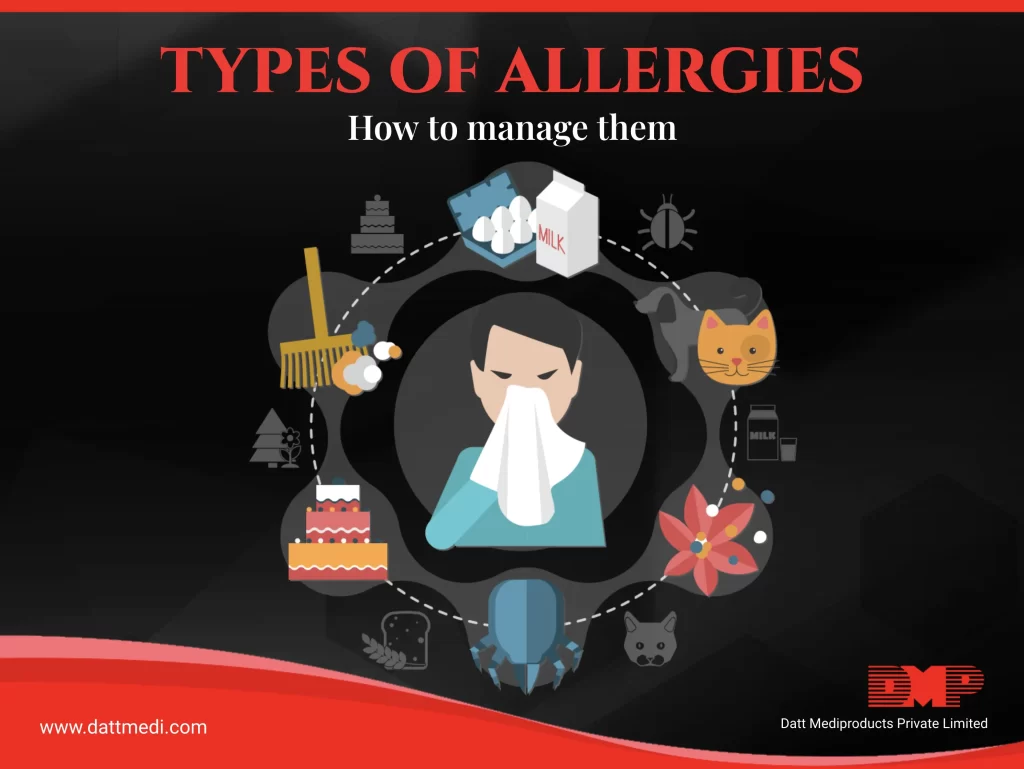
There are several different types of allergies, each with their unique symptoms and triggers.

Some of the most common types of allergies include:

1. Respiratory allergies:

These allergies are triggered by airborne allergens such as pollen, dust mites, and animal dander. The symptoms of respiratory allergies include sneezing, coughing, and wheezing.

2. Food allergies:

These allergies occur when the immune system reacts to certain foods, such as nuts, shellfish, and eggs. Symptoms of food allergies can range from mild itching, tingling in the mouth, hives, swelling of the lips, tongue, face or throat to more severe life-threatening anaphylaxis.

3. Skin allergies:

These allergies occur when the skin comes into contact with an allergen, such as certain fabrics, metals, or cosmetics. The symptoms of skin allergies include rashes, itching, and swelling.

4. Insect allergies:

These allergies occur when an individual is bitten or stung by an insect, such as bees or mosquitoes. The symptoms of insect allergies can range from mild itching to severe anaphylaxis.

5. Medicine allergies:

Medicine allergies are hypersensitive reactions of the immune system to certain medications. They can cause symptoms like skin rashes, itching, swelling, and in severe cases, difficulty breathing or anaphylaxis. It is important to communicate medicine allergies to healthcare providers to ensure safe and effective treatment.

Precautionary methods can be taken to manage allergies. Firstly, it is crucial to identify the allergen that triggers the allergic reaction. This can be done through various tests such as skin tests or blood tests. Once the allergen is identified, it is essential to avoid exposure to it. For example, individuals with food allergies must avoid eating the allergen-containing food.

Similarly, those with respiratory allergies must avoid exposure to airborne allergens, such as pollen or animal dander. If a person has a known severe allergy then they can also wear a medical alert bracelet, which lets others know that you have a serious allergy incase they are unable to communicate it.

Medications such as antihistamines, decongestants, and corticosteroids can be used to manage allergy symptoms. In severe cases, epinephrine injections may be required to manage anaphylaxis.

In addition to medication, several lifestyle changes can also help manage allergies. One of the most important being to try to reduce stress levels. While stress can’t trigger an allergic reaction it can make it worse if you are having one. When in stress your body releases hormones including histamine, which is a powerful chemical that leads to allergy symptoms thus making the reaction worse.

Allergies can significantly impact the lives of those who suffer from them. However, with proper management, it is possible to reduce the severity of allergy symptoms. If you suspect that you have an allergy, it is important to seek medical advice and get a proper diagnosis.

We advice to follow precautionary methods and working with a healthcare professional, that can help you manage allergies and improve your quality of life. Follow us for more such information.

Yoga is an ancient practice ,around for centuries, and can help with overall health. It has been said that “Our breathing process – the way we inhale, hold our breath, and exhale – can change our mind and our body in a positive way,” It is a great practice through which you can improve your physical and mental wellness.

(more…)

Logo

Datt Mediproducts Private Limited

Loading
