
Search by Blog
Read by Category

Your healing journey continues beyond this blog

Find the right products for better recovery at online store
Cart Image
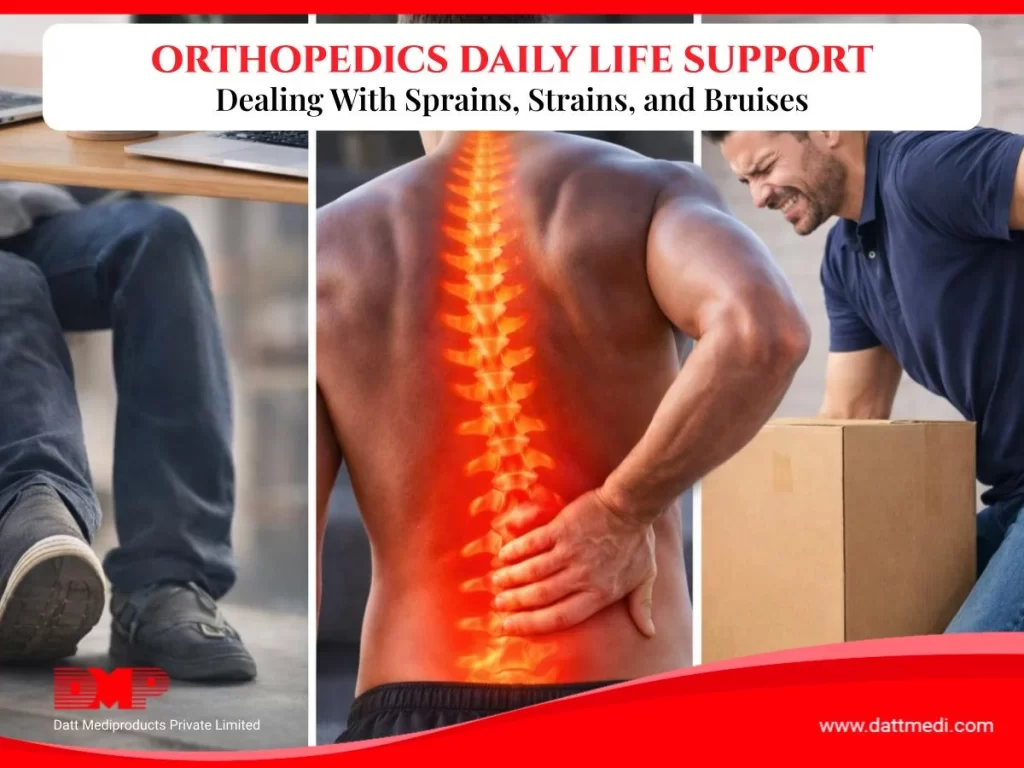
Poor posture while sitting causing back pain

Back pain rarely comes from one dramatic moment. More often, it builds slowly — from how you sit, how you lift, and how much you move (or don’t) during an ordinary day.

The good news: because these habits are small and repeated, small corrections add up fast. Here are the five biggest everyday culprits, and what to actually do about each one.

1. Poor Posture During Screen Time

Slouching while looking at a screen pulls your head forward and loads your spine with extra weight it wasn’t built to carry in that position — over hours, this causes fatigue, stiffness, and pain.

Fix it:

  • Sit with your spine neutral and shoulders relaxed, not hunched forward
  • Raise screens to eye level so you’re not bending your neck down
  • Use an ergonomic chair or a lumbar support cushion
  • Stand or stretch every 30–45 minutes
If you're managing an existing strain or a support during long desk hours, a soft posture corrector can help retrain alignment. For a deeper look at why this matters beyond just back pain, see the health benefits of good posture.

2. Incorrect Lifting Techniques

Bending at the waist to lift — instead of bending your knees — puts sudden, concentrated pressure on your lower back. Do this repeatedly and you risk a genuine muscle strain, not just soreness.

Fix it:

  • Bend your knees, not your back
  • Keep the object close to your body
  • Keep your back straight through the lift
  • Never twist your torso while carrying weight
If a strain has already happened, our guide on muscle strain causes and recovery covers what actually supports healing — and what can slow it down. Muscle strains are also common in athletes, particularly in sports involving sprinting, jumping, kicking, and other explosive movements. For a broader look at sports-related orthopedic injuries, see our guide on orthopedic injuries in athletes.

3. Sitting for Long Periods Without Movement

Long, unbroken sitting stiffens the back and hips and slows circulation — and reduced blood flow means more muscle fatigue and discomfort, even without any single “wrong” movement.

Fix it:

  • Stand or walk for a few minutes every hour
  • Add simple back and leg stretches through the day
  • Use a standing desk if it’s available to you

Circulation-focused support can also help here. Compression bandages are sometimes used to support circulation during long periods of inactivity, particularly for the legs.

4. Weak Core Muscles

Your abdominal and lower-back muscles share the job of stabilizing your spine. When they’re weak, your spine has to work harder on its own — and that imbalance shows up as fatigue and pain over time.

Fix it — simple strengthening moves:

  • Bridges
  • Planks
  • Pelvic tilts
These don't need to be intense. Consistency matters more than difficulty here.

5. Lifestyle Factors That Strain the Spine

Extra body weight, an unsupportive mattress, and chronic stress all add ongoing load to your spine — none of these show up as a single injury, but together they compound.

Fix it:

  • Maintain a healthy body weight
  • Choose a mattress that supports spinal alignment
  • Build in relaxation techniques to ease muscle tension
If back pain has become a longer-term, ongoing issue rather than an occasional twinge, our guide on the role of exercise in chronic pain management covers how movement, not prolonged rest, can be part of a better long-term strategy. 

A physiotherapist can also assess what’s contributing to your pain and help you build an exercise and recovery plan suited to your needs. For lower back-specific support, a lumbo-sacral support may provide additional support during certain activities or periods of recovery.

When Back Pain Needs Medical Attention

Occasional discomfort that improves with posture changes and movement is common and usually not serious. See a doctor if:

  • Pain becomes severe or persistent
  • Movement becomes noticeably difficult
  • Pain spreads down into your legs or elsewhere
A healthcare professional can properly evaluate the cause and recommend the right treatment or rehab plan — self-managing is fine for mild, short-term discomfort, but not for these signs.

Supporting a Healthier Back

Most back pain isn’t caused by one bad moment — it’s built from small daily habits. Fixing your posture, lifting correctly, moving more, and strengthening your core will do more for your spine than almost anything else. For extra support during recovery or long days, browse the full orthopaedic products range.
Related reading:

Visit www.dattmedi.com for more infomation.
Share:

Frequnently Asked Questions

Yes. Poor posture places ongoing strain on the muscles and joints supporting the spine, leading to discomfort and fatigue over time.

Standing or moving every 30–60 minutes helps maintain circulation and reduce stiffness.

Bridges, planks, and pelvic tilts are simple, effective moves that build the muscles supporting your spine.

Yes. Lifting with a bent back instead of bent knees increases spinal pressure and raises injury risk.

If pain is severe, persistent, or comes with limited movement or other unusual symptoms, get it checked rather than waiting it out.

Recent Blogs
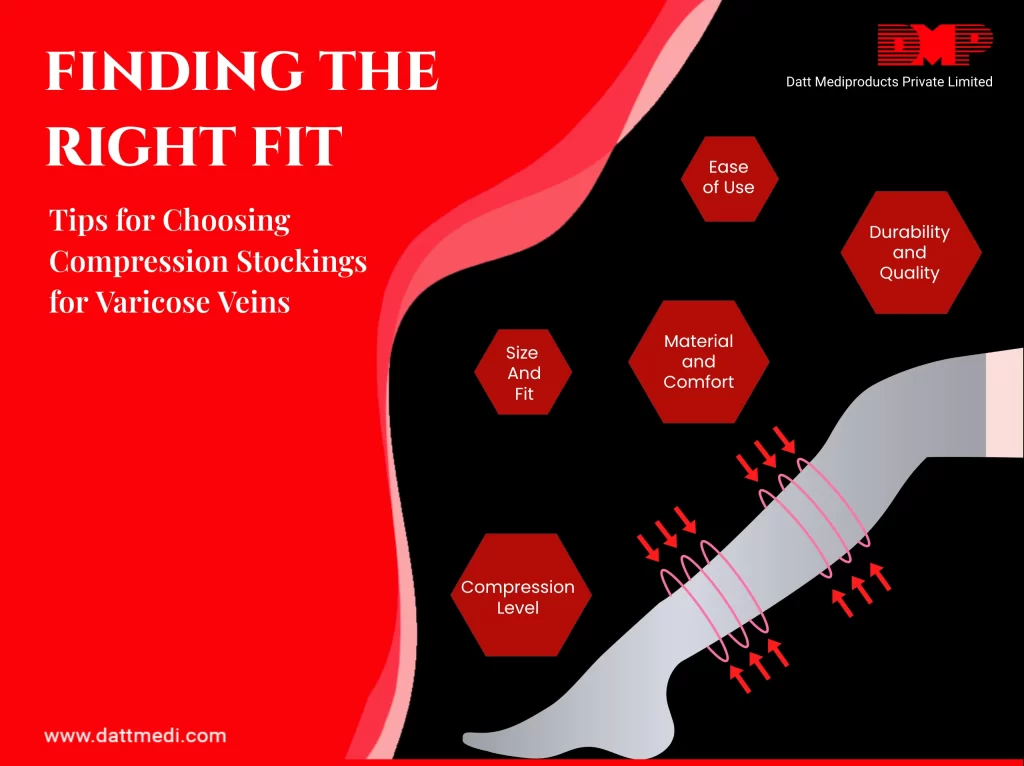
Choosing the Right Compression Stocking for Varicose Veins

Varicose Veins are enlarged, twisted veins that bulge under your skin. They normally develop when blood flow is obstructed and are more than just a cosmetic concern; they can cause discomfort and, if untreated, lead to more serious health issues. Medical compression stockings and wraps, such as the Velcare® range from us, provide an effective solution for managing varicose veins. Understanding their benefits and features can help you make an informed choice.

Velcare® -Varicose Veins Stocking: Support Where You Need It

Designed to offer Class 2 Compression (23-32mmHg), Velcare® -Varicose Veins Stocking are ideal for promoting circulation and reducing varicose vein symptoms. The graduated compression applies gentle pressure from the ankle upwards, aiding blood flow back to the heart.

Key Features of Velcare® -Varicose Veins Stocking:

  • Effective Compression: Reduces swelling and discomfort associated with varicose veins.
  • Comfortable Wear: Soft, breathable, latex-free materials ensure all-day comfort.
  • Durable Construction: Four-way stretchability enhances flexibility and durability for long-term use.
  • Medical Grade Quality: Designed to meet medical standards for effective varicose vein management.


Velcare® -Inelastic Wrap: Customizable Compression

For those preferring an alternative to traditional stockings, Velcare® -Inelastic Wrap provides targeted calf compression without constant adjustment. Adjustable straps offer a customized fit for optimal compression therapy tailored to individual needs.

Key Features of Velcare® -Inelastic Wrap:

  • Targeted Compression: Focuses on calf muscles for effective circulation support.
  • Adjustable Fit: Velcro straps ensure a secure fit and ease of adjustment.
  • Ease of Use: Simple application and removal for convenient daily wear.
  • Breathable Material: Allows the skin to breathe, suitable for extended use.

Choosing the Right Option for You

When deciding between Velcare® -Varicose Veins Stocking and Velcare® -Inelastic Wrap, consider your lifestyle, comfort preferences, and specific medical needs. Both options offer effective relief for varicose veins, with the stockings providing graduated compression and the wrap offering targeted support and ease of use.

Whether you choose the graduated compression of Velcare® -Varicose Veins Stocking or the targeted support of Velcare® -Inelastic Wrap, we as Datt Mediproducts, ensures you receive high-quality products designed to improve circulation and alleviate varicose vein symptoms. Explore more about Velcare® products and find the right solution for managing your varicose veins with us.

Addressing Wound Care Challenges

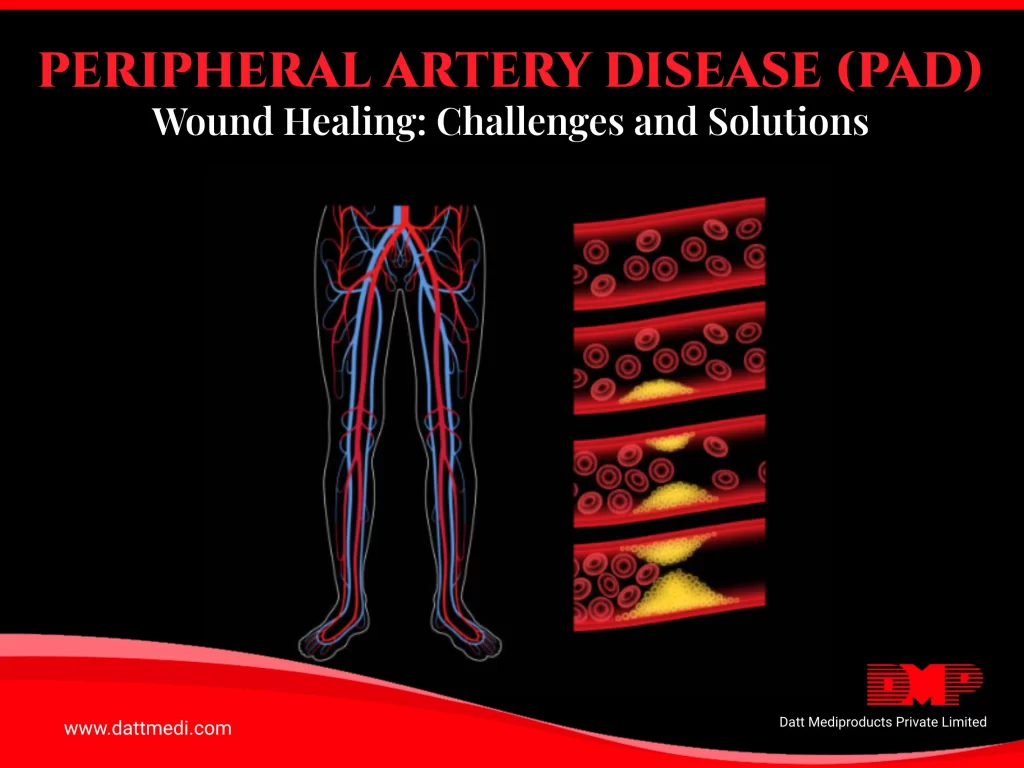
Peripheral artery disease (PAD) presents significant challenges to wound healing, affecting millions globally. This condition, characterized by narrowed arteries that reduce blood flow to the limbs, particularly the legs, not only causes discomfort and mobility issues but also complicates the natural healing process for wounds.

The Impact of PAD on Wound Healing

PAD restricts blood flow to tissues, depriving them of essential oxygen and nutrients necessary for healing. When individuals with PAD sustain wounds, reduced circulation delays the body’s healing mechanisms. Even minor cuts or abrasions can become chronic wounds, prone to infection and slow to heal. The diminished circulation also hinders the body’s ability to deliver immune cells and growth factors to the wound site, further complicating recovery.

Challenges Faced by Patients with PAD often experience:

  • Delayed Healing: Wounds take longer to heal, increasing the risk of infection and complications.
  • Chronic Wounds: Persistent wounds that do not heal properly, requiring prolonged treatment and care.
  • Risk of Amputation: Severe cases may lead to tissue death (gangrene), necessitating amputation.

Specialized Wound Care Approaches:

Managing wounds in PAD patients requires a specialized approach that addresses both the wound and underlying circulatory issues:

  • Improving Blood Flow: Medical interventions like angioplasty or bypass surgery may restore blood flow to the affected area, enhancing wound healing.
  • Advanced Dressings: Specialized dressings that promote moisture balance and provide infection barriers are crucial. For instance, alginate dressings for exuding wounds or hydrocolloid dressings for maintaining a moist environment can aid healing.
  • Compression Therapy: Controlled compression helps improve leg circulation, reduce swelling, and promote better blood flow, facilitating wound healing.
  • Patient Education: Empowering PAD patients to understand the importance of regular foot care, proper hygiene, and recognizing signs of infection can prevent complications and support healing efforts.

Peripheral artery disease significantly affects wound healing, necessitating a multidisciplinary approach involving vascular specialists, wound care nurses, and patient education. Addressing both vascular issues and wound management strategies can enhance outcomes for PAD patients, improving their quality of life and reducing complications. Understanding these challenges and implementing specialized wound care approaches tailored to PAD patients is crucial for effective treatment and support.

Logo

Datt Mediproducts Private Limited

Loading
Buy Now Contact Us