

Search by Blog
Read by Category

Your healing journey continues beyond this blog

Find the right products for better recovery at online store
Cart Image
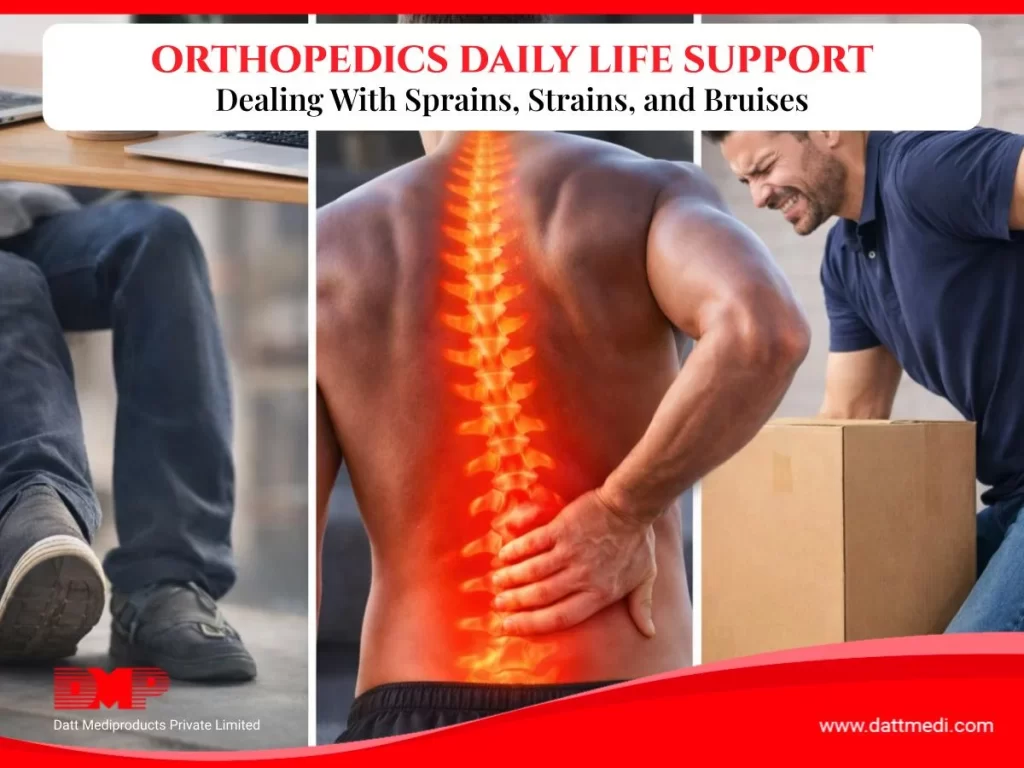
Poor posture while sitting causing back pain

Back pain rarely comes from one dramatic moment. More often, it builds slowly — from how you sit, how you lift, and how much you move (or don’t) during an ordinary day.

The good news: because these habits are small and repeated, small corrections add up fast. Here are the five biggest everyday culprits, and what to actually do about each one.

1. Poor Posture During Screen Time

Slouching while looking at a screen pulls your head forward and loads your spine with extra weight it wasn’t built to carry in that position — over hours, this causes fatigue, stiffness, and pain.

Fix it:

  • Sit with your spine neutral and shoulders relaxed, not hunched forward
  • Raise screens to eye level so you’re not bending your neck down
  • Use an ergonomic chair or a lumbar support cushion
  • Stand or stretch every 30–45 minutes
If you're managing an existing strain or a support during long desk hours, a soft posture corrector can help retrain alignment. For a deeper look at why this matters beyond just back pain, see the health benefits of good posture.

2. Incorrect Lifting Techniques

Bending at the waist to lift — instead of bending your knees — puts sudden, concentrated pressure on your lower back. Do this repeatedly and you risk a genuine muscle strain, not just soreness.

Fix it:

  • Bend your knees, not your back
  • Keep the object close to your body
  • Keep your back straight through the lift
  • Never twist your torso while carrying weight
If a strain has already happened, our guide on muscle strain causes and recovery covers what actually supports healing — and what can slow it down. Muscle strains are also common in athletes, particularly in sports involving sprinting, jumping, kicking, and other explosive movements. For a broader look at sports-related orthopedic injuries, see our guide on orthopedic injuries in athletes.

3. Sitting for Long Periods Without Movement

Long, unbroken sitting stiffens the back and hips and slows circulation — and reduced blood flow means more muscle fatigue and discomfort, even without any single “wrong” movement.

Fix it:

  • Stand or walk for a few minutes every hour
  • Add simple back and leg stretches through the day
  • Use a standing desk if it’s available to you

Circulation-focused support can also help here. Compression bandages are sometimes used to support circulation during long periods of inactivity, particularly for the legs.

4. Weak Core Muscles

Your abdominal and lower-back muscles share the job of stabilizing your spine. When they’re weak, your spine has to work harder on its own — and that imbalance shows up as fatigue and pain over time.

Fix it — simple strengthening moves:

  • Bridges
  • Planks
  • Pelvic tilts
These don't need to be intense. Consistency matters more than difficulty here.

5. Lifestyle Factors That Strain the Spine

Extra body weight, an unsupportive mattress, and chronic stress all add ongoing load to your spine — none of these show up as a single injury, but together they compound.

Fix it:

  • Maintain a healthy body weight
  • Choose a mattress that supports spinal alignment
  • Build in relaxation techniques to ease muscle tension
If back pain has become a longer-term, ongoing issue rather than an occasional twinge, our guide on the role of exercise in chronic pain management covers how movement, not prolonged rest, can be part of a better long-term strategy. 

A physiotherapist can also assess what’s contributing to your pain and help you build an exercise and recovery plan suited to your needs. For lower back-specific support, a lumbo-sacral support may provide additional support during certain activities or periods of recovery.

When Back Pain Needs Medical Attention

Occasional discomfort that improves with posture changes and movement is common and usually not serious. See a doctor if:

  • Pain becomes severe or persistent
  • Movement becomes noticeably difficult
  • Pain spreads down into your legs or elsewhere
A healthcare professional can properly evaluate the cause and recommend the right treatment or rehab plan — self-managing is fine for mild, short-term discomfort, but not for these signs.

Supporting a Healthier Back

Most back pain isn’t caused by one bad moment — it’s built from small daily habits. Fixing your posture, lifting correctly, moving more, and strengthening your core will do more for your spine than almost anything else. For extra support during recovery or long days, browse the full orthopaedic products range.
Related reading:

Visit www.dattmedi.com for more infomation.
Share:

Frequnently Asked Questions

Yes. Poor posture places ongoing strain on the muscles and joints supporting the spine, leading to discomfort and fatigue over time.

Standing or moving every 30–60 minutes helps maintain circulation and reduce stiffness.

Bridges, planks, and pelvic tilts are simple, effective moves that build the muscles supporting your spine.

Yes. Lifting with a bent back instead of bent knees increases spinal pressure and raises injury risk.

If pain is severe, persistent, or comes with limited movement or other unusual symptoms, get it checked rather than waiting it out.

Recent Blogs
Top Misconceptions About Compression Therapy

Top Misconceptions About Compression Therapy

Compression therapy is a widely used treatment method that helps improve circulation, reduce swelling & pain, and support faster healing. However, many people hesitate to use it due to common misconceptions. Let’s clear up these myths and highlight the true benefits of compression therapy.

What Is Compression Therapy?

Compression therapy involves wearing specially designed garments, such as stockings, wraps or bandages, that apply gentle pressure to the legs or other affected areas. This pressure promotes blood flow, prevents fluid buildup, and supports overall vascular health. It is commonly used for conditions arising due to chronic venous insufficiency such as varicose veins, venous varicosities/ leg ulcers, lymphedema or in cases of deep vein thrombosis (DVT) and post surgery recovery

Myth 1: Compression Therapy Is Only for the Elderly

Fact: While older adults commonly use compression therapy to manage venous disorders, it benefits people of all ages. Athletes use compression garments for muscle recovery, travelers wear them to prevent blood clots, and individuals with jobs requiring prolonged standing or sitting rely on them to reduce leg fatigue.

Myth 2: Compression Therapy Causes Discomfort

Fact: Properly fitted compression garments should feel snug but not painful. Modern compression products are designed for comfort, with breathable materials and graduated pressure to provide support without restricting movement. If discomfort occurs, it often means the compression level or size is incorrect.

Myth 3: Compression Therapy Is Only for Post-Surgery Recovery

Fact: While it is beneficial post-surgery to reduce swelling and promote faster healing, compression therapy is also widely used for the management of chronic conditions like varicose veins, lymphedema, and even general leg fatigue. It can also be used as a  preventive measure for individuals at risk of circulation problems. It can prevent leg swelling in people with sedentary lifestyles or situations like long flights; prevention of venous thromboembolism in immobile patients, and recurrence of venous leg ulcers in older adults.

Myth 4: Compression Therapy Will Make Your Legs Look Bulky

Fact: Compression garments have evolved significantly. Modern designs are sleek, lightweight, and available in different styles and colors, making them easy to wear under clothing without appearing bulky.

Myth 5: Compression Therapy Can Lead to Blood Clots

Fact: When used correctly, compression therapy actually helps prevent blood clots by promoting healthy circulation. Medical professionals often recommend it for people at risk of DVT, especially during long flights or post-surgery recovery.

Myth 6: Compression Therapy Is Only for People With Varicose Veins

Fact: While varicose veins are a common reason for using compression therapy, it is also beneficial for individuals with chronic venous insufficiency, lymphedema, post-exercise recovery, chronic pain, poor circulation, athletes and even pregnancy-related swelling.

Myth 7: Compression Therapy Is a Short-Term Solution

Fact: Compression therapy can be used for both short-term and long-term management of symptoms & to prevent further complications depending on the condition. Many individuals with chronic venous conditions or circulation issues incorporate it into their daily routines for continuous benefits.

The Truth About Compression Therapy

Compression therapy is a versatile and effective treatment that goes beyond age or specific medical conditions. By dispelling these myths, we can appreciate how compression bandages and garments enhance circulation, reduce swelling, and promote healing across all age groups and lifestyles.

Looking for reliable compression solutions?

Explore our range of high-quality compression solutions for effective support, enhanced comfort, and improved circulation in daily life.

How Your Body Repairs Itself

The Science of Wound Healing: How Your Body Repairs Itself

Wound healing is nothing short of a biological marvel. When your skin is injured, your body launches a meticulously coordinated process to restore its integrity and functionality.

Understanding this journey not only highlights the sophistication of our biology but also empowers us to care for wounds more effectively.

The Remarkable Phases of Wound Healing

Imagine you’ve just scraped your knee. 
What happens next might seem simple, but beneath the surface, your body is hard at work.
wound healing

Wound healing unfolds in four incredible stages:

1. Hemostasis (Minutes to Hours)

The moment an injury occurs, your body springs into action to stop the bleeding. Blood vessels constrict, and platelets rush to the scene to form a clot. This clot acts as a temporary seal, buying your body time to prepare for deeper repairs.

2. Inflammation (1–5 Days)

Next, your immune system steps in. Neutrophils and macrophages arrive to clear away debris and bacteria, ensuring the wound is clean and ready for rebuilding. The redness, swelling, and warmth you notice are signs of this vital repair work.

3. Proliferation (4–24 Days)

Now the real construction begins. Fibroblasts produce collagen to lay the foundation of new tissue, while blood vessels grow to supply nutrients and oxygen. You’ll see granulation tissue—pink and bumpy—as the wound starts to fill in, and new skin cells begin to migrate across the surface.

4. Maturation (21 Days to Months)

In the final phase, your body strengthens and remodels the new tissue. Collagen fibers are cross-linked for durability, and scar tissue forms. While scars may not have the same elasticity as uninjured skin, they are a testament to your body’s incredible ability to heal.

While the healing process is natural, it doesn’t occur in isolation.

A range of factors can either speed it up or slow it down:

  • Age and Health: Older age, diabetes, and immune disorders can delay healing.
  • Nutrition: Nutrients like protein, zinc, and vitamins C and E are essential for tissue repair.
  • Lifestyle Choices: Smoking and alcohol reduce oxygen supply to tissues, hindering recovery.
  • Wound Care: Proper hygiene and dressing techniques can prevent infection and promote faster healing.

Did you know
Keeping a wound moist can significantly speed up healing?

Moist wound

Moisture creates the perfect environment for cells to migrate and for granulation tissue to develop. Modern dressings, designed to maintain this balance, have revolutionized wound care by reducing healing times and minimizing scars.

Cutting-Edge Advances in Wound Care

Science continues to push the boundaries of what’s possible in wound healing. Some groundbreaking innovations include:

  • Growth Factors: These proteins supercharge the repair process, stimulating cell activity.
  • Biomaterials: From hydrogels to bioengineered skin substitutes, these materials mimic natural tissue to accelerate healing.
  • Stem Cell Therapy: Stem cells encourage the regeneration of complex tissues, offering hope for chronic wounds.
  • Hyperbaric Oxygen Therapy: By delivering concentrated oxygen, this therapy enhances cellular activity and reduces infection risk.

Supporting Your Body’s Natural Healing Powers

Healing isn’t just about what happens on a cellular level—your lifestyle choices play a critical role:

  • Eat Right: Protein-rich foods and micronutrients like zinc and vitamin C fuel the repair process.
  • Avoid Harmful Habits: Smoking and excessive alcohol consumption can severely impede healing.
  • Prioritize Rest: Quality sleep and stress management boost your immune system, giving your body the tools it needs to recover.
While most wounds heal naturally, some may require medical intervention. Watch for signs of delayed healing, such as persistent redness, swelling, or unusual odors. Chronic wounds or excessive scarring, like keloids, might benefit from specialized treatments.

The journey of wound healing is a testament to the resilience of the human body. Each phase, from hemostasis to maturation, reflects a symphony of biological processes working in harmony. By caring for your wounds and supporting your body’s natural abilities, you can pave the way for smoother, faster recoveries. And with the advancements in medical science, the future of wound care looks brighter than ever.

Logo

Datt Mediproducts Private Limited

Loading