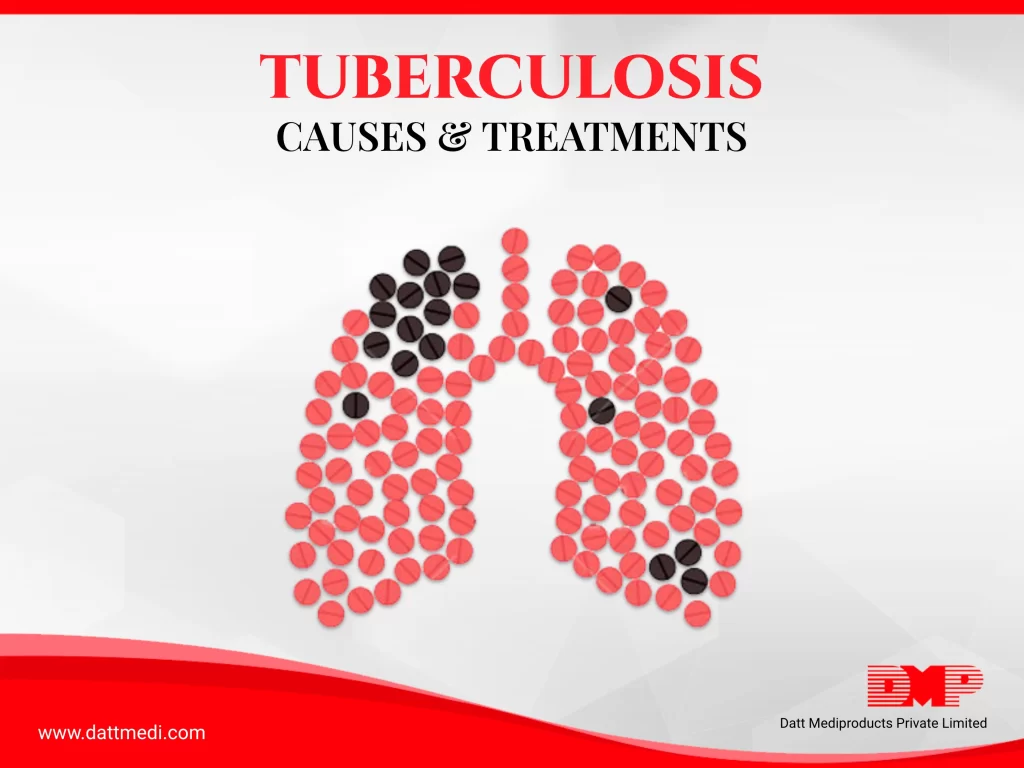
Tuberculosis is a potentially serious infectious bacterial disease caused by Mycobacterium tuberculosis. It mainly affects the lungs but other organs may also be involved.
TB is a contagious airborne disease. The germs spread through the air between the person with active Tb and everyone else, even if the TB positive person coughs, laughs, sneezes, or even talks to close. When a person breathes in TB bacteria, the bacteria settle in his/her lungs and multiply. The disease develops anywhere from a couple of days to a week after the infection is contracted.
(more…)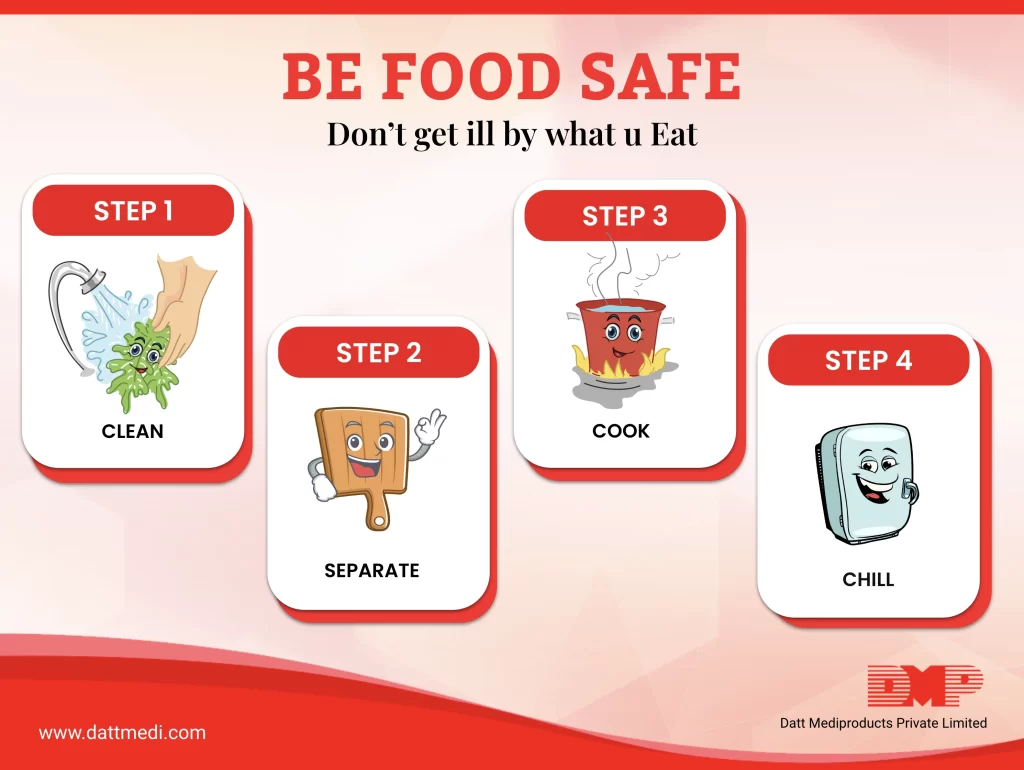
In this digital era, people are spending more time browsing food-related media. Cooking shows by celebrity chefs have been flooding our televisions, books, online sites & Apps. Despite this, Food Safety has been the least talked about.
Foodborne diseases are one of the major causes of illness and deaths around the world. The leading cause being the contamination of food by bacteria, viruses, parasites, and fungi. The most common foodborne diseases are due to Salmonella, Clostridium perfringes, norovirus, and Campylobacter.
Haemophilia is a bleeding disorder in which the blood doesn’t clot normally because of the absence of some vital clotting factors. It is an X-linked congenital bleeding disorder.
Following are the two common types of Haemophilia:
1. Haemophilia A (Classic Haemophilia): Haemophilia A is caused by a lack or decrease in the levels of clotting factor VIII.
2. Haemophilia B (Christmas Disease): Haemophilia B is caused by a lack or decrease in the levels of clotting factor IX
Organ Donation is the process of removing healthy organs and tissues from a living or deceased person (the DONOR) and transplanting into another person (the RECIPIENT).
Organ Donation is required when the recipient’s organ has stopped working or is severely damaged by any disease or injury.
Which Organs can be Donated?
* Internal organs: Kidneys, Heart, Liver, Pancreas, Intestines, Lungs
* Skin
* Bone and bone marrow
* Cornea
* Apart from these, cartilage, tendons, heart valves, middle ear and veins can also be donated
* In 2014, hands and faces were also added to the list
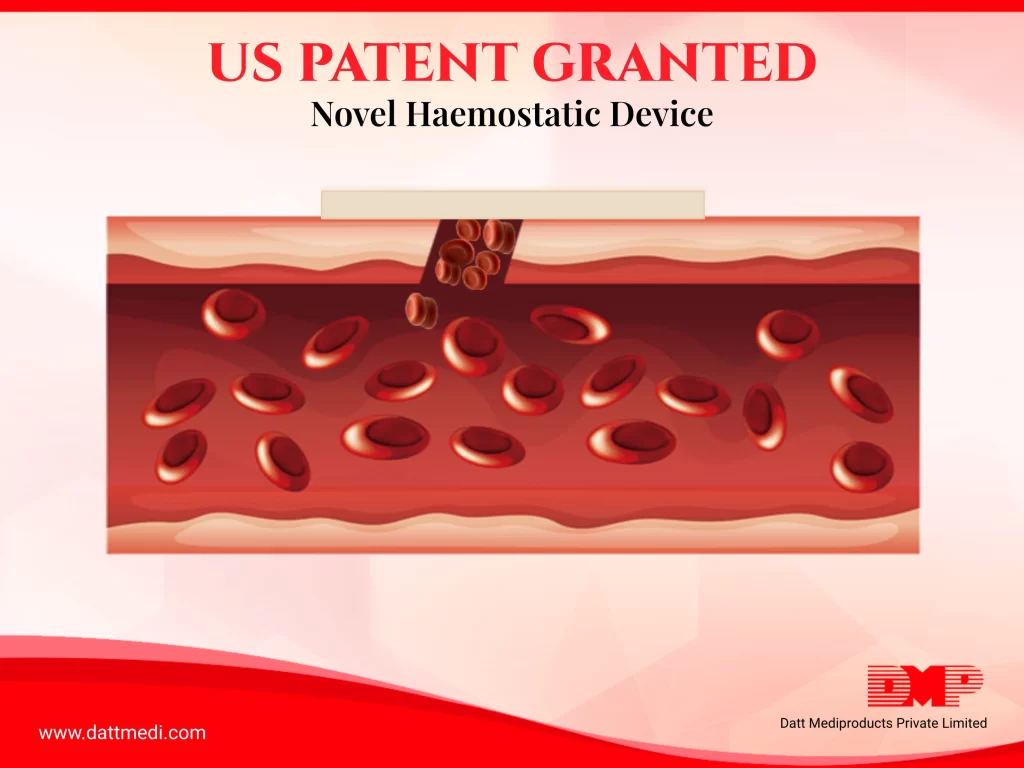
Patent No.: US 10,124,084 B2
Date of the Patent Granted: Nov. 13, 2018
Title of the Patent: READY TO USE BIODEGRADABLE AND BIOCOMPATIBLE DEVICE AND A METHOD OF PREPARATION THEREOF
Background of the Invention:
Haemostatic products are the agents which promote haemostasis (stop bleeding). These can be used for both surgical or traumatic wounds. Heavy blood loss from the wounds may result in a hypovolemic shock (when the body loses one-fifth of its blood and heart is not able to pump sufficient amount of blood to the body) leading to tissue and organ damage.