

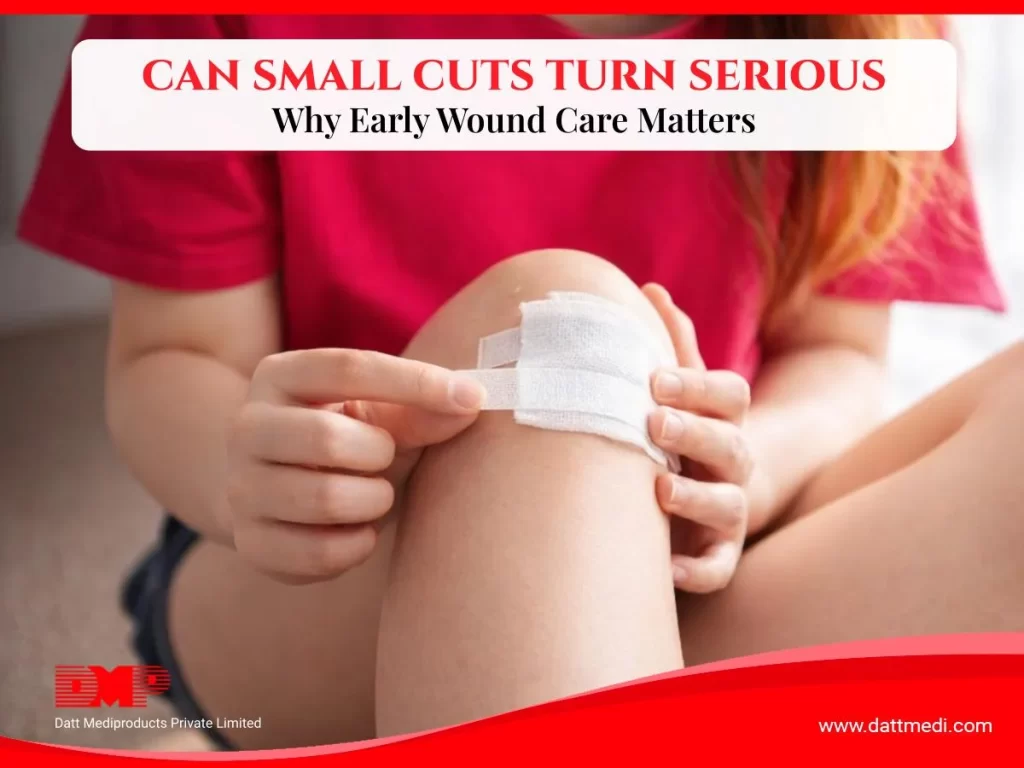
Yes, even a small cut can become infected if it isn’t cleaned and protected properly. Most minor cuts heal without complications, but bacteria can enter through broken skin and, in some cases, cause infection or deeper tissue problems.
Cuts and scratches are part of daily life, from cooking and gardening to shaving and minor accidents. The good news is that simple first aid can help protect a minor wound and support normal healing.
This blog explains why early wound care matters, the five basic first-aid steps, what to avoid, and the signs that mean a cut needs medical attention.
Why Does Early Wound Care Matter?
Cleaning and protecting a cut early helps remove dirt and reduce exposure to bacteria, friction and further injury.
When the skin breaks, the body’s protective barrier is. Prompt wound care can help reduce contamination and give the skin a cleaner environment to repair itself.
Delayed or inadequate care can contribute to:
- Increased risk of infection
- Slower healing
- Increasing redness or swelling
- Further irritation or injury
- In some cases, a deeper infection
How Does a Small Cut Become Infected?
A cut can become infected when bacteria enter through broken skin and multiply in the wound or surrounding tissue.
Common sources of contamination include:
- Dirt, dust or soil
- Unwashed hands
- Contaminated surfaces
- Dirty tools or objects
- Animal or human bites
The risk is higher when a wound is deep, contaminated or difficult to clean.
Normal Healing or Infection? How Can You Tell?
Mild redness, tenderness and a small amount of clear fluid can occur during normal healing. Increasing redness, swelling, warmth, pain or pus indicate infection.
| Sign | Normal Healing | Possible Infection |
| Redness | Mild and limited around the wound | Spreads outward or becomes increasingly pronounced |
| Pain | Gradually improves | Becomes worse or increases |
| Swelling | Mild and gradually settles | Increases or becomes increasingly warm/tender |
| Discharge | Small amount of clear or pale fluid | Pus or cloudy/foul-smelling discharge |
| Other | Gradual improvement | Fever, red streaks or feeling unwell |
The direction of change matters. A wound that is gradually improving is generally less concerning than one that becomes increasingly painful, red or swollen.
How Does Early Protection Help a Wound Heal?
A clean, appropriately covered wound is protected from dirt, friction and further injury while the body’s natural repair process takes place.
Early protection can:
- Reduce exposure to dirt and contamination
- Protect the wound from friction
- Reduce repeated touching or picking
- Help maintain an appropriate healing environment
- Protect newly forming tissue from further injury
The dressing should be kept clean and changed according to the needs of the wound and the dressing being used.
How to Treat a Small Cut: 5 First Aid Steps
For a minor cut, wash your hands, control the bleeding with direct pressure, rinse the wound with clean running water, cover it with an appropriate dressing, and monitor it for changes.
1. Wash Your Hands
Clean your hands before touching the wound or dressing.
This helps reduce the chance of introducing additional bacteria.
2. Stop the Bleeding
Apply firm, continuous pressure with sterile gauze or a clean cloth until the bleeding stops.
If blood soaks through the first layer, add more gauze or cloth without removing the original layer.
Seek urgent medical care if heavy bleeding does not stop with firm, continuous pressure or if the wound is deep or severe.
3. Rinse the Wound
Rinse a minor cut with clean running water to remove dirt and debris.
Avoid aggressively scrubbing the wound. Harsh substances can irritate healing tissue.
4. Cover the Cut
Cover the wound with a clean, appropriate dressing to protect it from contamination and friction.
Sterile gauze-based dressings can be useful for many minor wounds, while suitable tapes and adhesives can help secure a dressing.
Choose a dressing large enough to cover the wound and the surrounding area.
5. Check the Wound Regularly
Monitor the wound for increasing redness, swelling, warmth, pain or discharge.
Change the dressing when it becomes wet, dirty or loose, and follow the instructions for the particular dressing.
Tip: Avoid placing loose fibres directly onto an open wound, as they can stick to the healing tissue.
What Should You Avoid Putting on a Small Cut?
Avoid harsh substances, aggressive cleaning and unnecessary handling that can irritate the wound or interfere with healing.
- Don’t scrub the wound aggressively.
- Don’t repeatedly disturb the healing tissue.
- Don’t pick at scabs.
- Don’t use household chemicals on an open wound.
- Don’t apply irritating substances unless specifically recommended.
- Don’t place dirty or loose materials directly onto the wound.
For most minor cuts, gentle cleaning with clean running water and appropriate protection is a better approach than repeatedly applying harsh products.
When Is a Small Cut No Longer a Minor Wound?
A cut needs medical assessment when it is deep, gaping, heavily contaminated, continues bleeding, was caused by a bite or puncture, or develops signs of infection.
Seek medical advice if:
- Bleeding does not stop with firm pressure
- The wound is deep or gaping
- Dirt or debris remains embedded in the wound
- The injury was caused by an animal or human bite
- The wound is a puncture injury
- Redness or swelling continues to spread
- Pus or unusual discharge develops
- Pain becomes increasingly severe
- You develop fever or red streaks near the wound
- The wound is not improving after several days
- You are unsure whether your tetanus vaccination is up to date
People with diabetes, poor circulation or a weakened immune system may need earlier medical advice because these conditions can affect wound healing and elevate the infection risk.
When Should You See a Doctor for a Cut?
See a healthcare professional when a wound is deep, difficult to clean, won’t stop bleeding, shows signs of infection, or occurs in someone with a condition that can delay healing.
Prompt medical assessment is particularly important when a wound is caused by a bite, puncture or contaminated object.
Tetanus protection also depends on the type of wound and vaccination history. The CDC’s wound-management guidance provides further information about tetanus prevention after injuries.
If a wound requires specialised care, a healthcare professional may recommend appropriate options such as antimicrobial dressings or products from our advanced wound care range.
Can Small Cuts Become Serious in People with Diabetes?
Yes. A small wound can require closer attention in people with diabetes because reduced sensation or circulation can delay detection and healing.
Check the wound regularly and seek medical advice if it is not improving, becomes increasingly red or swollen, develops discharge, or shows other signs of infection.
This is especially important when reduced sensation makes it difficult to notice pain or injury.
Early Care Can Prevent Bigger Problems
A small cut does not usually become a serious problem, but early cleaning, appropriate protection and regular monitoring can help reduce complications.
The basic approach is simple:
- Clean the wound
- Control bleeding
- Protect it with an appropriate dressing
- Keep the dressing clean
- Monitor for changes
- Seek medical advice when warning signs appear
For additional information on wound care, explore the DMP wound care range.
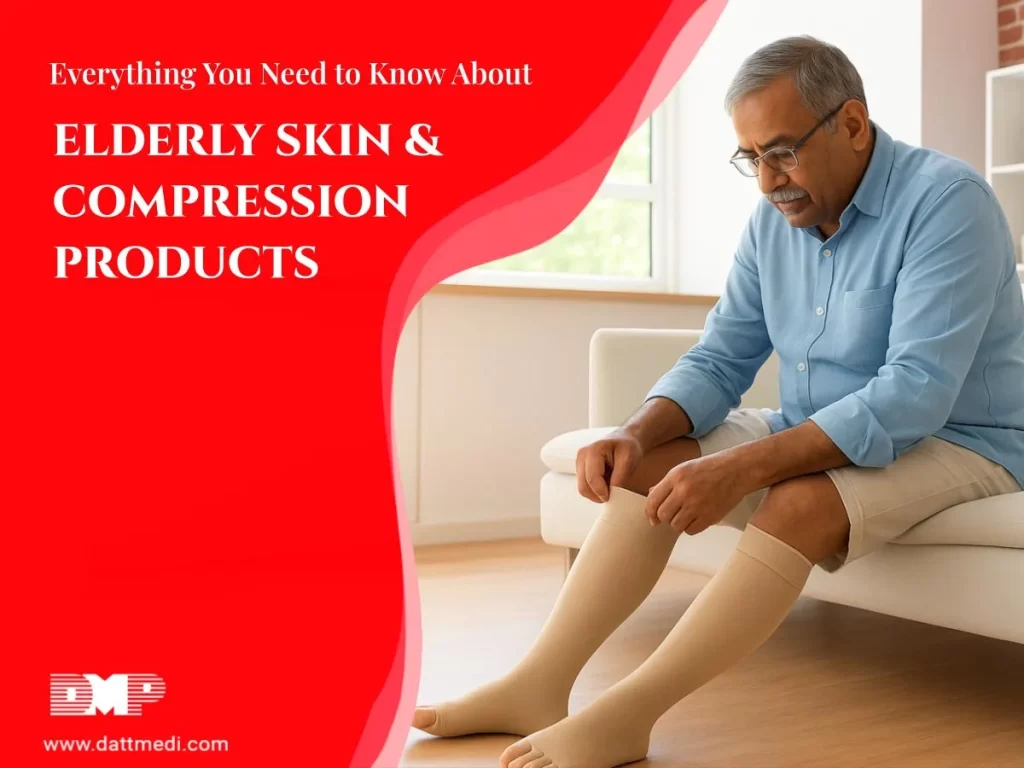
Compression can be safe for some older adults with fragile skin, but the right product, pressure and fit matter. If circulation is reduced or the skin is extremely fragile, a healthcare professional should assess the leg before compression is used.
As we age, skin becomes thinner, drier and less elastic. This can make it easier to bruise, tear or become irritated from pressure and friction. That does not automatically mean compression must be avoided. It means the garment or bandage needs to be selected, applied and monitored carefully.
This blog explains how compression stockings and bandages differ, what to look for when skin is fragile, how to use compression more safely, and which warning signs mean you should stop and seek medical advice.
Why Does Aging Skin Need Extra Care with Compression?
Older skin is more vulnerable to pressure, friction and skin damage, so fit and application become especially important.
Common changes in aging skin include:
- Thinner skin
- Reduced elasticity
- Increased dryness
- Greater tendency to bruise
- Higher risk of skin tears
- Slower recovery from skin damage
A compression garment that fits incorrectly or is applied roughly
can create unnecessary pressure or friction. Regular skin checks
are therefore particularly important for older adults.
Are Compression Stockings or Bandages Better for Fragile Skin?
Neither option is automatically better. The choice depends on the person’s skin condition, swelling, limb shape, dexterity and the type of compression required.
| Factor | Compression Stockings | Compression Bandages |
| Pressure | Designed to provide a defined level of compression | Depends on the bandage system and application |
| Fit | Requires accurate measurement | Can be adjusted around the limb |
| Application | May be difficult for people with limited hand strength or mobility | Often requires correct wrapping technique |
| Swelling | Useful when the limb can be fitted appropriately | Can be useful when limb size changes |
| Fragile skin | Needs careful application to avoid pulling or friction | Requires careful wrapping without excessive pressure or folds |
For someone who has difficulty putting on or removing a stocking, assistance or an appropriate application aid may be needed.
Read our guide on
Compression Bandages vs. Compression Stockings
for a closer comparison.
What Should You Look for in Compression Products for Older Skin?
Accurate sizing, appropriate pressure and a comfortable material are three important considerations when skin is fragile.
1. Accurate fit
A garment that is too tight may create excessive pressure, while one that is too loose may not provide the intended support.
Leg measurements should be taken according to the manufacturer’s instructions. Our guide on Correct Measurement and Fit of Compression Garments explains the process in more detail.
2. Appropriate compression level
The correct compression level depends on the reason for compression, circulation, swelling and the person’s medical condition.
Do not assume that a stronger compression level is better. If someone has peripheral arterial disease, reduced sensation, significant skin problems or other medical conditions, professional assessment is particularly important before compression is used.
NICE recommends assessment for peripheral arterial disease when compression hosiery is being considered.
3. Skin-friendly material
Look for material that feels comfortable against the skin and does not create unnecessary rubbing or moisture build-up.
The garment should also sit smoothly against the leg rather than bunching into folds.
What Are the Risks of Incorrect Compression?
Poor fit, excessive pressure, wrinkles or rough application can contribute to skin irritation, pressure damage or circulation problems.
Possible problems include:
- Redness or irritation
- Pressure marks
- Bruising
- Skin tears
- Blisters
- Skin breakdown
- Numbness or tingling
- Reduced circulation when compression is inappropriate
The risk is particularly important when the person has reduced sensation and may not notice pressure or discomfort immediately.
How Can Older Adults Use Compression More Safely?
Apply compression gently, avoid wrinkles, check the skin regularly and follow the recommended wear instructions.
1. Apply it gently
Avoid pulling aggressively on fragile skin. Gloves or suitable donning aids may make application easier and reduce unnecessary friction.
2. Keep the skin moisturised
Dry skin can be more vulnerable to cracking and irritation. A suitable fragrance-free moisturiser can help maintain the skin barrier.
Allow moisturiser to absorb before applying compression, and follow the garment manufacturer’s care instructions.
3. Remove wrinkles and folds
Wrinkles can create concentrated areas of pressure.
After applying the garment or bandage, check that it sits smoothly and does not form tight folds.
4. Check the skin every day
Pay particular attention to:
- Ankles
- Heels
- Shins
- Toes
- Behind the knees
- Areas over bony prominences
Look for new redness, bruising, blisters, swelling or skin damage.
5. Follow professional advice on wear time
There is no single wear schedule that is right for everyone. Follow the instructions provided for the specific condition, product and compression level.
When Should Compression Be Avoided or Professionally Assessed?
People with circulation problems, reduced sensation, significant skin damage or certain heart conditions should receive professional advice before using compression.
Extra assessment may be needed when there is:
- Known or suspected peripheral arterial disease
- Significant loss of sensation or peripheral neuropathy
- Very fragile or damaged skin
- Open wounds or active skin infection
- Significant or unexplained swelling
- Heart failure or other significant cardiac conditions
- A leg shape that makes correct fitting difficult
NICE notes that strong compression can affect arterial blood supply in people with peripheral arterial disease, which is why circulation assessment matters before compression is prescribed.
For people with venous leg ulcers, evidence reviewed by Cochrane indicates that compression can improve healing compared with no compression, although the evidence around adverse effects is less certain.
What Warning Signs Mean Compression Should Come Off?
Stop and seek medical advice if compression causes new or worsening symptoms such as significant pain, numbness, marked colour change, cold toes, blistering or skin damage.
Remove the garment or seek urgent medical assessment if you notice:
- New numbness or tingling
- Significant or increasing pain
- Toes becoming unusually cold, pale or blue
- New blisters or skin tears
- Rapidly worsening swelling
- Skin becoming damaged beneath the garment
Sudden one-sided leg swelling, pain, warmth or redness also needs prompt medical assessment because these symptoms can have causes that require urgent treatment, including a possible blood clot.
Do not simply increase or decrease compression yourself when symptoms appear. Get professional advice about the cause and the appropriate level of support.
Can Compression Help Older Adults with Swelling?
Compression can help manage certain types of leg swelling, particularly when swelling is related to venous or lymphatic problems, but the cause of swelling should be considered first.
Compression is not appropriate for every type of swelling.
If swelling is new, sudden, one-sided or accompanied by pain, warmth or redness, medical assessment is more important than simply applying compression.
For more information about how compression is used in wound care,
Read our guide to Compression Therapy in Wound Healing.
Supporting Older Skin While Using Compression
Compression does not have to mean compromising skin comfort.
For older adults with fragile skin, the focus should be on:
- Correct measurement
- Appropriate compression
- Gentle application
- Smooth, wrinkle-free positioning
- Regular skin checks
- Professional assessment when medical conditions are present
When these factors are considered, compression can be used appropriately as part of care for some older adults.
For everyday venous support, explore Velcare® Varicose Vein Compression Stockings. For adjustable compression support, explore the DMP Compression Bandage range.
Related Reading
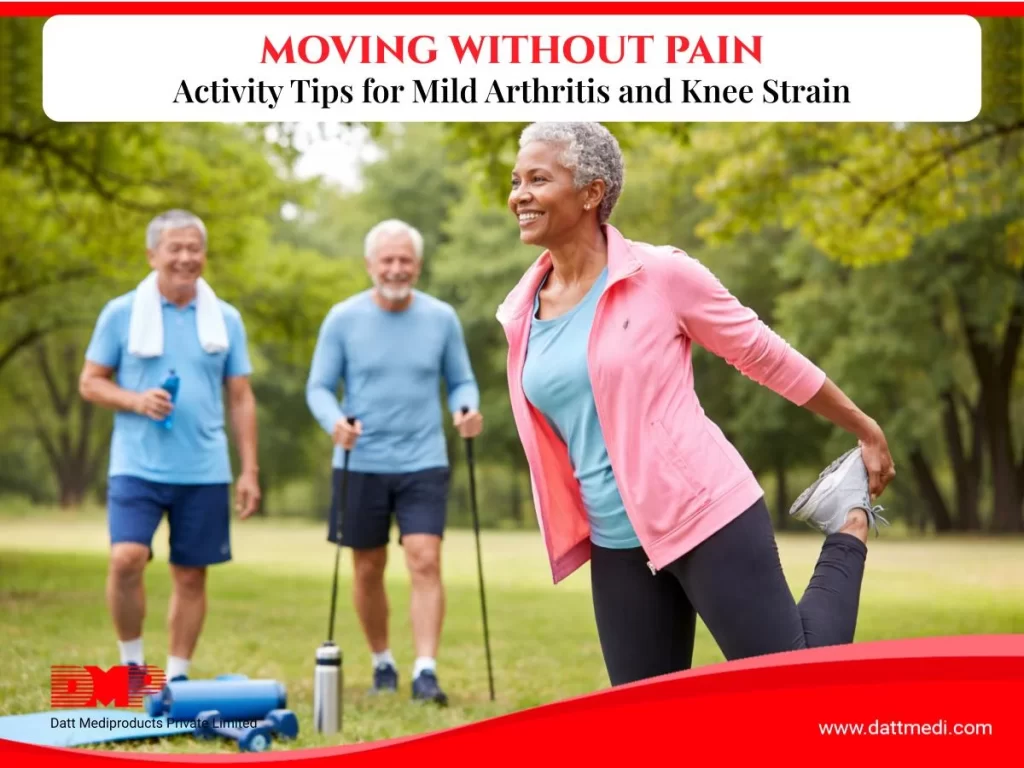
Avoiding movement because of mild arthritis or knee strain usually backfires — it leads to more stiffness, not less. The safer path is choosing joint-friendly, low-impact activity and adding support where it genuinely helps.
Many people assume rest is always the right answer for joint pain. But joints depend on regular movement to stay flexible and well-lubricated. Inactivity tends to weaken the surrounding muscles, which puts more pressure on the joint itself — not less.
This blog breaks down what actually helps, what to avoid, and how to build a routine that keeps you moving safely.
Rest vs Movement: What Is Actually Different?
Both approaches feel intuitive when a joint hurts, but they lead to very different long-term outcomes. The key difference is what each one does to the muscles and tissue surrounding the knee over time.
| Factor | Prolonged Rest | Gentle, Regular Movement |
| Effect on stiffness | Increases stiffness over time | Reduces stiffness after periods of rest |
| Effect on muscle strength | Weakens supporting muscles | Strengthens muscles that support the knee |
| Effect on joint lubrication | Reduces natural lubrication | Keeps the joint lubricated |
| Effect on pressure through the joint | Indirectly increases pressure (via weaker muscles) | Reduces pressure by sharing load with stronger muscles |
Prolonged rest may be appropriate during acute flare-ups or when recommended as part of clinician-directed recovery. For day-to-day management of mild arthritis or knee strain, gentle, regular movement is generally more suitable.
However, both approaches can have drawbacks when overdone. Too much rest can contribute to long-term mobility loss, and on the other hand exercising at too high an intensity that the body is not ready for can aggravate pain.
Why Movement Matters for Joint Health
Gentle, regular movement keeps the joint lubricated, keeps the muscles around it strong, and actually reduces stiffness — the opposite of what many people expect.
Gentle, regular movement can help:
- Improve joint flexibility
- Strengthen the muscles that support the knee
- Reduce stiffness after periods of rest
- Support overall mobility
Low-Impact Exercises That Are Easier on the Knees
Which to Choose
Walking, swimming, and cycling are the three most commonly recommended options because they build strength and mobility without the sudden impact that aggravates joint pain.
| Activity | Impact Level | Best For | Key Benefit |
| Walking | Low | Daily movement, circulation, beginners | Simple, accessible, supports circulation without jarring the joint |
| Swimming / water aerobics | Very low | Significant pain, higher body weight, flare-ups | Water supports body weight, letting you move with far less strain |
| Cycling (stationary or smooth terrain) | Low | Building quadriceps and hamstring strength | Controlled, repetitive motion strengthens muscles without impact |
Walking
On flat, stable surfaces, walking is one of the simplest ways to stay active and supports circulation in the legs without jarring the joint.
Swimming or water exercise
Water supports your body weight, so swimming and water aerobics let you move comfortably with far less strain on the knees than land-based exercise.
Cycling
A stationary bike or smooth terrain lets you strengthen the muscles around the knee through controlled, repetitive motion, without impact.
Do Knee Supports Actually Help During Activity?
Yes, as an aid; not a replacement for strengthening.
Knee sleeves and braces add mild compression and stability,
which can make movement feel safer and more comfortable, especially early on.
Supports may help by:
Providing mild compression around the joint Adding extra stability during movement Increasing confidence while walking or exercising. Options like Knee Cap® or Knee Cap Classic® offer light, breathable compression suited for daily activity.
However, knee supports should not become a long-term substitute for strengthening the muscles around the joint. Over-reliance on external supports may reduce how much the muscles have to work, which can contribute to weakness over time. As strength and stability improve, it may be appropriate to reduce or stop using the support, depending on individual needs and professional guidance.
Strengthening the Muscles Around the Knee
Stronger muscles around the knee take pressure off the joint itself. This is one of the most effective long-term ways to reduce strain, more so than rest alone.
After getting professional guidance, useful exercises often include:
- Gentle resistance exercises for the quadriceps Light hamstring strengthening Controlled stretching for flexibility
- If you’re recovering from an actual strain rather than general stiffness, the difference in approach matters.
- Related reading: Muscle Strains: Causes and Effective Recovery Strategies
- Arthritis specifically carries its own considerations for compression and activity level.
Lifestyle Habits That Support Joint Health
Body weight, footwear, and seating all affect how much daily pressure lands on your knees — small adjustments here reduce strain without any exercise involved.
Helpful adjustments:
- Maintaining a healthy body weight
- Wearing supportive footwear
- Choosing chairs with proper back and leg support
- Pacing activity and taking breaks when needed
For added support during activity, compression bandages are sometimes used to manage strain, and tapes and adhesive supports can help with dressing security if there's any accompanying skin sensitivity or minor injury.
When to Scale Back and Check In With a Professional
- Movement should feel manageable, not punishing. Some signals mean it’s time to pause and get guidance rather than push through.
- Pain increases noticeably during or after activity
- Swelling develops or worsens
- Movement becomes noticeably more difficult than usual
- The knee feels unstable or gives way
Physiotherapists can build a personalised activity plan that supports recovery without overloading the joint.
Staying Active Safely
Staying active with mild arthritis or knee strain isn’t about avoiding movement, it’s about choosing the right kind. Low-impact exercise, appropriate support, and a few lifestyle adjustments let most people keep moving comfortably while protecting long-term joint health.
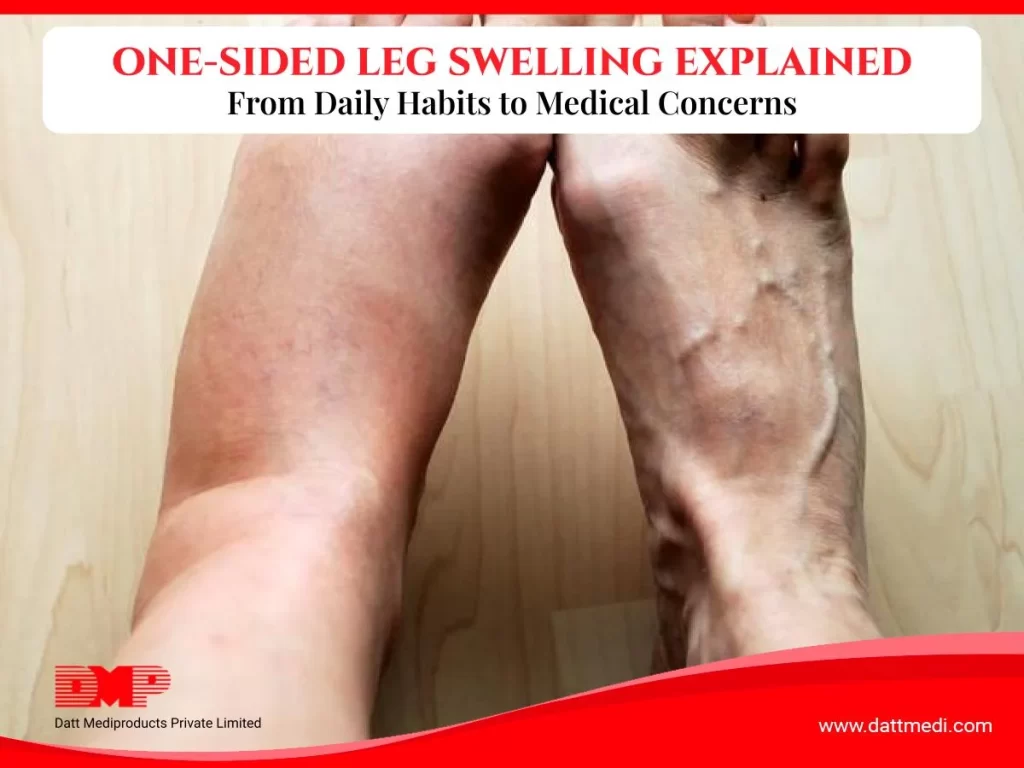
Some swelling in both legs after a long day of standing or sitting is common and usually nothing to worry about. But when one leg is noticeably more swollen than the other, it’s worth understanding why — and knowing when it’s a signal to see a doctor rather than just rest and elevate.
Common Reasons One Leg May Swell More Than the Other
One-sided leg swelling can have several causes, ranging from prolonged standing or reduced movement to conditions such as chronic venous insufficiency, lymphedema, infection, or deep vein thrombosis (DVT). Sudden or unexplained swelling should be medically evaluated, particularly when it is accompanied by pain, warmth, redness, or other concerning symptoms.
1. Impaired Circulation
When the veins in one leg are less efficient at moving blood back toward the heart, fluid collects in that leg’s tissue — this shows up as more noticeable swelling on that side.
Conditions that can cause this imbalance include:
- Varicose veins
- Chronic venous insufficiency
- Reduced muscle activity in one leg
- Weak calf muscle pump function
- Lymphedema
If you're on your feet for long stretches, our guide on why prolonged standing causes leg swelling explains the exact mechanism — and what actually helps. For a deeper look at circulation and healing, see compression therapy and wound healing.
2. Postural Habits
Consistently favoring one leg — standing with weight shifted to one side, sitting cross-legged, or always sleeping on the same side — can slow circulation on that one side over time & cause mild swelling in one leg or ankle. However persistent swelling should be evaluated by a medical professional.
Small daily patterns that contribute:
- Standing with weight shifted onto one leg
- Sitting cross-legged for extended periods
- Sleeping consistently on one side
Staying mobile and, where appropriate, using compression bandages can help counter this.
3. Past Injury or Surgery
Scar tissue or structural changes from a past injury, surgery, or procedure involving lymph nodes can reduce normal fluid drainage in that limb — making it swell more easily than the other.
Examples include:
- Fractures or ligament injuries
- Knee, hip, or ankle surgery
- Medical procedures involving lymph nodes
If lymphatic drainage is part of what you’re managing, our guide on lymphedema care and management covers this in depth. Recovery-stage support from the orthopedic products range may also help during this period.
4. Reduced movement or muscle activity
When one leg is less active than the other, the muscles in that leg may not contract as frequently. Normally, muscle contractions especially in the calf — help push blood and fluid back toward the heart. If movement is reduced because of pain, weakness, limited mobility, prolonged sitting, or favoring one leg, this muscle-pump action can become less effective, allowing fluid to accumulate in the tissues and making the leg appear more swollen.
Reduced movement can occur after an injury or surgery, or when someone has difficulty walking normally. In these situations, swelling may be temporary. However, persistent, significant, or sudden one-sided swelling should not automatically be attributed to inactivity, as other causes such as a blood clot or infection may need to be ruled out.
5. Medical Conditions That Can Cause One-Sided Swelling
Uneven leg swelling can also be caused by several medical conditions that affect the lymphatic system, veins, or tissues of the leg.
Some important possibilities include:
- Lymphedema:
This occurs when the lymphatic system cannot drain fluid effectively, causing fluid to build up in the tissues. It can affect one leg or both and may cause persistent swelling, heaviness, tightness, or thickening of the skin. - Infection or inflammation:
An infection such as cellulitis can cause localized swelling along with redness, warmth, tenderness, and sometimes fever. Inflammation from an injury or another underlying condition can also cause swelling in one leg. - Chronic venous insufficiency:
When the veins have difficulty returning blood from the legs to the heart, blood can pool in the lower leg. This may cause swelling, heaviness, aching, skin discoloration, or changes around the ankles. Symptoms may become more noticeable after prolonged standing or sitting. - Deep vein thrombosis (DVT):
A DVT is a blood clot in a deep vein, usually in the leg. It can cause sudden or new swelling in one leg, sometimes accompanied by pain, tenderness, warmth, or redness. DVT is important to recognize because a clot can potentially travel to the lungs and cause a pulmonary embolism.
When Uneven Leg Swelling Needs Medical Attention
Occasional mild swelling after a long day is usually fine. Get it checked promptly if the swelling is sudden, painful, or comes with redness, warmth, or breathing symptoms — these can indicate a blood clot or other condition needing urgent care.
See a doctor or other healthcare professional if the swelling is:
- Sudden and painful
- Accompanied by redness or warmth
- Associated with tenderness in the leg
- Linked to shortness of breath or chest discomfort
- Worsening over time or not improving with rest and elevation
- Skin changed or unexplained discomfort.
If you experience shortness of breath or chest pain alongside sudden leg swelling, treat it as an emergency and seek immediate medical care — this combination can indicate a blood clot that has traveled to the lungs.
Managing Mild Leg Swelling
For swelling linked to circulation or posture rather than injury, movement, elevation, and — where appropriate — graduated compression are the most effective everyday tools.
Helpful daily practices:
- Elevating the legs during rest
- Moving regularly after long periods of sitting or standing
- Gentle leg exercises to activate calf muscles
- Wearing supportive footwear
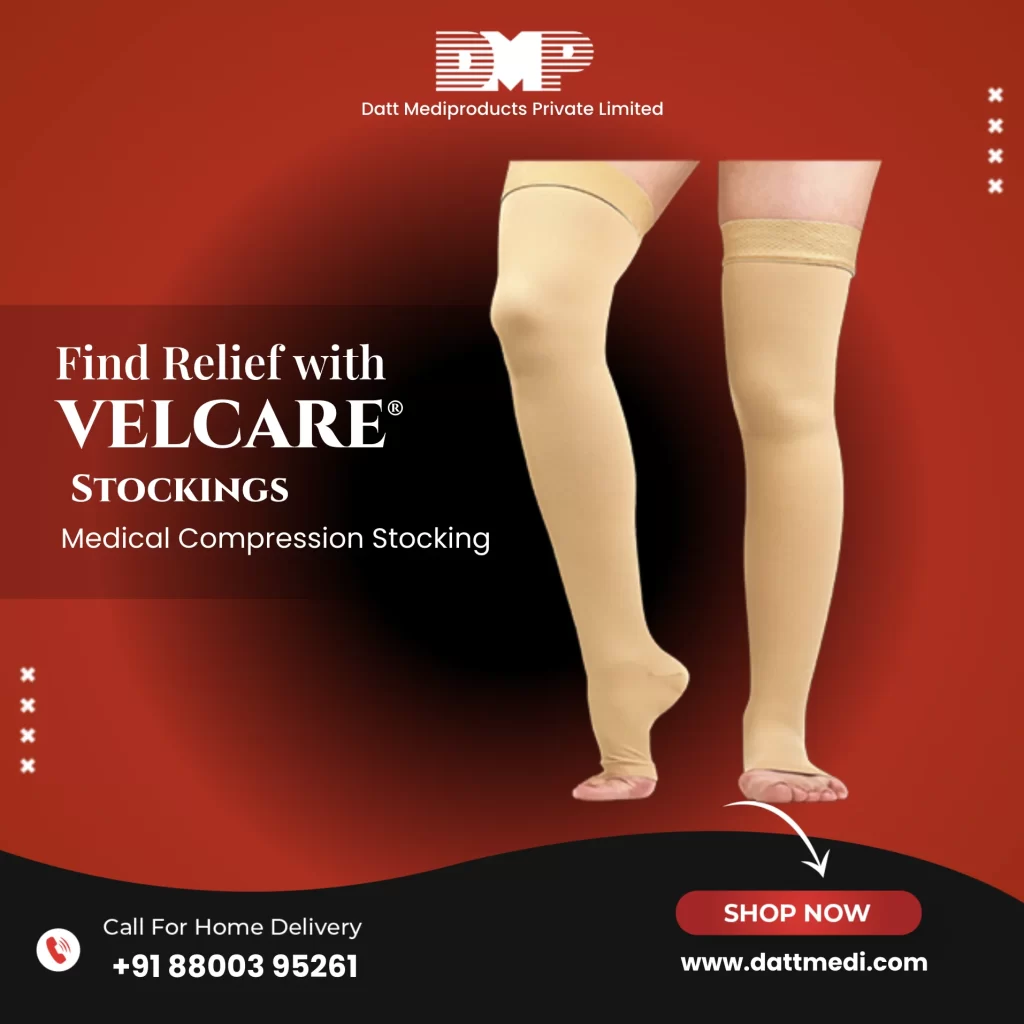
Many people managing varicose veins or mild venous insufficiency use the Velcare® Varicose Vein Compression Stockings for daily graduated compression. If you’re considering compression support, correct sizing matters — see our guide on measuring and fitting compression garments correctly to get the fit right the first time. Our comparison of compression bandages vs. compression stockings can also help you decide which is right for your situation.
Our comparison of compression bandages vs. compression stockings can also help you understand which option may be appropriate for different situations.
Supporting Healthy Circulation
Mild, occasional asymmetrical swelling isn’t unusual — but persistent one-sided swelling should always be assessed by a healthcare professional to rule out more serious causes. Paying attention to posture, movement, and circulation day to day goes a long way toward keeping both legs comfortable.
Related reading:
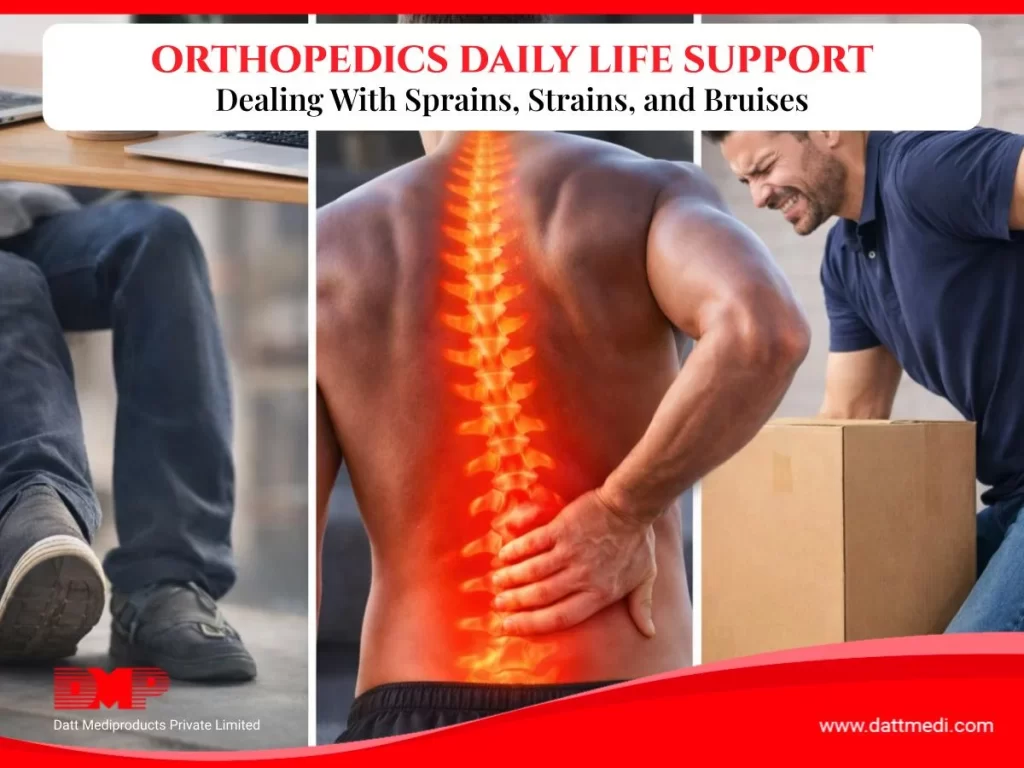
Back pain rarely comes from one dramatic moment. More often, it builds slowly — from how you sit, how you lift, and how much you move (or don’t) during an ordinary day.
The good news: because these habits are small and repeated, small corrections add up fast. Here are the five biggest everyday culprits, and what to actually do about each one.
1. Poor Posture During Screen Time
Slouching while looking at a screen pulls your head forward and loads your spine with extra weight it wasn’t built to carry in that position — over hours, this causes fatigue, stiffness, and pain.
Fix it:
- Sit with your spine neutral and shoulders relaxed, not hunched forward
- Raise screens to eye level so you’re not bending your neck down
- Use an ergonomic chair or a lumbar support cushion
- Stand or stretch every 30–45 minutes
If you're managing an existing strain or a support during long desk hours, a soft posture corrector can help retrain alignment. For a deeper look at why this matters beyond just back pain, see the health benefits of good posture.
2. Incorrect Lifting Techniques
Bending at the waist to lift — instead of bending your knees — puts sudden, concentrated pressure on your lower back. Do this repeatedly and you risk a genuine muscle strain, not just soreness.
Fix it:
- Bend your knees, not your back
- Keep the object close to your body
- Keep your back straight through the lift
- Never twist your torso while carrying weight
If a strain has already happened, our guide on muscle strain causes and recovery covers what actually supports healing — and what can slow it down. Muscle strains are also common in athletes, particularly in sports involving sprinting, jumping, kicking, and other explosive movements. For a broader look at sports-related orthopedic injuries, see our guide on orthopedic injuries in athletes.
3. Sitting for Long Periods Without Movement
Long, unbroken sitting stiffens the back and hips and slows circulation — and reduced blood flow means more muscle fatigue and discomfort, even without any single “wrong” movement.
Fix it:
- Stand or walk for a few minutes every hour
- Add simple back and leg stretches through the day
- Use a standing desk if it’s available to you
Circulation-focused support can also help here. Compression bandages are sometimes used to support circulation during long periods of inactivity, particularly for the legs.
4. Weak Core Muscles
Your abdominal and lower-back muscles share the job of stabilizing your spine. When they’re weak, your spine has to work harder on its own — and that imbalance shows up as fatigue and pain over time.
Fix it — simple strengthening moves:
- Bridges
- Planks
- Pelvic tilts
These don't need to be intense. Consistency matters more than difficulty here.
5. Lifestyle Factors That Strain the Spine
Extra body weight, an unsupportive mattress, and chronic stress all add ongoing load to your spine — none of these show up as a single injury, but together they compound.
Fix it:
- Maintain a healthy body weight
- Choose a mattress that supports spinal alignment
- Build in relaxation techniques to ease muscle tension
If back pain has become a longer-term, ongoing issue rather than an occasional twinge, our guide on the role of exercise in chronic pain management covers how movement, not prolonged rest, can be part of a better long-term strategy.
A physiotherapist can also assess what’s contributing to your pain and help you build an exercise and recovery plan suited to your needs. For lower back-specific support, a lumbo-sacral support may provide additional support during certain activities or periods of recovery.
When Back Pain Needs Medical Attention
Occasional discomfort that improves with posture changes and movement is common and usually not serious. See a doctor if:
- Pain becomes severe or persistent
- Movement becomes noticeably difficult
- Pain spreads down into your legs or elsewhere
A healthcare professional can properly evaluate the cause and recommend the right treatment or rehab plan — self-managing is fine for mild, short-term discomfort, but not for these signs.
Supporting a Healthier Back
Most back pain isn’t caused by one bad moment — it’s built from small daily habits. Fixing your posture, lifting correctly, moving more, and strengthening your core will do more for your spine than almost anything else. For extra support during recovery or long days, browse the full orthopaedic products range.
Related reading:
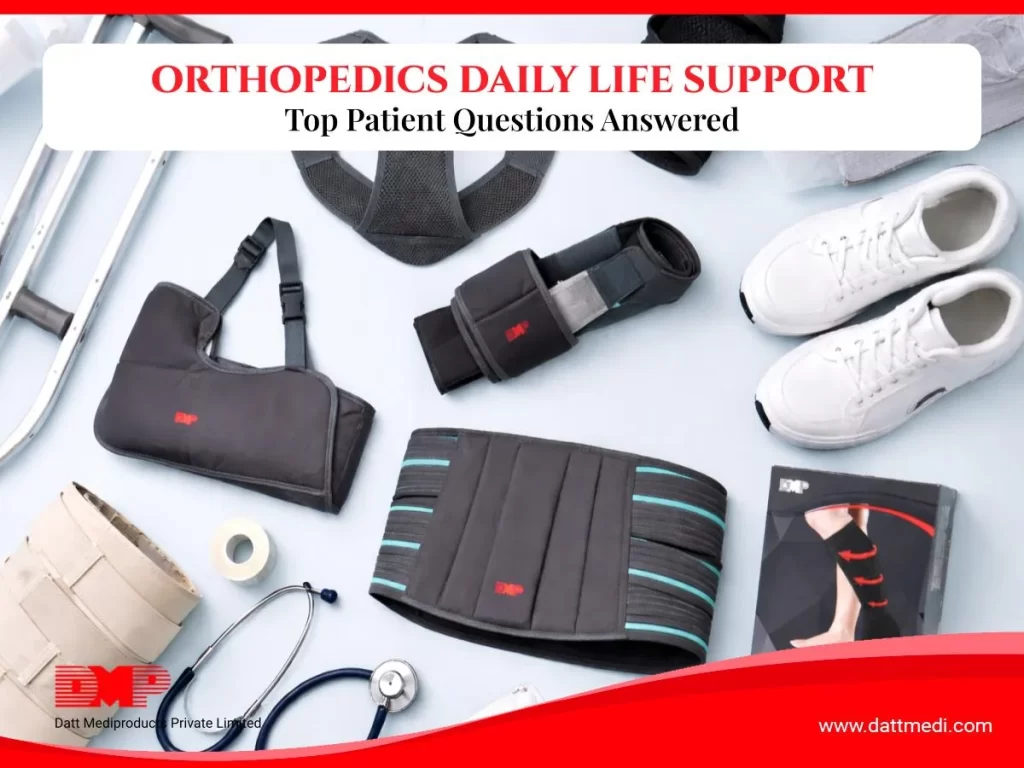
Braces, sleeves, and compression wraps help protect joints, support healing after an injury, and make daily movement more comfortable. But most people have the same handful of questions before they start using one: Is it safe? How long should I wear it? Will it actually help, or am I just wasting money?
Below are the 10 questions patients ask most, answered simply — plus what to watch for if something isn’t working.
1. Are orthopedic supports safe to use?
Yes, when you pick the right type and size. The main risk isn’t the brace itself — it’s wearing the wrong fit or size.
Supports are built to stabilize joints and reduce strain during recovery. Sizing is what actually determines whether you get the benefit or just end up uncomfortable. Datt byproducts’ orthopedic support range is sized for exactly this reason — one-size-fits-all rarely works well for joint support.
2. How long should I wear an orthopedic support?
It depends on why you’re wearing it — short-term for an injury, or only during specific activities for stability. Most doctors recommend against wearing one all day, every day, long-term.
Continuous, prolonged use can let supporting muscles get lazy, which works against you once you take the brace off. For acute injuries, follow your doctor’s timeline. For preventive or activity-specific support (like a knee brace during a run), wear it only when needed.
3. Are orthopedic supports comfortable enough for daily use?
Yes, modern ones are — if sized correctly. Poor fit is almost always the reason someone finds a brace irritating.
Look for breathable, flexible material and adjustable straps. A knee cap support designed for daily wear should stay in place without you having to constantly readjust it.
4. Do I need a doctor’s recommendation to use one?
Not always. For mild, everyday discomfort, many people choose support on their own. For an injury, chronic pain, or post-surgery recovery, get a professional’s input first.
A doctor or physiotherapist can tell you the right type of support — not just size, but whether you need light compression, rigid stabilization, or something else entirely. Guessing here can slow your recovery down.
5. How do I clean an orthopedic support?
Hand wash in mild soap and lukewarm water, air dry fully, and skip harsh chemicals or heat.
Simple steps:
- Wash with mild soap and lukewarm water
- Gently scrub areas that touch skin
- Rinse out all soap residue
- Air dry completely before wearing it again
Heat and strong detergents can break down elastic fibers faster, so avoid the dryer. If you’re using adhesive tapes or dressings alongside a support, follow the care instructions for those products separately rather than washing them with the support.
6. Can I wear a support during exercise or physical activity?
Yes, for extra stability — but don’t let it replace strengthening work. Relying on a brace instead of building muscle can leave the joint weaker over time.
If you’re managing swelling or circulation issues during activity, our guide on compression therapy and wellness routines covers how to combine movement with the right support safely.
7. How do I choose the right orthopedic support?
Match it to three things — the joint involved, how severe the issue is, and how much mobility you need day to day.
Getting the size right matters as much as getting the type right. Our step-by-step guide on measuring and fitting compression garments correctly walks through exact measurement points so you’re not guessing.
8. Can support replace physical therapy or exercise?
No. A support stabilizes and protects — it doesn’t rebuild strength or mobility. That’s what rehab exercises are for.
Think of a brace as scaffolding, not a fix. If you’re recovering from a strain or sprain, see our piece on why muscle strains happen and how to recover faster for what actually rebuilds the joint or muscle long-term.
9. What lifestyle changes help while wearing a support?
Good posture, avoiding heavy lifting during recovery, and taking breaks from repetitive movement all reduce strain on the joint you’re protecting.
Small habits add up — especially posture. If back or spine alignment is part of what you’re managing, a posture corrector alongside your main support can help, and our article on the health benefits of good posture explains why this matters more than most people realize.
10. How do I know if my support isn’t fitting right?
Watch for excessive tightness, numbness or tingling, skin redness, or the brace slipping during movement. Any of these means it’s time to adjust or resize.
Don’t push through these signs — a support that’s fighting you isn’t helping you. If irritation continues even after resizing, it’s worth checking in with a doctor, especially post-injury or post-surgery.
Using Orthopedic Supports Effectively
The right support — correctly sized, cleaned properly, and used alongside rehab rather than instead of it — genuinely helps with joint protection and recovery. For specific joints, browse our limbo-sacral support for lower back issues, soft cervical collar for neck support, or the full orthopedic products range to compare options.
Related reading: