
Search by Blog
Read by Category

Your healing journey continues beyond this blog

Find the right products for better recovery at online store
Cart Image
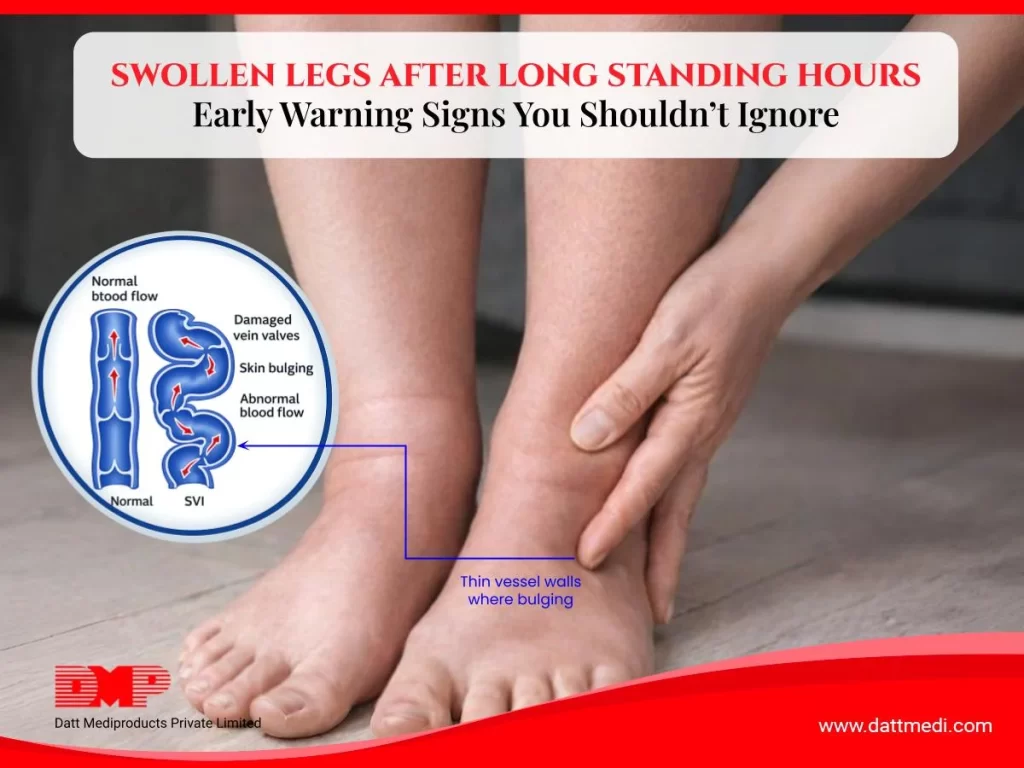
Leg Swelling after prolonged standing due to fluid retention

If your legs feel heavy, tight, or visibly swollen by the end of a long shift, you are not imagining it. Prolonged standing is one of the most common drivers of leg swelling in working adults — and it affects people in healthcare, retail, hospitality, manufacturing, teaching, and any other profession that keeps them on their feet for hours at a time.

This guide explains the underlying mechanism, the factors that make some people more susceptible than others, and what actually works to manage and prevent the problem — including when medical-grade compression stockings are the right tool.

What Actually Causes Leg Swelling When You Stand

The heart pumps blood downward through arteries with little effort. Getting it back up through the veins — against gravity — is a much harder job. 

The body relies on three mechanisms to do this: 

  • Venous valves that prevent flowing backward
  • The rhythmic contraction of calf and leg muscles that squeeze blood upward
  • The elastic recoil of the vein walls themselves.

When you stand still for extended periods, the second mechanism — the muscle pump — largely switches off. Blood moves sluggishly in the lower leg veins, pressure builds, and fluid begins leaking through the vein walls into the surrounding tissue. This is venous pooling, and the visible result is swelling around the ankles and lower legs.

The swelling is typically worse at the end of the day and improves after lying down or elevating the legs, because horizontal positioning removes gravity from the equation. This pattern — worsening through the day, improving with rest — is the clearest indicator that prolonged standing is the primary cause.

Why Some People Swell More Than Others

1. Venous Valve Insufficiency

Healthy veins contain one-way valves that prevent blood from flowing back toward the feet between heartbeats. In some people, these valves weaken or become leaky — a condition called chronic venous insufficiency. When this happens, blood pools more easily, swelling occurs faster, and visible varicose veins may develop over time. People with venous insufficiency are significantly more affected by prolonged standing than those with healthy valve function.

2. Varicose Veins

Varicose veins are enlarged, twisted veins that have lost their structural integrity. They are a direct consequence of venous valve failure and represent a more advanced stage of venous disease. Standing for long periods accelerates the pooling in these vessels and worsens both swelling and the aching, heaviness, and fatigue that accompany it.
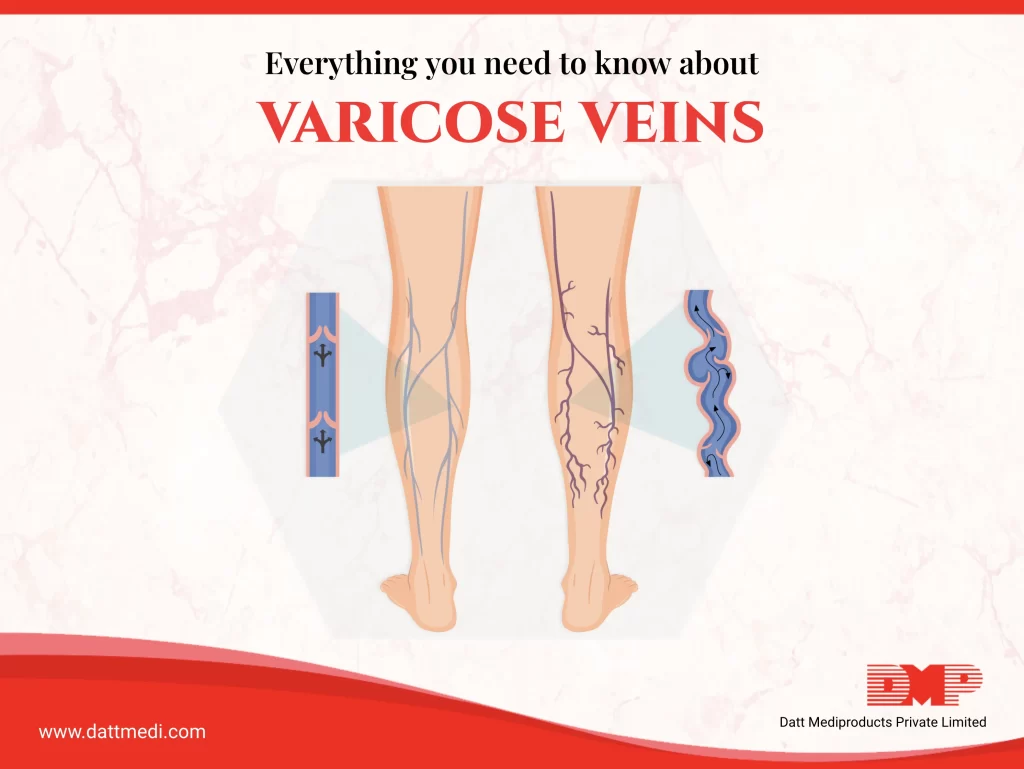
Related reading: The Ultimate Guide to Understanding Varicose Veins

3. Body Weight and Physical Conditioning

Higher body weight places increased pressure on the venous system in the legs. Reduced physical fitness means the leg muscles — which are the primary pump for venous return — are less effective. Both factors increase susceptibility to standing-related swelling.

4. Occupation and Daily Pattern

The duration of unbroken standing matters more than total standing time. Someone who stands for eight hours but walks between tasks frequently will experience less pooling than someone who stands relatively still at a counter or workstation. The absence of walking breaks is a key risk factor.

When Swelling Needs Medical Attention

Swelling that follows the pattern described above — building through the day, resolving overnight — is generally benign and related to venous pooling. However, some patterns warrant prompt medical evaluation:

  • Swelling that is sudden, severe, or in one leg only — may indicate deep vein thrombosis (DVT)
  • Swelling accompanied by redness, warmth, or skin changes — may suggest infection or phlebitis
  • Swelling that does not improve after a full night’s rest
  • Swelling with associated chest pain, breathlessness, or palpitations — seek emergency care
  • Swelling in the context of heart, kidney, or liver conditions
If any of these apply, see a healthcare professional before starting any compression therapy.

Practical Measures That Reduce Standing-Related Swelling

Movement Breaks

Walking — even for two to three minutes per hour — reactivates the calf muscle pump and significantly reduces venous pooling. If walking is not possible, calf raises, foot circles, and toe pumps performed in place have a similar effect. The goal is to avoid completely static standing for long unbroken periods.

Leg Elevation After Work

Elevating the legs above heart level for 15–20 minutes after a long shift allows gravity to assist venous and lymphatic drainage. This is one of the most effective ways to accelerate overnight recovery and reduce residual swelling the next morning.

Footwear

Shoes with cushioned soles and low heels support natural foot movement and reduce fatigue. Tight footwear compresses the foot and can restrict venous return. Flat shoes without arch support reduce calf engagement during walking, which reduces the efficiency of the muscle pump.

Medical-Grade Compression Stockings

Compression stockings are the most evidence-supported intervention for managing venous pooling during prolonged standing. Unlike general support hosiery, medical-grade stockings apply graduated compression — highest at the ankle, reducing toward the knee or thigh — which mechanically assists venous return and prevents fluid from leaking into surrounding tissues.

Velcare® Varicose Vein Medical Compression Stockings

The Velcare® range from Datt Mediproducts is a medical-grade compression stocking designed specifically for venous conditions, including swelling from prolonged standing, phlebitis, varicose veins, venous insufficiency, oedema, deep vein thrombosis management, and post-surgical recovery.

Key specifications:

  • Class 2 compression: 23–32 mmHg — the clinical standard for moderate-to-severe venous conditions
  • Graduated compression: pressure is highest at the ankle and reduces toward the top of the stocking, actively assisting upward blood flow
  • 70% Nylon, 30% Spandex: breathable, latex-free, and suitable for daily extended wear
  • Four-way stretchability: conforms to the leg without restricting movement
  • Soft construction: designed for comfort during long work hours
  • Available in S, M, L, XL

The Velcare® range is available in three styles to suit different clinical needs and preferences:

StyleCoverageBest For
Open Toe, A-D (no silicone band)Ankle to kneeEveryday leg swelling from standing; those who prefer open toe for breathability or foot conditions
Open Toe, A-D with Silicone BandAnkle to kneeUsers who need the stocking to stay in place securely without rolling down during a long shift
Open Toe, A-G with Silicone BandAnkle to groinMore extensive venous conditions, post-surgical recovery, or where thigh-high coverage is clinically indicated

How to Use Compression Stockings Effectively

Put Them On Before Getting Up

Compression stockings work best when applied before venous pooling begins. Put them on in the morning before standing up, while the legs are still at their least swollen. Applying them after standing for an hour is significantly less effective.

Wear Through the Working Day

Keep the stockings on throughout the shift. Removing them mid-day and then reapplying is less effective than continuous wear during standing hours.

Remove in the Evening

Once you are off your feet and resting, the stockings can be removed. Compression is needed during the periods of venous stress — standing and walking — not during rest.

Sizing Matters

An incorrectly sized stocking — too loose or too tight — will not deliver the intended compression level. Measure ankle and calf circumference, and refer to the Velcare® sizing guide before ordering. When in doubt, consult a healthcare professional or pharmacist for fitting guidance.

Care and Longevity

Medical compression stockings should be washed regularly — typically after each wear — in cool water with gentle detergent. Air dry rather than tumble dry to preserve the elastic fibres. Most compression stockings require replacement every 4–6 months with regular daily use, as the elasticity gradually reduces.

Managing Leg Health Is a Daily Habit

Standing-related leg swelling is a physical consequence of how blood moves — or stops moving — during long hours on your feet. It is not inevitable. Movement breaks, appropriate footwear, evening elevation, and the right compression support together make a significant and measurable difference.

For people with varicose veins, venous insufficiency, or a job that keeps them standing for the majority of their working day, medical-grade graduated compression stockings are the most clinically supported intervention available. The Velcare® Varicose Vein Compression Stocking range is designed for exactly this context — durable, breathable, and calibrated to the compression level that delivers real results.
Visit www.dattmedi.com for more infomation.
Share:

Frequnently Asked Questions

Yes, for most people managing venous conditions or standing-related swelling. Medical-grade compression stockings like Velcare® are designed for daily use. If you have arterial circulation problems, peripheral neuropathy, or certain skin conditions, consult a healthcare professional before use.

Class 1 stockings provide 18–21 mmHg of compression and are suited to mild venous conditions or preventive use. Class 2 (23–32 mmHg), like the Velcare® range, is the clinical standard for moderate-to-severe varicose veins, oedema, DVT management, and post-surgical recovery. The higher compression provides meaningful mechanical support for the venous return.

Yes. Compression stockings are often recommended as a preventive measure for people with varicose veins who stand for long periods, even before significant swelling develops. They slow the progression of venous insufficiency and reduce daily discomfort.

For most people managing everyday leg swelling from work, the A-D (ankle to knee) open toe style without silicone band is sufficient. If the stocking tends to roll or slip during a long shift, the silicone band version provides a more secure fit. A-G coverage (ankle to groin) is typically recommended when there is venous involvement above the knee, or when a clinician has specifically advised thigh-high stockings.

For mild, everyday swelling from standing, most adults can use Class 2 compression stockings without a prescription. However, if you have diabetes, arterial disease, heart conditions, or if the swelling is unexplained or asymmetric, consult a healthcare professional before starting compression therapy.

Recent Blogs
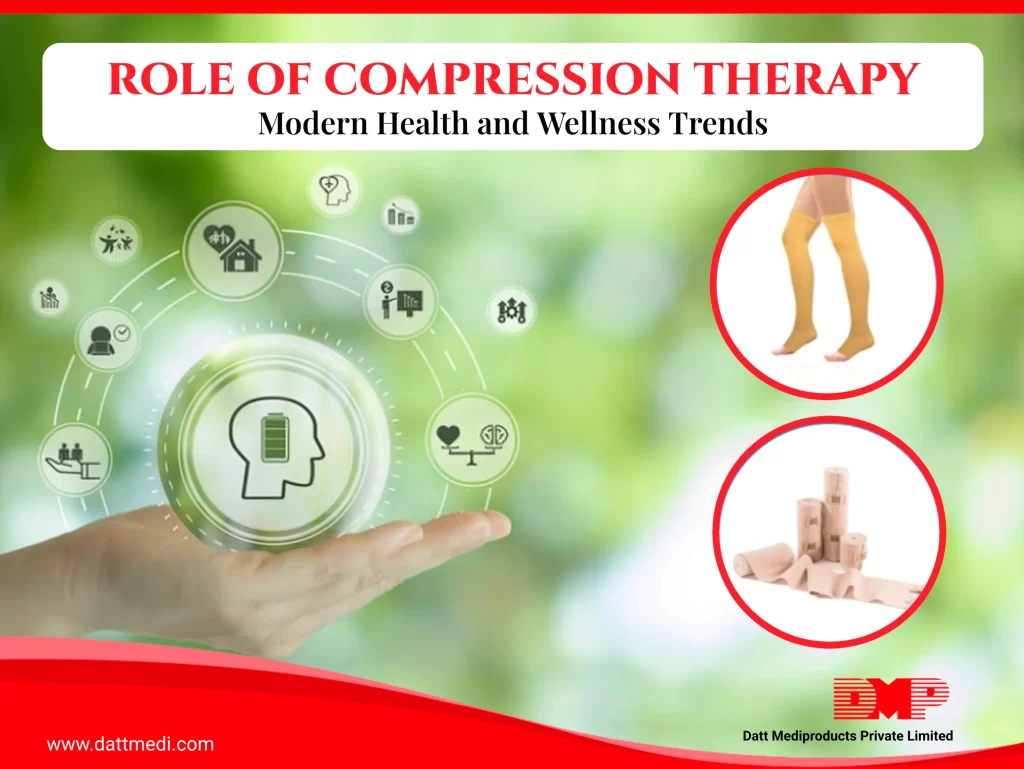
The Role of Compression Therapy

Compression Therapy: A Key Trend in Modern Wellness Routines

In today’s evolving wellness landscape, compression therapy has become a trusted and evidence-based practice. From elite athletes and healthcare professionals to individuals managing chronic conditions or sedentary lifestyles, compression products are now integral to modern self-care.

By improving circulation, reducing swelling, and supporting muscle health, compression therapy blends medical efficacy with everyday wellness—making it more accessible and beneficial than ever before.

1. Compression Therapy and Athletic Performance

Athletes across all disciplines are increasingly using compression therapy to improve outcomes on and off the field.

Improved Blood Flow:

Graduated compression supports venous return, helping muscles function more efficiently during strenuous activity.

Reduced Muscle Strain:

Aids in clearing metabolic waste like lactic acid, limiting inflammation and easing post-exercise soreness.

Enhanced Recovery Window:

Promotes faster readiness between training sessions by minimizing strain and supporting tissue repair.

Today, compression garments and wraps are a standard part of professional sports recovery protocols.

2. Compression Therapy in Injury Prevention and Healing

Whether after a sprain, strain, or surgery, compression therapy plays a vital role in musculoskeletal support.

  • Controls Swelling (Edema): Facilitates lymphatic drainage from muscles & surrounding tissues, minimizing fluid build-up, inflammation and discomfort.
  • Provides Stability: Delivers targeted pressure to support ligaments and muscles during healing.
  • Boosts Oxygen Delivery: Improves nutrient supply and waste removal at the affected site, aiding tissue regeneration and reducing strain & fatigue.
This makes compression an essential component of post-surgical care, orthopedic treatment plans, and rehabilitation.

3. Daily Health and Wellness Benefits

Compression is not limited to sports or medical recovery—it supports everyday health and preventive care.

  • Reduces Leg Tiredness:
    Particularly helpful for professionals like nurses, teachers, and frequent travelers who spend long hours standing or sitting.
  • Manages Varicose Veins & Chronic Venous Insufficiency (CVI):
    By applying gentle graduated pressure, compression stockings prevent blood from pooling in the veins, reducing discomfort, heaviness, and swelling in the legs.
  • Supports Circulation in Sedentary Lifestyles:
    Maintains healthy blood flow in lower extremities during prolonged immobility, reducing the risk of complications linked to poor venous return.
Modern compression stockings and bandages provide discreet, all-day support for busy routines.

4. DMP’s Trusted Compression Solutions

At Datt Mediproducts, we deliver high-performance compression solutions tailored to diverse needs:

Velkomp® Compression Bandage:

  • Adjustable pressure for injury management and swelling control
  • Ideal for sports recovery, post-operative support, and general care

Velcare® Varicose Vein Stocking:

  • Promotes circulation in the lower limbs
  • Recommended for daily use by professionals and patients with venous disorders

👉 If you’re curious : Click Here to Explore our full range of compression products

5. Integrating Compression into Wellness Routines

Wellness goes beyond fitness—it’s about balance and consistency. Compression can be seamlessly included into everyday life:

  • During or after workouts for improved performance and recovery
  • At work or during travel to limit swelling and discomfort
  • Alongside hydration, stretching, and nutrition to strengthen overall health outcomes

6. Backed by Science

Clinical evidence highlights that compression therapy:

  • Enhances venous return and reduces pooling in extremities
  • Supports healing in post-operative and trauma cases
  • Improves endurance and physical comfort when used consistently

7. Comfort and Modern Design

Today’s compression products are designed with convenience in mind:

  • Lightweight, breathable, and skin-friendly materials
  • Easy to wear discreetly under clothing
  • Simple to maintain for daily and long-term use
Far from the bulky models of the past, modern solutions combine medical effectiveness with everyday wearability.

8. The Future of Compression in Health & Wellness

Compression therapy is expanding beyond hospitals to become a lifestyle choice. Innovations on the horizon include:

  • Smart wearables that adjust pressure in real time
  • Sustainable fabrics and user-focused designs for improved comfort
Compression is no longer just a medical necessity—it’s a proactive wellness essential.

Whether you’re an athlete, recovering from an injury, or seeking to improve circulation during daily routines, compression therapy provides practical, science-backed support. At Datt Mediproducts, we are proud to offer innovative solutions that address the evolving needs of modern consumers.

Overcoming Delayed Healing

Overcoming Delayed Healing: Common Causes and Practical Tips

Healing is a natural process—but sometimes, wounds don’t heal as quickly as expected. Delayed healing can impact physical comfort, increase the risk of infection, and reduce quality of life.

The good news…
Many common causes of delayed healing can be managed with simple lifestyle adjustments. Let’s explore these causes and discover actionable tips for improving the healing process.

Understanding Delayed Healing

Wound healing is influenced by various factors—some within our control, others that may require professional intervention. Identifying these causes is the first step toward a faster, more efficient recovery.

Common Causes of Delayed Healing

  • Poor Nutrition: Lack of essential nutrients, such as proteins, amino acids, fatty acids, carbohydrates, vitamins (A, C & E) and micronutrients (magnesium and zinc) to name a few, slows tissue repair by affecting one or more phases of the wound healing process.
  • Inadequate Hydration: Dehydration impairs skin regeneration.
  • Underlying Health Conditions: Conditions like diabetes, diabetes associated neuropathy, vascular diseases, or immune disorders can complicate healing.
  • Smoking or Alcohol Consumption: These enhance host susceptibility to infections that lead to impaired angiogenesis thereby reducing blood flow and oxygen delivery to tissues which are essential for wound healing.
  • Stress and Poor Sleep: Disrupt hormone balance and deregulate the immune system, which directly affects recovery. Additionally, stressed individuals are more likely to develop unhealthy habits such as inadequate nutrition, smoking, less exercise, poor sleep patterns; negatively modulating the healing mechanism.
  • Infection or Repeated Trauma to the Wound: Can significantly hinder the healing process. Microorganisms obtain easy access to the underlying tissues when skin is injured. The presence of replicating microorganisms in the wound elongates the inflammatory phase of the wound healing process. This can lead to the wound to enter into a chronic state with significant delay in wound healing.

Nutrition & Hydration Matter

Proper nutrition is essential for healing.

Incorporate the following into your diet:

  • Lean proteins (eggs, fish, legumes) for tissue repair
  • Fresh fruits and vegetables for vitamins and antioxidants
  • Whole grains to support energy levels and tissue growth
Tip: Staying well-hydrated ensures nutrients are transported to your cells, promoting faster healing and flushing out toxins.

Sleep & Stress Management

Proper rest accelerates healing. Focus on these habits:

  • Aim for 7–9 hours of sleep each night.
  • Practice mindfulness or relaxation techniques to reduce stress.
  • Limit screen time and caffeine before bed to enhance sleep quality.

Did You Know? Chronic stress raises cortisol levels, slowing wound recovery.

Daily Movement & Gentle Activity

Physical activity promotes circulation, which helps deliver oxygen and nutrients to healing tissues:

  • Engage in light activities, like short walks, if possible.
  • Avoid putting pressure on the wound site, and take care to avoid friction.
  • Elevate limbs to reduce swelling.
Important: Always follow your healthcare provider’s advice regarding movement and wound care.

Basic Wound Hygiene

Maintaining wound hygiene is crucial:

  • Keep the wound clean and protected with proper dressings.
  • Change dressings regularly, as advised by your healthcare provider.
  • Avoid touching or scratching the wound area.
Pro Tip: Wash your hands thoroughly before and after touching a wound to reduce infection risk.

When to Seek Help

If your wound isn’t healing as expected or you get fever or flu-like symptoms or the wound shows signs of infection (such as increased redness, heat, swelling, pus, or a foul odor), seek professional medical guidance. Conditions like diabetes or circulatory issues may require specialized wound care.

Take Small Steps Toward Better Healing

Every small change—from better hydration to taking a short walk—adds up. By staying informed and committed to your healing process, you give your body the best chance to recover naturally.

Empowering You with the Right Solutions

At Datt Mediproducts, we understand the importance of optimal healing. While we don’t provide medical treatment, our advanced wound care solutions are designed to support your recovery by offering comfort, protection, and care where it matters most.


Logo

Datt Mediproducts Private Limited

Loading