

Search by Blog
Read by Category

Your healing journey continues beyond this blog

Find the right products for better recovery at online store
Cart Image
Ensuring Safe Wound Care Practices

Wound care is a critical aspect of healthcare that demands meticulous attention to patient safety. Proper wound management not only accelerates healing but also significantly reduces the risk of complications. In this blog, we will explore the importance of patient safety in wound care, emphasizing best practices, infection control, and risk minimization.

Importance of Patient Safety in Wound Care

Patient safety in wound care involves implementing measures to prevent harm and ensure safety during the treatment process. This includes avoiding infections, minimizing pain, and ensuring that wounds heal properly. A safe wound care environment is essential for patient well-being and can prevent further medical complications.

Best Practices in Wound Care

Assessment and Planning:

  • Thorough Assessment: Begin with a comprehensive assessment of the wound, considering factors like wound type, exudate characteristics, comorbid conditions, pain level, periwound condition, size, depth, and location. Understand the patient’s overall health, including any underlying conditions that may affect healing.
  • Individualized Care Plan: Develop a tailored care plan that addresses the specific needs of the patient and the wound. Regularly update the plan based on the wound’s progress.

Hygiene and Infection Control:

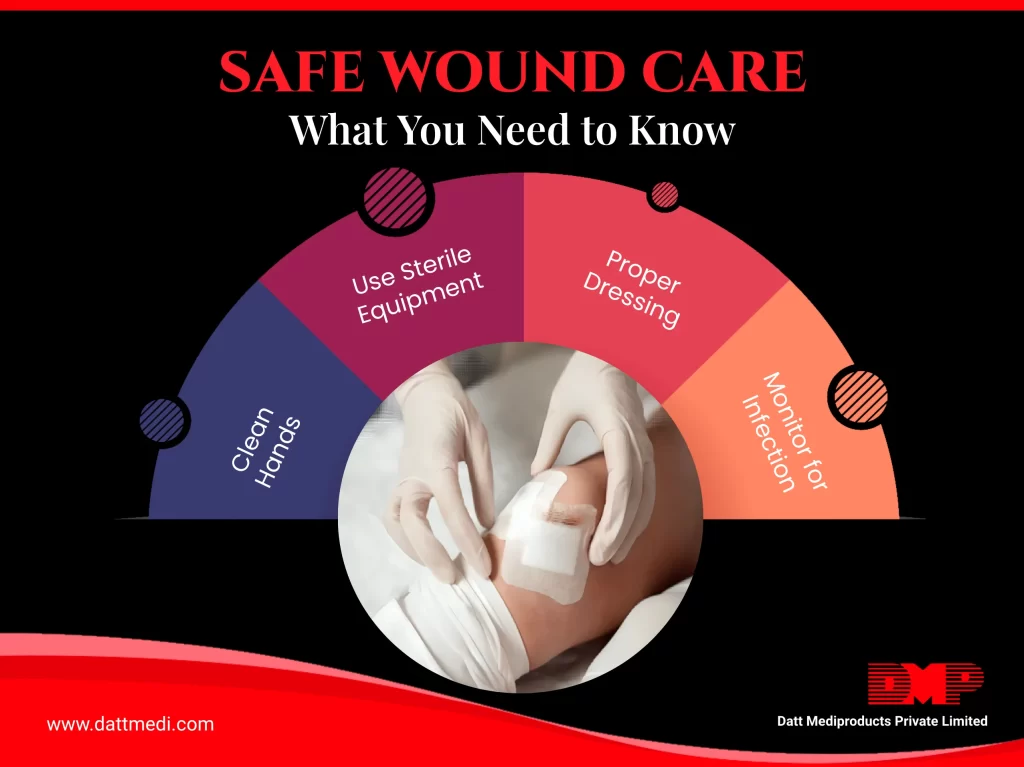
  • Clean Environment: Ensure the wound care area is clean and sanitized. All reusable wound care equipment and supplies should be sterilized before use. Fresh dressings and bandages should be cut with clean apparatus.
  • Hand Hygiene: Proper hand hygiene is crucial. Perform hand hygiene using alcohol-based rub or soap and water immediately before and after the wound care procedure. The use of gloves and other personal protective equipment (PPE) is mandatory to prevent contamination.

Wound Cleaning and Dressing:

  • Gentle Cleaning: Clean the wound gently with saline solution or appropriate antiseptic solutions. Avoid harsh scrubbing which can damage tissue and impede healing.
  • Appropriate Dressings: Use the right type of dressing for the wound such as hydrocolloid dressings for pressure ulcers or alginate dressings for heavily exuding wounds. Change dressings as per the doctor’s care plan to maintain a clean environment.

Patient Education and Involvement:

  • Educate Patients: Instruct patients and caregivers on proper wound care techniques, signs of infection, and when to seek medical advice. Patient education enhances compliance and promotes faster healing.

Infection Control:

Preventing infections is a cornerstone of safe wound care. Infections can complicate wound healing and lead to serious health issues. Implementing stringent infection control measures is essential.

  • Sterile Techniques: Always use sterile wound care equipment and supplies when handling wounds. This includes using sterile dressings, tools, and gloves.
  • Regular Monitoring: Monitor the wound for signs of infection, such as increased redness, swelling, warmth, or discharge. Early detection and intervention can prevent severe complications.
  • Antibiotic Use: Use antibiotics judiciously. Overuse or not finishing the full course of the antibiotic can lead to antibiotic resistance, making infections harder to treat.

Minimizing Risks:

Risk minimization in wound care involves anticipating potential problems and taking steps to avoid them.

  • Nutrition and Hydration: Ensure patients have adequate nutrition and hydration. A proper diet supports tissue repair and overall health.
  • Pressure Ulcer Prevention: For bedridden patients, repositioning is crucial to prevent pressure ulcers. Use pressure-relieving devices like specialized mattresses or cushions.
  • Moisture Control: Keep the wound environment moist but not wet. Moisture balance prevents the wound from drying out or becoming too wet, both of which can impede healing.

Ensuring safe wound care practices is vital for promoting patient recovery and preventing complications. By adhering to best practices, maintaining strict infection control, and actively involving patients in their care, healthcare professionals can create a safe and effective wound care environment. As we strive for excellence in wound care, let us remember that patient safety is at the heart of healing.

Adhering to international standards like ISO 9001:2015 and ISO 13485:2016 while manufacturing wound care products can further enhance the quality of wound care practices, ensuring that products meet rigorous safety and quality benchmarks. Let us commit to delivering next-gen healing solutions with a steadfast focus on safety and patient well-being.

Visit www.dattmedi.com for more infomation.
Share:
Recent Blogs
Seasonal Wound Care

Optimizing Wound Healing Across Seasons: Tips for Adaptive Care

As the seasons change, so do the challenges faced by those managing wounds. Whether you’re a healthcare professional or a wound care patient, understanding how weather conditions can impact wound healing is crucial for maintaining optimal recovery. Let’s explore the importance of seasonal wound care and how to adjust your routine for different weather conditions.

Importance of Seasonal Wound Care:

Wound healing is a complex process influenced by various factors, including temperature, humidity, and moisture levels. Different weather conditions can affect this process, potentially slowing down or complicating recovery.

Effects of Hot Weather on Wound Healing:

During the summer months, hot weather can increase perspiration, leading to moisture buildup around wounds. This excess moisture creates an ideal environment for bacterial growth, increasing the risk of infections. To combat this, it’s essential to keep wounds clean and dry, regularly changing dressings to prevent maceration.

Adjusting Wound Care Routine for Summer:

In hot weather, it’s crucial to opt for breathable dressings that allow airflow to the wound while absorbing excess moisture. Consider using moisture-wicking fabrics to minimize sweat buildup and prevent skin irritation.

Managing Increased Perspiration:

To manage increased perspiration, gently cleanse the area around the wound with a mild soap and water solution. Pat the skin dry thoroughly before applying a new dressing. Avoid using harsh antiseptic solutions, as they can irritate the skin and delay healing.

Preventing Infections from Heat and Humidity:

To prevent infections in hot and humid conditions, keep the wound site clean and protected. Change dressings more frequently if necessary, and monitor for signs of infection, such as redness, swelling, or increased pain.

Effects of Cold Weather on Wound Healing:

In colder climates, dry air and low temperatures can lead to skin dryness and cracking, posing challenges for wound care. Protecting the wound from exposure to cold air and keeping the surrounding skin moisturized are essential for promoting healing.

Protecting Wounds from Dryness and Cracking:

During the winter months, use emollient-rich moisturizers to keep the skin hydrated and prevent dryness and cracking. Choose dressings that provide a barrier against cold air while maintaining moisture balance.

Tips for Wound Care During Rainy Seasons:

In rainy seasons, preventing wound maceration is key. Ensure that dressings are waterproof and change them promptly if they become wet. Keep the wound site clean and dry to minimize the risk of infection.

Adapting Wound Care Products to Seasonal Changes:

Consider using specialized wound care products designed for specific weather conditions. Look for options that offer moisture control, antimicrobial properties, and protection against environmental factors.

By understanding the impact of seasonal changes on wound healing and adjusting your care routine accordingly, you can promote optimal recovery and minimize complications. Stay proactive, stay informed, and prioritize your wound care, regardless of the weather.

Wound Care for Athletes

Peak Performance, Optimal Recovery: A Guide to Wound Care in Sports

Athletes constantly push their bodies to the limit, making them more prone to injuries and wounds. From minor cuts and bruises to more serious sprains and strains, managing these injuries effectively is crucial for maintaining peak performance and ensuring a swift recovery. This blog delves into effective wound care strategies for athletes and highlights how the innovative Velcool® cooling and compression bandage can play a pivotal role in their recovery.

Understanding Common Athletic Injuries

Athletic activities can lead to a variety of injuries, including:

  • Sprains and Strains: Overstretching or tearing of ligaments and muscles.
  • Bruises: Caused by impact, leading to bleeding under the skin.
  • Cuts and Abrasions: Resulting from falls or contact with rough surfaces.
  • Overuse Injuries: Such as tendonitis, caused by repetitive motion.

The RICE Method: A Foundation for Acute Injury Management

The RICE method is a tried-and-true approach for managing acute sports injuries. It stands for Rest, Ice, Compression, and Elevation, each component playing a vital role in minimizing damage and speeding up recovery.

  • Rest: Essential to prevent further injury and allow the body to begin the healing process. Avoiding stress on the injured area helps prevent exacerbation of the damage.
  • Ice: Applying ice reduces pain and inflammation by constricting blood vessels, limiting blood flow to the affected area.
  • Compression: Helps reduce swelling and provides support to the injured tissue by limiting fluid accumulation around the injury.
  • Elevation: Keeping the injured part above the level of the heart reduces swelling, associated pain, and discomfort.

Introducing Velcool® : Enhancing the RICE Method

Velcool®  is a state-of-the-art cooling and compression bandage that adheres perfectly to the principles of the RICE method. It offers several benefits that make it an indispensable tool for athletes.

Strategies for Effective Wound Care in Athletes

1. Immediate Attention:

  • Address injuries immediately to prevent them from worsening.
  • Use products like Velcool® for instant cold and compression therapy.

2. Proper Cleansing:

  • Clean cuts and abrasions thoroughly to prevent infection.
  • Use antiseptic solutions and keep the wound covered with sterile dressings.

3. Monitor Healing:

  • Regularly check the injury for signs of infection or complications.
  • Adjust the level of activity based on the healing progress.

4. Nutrition and Hydration:

  • 4a. Maintain a balanced diet rich in proteins, vitamins, and minerals to support the healing process.
  • 4b. Stay hydrated to promote overall health and recovery.

5. Gradual Return to Activity:

  • Gradually reintroduce physical activity to avoid re-injury.
  • Follow a rehabilitation plan designed by a healthcare professional.

Effective wound care is vital for athletes to maintain their active lifestyles and ensure quick recovery from injuries. The RICE method provides a solid foundation for managing acute injuries, and innovations like the Velcool® cooling and compression bandage enhance this approach. By incorporating these strategies and utilizing advanced products, athletes can minimize downtime, promote healing, and get back to their peak performance levels swiftly.

For athletes and sports enthusiasts, embracing the right wound care techniques and products like Velcool® can make a significant difference in their overall health and performance. Stay active, stay safe, and ensure your body gets the care it deserves.

Logo

Datt Mediproducts Private Limited

Loading