

Search by Blog
Read by Category

Your healing journey continues beyond this blog

Find the right products for better recovery at online store
Cart Image
How Lifestyle Choices Impact Wound Healing

How Lifestyle Choices Impact Wound Healing

Wound healing is a complex biological process involving tissue repair, immune defense, and cellular regeneration. While medical treatment plays a key role, lifestyle choices significantly influence the body’s ability to heal.

From nutrition to stress management, everyday habits can either support faster recovery or hinder the healing process. 

In this blog, we explore the key lifestyle factors that impact wound healing and how simple, evidence-based changes can make a difference.

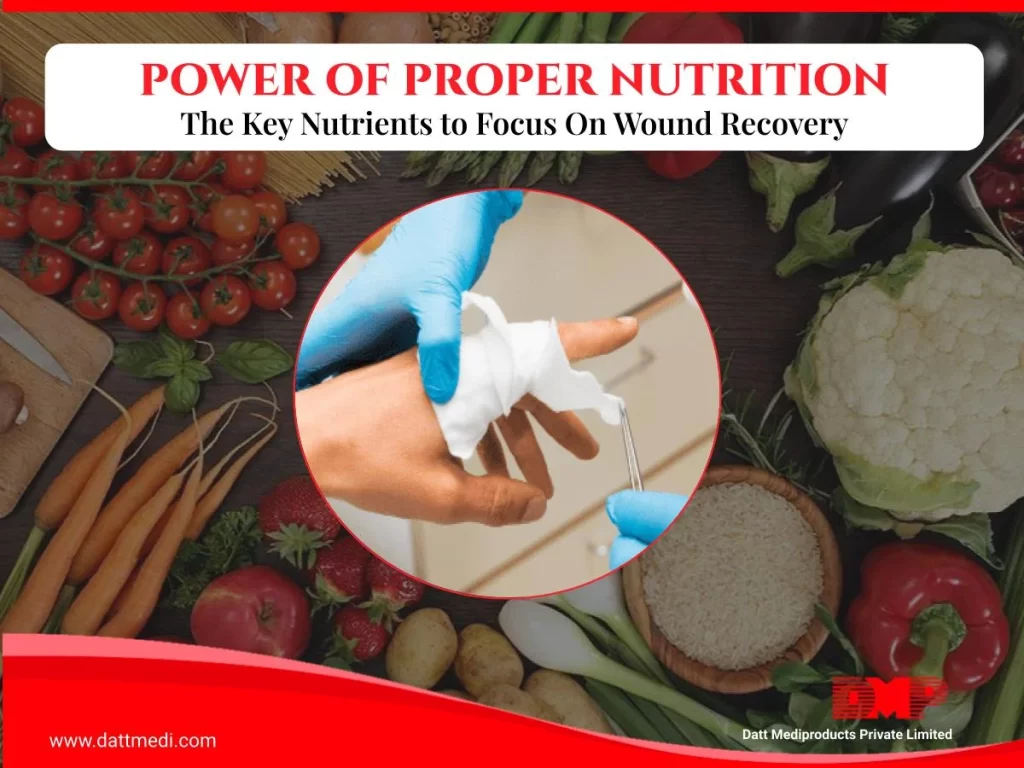
1. Nutrition: Fuel for Tissue Repair

a. Protein

  • Vital for collagen formation and wound matrix development
  • Protein deficiency may lead to slower wound closure and increased risk of infection

b. Vitamins and Minerals

  • Vitamin C: Enhances collagen synthesis and capillary strength
  • Zinc: Supports immune function and cell proliferation
  • Vitamin A: Promotes epithelialization and helps control inflammation

c. Hydration

  • Maintains blood volume and supports oxygen/nutrient delivery
  • Dehydration can delay granulation and cell regeneration

Tip: Include lean proteins, citrus fruits, leafy greens, and zinc-rich foods like seeds and legumes in your daily meals.

2. Smoking: A Major Healing Inhibitor

Nicotine and other chemicals in tobacco constrict blood vessels, reducing oxygen supply to healing tissue.

  • Impairs collagen production and fibroblast function
  • Increases the risk of infection and delayed healing
  • Reduces overall immune response
Quitting smoking—even temporarily during recovery—can significantly improve healing outcomes.

3. Alcohol Consumption: Delaying Recovery

Excessive alcohol intake:

  • Suppresses immune function
  • Depletes nutrients like Vitamin C and zinc
  • Prolongs inflammation and disrupts tissue repair phases
Limit alcohol consumption to promote a healthy inflammatory response and proper wound granulation.

4. Physical Activity and Mobility

Moderate movement encourages circulation and supports healing—especially for patients at risk of pressure ulcers.

  • Improves oxygenation and nutrient transport
  • Reduces risk of blood pooling and edema
  • Prevents pressure injuries in bedridden individuals
Regular repositioning and guided physiotherapy are essential in wound care plans.

5. Stress Management: Healing Starts with the Mind

Chronic stress elevates cortisol levels, which suppresses immune function and delays inflammatory responses crucial for wound healing.

  • Impairs macrophage activity and T-cell function
  • Slows tissue repair and increases infection risk
Practices like mindfulness, deep breathing, and adequate rest can accelerate recovery.

6. Chronic Conditions & Lifestyle Adjustments

Certain medical conditions magnify wound healing challenges:

  • Diabetes: High blood glucose impairs leukocyte function and circulation
  • Obesity: Increased inflammation and reduced vascular flow to wound sites
Lifestyle interventions like glucose control, weight management, and routine exercise can reduce wound complications.

7. The Power of Sleep in Healing

During deep sleep, the body enters restorative phases that facilitate cell repair, hormone regulation, and immune modulation.

  • Lack of sleep can delay fibroblast activation and collagen remodeling
  • Poor sleep patterns are linked to chronic wound persistence
Aim for 7–9 hours of quality sleep to support recovery and immunity.

8. Wound Hygiene and Safe Practices

Proper wound care is essential for minimizing infection and supporting a moist healing environment.

  • Clean wounds with prescribed solutions
  • Avoid using unapproved topical agents or picking at scabs
  • Use appropriate antimicrobial dressings and change them regularly
Always follow healthcare provider instructions for dressing techniques and frequency.

9. Lifestyle Checklist for Optimal Wound Healing

  • Quit smoking or avoid exposure to tobacco
  • Limit alcohol consumption
  • Eat a balanced diet rich in healing nutrients
  • Stay hydrated
  • Engage in light physical activity or guided movement
  • Practice stress-reduction techniques
  • Get sufficient, restorative sleep
  • Follow proper hygiene and wound dressing guidelines
Healing isn’t just about medicine—it’s about mindset, habits, and daily choices.

By aligning medical treatment with proactive lifestyle changes, patients can accelerate recovery, reduce complications, and regain their well-being faster.

At Datt Mediproducts, we believe in a holistic approach to healing. Our advanced wound care solutions, including antimicrobial dressings, are designed to support optimal recovery in synergy with healthy living.
Visit www.dattmedi.com for more infomation.
Share:
Recent Blogs
Wound care for seniors

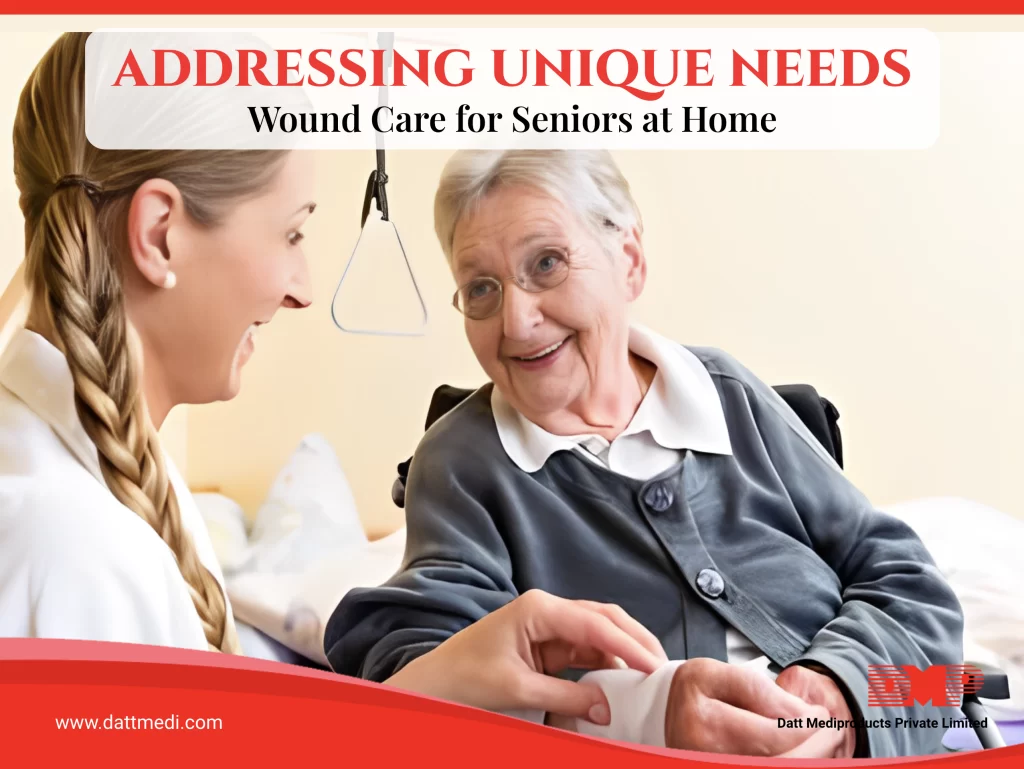
Wound Care for Seniors at Home: Addressing Unique Needs

As we age, our bodies undergo various changes, and one aspect that demands special attention is wound healing. Seniors, due to their aging skin, often face challenges in this regard. In this blog post, we’ll delve into the unique needs of wound care for seniors at home, providing insights and recommendations for a more effective and comfortable healing process.

1. Understanding Age-Related Wound Healing

The aging process affects the skin’s ability to heal. Seniors may experience a slower healing process due to factors like reduced collagen production and thinner skin. It’s crucial to comprehend these changes to implement targeted wound care.

2. Mobility and Accessibility Considerations

Seniors might encounter difficulties in accessing wound care supplies. To address this, consider creating a designated and easily accessible area for supplies. This minimizes the challenges related to mobility, ensuring that seniors can conveniently reach essential items for dressing changes.

3. Sensitive Skin and Wound Care Products

Seniors often have sensitive skin that requires special attention. Opt for hypoallergenic and non-irritating wound care products. This choice not only promotes healing but also prevents additional discomfort for seniors with delicate skin.

4. Regular Monitoring and Assistance

Regular monitoring of wounds is crucial. Encourage caregivers or family members to play an active role in this process. Timely detection of any changes can help prevent complications and ensure a smooth healing journey for seniors.

5. Pain Management and Comfort

Managing pain effectively is paramount for seniors. Recommend suitable pain relief methods and medications appropriate for their age group. Ensuring comfort during the healing process contributes significantly to overall well-being.

6. Preventing Complications and Infections

Prevention is key to avoiding complications, especially infections. Educate seniors on the signs of infection and stress the importance of seeking immediate medical attention if any concerns arise. A proactive approach significantly reduces the risk of complications.

7. Communication with Healthcare Providers

Encourage open communication between seniors and their healthcare providers. Stress the importance of reporting any changes or concerns promptly. A collaborative effort between seniors, caregivers, and healthcare professionals ensures a comprehensive and personalized approach to wound care.

Therefore, addressing the unique needs of wound care for seniors at home involves a multifaceted approach. Understanding age-related changes, considering mobility challenges, using gentle products, regular monitoring, effective pain management, preventive measures, and open communication are key elements in promoting optimal healing for seniors.

Beyound Wheat Gluten

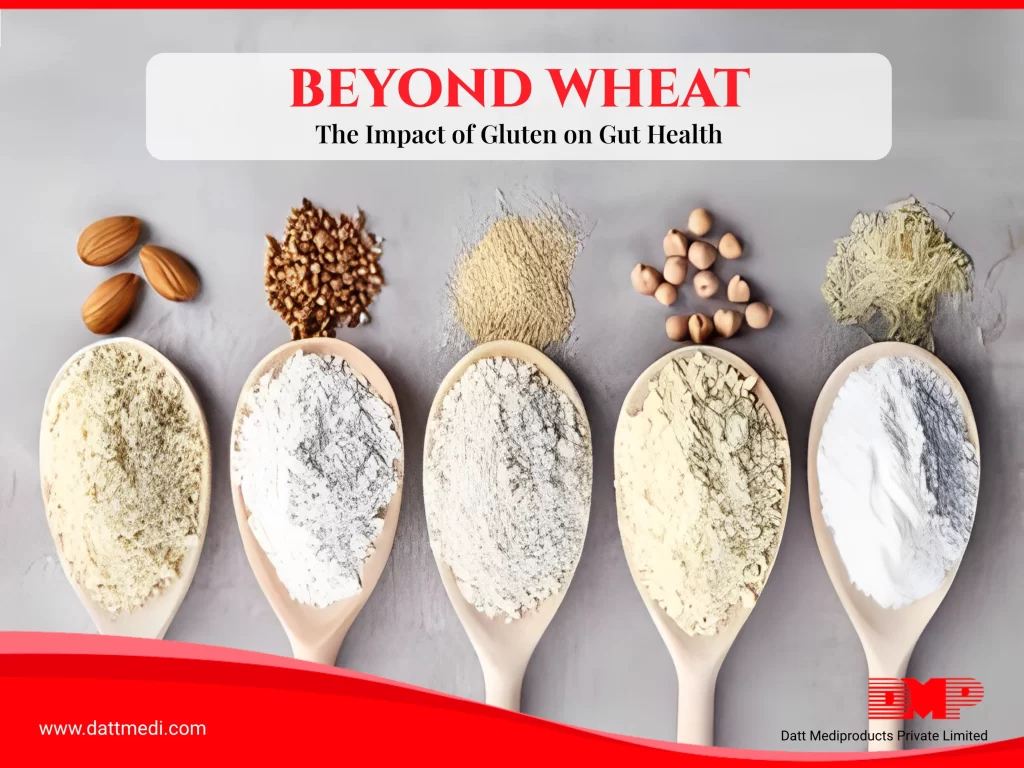
Beyond Wheat: The Impact of Gluten on Gut Health

In recent years, there has been a growing awareness of gluten and its impact on gut health. For individuals with gluten allergies, navigating the intricacies of a gluten-free lifestyle is crucial. In this blog, we delve into the nuances of gluten allergy, common sources of gluten, the basics of a gluten-free diet, and the myriad health benefits associated with making this dietary shift.

Understanding Gluten Allergy: Unravelling the Mystery

Gluten allergy, also referred to as gluten sensitivity or intolerance, is characterized by the immune system’s adverse reaction to the ingestion of gluten. Gluten, a protein present in wheat, barley, and rye, triggers various symptoms in affected individuals.

These symptoms encompass not only digestive issues, fatigue, and skin problems but also extend to a broader array of health concerns associated with gluten intolerance.

Digestive Issues:

Individuals with gluten allergies commonly experience digestive problems, including bloating, gas, abdominal pain, and diarrhea. The inflammatory response triggered by gluten can lead to disruptions in the digestive system.

Fatigue:

Gluten sensitivity may contribute to fatigue and lethargy. The body’s immune response to gluten can result in systemic inflammation, leading to feelings of tiredness and low energy levels.

Skin Problems:

Beyond the commonly recognized symptoms, gluten allergy can manifest in skin-related issues. Dermatitis herpetiformis is a specific skin condition linked to gluten intolerance, presenting as a blistering, itchy rash.

Neurological Symptoms:

Some individuals may experience neurological symptoms, including headaches, dizziness, and difficulty concentrating. These manifestations highlight the systemic impact of gluten on various bodily functions.

Joint Pain:

Gluten sensitivity has been associated with joint pain and inflammation. This connection underscores the need for a comprehensive understanding of gluten-related symptoms beyond the digestive system.

Gluten-Free Diet Basics: Nourishing Your Body Without Compromise

Adopting a gluten-free diet involves more than just eliminating specific grains. It requires a comprehensive understanding of naturally gluten-free foods. Fruits, vegetables, meat, fish, and dairy are safe choices. 

Gluten-Free Alternatives: Deliciously Diverse Options

Fortunately, the market is brimming with gluten-free alternatives that make the transition seamless. From gluten-free bread and pasta to snacks and baking ingredients, there are numerous choices available. Brands have gained popularity for their commitment to producing quality gluten-free products.

Medical Perspective: Navigating Gluten-Related Conditions with Expertise

To gain deeper insights into gluten-related conditions, it’s valuable to consult medical professionals or experts in the field. The latest research, treatment options, and advancements in managing gluten-related conditions should be discussed. Integrating medical perspectives enhances the credibility of the information provided.

Going beyond wheat and understanding the impact of gluten on gut health is a journey towards overall well-being. From recognizing symptoms to embracing a gluten-free lifestyle, individuals can navigate this path with knowledge and confidence, supported by the latest insights from medical professionals and the exciting array of gluten-free products in the market.

Stay informed, stay healthy!

Logo

Datt Mediproducts Private Limited

Loading