

Search by Blog
Read by Category

Your healing journey continues beyond this blog

Find the right products for better recovery at online store
Cart Image
How Lifestyle Choices Impact Wound Healing

How Lifestyle Choices Impact Wound Healing

Wound healing is a complex biological process involving tissue repair, immune defense, and cellular regeneration. While medical treatment plays a key role, lifestyle choices significantly influence the body’s ability to heal.

From nutrition to stress management, everyday habits can either support faster recovery or hinder the healing process. 

In this blog, we explore the key lifestyle factors that impact wound healing and how simple, evidence-based changes can make a difference.

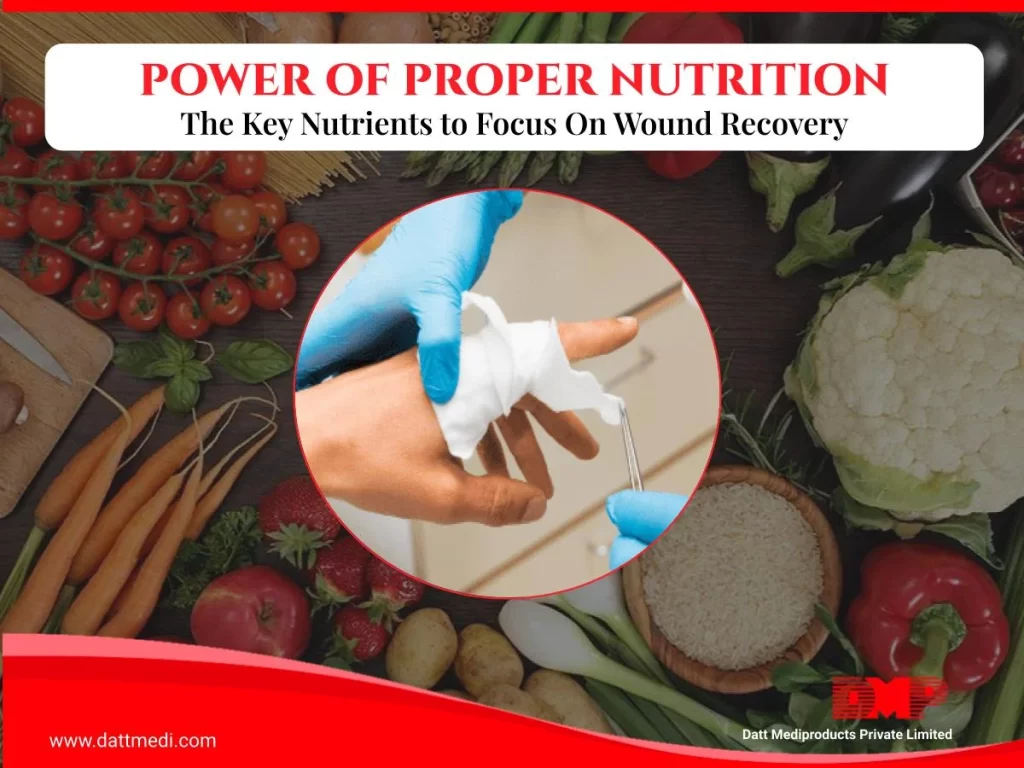
1. Nutrition: Fuel for Tissue Repair

a. Protein

  • Vital for collagen formation and wound matrix development
  • Protein deficiency may lead to slower wound closure and increased risk of infection

b. Vitamins and Minerals

  • Vitamin C: Enhances collagen synthesis and capillary strength
  • Zinc: Supports immune function and cell proliferation
  • Vitamin A: Promotes epithelialization and helps control inflammation

c. Hydration

  • Maintains blood volume and supports oxygen/nutrient delivery
  • Dehydration can delay granulation and cell regeneration

Tip: Include lean proteins, citrus fruits, leafy greens, and zinc-rich foods like seeds and legumes in your daily meals.

2. Smoking: A Major Healing Inhibitor

Nicotine and other chemicals in tobacco constrict blood vessels, reducing oxygen supply to healing tissue.

  • Impairs collagen production and fibroblast function
  • Increases the risk of infection and delayed healing
  • Reduces overall immune response
Quitting smoking—even temporarily during recovery—can significantly improve healing outcomes.

3. Alcohol Consumption: Delaying Recovery

Excessive alcohol intake:

  • Suppresses immune function
  • Depletes nutrients like Vitamin C and zinc
  • Prolongs inflammation and disrupts tissue repair phases
Limit alcohol consumption to promote a healthy inflammatory response and proper wound granulation.

4. Physical Activity and Mobility

Moderate movement encourages circulation and supports healing—especially for patients at risk of pressure ulcers.

  • Improves oxygenation and nutrient transport
  • Reduces risk of blood pooling and edema
  • Prevents pressure injuries in bedridden individuals
Regular repositioning and guided physiotherapy are essential in wound care plans.

5. Stress Management: Healing Starts with the Mind

Chronic stress elevates cortisol levels, which suppresses immune function and delays inflammatory responses crucial for wound healing.

  • Impairs macrophage activity and T-cell function
  • Slows tissue repair and increases infection risk
Practices like mindfulness, deep breathing, and adequate rest can accelerate recovery.

6. Chronic Conditions & Lifestyle Adjustments

Certain medical conditions magnify wound healing challenges:

  • Diabetes: High blood glucose impairs leukocyte function and circulation
  • Obesity: Increased inflammation and reduced vascular flow to wound sites
Lifestyle interventions like glucose control, weight management, and routine exercise can reduce wound complications.

7. The Power of Sleep in Healing

During deep sleep, the body enters restorative phases that facilitate cell repair, hormone regulation, and immune modulation.

  • Lack of sleep can delay fibroblast activation and collagen remodeling
  • Poor sleep patterns are linked to chronic wound persistence
Aim for 7–9 hours of quality sleep to support recovery and immunity.

8. Wound Hygiene and Safe Practices

Proper wound care is essential for minimizing infection and supporting a moist healing environment.

  • Clean wounds with prescribed solutions
  • Avoid using unapproved topical agents or picking at scabs
  • Use appropriate antimicrobial dressings and change them regularly
Always follow healthcare provider instructions for dressing techniques and frequency.

9. Lifestyle Checklist for Optimal Wound Healing

  • Quit smoking or avoid exposure to tobacco
  • Limit alcohol consumption
  • Eat a balanced diet rich in healing nutrients
  • Stay hydrated
  • Engage in light physical activity or guided movement
  • Practice stress-reduction techniques
  • Get sufficient, restorative sleep
  • Follow proper hygiene and wound dressing guidelines
Healing isn’t just about medicine—it’s about mindset, habits, and daily choices.

By aligning medical treatment with proactive lifestyle changes, patients can accelerate recovery, reduce complications, and regain their well-being faster.

At Datt Mediproducts, we believe in a holistic approach to healing. Our advanced wound care solutions, including antimicrobial dressings, are designed to support optimal recovery in synergy with healthy living.
Visit www.dattmedi.com for more infomation.
Share:
Recent Blogs
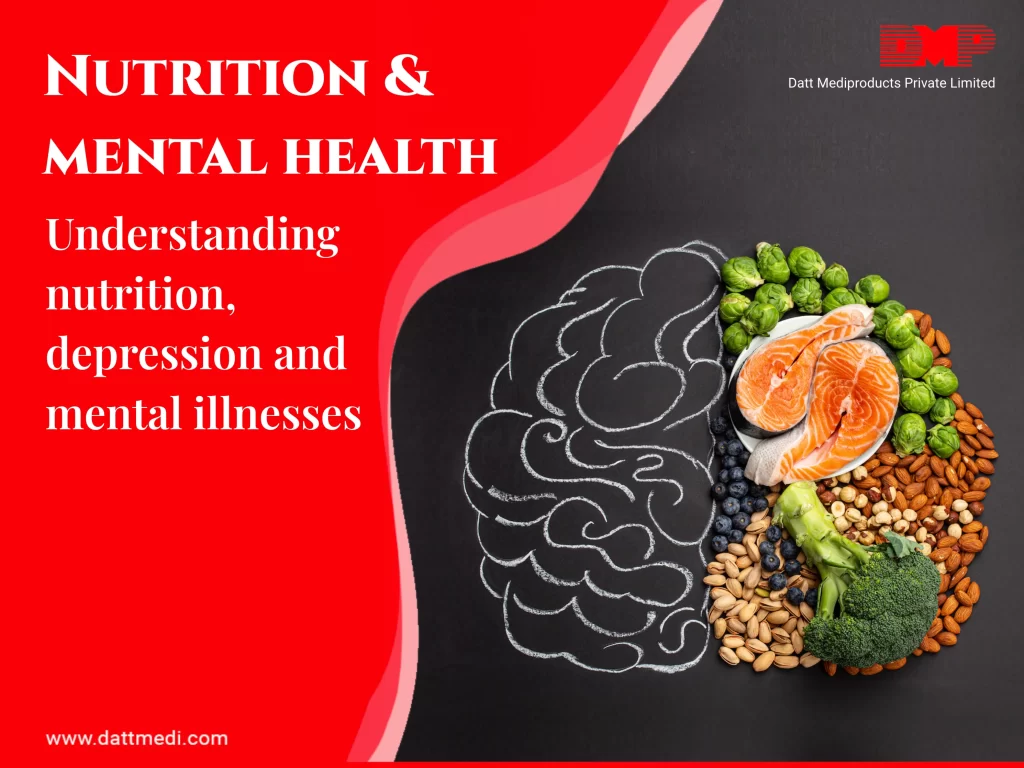
The Link Between Nutrition and Mental Health

Good nutrition is essential for our physical health, but did you know it can also have a significant impact on our mental health? In recent years, researchers have discovered a strong link between what we eat and our mood, emotions, and overall mental well-being. In this blog, we’ll explore this connection in more depth and provide practical tips for how to balance both nutrition and mental health for optimal overall health.

(more…)

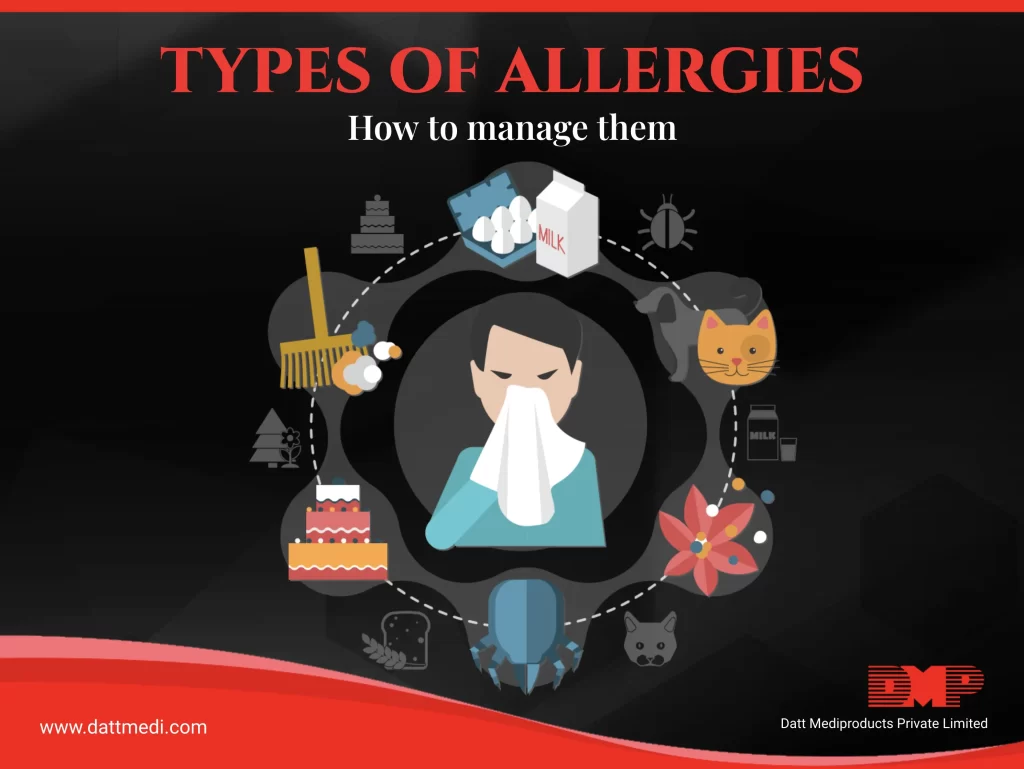
Allergies are a common health issue that affect a significant portion of the population worldwide. Allergies are a hypersensitive reaction of the immune system to an otherwise harmless substance, which is known as an allergen. The allergen can be any substance that triggers an allergic reaction in the body, such as pollen, dust, food, or animal dander.

Allergies are caused due to the abnormal response of the immune system, which mistakes a harmless substance for a harmful invader and initiates a defence mechanism, called antibodies, to protect the body from it. This results in various allergic reactions, such as skin rashes, itching, sneezing, watery eyes, and in severe cases, anaphylaxis.

There are various reasons behind the occurrence of allergies. Genetics plays a significant role in determining an individual’s likelihood of developing allergies. Environmental factors such as exposure to pollution, chemicals, and toxins can also trigger allergies.

There are several different types of allergies, each with their unique symptoms and triggers.

Some of the most common types of allergies include:

1. Respiratory allergies:

These allergies are triggered by airborne allergens such as pollen, dust mites, and animal dander. The symptoms of respiratory allergies include sneezing, coughing, and wheezing.

2. Food allergies:

These allergies occur when the immune system reacts to certain foods, such as nuts, shellfish, and eggs. Symptoms of food allergies can range from mild itching, tingling in the mouth, hives, swelling of the lips, tongue, face or throat to more severe life-threatening anaphylaxis.

3. Skin allergies:

These allergies occur when the skin comes into contact with an allergen, such as certain fabrics, metals, or cosmetics. The symptoms of skin allergies include rashes, itching, and swelling.

4. Insect allergies:

These allergies occur when an individual is bitten or stung by an insect, such as bees or mosquitoes. The symptoms of insect allergies can range from mild itching to severe anaphylaxis.

5. Medicine allergies:

Medicine allergies are hypersensitive reactions of the immune system to certain medications. They can cause symptoms like skin rashes, itching, swelling, and in severe cases, difficulty breathing or anaphylaxis. It is important to communicate medicine allergies to healthcare providers to ensure safe and effective treatment.

Precautionary methods can be taken to manage allergies. Firstly, it is crucial to identify the allergen that triggers the allergic reaction. This can be done through various tests such as skin tests or blood tests. Once the allergen is identified, it is essential to avoid exposure to it. For example, individuals with food allergies must avoid eating the allergen-containing food.

Similarly, those with respiratory allergies must avoid exposure to airborne allergens, such as pollen or animal dander. If a person has a known severe allergy then they can also wear a medical alert bracelet, which lets others know that you have a serious allergy incase they are unable to communicate it.

Medications such as antihistamines, decongestants, and corticosteroids can be used to manage allergy symptoms. In severe cases, epinephrine injections may be required to manage anaphylaxis.

In addition to medication, several lifestyle changes can also help manage allergies. One of the most important being to try to reduce stress levels. While stress can’t trigger an allergic reaction it can make it worse if you are having one. When in stress your body releases hormones including histamine, which is a powerful chemical that leads to allergy symptoms thus making the reaction worse.

Allergies can significantly impact the lives of those who suffer from them. However, with proper management, it is possible to reduce the severity of allergy symptoms. If you suspect that you have an allergy, it is important to seek medical advice and get a proper diagnosis.

We advice to follow precautionary methods and working with a healthcare professional, that can help you manage allergies and improve your quality of life. Follow us for more such information.

Logo

Datt Mediproducts Private Limited

Loading