
Search by Blog
Read by Category

Your healing journey continues beyond this blog

Find the right products for better recovery at online store
Cart Image
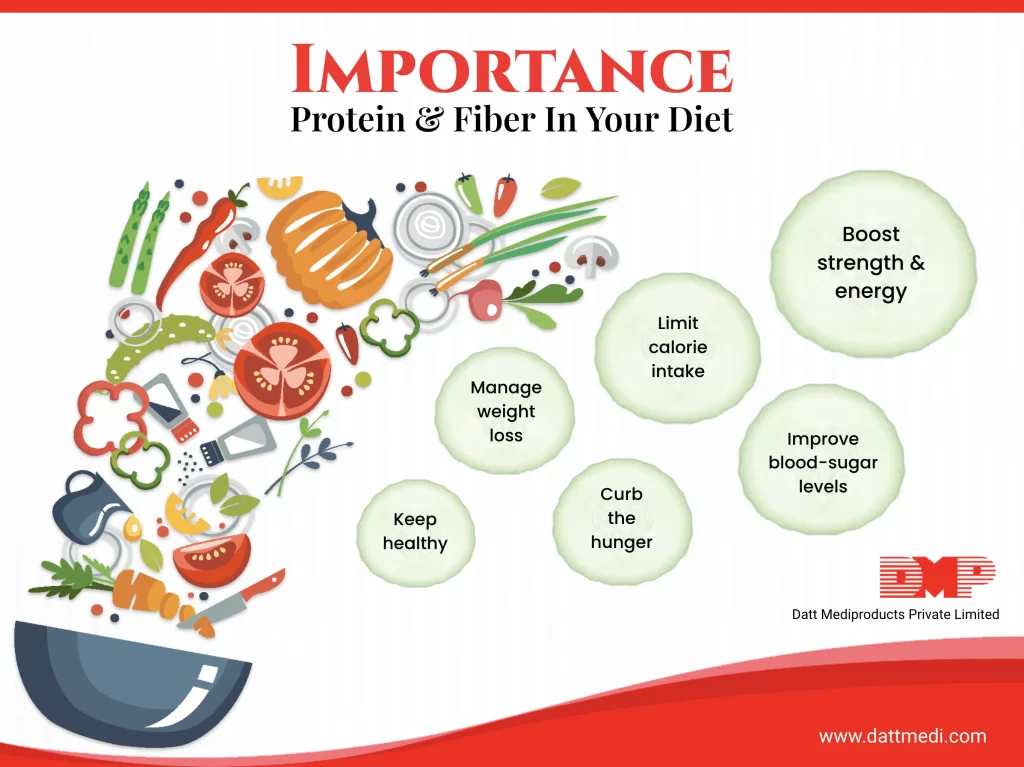
Importance of Protein & Fibers

Proteins are considered as the building blocks of the human body. There are several healthy reasons to make sure that we get enough protein in our diet. Protein sources include eggs, poultry, lean meat, seafood, soy products, seeds, etc.

Dairy products are also a good source of protein.

Let us discuss the goodness of PROTEIN for our bodies.

Protein Helps Build:
Protein is an integral part of building bones, muscles, cartilage, and skin. Protein helps in the formation of new cells, tissues, and other body chemicals. As a matter of fact, human hair and nails are also composed mostly of protein.

Protein Helps Repair:
The human body uses protein to build and repair tissues.

Protein Oxygenates:
The protein compound present in human RBCs helps to carry oxygen to the entire body, thereby also supplying nutrients required by cells and tissues.

Protein Helps Digest:
The protein we consume in our diets acts as a building block of enzymes that aid in digestion and boosts metabolism. Protein helps in the formation of new cells, tissues, and other body chemicals.

Consuming more proteins in our diet helps in losing fat and maintaining muscle mass. Protein thereby helps in weight management while supplying the right nutrients to our cells.

Protein Helps Regulate:
Protein regulates hormones especially during the transformation and development of cells during the puberty period.

Do you know our body uses extra protein for energy!
The dietary protein from plant sources provides fiber along with other health-promoting nutrients. Fiber and Protein maintain satiety level and keeps us full longer.

Let’s discuss the goodness of fiber for our bodies.

FIBERS are an essential ingredient of a healthy diet. They are best known for their ability to prevent and relieve constipation. Dietary fibers are mainly found in fruits, vegetables, legumes, and whole grains. It is often difficult to find tasty foods that contain fibers.

Let us discuss the goodness of FIBER for our bodies.

Fiber helps in Bowel Movement:
Dietary fiber softens your stool and increases its weight, making it easier to pass through the colon, thereby reducing constipation. On the other hand, fiber also adds bulk to the stool and solidifies it in diarrhea cases.

Fiber controls Blood Sugar Levels:
The soluble fibers reduce the rate of sugar absorption, thereby improves blood sugar levels. The sugar present in food rich in fiber is absorbed slower, because of which the blood glucose levels rise at a slower pace. This is good because a sudden increase in glucose levels also falls rapidly making you feel hungry very soon thereby resulting in overeating.

Fiber lowers Cholesterol Levels:
The soluble fibers present in oats, flaxseeds, and beans help lower low-density lipoprotein, or “bad,” cholesterol levels, ultimately total blood cholesterol levels.

Fiber Cleanses the Colon:
Fibers act like a scrub brush to clean out bacteria and other build-ups from the intestines and very likely to reduce the risk of colorectal cancer.

Do you know that fibers are not digested in our body, instead pass relatively intact through your stomach, small intestine, and colon and out of our body!

TIP: Drink plenty of water. A high fiber diet acts best when it absorbs water. Otherwise, too much of it may lead to abdominal bloating, cramps, and intestinal gas.

Follow us @Dattmediproducts to know more about good food choices to make.
Visit www.dattmedi.com for more infomation.
Share:
Recent Blogs

As the colder months approach, it becomes essential to prioritize our well-being and make conscious efforts to take care of both our minds and bodies. The winter season brings unique challenges, such as shorter daylight hours, cold temperatures, and holiday stress, which can impact our overall health and wellness. In this blog, we will explore effective strategies to help you maintain a healthy mind and body during the winter season, ensuring a happier and more vibrant you.

(more…)

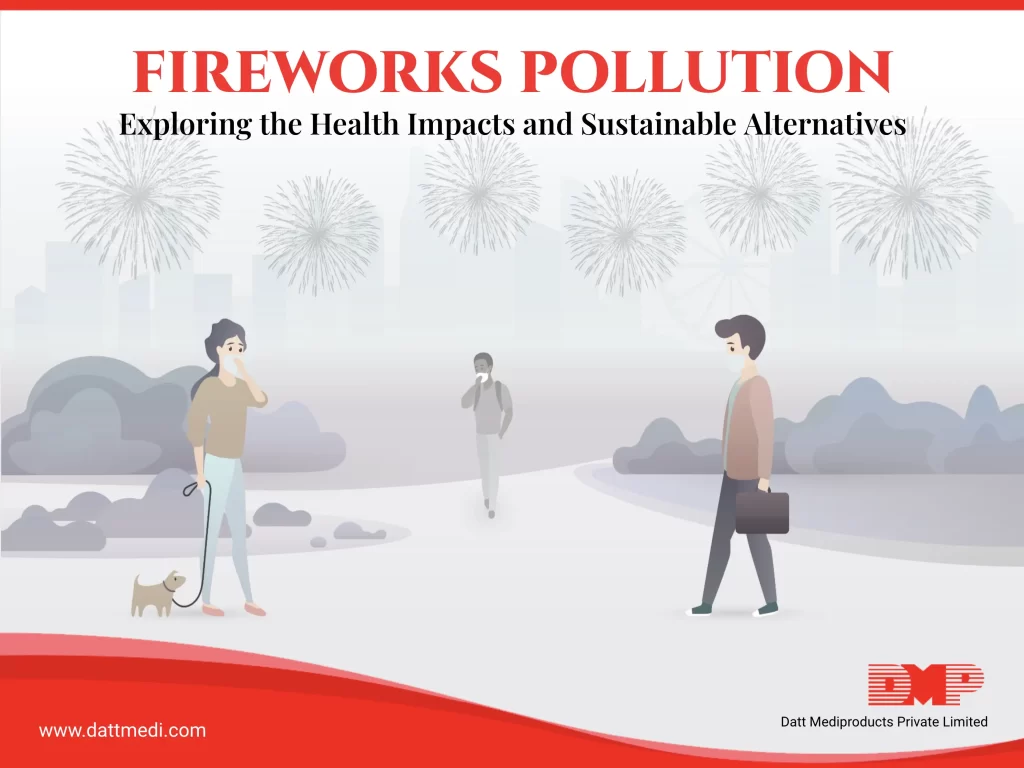
Fireworks are a traditional part of celebrations worldwide, captivating us with their vibrant colors and mesmerizing displays. However, behind their beauty lies a darker side – fireworks contribute significantly to air and noise pollution, posing potential health risks. In this blog, we will delve into the environmental and health impacts of fireworks and explore sustainable alternatives that can help us celebrate responsibly.

The Environmental Toll of Fireworks

Fireworks emit a plethora of pollutants that harm the environment. The combustion of fireworks releases toxic substances such as sulphur dioxide, heavy metals (lead, copper, and zinc), and fine particulate matter. These pollutants have deleterious effects on air quality and can contribute to respiratory issues, cardiovascular problems, and even cancer.

Moreover, the colourful explosions generate a considerable amount of waste, including plastic debris and chemical residues that contaminate water bodies. Understanding the environmental toll of fireworks emphasizes the urgency of adopting eco-friendly alternatives.

Health Impacts of Fireworks Pollution:

Fireworks pollution affects both the physical and mental well-being of individuals. The fine particulate matter released during fireworks displays can penetrate deep into the lungs, triggering respiratory conditions such as asthma and chronic obstructive pulmonary disease (COPD). For people with pre-existing respiratory conditions, exposure to fireworks pollution can exacerbate symptoms and lead to hospitalizations. Additionally, the loud noise produced by fireworks can cause hearing damage, especially in children and individuals with sensory sensitivities.

Furthermore, the chemical compounds found in fireworks, such as perchlorates, can contaminate water sources and affect aquatic life, posing a threat to ecosystems. Fireworks pollution has also been linked to adverse effects on wildlife, including birds, insects, and marine organisms.

Sustainable Alternatives for Celebrations:

In light of the harmful effects of fireworks pollution, it is essential to consider sustainable alternatives that allow us to celebrate while minimizing environmental impact.
Here are some eco-friendly options:

Laser Light Shows:

Laser displays can create stunning visual effects without the release of pollutants or noise. They offer a safer alternative for sensitive individuals and reduce the risk of accidental fires.

Biodegradable Confetti:

Replace traditional confetti with biodegradable alternatives made from recycled paper or plant-based materials. These options decompose quickly and do not contribute to pollution.

LED Decorations:

Use LED lights to illuminate events and create a festive atmosphere. LED lights are energy-efficient and have a longer lifespan, reducing both energy consumption and waste.

Nature-Inspired Celebrations:

Organize outdoor events in natural settings, such as parks or gardens, and incorporate nature-inspired themes. Emphasizing the beauty of the natural environment encourages a deeper connection with nature while reducing the need for artificial displays.

Community Activities:

Organize community events focused on art, music, and cultural performances rather than fireworks. These activities foster a sense of togetherness and can be just as enjoyable, if not more, without the negative environmental impact.

As we celebrate special occasions, it is crucial to be mindful of the environmental and health impacts of fireworks pollution. By adopting sustainable alternatives, we can preserve the beauty of our planet, protect our health, and create a more eco-conscious society. Let us embrace responsible celebrations that leave a positive and lasting impact on both our lives and the environment.

Logo

Datt Mediproducts Private Limited

Loading