
Search by Blog
Read by Category

Your healing journey continues beyond this blog

Find the right products for better recovery at online store
Cart Image
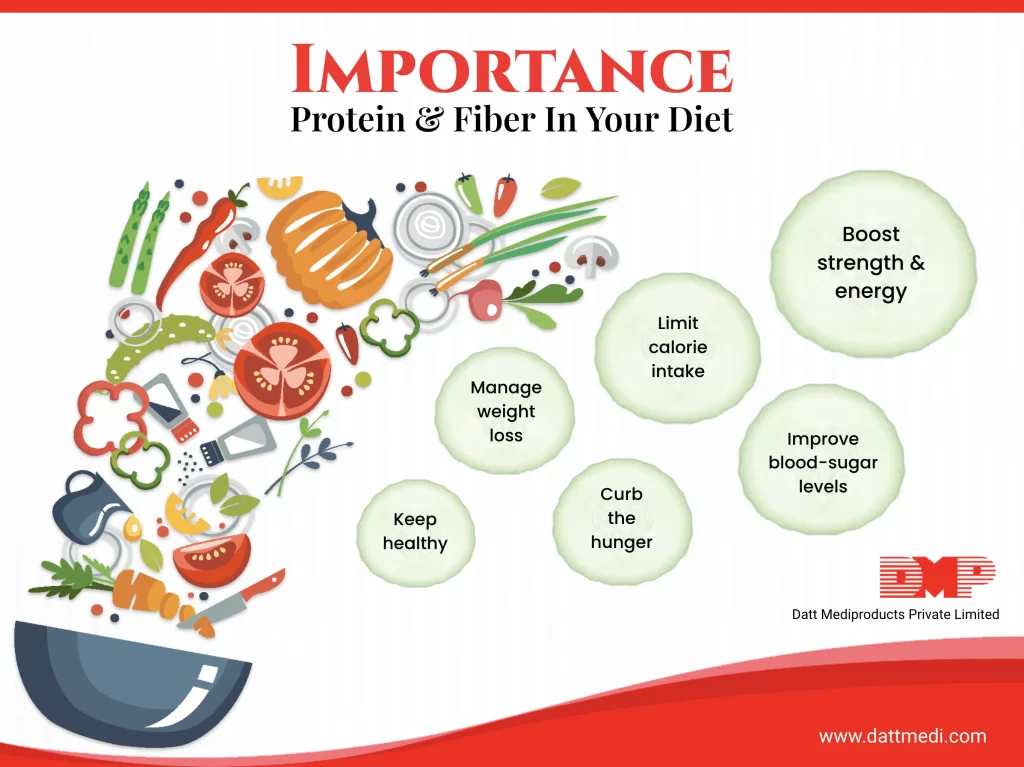
Importance of Protein & Fibers

Proteins are considered as the building blocks of the human body. There are several healthy reasons to make sure that we get enough protein in our diet. Protein sources include eggs, poultry, lean meat, seafood, soy products, seeds, etc.

Dairy products are also a good source of protein.

Let us discuss the goodness of PROTEIN for our bodies.

Protein Helps Build:
Protein is an integral part of building bones, muscles, cartilage, and skin. Protein helps in the formation of new cells, tissues, and other body chemicals. As a matter of fact, human hair and nails are also composed mostly of protein.

Protein Helps Repair:
The human body uses protein to build and repair tissues.

Protein Oxygenates:
The protein compound present in human RBCs helps to carry oxygen to the entire body, thereby also supplying nutrients required by cells and tissues.

Protein Helps Digest:
The protein we consume in our diets acts as a building block of enzymes that aid in digestion and boosts metabolism. Protein helps in the formation of new cells, tissues, and other body chemicals.

Consuming more proteins in our diet helps in losing fat and maintaining muscle mass. Protein thereby helps in weight management while supplying the right nutrients to our cells.

Protein Helps Regulate:
Protein regulates hormones especially during the transformation and development of cells during the puberty period.

Do you know our body uses extra protein for energy!
The dietary protein from plant sources provides fiber along with other health-promoting nutrients. Fiber and Protein maintain satiety level and keeps us full longer.

Let’s discuss the goodness of fiber for our bodies.

FIBERS are an essential ingredient of a healthy diet. They are best known for their ability to prevent and relieve constipation. Dietary fibers are mainly found in fruits, vegetables, legumes, and whole grains. It is often difficult to find tasty foods that contain fibers.

Let us discuss the goodness of FIBER for our bodies.

Fiber helps in Bowel Movement:
Dietary fiber softens your stool and increases its weight, making it easier to pass through the colon, thereby reducing constipation. On the other hand, fiber also adds bulk to the stool and solidifies it in diarrhea cases.

Fiber controls Blood Sugar Levels:
The soluble fibers reduce the rate of sugar absorption, thereby improves blood sugar levels. The sugar present in food rich in fiber is absorbed slower, because of which the blood glucose levels rise at a slower pace. This is good because a sudden increase in glucose levels also falls rapidly making you feel hungry very soon thereby resulting in overeating.

Fiber lowers Cholesterol Levels:
The soluble fibers present in oats, flaxseeds, and beans help lower low-density lipoprotein, or “bad,” cholesterol levels, ultimately total blood cholesterol levels.

Fiber Cleanses the Colon:
Fibers act like a scrub brush to clean out bacteria and other build-ups from the intestines and very likely to reduce the risk of colorectal cancer.

Do you know that fibers are not digested in our body, instead pass relatively intact through your stomach, small intestine, and colon and out of our body!

TIP: Drink plenty of water. A high fiber diet acts best when it absorbs water. Otherwise, too much of it may lead to abdominal bloating, cramps, and intestinal gas.

Follow us @Dattmediproducts to know more about good food choices to make.
Visit www.dattmedi.com for more infomation.
Share:
Recent Blogs

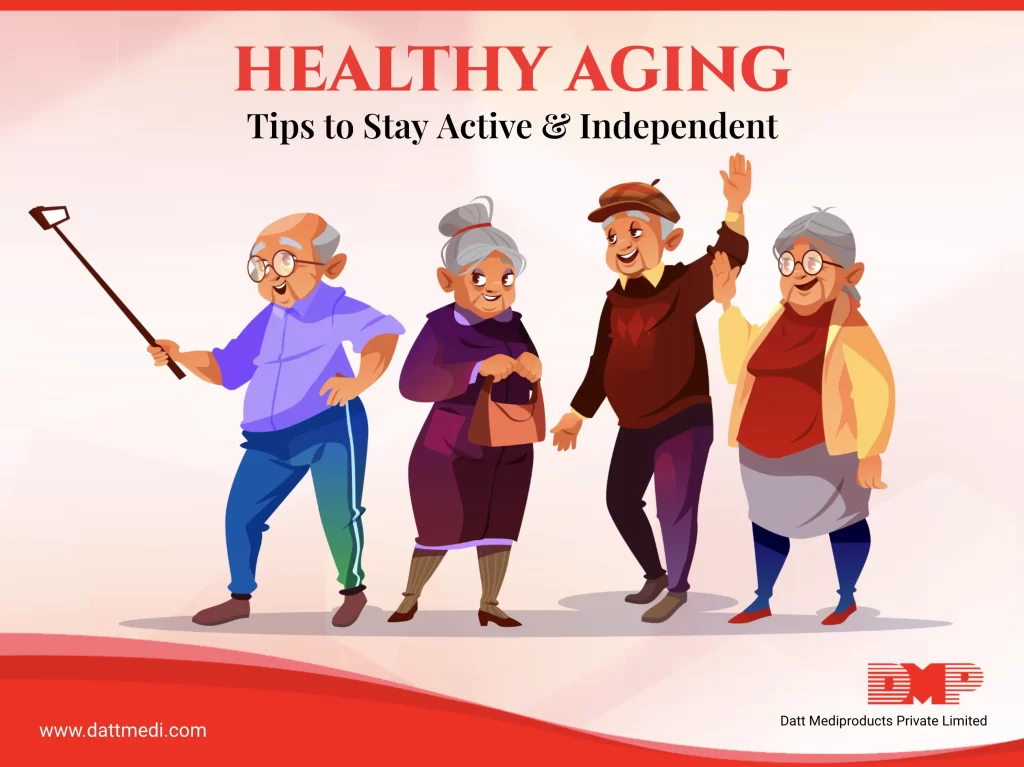
As we age, our bodies undergo several changes that can affect our overall health. These changes include a decrease in muscle mass and bone density, a slower metabolism, and a decline in cognitive function. Additionally, our immune system may weaken, making us more susceptible to infections and illnesses.

However, it’s important to remember that aging doesn’t necessarily mean poor health. By taking care of our bodies and adopting healthy habits, we can age gracefully and maintain our health and independence.

Issues Faced with Aging:

There are several issues that can arise as we age. Some of the most common include:

1. Chronic conditions:

As we age, we are more likely to develop chronic health conditions such as diabetes, arthritis, and heart disease.

2. Mobility issues:

Muscles and joints can become stiff and less flexible with age, which can make it harder to move around.

3. Cognitive decline:

Memory loss and other cognitive changes can occur with age.

4. Social isolation:

Older adults may experience social isolation and loneliness, which can lead to depression and other health problems.

5. Caregiver burden:

Family members or other caregivers may experience stress and burnout when caring for an older adult.

Ways to Overcome in a Healthy Way:

A. Stay active:

Regular exercise can help maintain muscle strength, flexibility, and balance. Try to engage in physical activity for at least 30 minutes a day, five days a week. This could be as simple as taking a walk or doing some light stretching.

B. Eat a healthy diet:

A balanced diet with plenty of fruits, vegetables, whole grains, and lean protein can help maintain overall health. It’s also important to stay hydrated by drinking plenty of water.

C. Keep your mind active:

Engage in activities that challenge your brain, such as reading, doing puzzles, or learning a new skill. This can help maintain cognitive function and prevent memory loss.

D. Stay socially engaged:

Join clubs or groups that interest you, volunteer in your community, or spend time with family and friends. Staying socially engaged can help prevent loneliness and depression.

E. Be proactive about healthcare:

Regular check-ups with your healthcare provider can help detect and treat health problems early on. It’s also important to follow recommended screening guidelines for conditions such as cancer and heart disease.

While it’s important to take care of ourselves as we age, it’s also important to take precautions to prevent falls and other accidents.

Some ways to do this include:

  • Keep your home well-lit and free of clutter.
  • Install grab bars in the bathroom and other areas where you may need extra support.
  • Use assistive devices such as a cane or walker if needed.
  • Wear proper footwear with good support and non-slip soles.
  • Be aware of potential hazards such as uneven sidewalks or slippery floors.

Healthy aging is achievable with the right mindset and healthy habits. By staying active, eating a healthy diet, keeping our minds active, staying socially engaged, and being proactive about healthcare, we can maintain our health and independence as we age.

We advice to take precautions to prevent falls and other accidents, and don’t be afraid to ask for help when needed. With these tips and strategies, we can age gracefully and enjoy a healthy and fulfilling life.

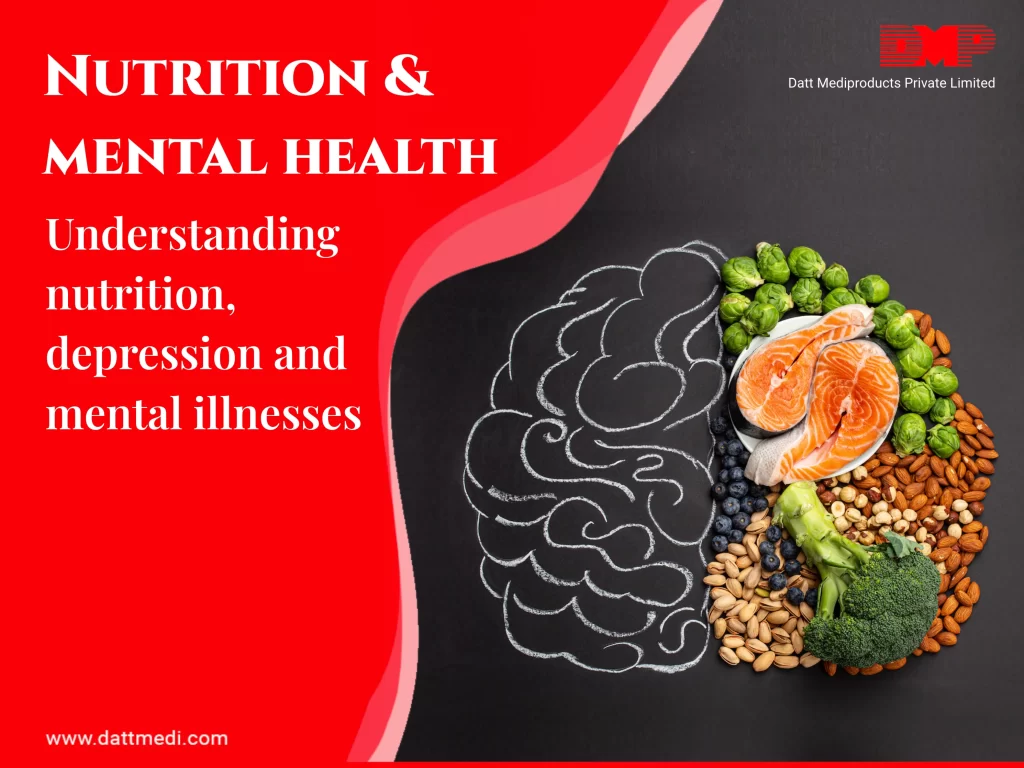
The Link Between Nutrition and Mental Health

Good nutrition is essential for our physical health, but did you know it can also have a significant impact on our mental health? In recent years, researchers have discovered a strong link between what we eat and our mood, emotions, and overall mental well-being. In this blog, we’ll explore this connection in more depth and provide practical tips for how to balance both nutrition and mental health for optimal overall health.

(more…)
Logo

Datt Mediproducts Private Limited

Loading