
Search by Blog
Read by Category

Your healing journey continues beyond this blog

Find the right products for better recovery at online store
Cart Image
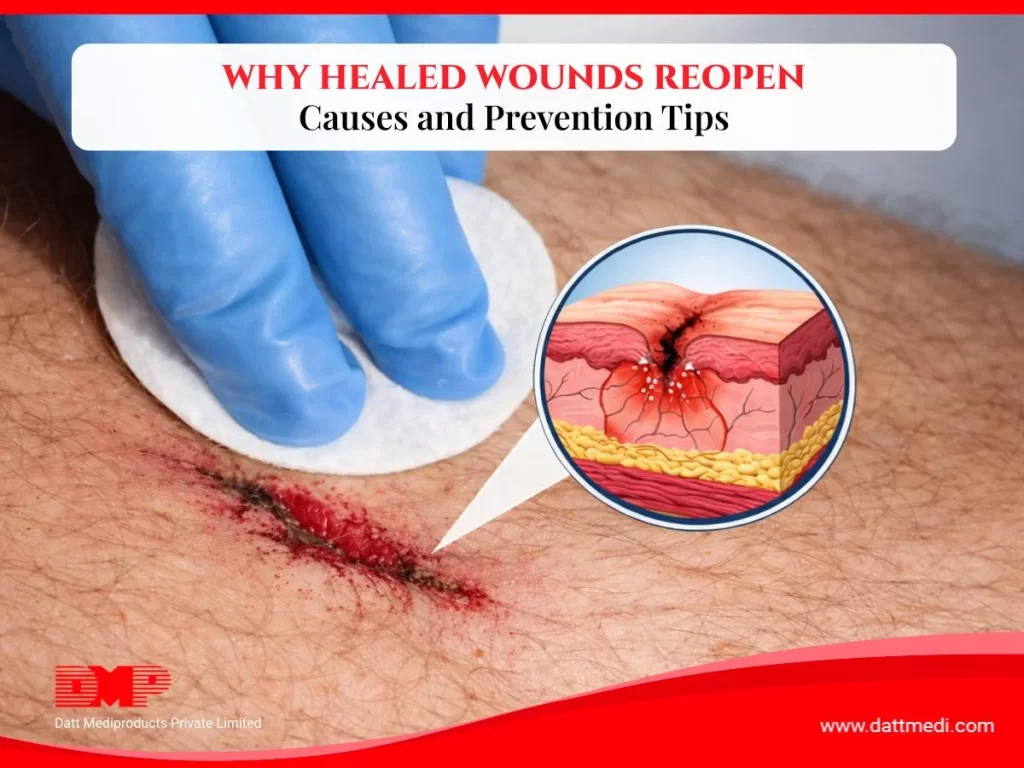
Reopened wounds due to tension and improper care

A wound that looks closed on the surface is not the same as wounds that has finished healing. The skin beneath may still be fragile, thin, and far less resilient than the tissue surrounding it. This is the stage where wounds most commonly reopen — not because something went wrong, but because the final phase of healing was not properly supported.

Understanding what makes newly closed skin vulnerable, and what protective measures actually work, can make the difference between a wound that heals completely and one that breaks down again.

Why ‘Closed Wounds’ Does Not Mean ‘Healed’

Wound healing happens in four overlapping stages: haemostasis, inflammation, proliferation, and remodelling. When the wound appears to close, the body is typically entering the remodelling phase — where collagen fibres reorganise and the new tissue gradually strengthens.

This phase can last several weeks to several months. During this time, the repaired skin has significantly lower tensile strength than normal skin — often as little as 50–80% of the original tissue strength, even after full remodelling. In the early weeks after closure, that figure is even lower.

The practical implication: the skin looks fine but cannot tolerate the same level of stress, friction, or pressure that healthy skin can. This is why reopening happens — not from neglect, but from the invisible vulnerability of newly repaired tissue.

The Most Common Reasons Healed Wounds Reopen

1. Mechanical Stress on Fragile Tissue

Areas that move repeatedly — knees, elbows, ankles, knuckles — place constant tension on healing tissue. Even normal daily movement can stretch new collagen fibres beyond what they can tolerate, causing the wound edges to split. This is particularly common in sutured wounds where the closure relies on the tissue holding together under movement.

2. Friction from Clothing or Surfaces

Repeated low-level friction from fabric, footwear, or contact with surfaces can erode the surface of newly healed skin. Unlike healthy skin, which can handle this without damage, fragile remodelling tissue has little resistance. Wounds on the feet, lower legs, or any area in contact with clothing are especially at risk.

3. Removing Dressings Too Early

Once a wound closes, it is easy to assume that dressings are no longer needed. In practice, premature removal of protective cover exposes the area to exactly the mechanical stress and friction described above. The wound may look healed, but the underlying tissue has not yet reached the strength to handle unprotected exposure.
Overcoming Delayed Wounds Healing

Related reading: Overcoming Delayed Healing: Common Causes and Solutions

4. Moisture Imbalance

Both extremes cause problems. Excess moisture — from wound fluid, sweat, or frequent washing without adequate drying — softens the surrounding skin (maceration), making it far easier to break down under light pressure. Very dry skin, on the other hand, becomes rigid and prone to cracking, particularly over joints. Maintaining a balanced moisture environment under and around the dressing is a key part of protecting fragile tissue.

5. Pressure on Immobile Areas

For individuals with reduced mobility, sustained pressure on a single area — particularly bony prominences like heels, sacrum, or hips — can cause tissue breakdown even in areas that appear to have healed. Regular repositioning and pressure redistribution are essential in these cases.

How Film Dressings Protect Wounds During the Remodelling Phase

Post-operative film dressings are one of the most effective tools for protecting healed and near-healed wounds during the remodelling phase. Unlike gauze-based dressings, which are primarily designed for wounds that are still actively healing and producing exudate, film dressings are specifically suited to closed wounds that need surface protection rather than absorption.

The key properties that make film dressings appropriate for this stage wounds are:

  • Physical barrier — blocks friction, bacteria, dirt, and external mechanical stress
  • Breathability — allows moisture vapour to escape, preventing maceration without drying the tissue
  • Transparency — the wound can be visually monitored without removing the dressing
  • Flexibility — conforms to joints and body contours, maintaining protection during movement
  • Waterproof — the wound stays protected during bathing and daily activity

Datt Mediproducts offers three film and post-operative dressings suited to different stages and wound types in the remodelling phase.

Velfix® T-Film — Transparent Film Dressing

A thin, fully transparent PU film dressing designed for closed wounds that no longer produce exudate. The transparent film allows visual inspection of the wound at any time without disturbing it. Velfix® T-Film is waterproof, breathable, and flexible enough to move with the skin across joints and mobile areas. Available in sizes from 5×7.5 cm to 10×35 cm.

Best for: Sutured wounds, minor cuts and abrasions, and wounds in mobile areas such as knees or elbows that need protection without bulk.

Velfix®-Easy+Pad — Film Dressing with Non-Adherent Pad

Combines a transparent film border with a central non-adherent absorbent pad. This makes Velfix®-Easy+Pad suitable for wounds in the later stages of healing that may still produce minimal fluid, or where the wound surface needs a non-stick contact layer to prevent trauma on removal.

Best for: Post-operative wounds in early recovery that are nearly closed but may have light residual drainage.

Velfix®-T+Pad — Film Dressing with Higher Absorbency

Similar in structure to Easy+Pad but with a higher-absorbency central pad. This is the appropriate choice where some exudate management is still needed alongside the protective film border.

Best for: Wounds transitioning from active healing to the remodelling phase, where light-to-moderate fluid output continues.

Choosing the Right Film Dressing for the Wounds Stage

SituationVelfix® T-FilmEasy+PadT+Pad
Wound fully closed, no fluid✓ IdealSuitableUnnecessary
Minimal residual drainageNot sufficient✓ IdealSuitable
Light-moderate exudateNot suitableBorderline✓ Ideal
Joint or mobile area✓ Ideal✓ Suitable✓ Suitable
Needs visual monitoring✓ IdealPartialPartial

Practical Care Tips for the Remodelling Phase

1. Keep the Area Protected Until the Skin Is Fully Strong

Resist the instinct to leave the area uncovered once the wound looks closed. A film dressing provides protection with minimal bulk and does not interfere with daily activity or bathing.

2. Monitor Without Disturbing

The transparency of film dressings means you can check for redness, fluid accumulation, or early signs of breakdown without peeling back the dressing. Only remove when the dressing edges lift, the dressing is full, or at the interval recommended by your healthcare provider.

3. Watch for Early Warning Signs

Address these promptly rather than waiting to see if they resolve on their own:

  • Redness or warmth spreading from the wound edges
  • Skin that looks shiny, wet, or softened around the dressing
  • Small cracks appearing at the wound edges
  • Increased tenderness or a pulling sensation when moving
  • Any reopening of the wound edges
Infection Control in Wound Care

Related reading: Healing on the Go: Orthopedic and Wound Care Solutions for Physical Activity

Protect the Final Stage as Carefully as the First

Most of the attention in wound care goes to the early stages — cleaning, closing, and dressing the wound. The remodelling phase gets far less focus, but it is where a significant number of wound breakdowns occur. Newly closed skin is fragile, and the stress of normal daily life is often enough to cause reopening without adequate protection.

Film dressings provide a practical, low-profile solution for this stage. Transparent, waterproof, flexible, and gentle on removal — they allow recovery to continue without restricting movement or requiring complex care routines.

Browse the Velfix® T-Film and post-operative dressing range at Datt Mediproducts to find the right option for your stage of recovery.
Visit www.dattmedi.com for more infomation.
Share:

Frequnently Asked Questions

It varies considerably by wound type, location, and individual health. Simple sutured wounds may remodel over 6–8 weeks; deeper wounds or those in high-mobility areas can take 3–6 months. The skin typically does not reach full strength until remodelling is complete.

Yes. Velfix® T film dressings are waterproof and designed to remain in place during bathing. Pat the area dry rather than rubbing after showering. If the dressing edges begin to lift after repeated wetting, replace it promptly to maintain protection.

Peel slowly from one corner, stretching the film parallel to the skin rather than lifting it directly upward. This minimises tension on the wound edges. If resistance is felt, press the skin down gently while peeling rather than pulling harder on the dressing.

A plain film dressing (Velfix® T-Film) is not designed to manage exudate and should not be used on wounds with active drainage. For wounds with minimal fluid, Velfix® Easy+Pad is more appropriate; for light-to-moderate drainage, Velfix® T+Pad provides the necessary absorbency alongside film protection.

Seek advice if the wound reopens, if you notice increasing redness or warmth extending beyond the wound edges, if there is swelling or discharge, or if the area becomes significantly more painful. These may indicate infection or a complication that requires clinical assessment.

Recent Blogs
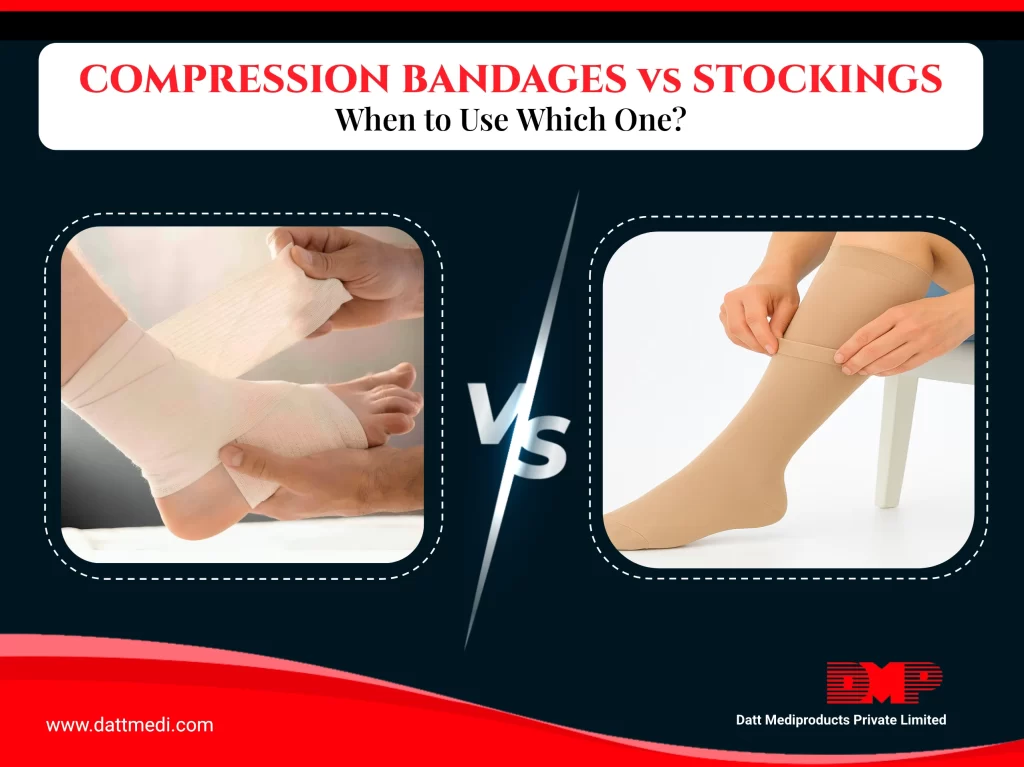
Compression bandage and stocking placed side by side

Introduction

Swelling in the legs or arms is more than a temporary discomfort. Persistent swelling can slow wound healing, limit mobility, and increase the risk of complications such as skin damage or venous ulcers.

Compression therapy is a widely recommended medical approach used to support circulation and control fluid buildup in affected limbs. Among the most commonly used solutions are compression bandages and compression stockings. While both deliver controlled pressure to improve circulation, they serve different roles in treatment depending on the stage of recovery and the patient’s condition.

What Is Compression Therapy and Why Is It Important?

Compression therapy works by applying graduated pressure to a limb, helping blood and lymphatic fluid move back toward the heart. This controlled pressure reduces fluid accumulation in tissues and improves overall circulation.

Healthcare professionals commonly recommend compression therapy for conditions such as:

  • Venous leg ulcers
  • Varicose veins
  • Lymphedema
  • Post-surgical swelling
  • Chronic venous insufficiency
  • Injury-related edema
  • Deep Vein Thrombosis
  • Phlebitis

When used correctly, compression therapy helps reduce swelling, protect skin integrity, and support faster recovery.

Compression Bandages: Flexible Support for Changing Conditions

Compression bandages are stretchable wraps applied around the affected limb to provide controlled pressure. Because they can be adjusted during application, they are particularly useful when swelling levels change or when wounds require regular monitoring.

Types of Compression Bandages

  • Short-Stretch Bandages : Short-stretch bandages provide limited elasticity and generate higher pressure when muscles move. This makes them suitable for patients who remain active, as muscle movement enhances the compression effect and supports venous return.
  • Long-Stretch Bandages : Long-stretch bandages offer greater elasticity and maintain consistent pressure even when the limb is at rest. They are often used for patients with limited mobility or those recovering from surgery.

When Compression Bandages Are Commonly Used

Compression bandages are commonly recommended when treatment needs to adapt to changing conditions, including:

  • Sudden or severe swelling
  • Open wounds requiring wound dressings
  • Post-surgical swelling management
  • Limbs with irregular or changing shape
Their adjustability allows healthcare providers to modify pressure levels as swelling decreases and healing progresses.

Looking for reliable and adjustable compression bandages for effective therapy?

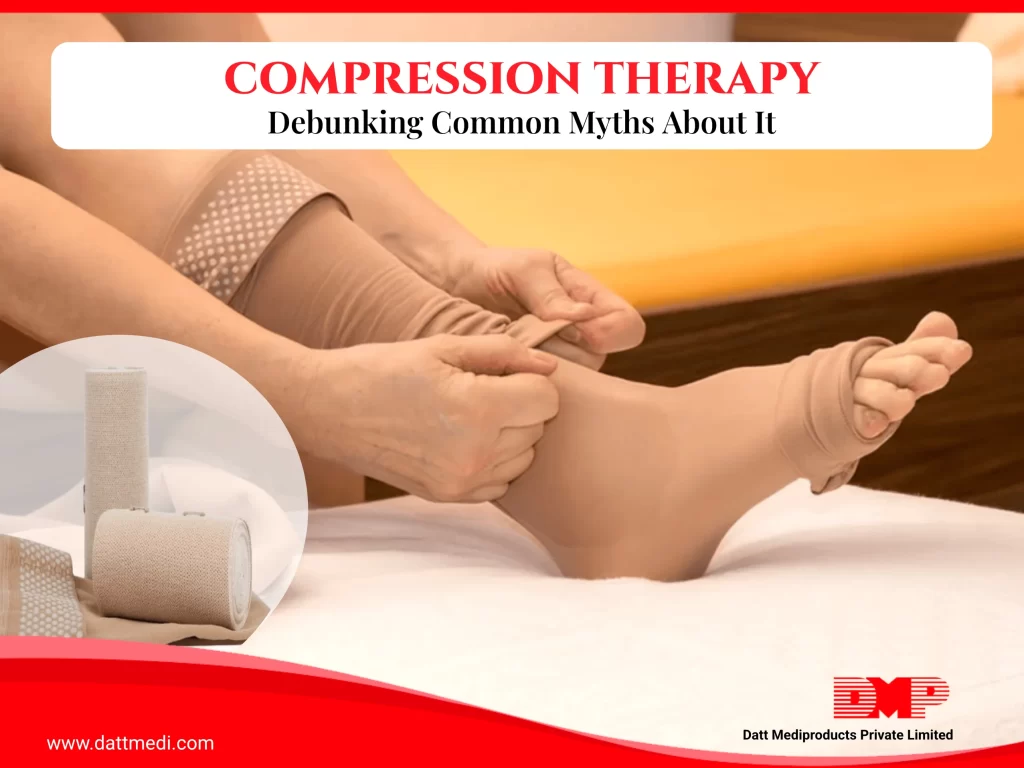
Top Misconceptions About Compression Therapy

Explore our Compression Bandage here: View Product

Compression Stockings: Consistent Support for Long-Term Care

Compression stockings are specially designed medical garments worn like socks or sleeves. They apply graduated compression, with the highest pressure at the ankle that gradually decreases toward the calf or thigh.

This pressure pattern supports natural blood flow and helps prevent fluid from collecting in the lower limbs.

Compression Levels in Stockings

Medical compression stockings are available in different pressure strengths depending on treatment needs:

  • Mild compression – Helps prevent early swelling and leg fatigue
  • Moderate compressionSupports varicose veins and mild circulation problems
  • Higher compression levels– Used for chronic venous conditions or post-ulcer management

When Compression Stockings Are Typically Used

Compression stockings are typically introduced after swelling has stabilized and the limb size becomes consistent.

They are commonly used for:

  • Long-term swelling management
  • Ongoing support for circulation disorders
  • Prevention of venous ulcer recurrence
  • Daily compression therapy for chronic conditions
Because they are easier to wear independently, stockings often improve treatment adherence for long-term care.
Compression Therapy for Wound Healing: Critical Facts You Need

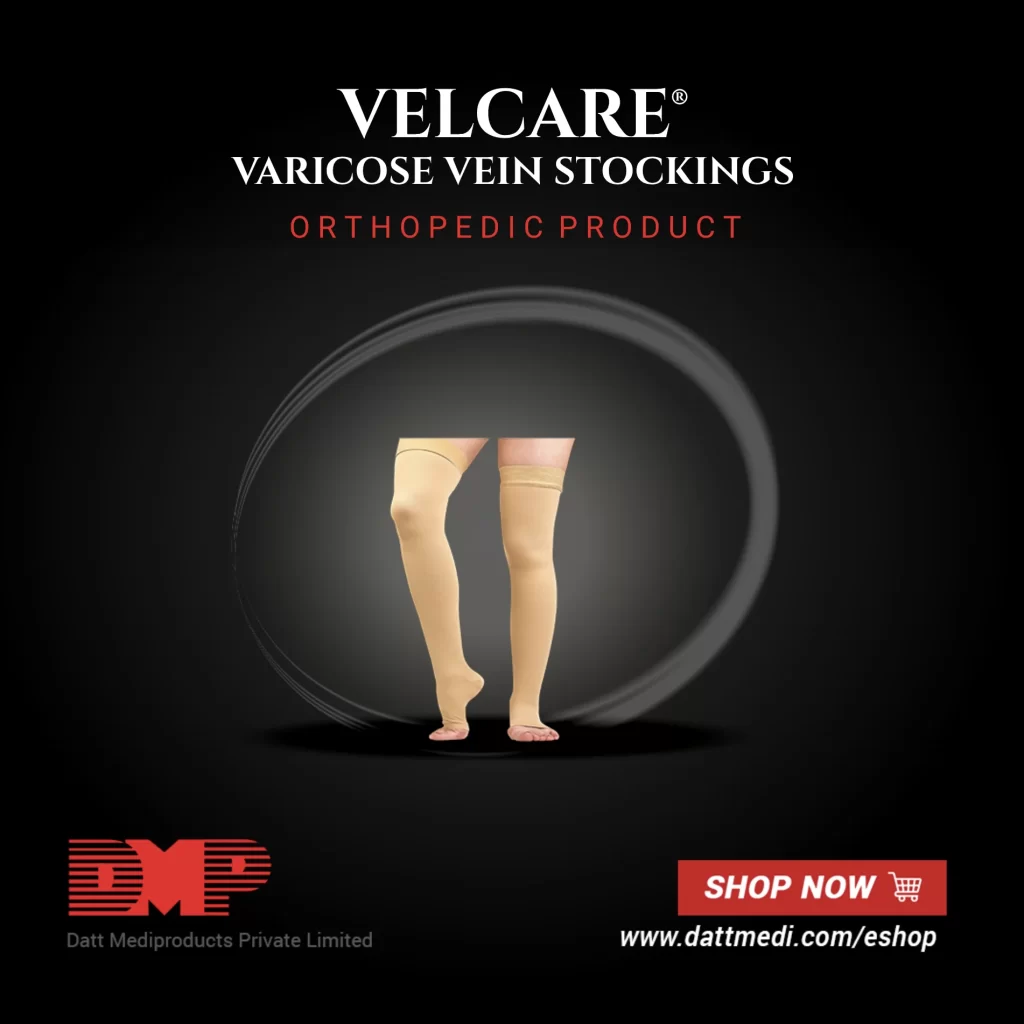
Explore our medical-grade Velcare Varicose Vein Stockings designed for effective compression therapy: View Product

Comparing Compression Bandages and Compression Stockings

FeatureCompression BandagesCompression Stockings
FlexibilityHighly adjustableFixed compression level
Best Stage of TreatmentEarly or active treatmentLong-term maintenance
Ease of UseRequires trained applicationEasy for self-use
Wound CompatibilitySuitable for wound dressingsUsually used after wounds heal
Comfort for Daily WearModerateHigh
Adaptability to SwellingExcellentLimited

When Are Compression Bandages the Better Choice?

Compression bandages Compression bandages are generally recommended during the initial stage of treatment, especially when swelling is unstable or wounds are present.

They are most suitable when:

  • Swelling changes frequently
  • Limb shape is uneven
  • Wound dressings require regular replacement
  • Compression pressure must be adjusted
Because they can be re-applied and modified, bandages allow clinicians to closely manage swelling while protecting healing tissues.

When Are Compression Stockings More Suitable?

Compression stockings are commonly used after the treatment phase once swelling has been reduced and limb size stabilizes.

They are ideal for:

  • Long-term compression therapy
  • Preventing recurrence of swelling
  • Supporting circulation in chronic venous disorders
  • Providing comfortable daily compression support
Regular use of properly fitted stockings helps maintain results achieved during earlier treatment.

Why Professional Guidance Matters

Selecting the right compression therapy requires careful assessment of several factors, including circulation health, wound condition, skin sensitivity, and patient mobility.

Incorrect compression levels or poorly fitted products can reduce treatment effectiveness and cause discomfort. Healthcare professionals ensure the correct compression type, pressure level, and fitting method are used for each patient.

Medical compression products manufactured under internationally recognized standards such as ISO and CE certifications further support safety, performance, and reliability in clinical and homecare environments.

Compression therapy plays an important role in managing swelling, supporting circulation, and improving wound healing outcomes.

Compression bandages offer flexibility during the active treatment stage, allowing healthcare professionals to adjust pressure as swelling changes. Compression stockings provide consistent and convenient compression for long-term management, helping patients maintain recovery and prevent future complications.

Understanding the differences between compression bandages and compression stockings enables more effective treatment decisions and supports better long-term vascular and wound care management.

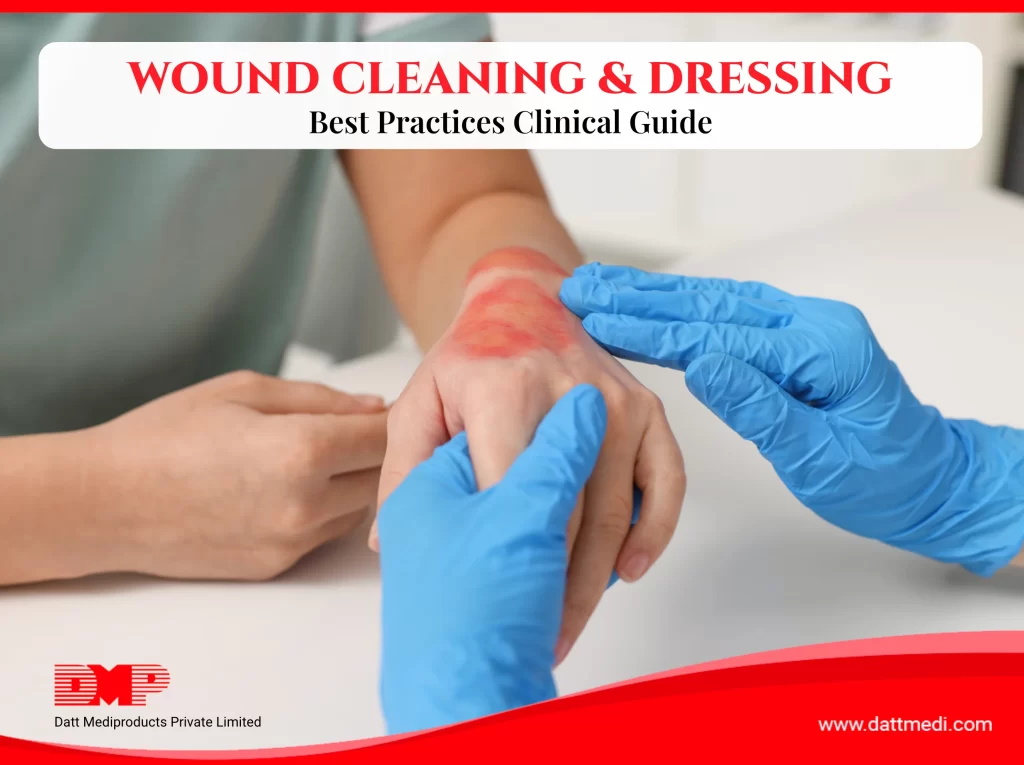
Cleaning wound with sterile saline before applying dressing

Knowing how to clean a wound properly and apply the right dressing plays a critical role in healing outcomes. Inadequate wound care is one of the most common reasons wounds become infected or take longer to heal.

Whether managing a minor cut at home, caring for a surgical incision, or supporting chronic wound recovery, following evidence-based wound care practices helps protect the skin, reduce complications, and support natural tissue repair.

Why Proper Wound Care Is Important

Proper wound care involves cleaning the wound, protecting it with an appropriate dressing made from clinically tested materials, and regularly monitoring the healing progress.

Effective wound care:

  • Reduces microbial contamination
  • Minimizes inflammation and tissue damage
  • Lowers the risk of scarring and delayed healing
  • Supports tissue regeneration, especially in patients with diabetes, poor circulation, or reduced immunity

Maintaining a clean and protected wound environment allows new tissue to form safely and consistently.

Practical example:
Healthcare facilities worldwide follow standardized wound care protocols because consistent and correct wound management directly improves patient recovery outcomes.

Step-by-Step Guide: How to Clean a Wound

A. Prepare Before Cleaning the Wound

1. What to do:
Prepare yourself and gather supplies before touching the wound.

2. Why it matters:
Proper preparation minimizes the risk of introducing bacteria into the wound.

3. How to do it:

  • Wash hands thoroughly and wear clean gloves.
  • Keep sterile saline or clean water ready.
  • Prepare clean, suitable wound dressings as advised, along with a waste disposal bag.

B. Clean the Wound Gently and Safely

1. What to do:
Remove visible dirt, debris, or dried discharge from the wound.

2. Why it matters:
Gentle cleaning reduces infection risk and supports faster healing.

3. How to do it:

  • Rinse the wound using a mild soap and sterile saline or clean running water
  • Use antiseptic solutions only if recommended by a healthcare professional
  • Avoid alcohol or hydrogen peroxide directly on the wound, as these may damage healthy tissue and delay healing

C. Dry the Wound Area Carefully

1. What to do:
Dry the surrounding skin after cleaning.

2. Why it matters:
Excess moisture can weaken surrounding skin and slow healing.

3. How to do it:

  • Gently pat the area dry using sterile gauze
  • Avoid rubbing the wound surface

Choosing the Best Dressing for Open Wounds

A. Factors to Consider When Selecting a Dressing

The best dressing for open wounds depends on:

  • Type of wound (minor cut, surgical incision, or chronic wound)
  • Amount of wound exudate (fluid)
  • Infection risk and patient activity level
Selecting the right dressing—based on wound type and healing needs—helps maintain an optimal wound environment and supports steady healing.

B. Common Types of Wound Dressings and Their Uses

  • Gauze Dressings:
    Suitable for minor wounds and short-term protection, such as Gamjee pads and cotton gauze rolls.
  • Foam Dressings:
    Ideal for moderate to heavily exuding wounds, such as Velfix-S, which helps absorb excess exudate while maintaining a balanced wound environment.
  • Hydrocolloid or Hydrogel Dressings:
    Help maintain a moist environment for healing.
  • Antimicrobial Dressings:
    Recommended when infection risk is high or infection is present, such as Velvert, used under medical guidance.

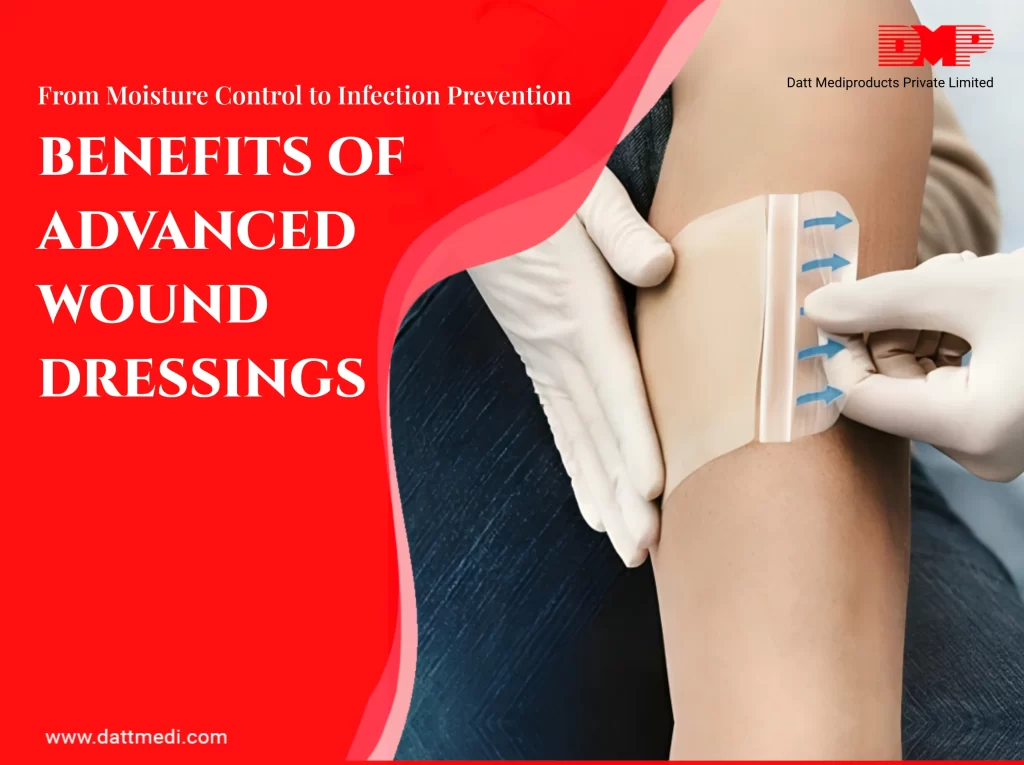
Modern wound management relies on advanced dressing technologies designed to maintain moisture balance and protect healing tissue. – Read More

How to Secure a Wound Dressing Correctly

1. Why it matters:
A dressing that is too loose may expose the wound, while one that is too tight can restrict circulation.

2. Best practices:

  • Use transparent sterile film dressings (Velfix-T Film) to secure the primary dressing while allowing wound visibility.
  • Medical adhesive tape may be used where appropriate.
  • Ensure the dressing is secure, comfortable, and does not restrict blood flow.

How Often Should You Change a Wound Dressing?

Dressing change frequency depends on wound type, exudate level and medical advice. Change the dressing if:

  • It becomes wet or contaminated
  • There is increased redness, discharge, or odor
  • Wounds with higher exudated will require more frequent dressing changes. 
Regular dressing changes using clean and sterilized post-operative or wound dressings reduce infection risk and support faster healing.

Monitoring Wound Healing and Infection Signs

Check the wound daily for:

  • Increased pain, redness, swelling, or warmth.
  • Discharge or unusual odor (possible infected wound signs).
  • Healthy pink or red tissue, which indicates healing.

If healing does not improve or symptoms worsen, consult a healthcare professional promptly.

If any warning signs persist or worsen, early identification is critical. Understanding the common symptoms of wound infection can help prevent serious complications and delayed healing.

Read more: Signs of Infected Wounds: Symptoms, Risks, and When to Seek Medical Care

Common Wound Care Mistakes to Avoid

  • Using non-sterile or unclean materials
  • Leaving wounds uncovered for extended periods
  • Reusing old or soiled dressings
  • Applying products without professional advice
Avoiding these mistakes can significantly improve recovery outcomes.

When to Seek Medical Attention for a Wound

Seek professional care if:

  • The wound is deep or bleeding heavily
  • It is a burn
  • Signs of infection are present
  • The wound is chronic, such as diabetic foot ulcers or burns
  • Healing does not progress over time
In such cases, specialized solutions like advanced wound dressings may be required, under the guidance of healthcare professionals.

Simple Tips to Support Faster Wound Healing

  • Eat a balanced diet rich in protein, vitamins, and minerals
  • Stay adequately hydrated
  • Avoid smoking and excessive alcohol intake
  • Get sufficient sleep to support tissue repair

Understanding how to clean a wound and apply the correct dressing is essential for safe and effective healing. By following approapriate wound care steps and using quality wound dressings manufactured under international standards such as ISO and CE, patients and caregivers can reduce complications and support better outcomes.

For complex or slow-healing wounds, timely medical guidance remains essential.

Medical Disclaimer

This content is intended for general wound care education and does not replace professional medical advice. Always consult a healthcare provider for serious, worsening, or non-healing wounds.

Logo

Datt Mediproducts Private Limited

Loading