
Search by Blog
Read by Category

Your healing journey continues beyond this blog

Find the right products for better recovery at online store
Cart Image
Unilateral leg swelling due to circulation issue

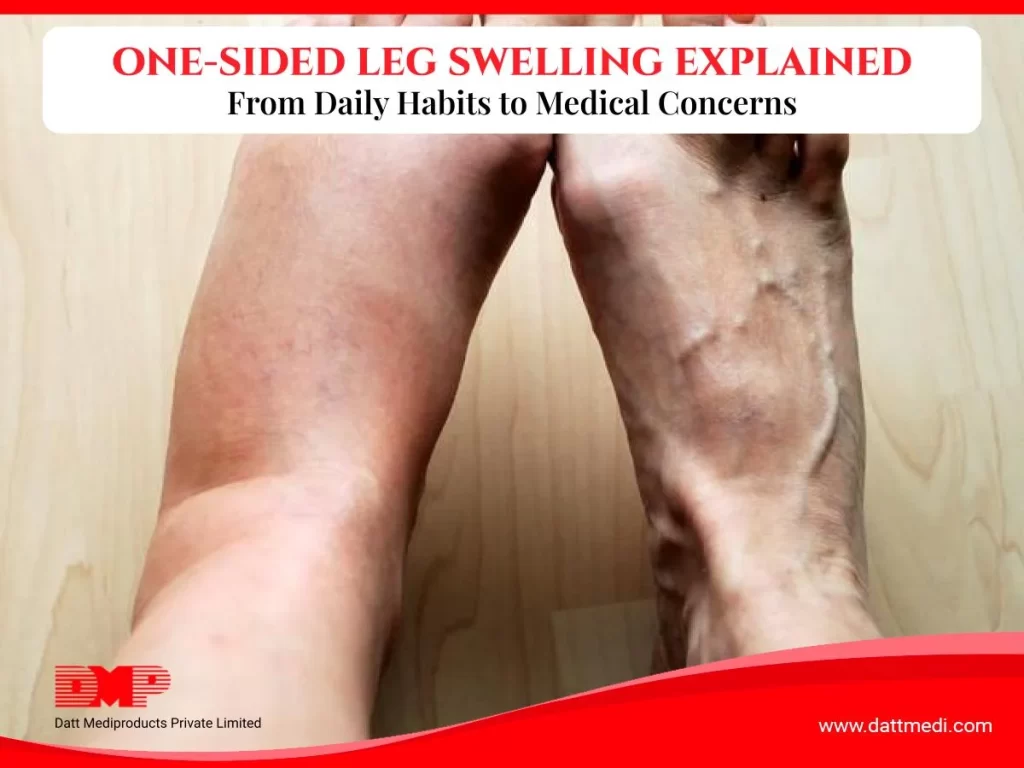
Some swelling in both legs after a long day of standing or sitting is common and usually nothing to worry about. But when one leg is noticeably more swollen than the other, it’s worth understanding why — and knowing when it’s a signal to see a doctor rather than just rest and elevate.

Common Reasons One Leg May Swell More Than the Other

One-sided leg swelling can have several causes, ranging from prolonged standing or reduced movement to conditions such as chronic venous insufficiency, lymphedema, infection, or deep vein thrombosis (DVT). Sudden or unexplained swelling should be medically evaluated, particularly when it is accompanied by pain, warmth, redness, or other concerning symptoms.

1. Impaired Circulation

When the veins in one leg are less efficient at moving blood back toward the heart, fluid collects in that leg’s tissue — this shows up as more noticeable swelling on that side.

Conditions that can cause this imbalance include:

  • Varicose veins
  • Chronic venous insufficiency
  • Reduced muscle activity in one leg
  • Weak calf muscle pump function
  • Lymphedema
If you're on your feet for long stretches, our guide on why prolonged standing causes leg swelling explains the exact mechanism — and what actually helps. For a deeper look at circulation and healing, see compression therapy and wound healing.

2. Postural Habits

Consistently favoring one leg — standing with weight shifted to one side, sitting cross-legged, or always sleeping on the same side — can slow circulation on that one side over time & cause mild swelling in one leg or ankle. However persistent swelling should be evaluated by a medical professional. 

Small daily patterns that contribute:

  • Standing with weight shifted onto one leg
  • Sitting cross-legged for extended periods
  • Sleeping consistently on one side

Staying mobile and, where appropriate, using compression bandages can help counter this.

3. Past Injury or Surgery

Scar tissue or structural changes from a past injury, surgery, or procedure involving lymph nodes can reduce normal fluid drainage in that limb — making it swell more easily than the other.

Examples include:

  • Fractures or ligament injuries
  • Knee, hip, or ankle surgery
  • Medical procedures involving lymph nodes

If lymphatic drainage is part of what you’re managing, our guide on lymphedema care and management covers this in depth. Recovery-stage support from the orthopedic products range may also help during this period.

4. Reduced movement or muscle activity

When one leg is less active than the other, the muscles in that leg may not contract as frequently. Normally, muscle contractions especially in the calf — help push blood and fluid back toward the heart. If movement is reduced because of pain, weakness, limited mobility, prolonged sitting, or favoring one leg, this muscle-pump action can become less effective, allowing fluid to accumulate in the tissues and making the leg appear more swollen.

Reduced movement can occur after an injury or surgery, or when someone has difficulty walking normally. In these situations, swelling may be temporary. However, persistent, significant, or sudden one-sided swelling should not automatically be attributed to inactivity, as other causes such as a blood clot or infection may need to be ruled out.

5. Medical Conditions That Can Cause One-Sided Swelling

Uneven leg swelling can also be caused by several medical conditions that affect the lymphatic system, veins, or tissues of the leg.

Some important possibilities include:

  • Lymphedema:
    This occurs when the lymphatic system cannot drain fluid effectively, causing fluid to build up in the tissues. It can affect one leg or both and may cause persistent swelling, heaviness, tightness, or thickening of the skin.
  • Infection or inflammation:
    An infection such as cellulitis can cause localized swelling along with redness, warmth, tenderness, and sometimes fever. Inflammation from an injury or another underlying condition can also cause swelling in one leg.
  • Chronic venous insufficiency:
    When the veins have difficulty returning blood from the legs to the heart, blood can pool in the lower leg. This may cause swelling, heaviness, aching, skin discoloration, or changes around the ankles. Symptoms may become more noticeable after prolonged standing or sitting.
  • Deep vein thrombosis (DVT):
    A DVT is a blood clot in a deep vein, usually in the leg. It can cause sudden or new swelling in one leg, sometimes accompanied by pain, tenderness, warmth, or redness. DVT is important to recognize because a clot can potentially travel to the lungs and cause a pulmonary embolism.

When Uneven Leg Swelling Needs Medical Attention

Occasional mild swelling after a long day is usually fine. Get it checked promptly if the swelling is sudden, painful, or comes with redness, warmth, or breathing symptoms — these can indicate a blood clot or other condition needing urgent care.
See a doctor or other healthcare professional if the swelling is:

  • Sudden and painful
  • Accompanied by redness or warmth
  • Associated with tenderness in the leg
  • Linked to shortness of breath or chest discomfort
  • Worsening over time or not improving with rest and elevation
  • Skin changed or unexplained discomfort. 
If you experience shortness of breath or chest pain alongside sudden leg swelling, treat it as an emergency and seek immediate medical care — this combination can indicate a blood clot that has traveled to the lungs.

Managing Mild Leg Swelling

For swelling linked to circulation or posture rather than injury, movement, elevation, and — where appropriate — graduated compression are the most effective everyday tools.

Helpful daily practices:

  • Elevating the legs during rest
  • Moving regularly after long periods of sitting or standing
  • Gentle leg exercises to activate calf muscles
  • Wearing supportive footwear

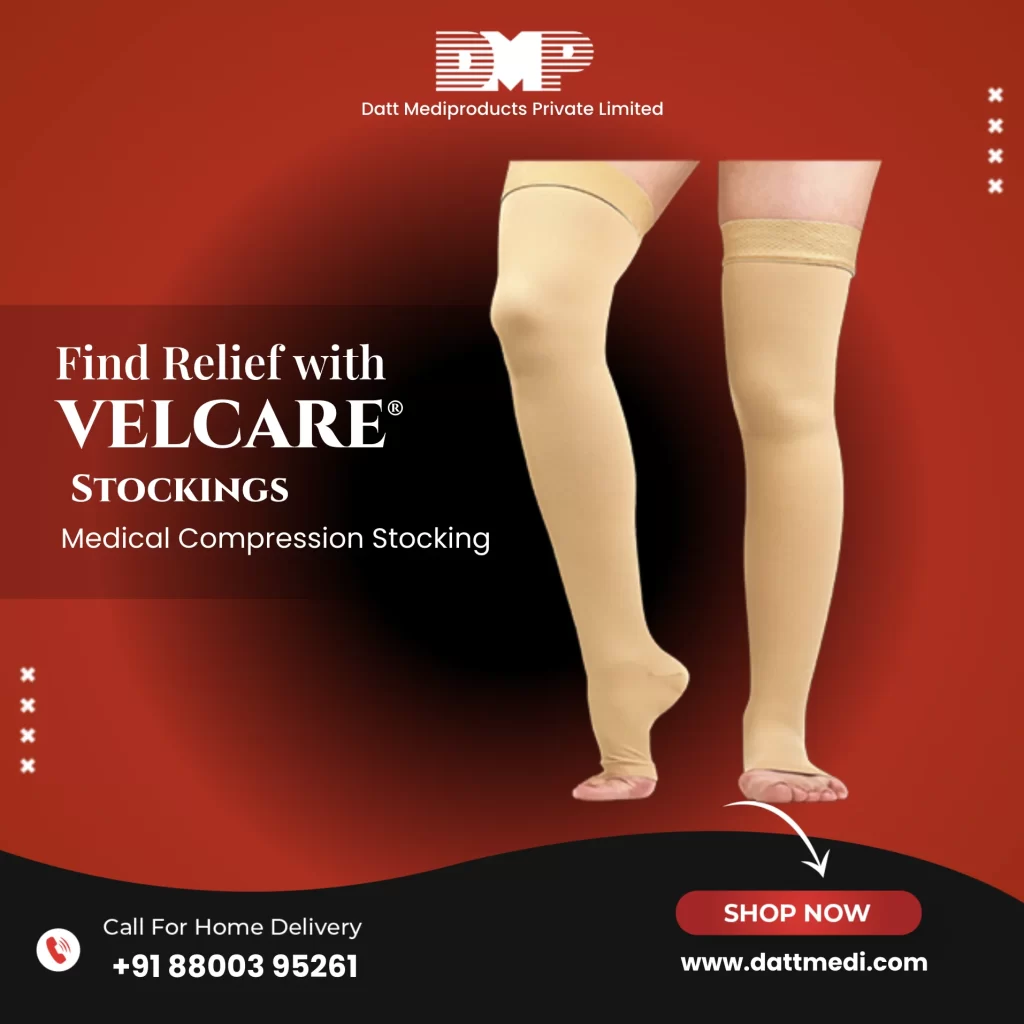
Many people managing varicose veins or mild venous insufficiency use the Velcare® Varicose Vein Compression Stockings for daily graduated compression. If you’re considering compression support, correct sizing matters — see our guide on measuring and fitting compression garments correctly to get the fit right the first time. Our comparison of compression bandages vs. compression stockings can also help you decide which is right for your situation.

Our comparison of compression bandages vs. compression stockings can also help you understand which option may be appropriate for different situations.

Supporting Healthy Circulation

Mild, occasional asymmetrical swelling isn’t unusual — but persistent one-sided swelling should always be assessed by a healthcare professional to rule out more serious causes. Paying attention to posture, movement, and circulation day to day goes a long way toward keeping both legs comfortable.
Related reading:

Visit www.dattmedi.com for more infomation.
Share:

Frequnently Asked Questions

One-sided swelling can occur due to circulation differences, posture habits, or past injuries affecting one leg. In some cases, the veins or lymphatic system function less efficiently on one side.

Mild swelling may occur occasionally, especially after long periods of standing or sitting. Persistent or sudden swelling in one leg should be evaluated by a healthcare professional.

Yes. Habitually placing more weight on one leg or sitting cross-legged for long periods can affect circulation and contribute to uneven swelling.

Past injuries or surgeries may affect blood or lymphatic circulation in the affected limb, which can sometimes lead to swelling.

Seek medical advice if swelling appears suddenly, becomes painful, is associated with redness or warmth, or does not improve with rest and elevation. Seek emergency care if it comes with chest pain or breathlessness.

Recent Blogs
Wound Care for Athletes

Peak Performance, Optimal Recovery: A Guide to Wound Care in Sports

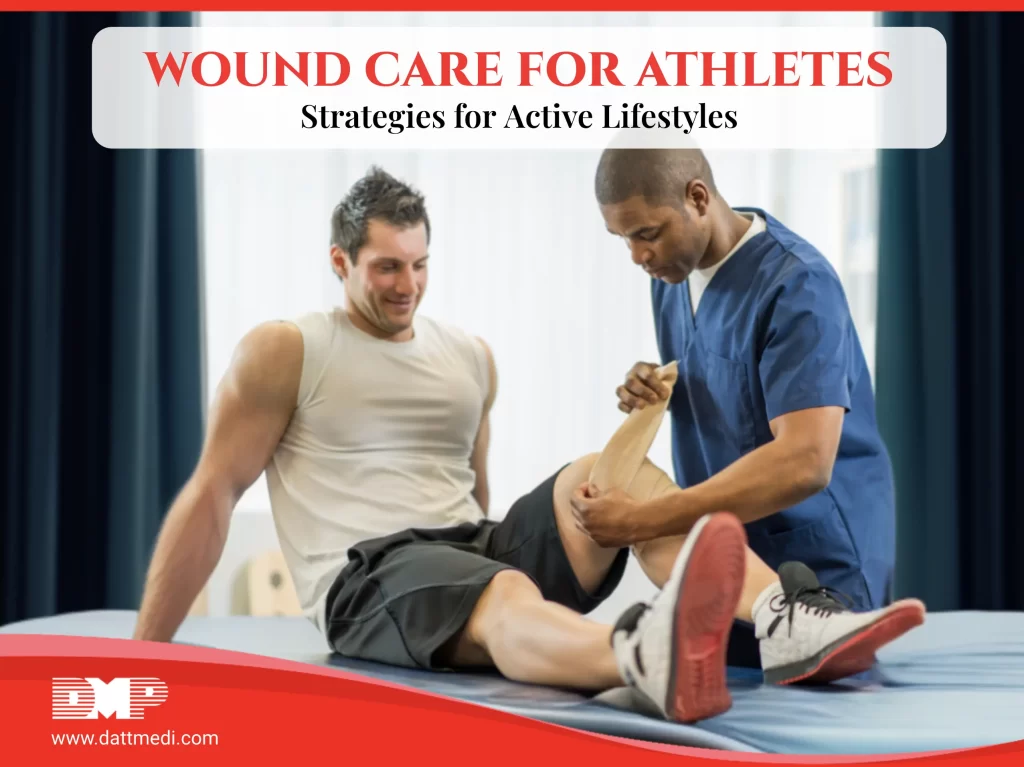
Athletes constantly push their bodies to the limit, making them more prone to injuries and wounds. From minor cuts and bruises to more serious sprains and strains, managing these injuries effectively is crucial for maintaining peak performance and ensuring a swift recovery. This blog delves into effective wound care strategies for athletes and highlights how the innovative Velcool® cooling and compression bandage can play a pivotal role in their recovery.

Understanding Common Athletic Injuries

Athletic activities can lead to a variety of injuries, including:

  • Sprains and Strains: Overstretching or tearing of ligaments and muscles.
  • Bruises: Caused by impact, leading to bleeding under the skin.
  • Cuts and Abrasions: Resulting from falls or contact with rough surfaces.
  • Overuse Injuries: Such as tendonitis, caused by repetitive motion.

The RICE Method: A Foundation for Acute Injury Management

The RICE method is a tried-and-true approach for managing acute sports injuries. It stands for Rest, Ice, Compression, and Elevation, each component playing a vital role in minimizing damage and speeding up recovery.

  • Rest: Essential to prevent further injury and allow the body to begin the healing process. Avoiding stress on the injured area helps prevent exacerbation of the damage.
  • Ice: Applying ice reduces pain and inflammation by constricting blood vessels, limiting blood flow to the affected area.
  • Compression: Helps reduce swelling and provides support to the injured tissue by limiting fluid accumulation around the injury.
  • Elevation: Keeping the injured part above the level of the heart reduces swelling, associated pain, and discomfort.

Introducing Velcool® : Enhancing the RICE Method

Velcool®  is a state-of-the-art cooling and compression bandage that adheres perfectly to the principles of the RICE method. It offers several benefits that make it an indispensable tool for athletes.

Strategies for Effective Wound Care in Athletes

1. Immediate Attention:

  • Address injuries immediately to prevent them from worsening.
  • Use products like Velcool® for instant cold and compression therapy.

2. Proper Cleansing:

  • Clean cuts and abrasions thoroughly to prevent infection.
  • Use antiseptic solutions and keep the wound covered with sterile dressings.

3. Monitor Healing:

  • Regularly check the injury for signs of infection or complications.
  • Adjust the level of activity based on the healing progress.

4. Nutrition and Hydration:

  • 4a. Maintain a balanced diet rich in proteins, vitamins, and minerals to support the healing process.
  • 4b. Stay hydrated to promote overall health and recovery.

5. Gradual Return to Activity:

  • Gradually reintroduce physical activity to avoid re-injury.
  • Follow a rehabilitation plan designed by a healthcare professional.

Effective wound care is vital for athletes to maintain their active lifestyles and ensure quick recovery from injuries. The RICE method provides a solid foundation for managing acute injuries, and innovations like the Velcool® cooling and compression bandage enhance this approach. By incorporating these strategies and utilizing advanced products, athletes can minimize downtime, promote healing, and get back to their peak performance levels swiftly.

For athletes and sports enthusiasts, embracing the right wound care techniques and products like Velcool® can make a significant difference in their overall health and performance. Stay active, stay safe, and ensure your body gets the care it deserves.

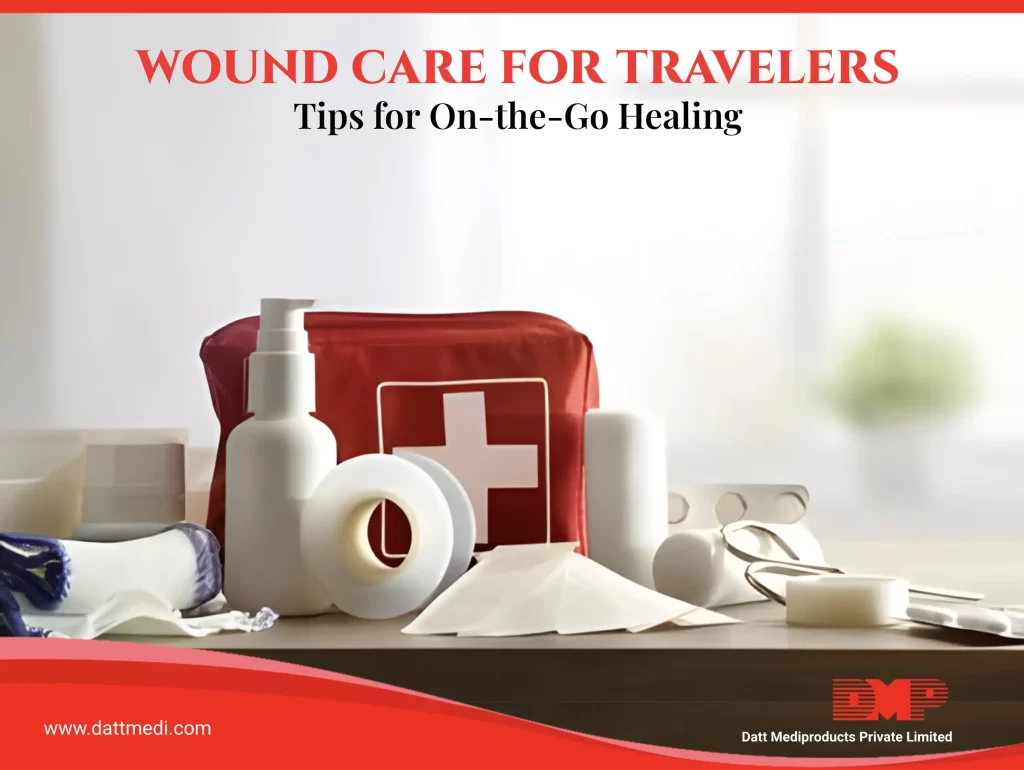
Wound Care for Traveler's: Tips for On-the-Go Healing

Wound Care for Travelers: Tips for On-the-Go Healing

As travelers, we often find ourselves exploring new landscapes, engaging in adventurous activities, or simply navigating bustling city streets. With such dynamic experiences comes the risk of minor injuries or wounds. Whether it’s a scraped knee from hiking, a blister from walking, or a cut from exploring unfamiliar terrain, proper wound care is essential to ensure a smooth and safe journey.

In this blog, we’ll explore key considerations for travelers when it comes to wound care, focusing on portability, convenience, and effectiveness in various environments.

Portability and Convenience:

When traveling, space in our bags is precious, and carrying bulky medical supplies is often impractical. Opt for compact wound care products that are lightweight and easily portable. Look for individually wrapped items or travel-sized kits that include essentials like adhesive bandages, antiseptic wipes, and gauze pads. These items should be readily accessible in your travel bag or first aid kit, ensuring quick access in case of emergencies. Consider adding our woven cohesive moderate compression bandage- Velsoft®-Plus to your kit for added support and compression.

Adhesive Strength for Active Movement:

Travelers are often on the move, whether hiking through rugged terrain, exploring urban environments, or engaging in water activities. Therefore, it’s crucial to choose wound dressings with strong adhesive properties that can withstand active movement. Look for adhesive bandages specifically designed for sports or active lifestyles, as they offer enhanced durability and stay in place even during rigorous physical activities. 

DO YOU KNOW –
Our product Velsoft®-Plus provides self-adhesive, non-sticky support, ideal for active movement for the travelers on the go.

Moisture Control for Varied Environments:

Traveling exposes us to diverse climates and environments, from humid tropical regions to arid deserts. Proper moisture control is essential for promoting optimal wound healing and preventing infection. Consider using advanced wound dressings with moisture-absorbing capabilities, such as hydrocolloid or foam dressings. These dressings create a moist wound environment conducive to healing while also providing a barrier against external contaminants.

Protection Against Environmental Contaminants:

Traveling exposes us to various environmental hazards, including dirt, dust, bacteria, and other contaminants. Ensure your wound care products offer adequate protection against these elements. Waterproof and breathable dressings are ideal for maintaining a clean and sterile environment around the wound, preventing contamination from external sources. Additionally, antiseptic wipes or sprays can be used to cleanse the wound and surrounding skin, reducing the risk of infection. Velsoft®-Plus bandage provides significant levels of pressure up to 20-30 mmHg, aiding in the management of mild sprains and strains while offering protection against contaminants.

Ease of Application and Removal:

In the midst of travel adventures, simplicity is key. Choose wound care products that are easy to apply and remove, even in challenging conditions. Adhesive bandages with built-in applicators or tabs make it effortless to secure them in place, while non-stick dressings facilitate pain-free removal without disrupting the healing process. Consider the practicality of the products you choose, ensuring they can be applied and removed with minimal fuss. Our Velsoft®-Plus  bandages are self-adhesive and non-sticky to hair or skin, ensuring hassle-free application and removal.

Versatility for Different Wound Types:

Travelers encounter a variety of wounds, from minor cuts and scrapes to blisters and burns. Therefore, it’s essential to have versatile wound care products that can address different types of injuries effectively. Multi-purpose dressings, such as sterile gauze pads or adhesive hydrogel sheets, are valuable additions to your travel first aid kit. These products can be used for wound cleansing, protection, and absorption, providing comprehensive care for various injuries. 

Traveling presents countless opportunities for adventure and exploration, but it also comes with the risk of minor injuries and wounds. By prioritizing portability, convenience, and effectiveness in wound care products, travelers can ensure they’re prepared to handle unexpected mishaps while on the go. Whether trekking through rugged landscapes or strolling through bustling city streets, proper wound care is essential for a safe and enjoyable travel experience. With the right products and preparation, travelers can embark on their journeys with confidence, knowing they have the tools to address any bumps along the way.

Logo

Datt Mediproducts Private Limited

Loading
Buy Now