

Search by Blog
Read by Category

Your healing journey continues beyond this blog

Find the right products for better recovery at online store
Cart Image
Unilateral leg swelling due to circulation issue

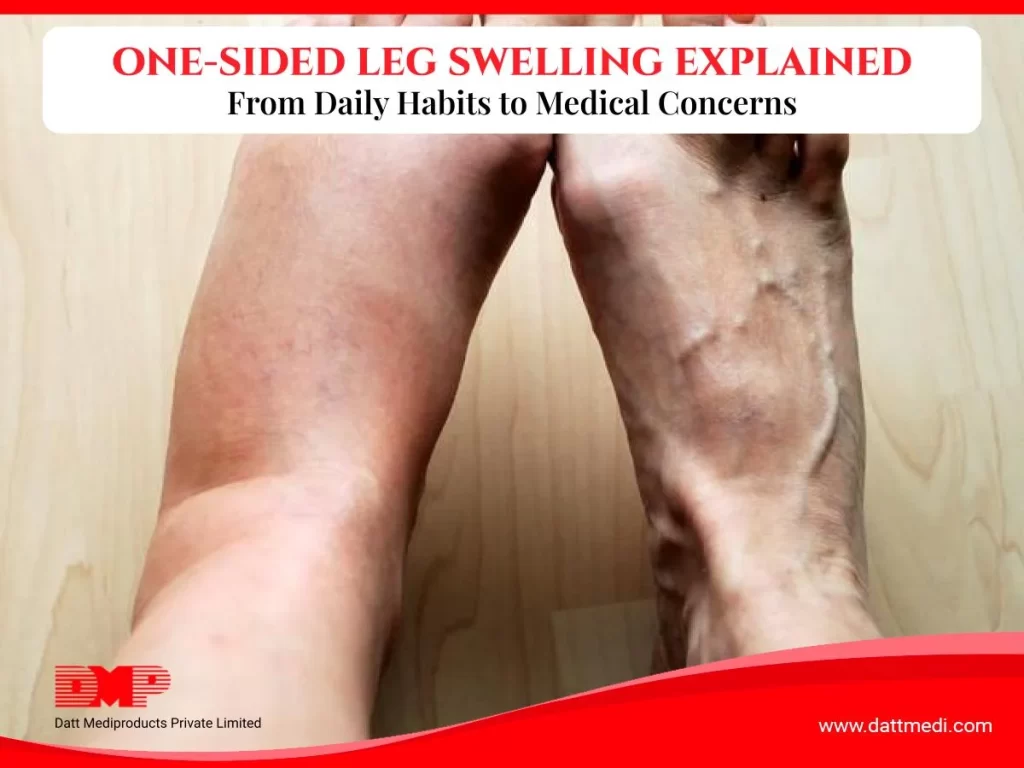
Some swelling in both legs after a long day of standing or sitting is common and usually nothing to worry about. But when one leg is noticeably more swollen than the other, it’s worth understanding why — and knowing when it’s a signal to see a doctor rather than just rest and elevate.

Common Reasons One Leg May Swell More Than the Other

One-sided leg swelling can have several causes, ranging from prolonged standing or reduced movement to conditions such as chronic venous insufficiency, lymphedema, infection, or deep vein thrombosis (DVT). Sudden or unexplained swelling should be medically evaluated, particularly when it is accompanied by pain, warmth, redness, or other concerning symptoms.

1. Impaired Circulation

When the veins in one leg are less efficient at moving blood back toward the heart, fluid collects in that leg’s tissue — this shows up as more noticeable swelling on that side.

Conditions that can cause this imbalance include:

  • Varicose veins
  • Chronic venous insufficiency
  • Reduced muscle activity in one leg
  • Weak calf muscle pump function
  • Lymphedema
If you're on your feet for long stretches, our guide on why prolonged standing causes leg swelling explains the exact mechanism — and what actually helps. For a deeper look at circulation and healing, see compression therapy and wound healing.

2. Postural Habits

Consistently favoring one leg — standing with weight shifted to one side, sitting cross-legged, or always sleeping on the same side — can slow circulation on that one side over time & cause mild swelling in one leg or ankle. However persistent swelling should be evaluated by a medical professional. 

Small daily patterns that contribute:

  • Standing with weight shifted onto one leg
  • Sitting cross-legged for extended periods
  • Sleeping consistently on one side

Staying mobile and, where appropriate, using compression bandages can help counter this.

3. Past Injury or Surgery

Scar tissue or structural changes from a past injury, surgery, or procedure involving lymph nodes can reduce normal fluid drainage in that limb — making it swell more easily than the other.

Examples include:

  • Fractures or ligament injuries
  • Knee, hip, or ankle surgery
  • Medical procedures involving lymph nodes

If lymphatic drainage is part of what you’re managing, our guide on lymphedema care and management covers this in depth. Recovery-stage support from the orthopedic products range may also help during this period.

4. Reduced movement or muscle activity

When one leg is less active than the other, the muscles in that leg may not contract as frequently. Normally, muscle contractions especially in the calf — help push blood and fluid back toward the heart. If movement is reduced because of pain, weakness, limited mobility, prolonged sitting, or favoring one leg, this muscle-pump action can become less effective, allowing fluid to accumulate in the tissues and making the leg appear more swollen.

Reduced movement can occur after an injury or surgery, or when someone has difficulty walking normally. In these situations, swelling may be temporary. However, persistent, significant, or sudden one-sided swelling should not automatically be attributed to inactivity, as other causes such as a blood clot or infection may need to be ruled out.

5. Medical Conditions That Can Cause One-Sided Swelling

Uneven leg swelling can also be caused by several medical conditions that affect the lymphatic system, veins, or tissues of the leg.

Some important possibilities include:

  • Lymphedema:
    This occurs when the lymphatic system cannot drain fluid effectively, causing fluid to build up in the tissues. It can affect one leg or both and may cause persistent swelling, heaviness, tightness, or thickening of the skin.
  • Infection or inflammation:
    An infection such as cellulitis can cause localized swelling along with redness, warmth, tenderness, and sometimes fever. Inflammation from an injury or another underlying condition can also cause swelling in one leg.
  • Chronic venous insufficiency:
    When the veins have difficulty returning blood from the legs to the heart, blood can pool in the lower leg. This may cause swelling, heaviness, aching, skin discoloration, or changes around the ankles. Symptoms may become more noticeable after prolonged standing or sitting.
  • Deep vein thrombosis (DVT):
    A DVT is a blood clot in a deep vein, usually in the leg. It can cause sudden or new swelling in one leg, sometimes accompanied by pain, tenderness, warmth, or redness. DVT is important to recognize because a clot can potentially travel to the lungs and cause a pulmonary embolism.

When Uneven Leg Swelling Needs Medical Attention

Occasional mild swelling after a long day is usually fine. Get it checked promptly if the swelling is sudden, painful, or comes with redness, warmth, or breathing symptoms — these can indicate a blood clot or other condition needing urgent care.
See a doctor or other healthcare professional if the swelling is:

  • Sudden and painful
  • Accompanied by redness or warmth
  • Associated with tenderness in the leg
  • Linked to shortness of breath or chest discomfort
  • Worsening over time or not improving with rest and elevation
  • Skin changed or unexplained discomfort. 
If you experience shortness of breath or chest pain alongside sudden leg swelling, treat it as an emergency and seek immediate medical care — this combination can indicate a blood clot that has traveled to the lungs.

Managing Mild Leg Swelling

For swelling linked to circulation or posture rather than injury, movement, elevation, and — where appropriate — graduated compression are the most effective everyday tools.

Helpful daily practices:

  • Elevating the legs during rest
  • Moving regularly after long periods of sitting or standing
  • Gentle leg exercises to activate calf muscles
  • Wearing supportive footwear

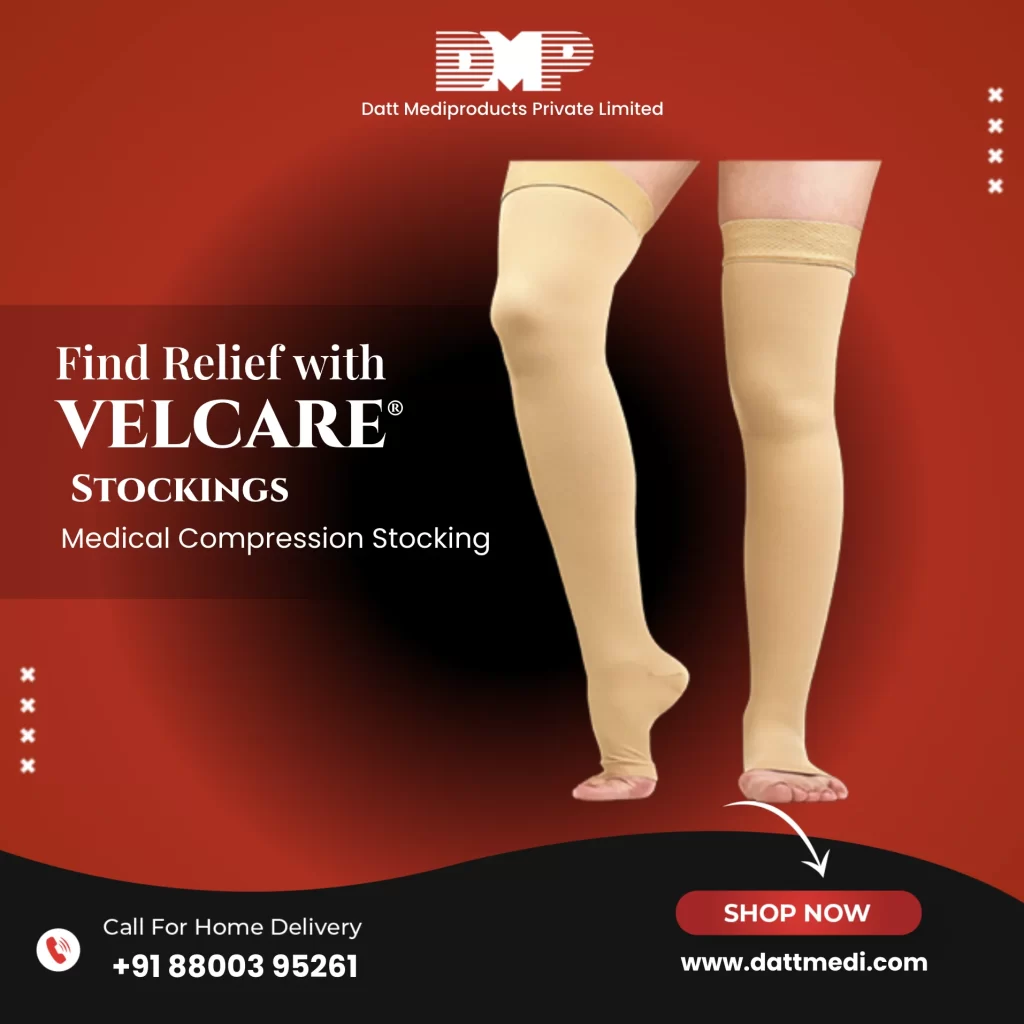
Many people managing varicose veins or mild venous insufficiency use the Velcare® Varicose Vein Compression Stockings for daily graduated compression. If you’re considering compression support, correct sizing matters — see our guide on measuring and fitting compression garments correctly to get the fit right the first time. Our comparison of compression bandages vs. compression stockings can also help you decide which is right for your situation.

Our comparison of compression bandages vs. compression stockings can also help you understand which option may be appropriate for different situations.

Supporting Healthy Circulation

Mild, occasional asymmetrical swelling isn’t unusual — but persistent one-sided swelling should always be assessed by a healthcare professional to rule out more serious causes. Paying attention to posture, movement, and circulation day to day goes a long way toward keeping both legs comfortable.
Related reading:

Visit www.dattmedi.com for more infomation.
Share:

Frequnently Asked Questions

One-sided swelling can occur due to circulation differences, posture habits, or past injuries affecting one leg. In some cases, the veins or lymphatic system function less efficiently on one side.

Mild swelling may occur occasionally, especially after long periods of standing or sitting. Persistent or sudden swelling in one leg should be evaluated by a healthcare professional.

Yes. Habitually placing more weight on one leg or sitting cross-legged for long periods can affect circulation and contribute to uneven swelling.

Past injuries or surgeries may affect blood or lymphatic circulation in the affected limb, which can sometimes lead to swelling.

Seek medical advice if swelling appears suddenly, becomes painful, is associated with redness or warmth, or does not improve with rest and elevation. Seek emergency care if it comes with chest pain or breathlessness.

Recent Blogs
Post-Surgery Wound Care Supporting Recovery

Post-Surgery Wound Care Supporting Recovery 

Post-surgery wound care is a critical component in the journey towards a smooth recovery, minimizing complications, and promoting effective healing. This blog post seeks to offer comprehensive insights for both patients and healthcare providers, emphasizing key aspects of post-surgery wound care.

Understanding the Healing Process:

To navigate the recovery journey successfully, it’s essential to grasp the intricacies of the body’s natural healing process. From the initial inflammatory response to tissue remodeling, patients should be aware of these stages to set realistic expectations for the recovery timeline. 

Preparation Before Surgery: 

A proactive approach to wound care begins before the surgical procedure. Adequate preparation involves thorough consultation with healthcare professionals, understanding the surgery specifics, and adhering to pre-surgery instructions. This groundwork sets the stage for a more seamless recovery. 

Maintaining a Sterile Environment: 

Fundamental to effective wound care is the maintenance of a clean and sterile environment. This includes keeping the surgical site and surrounding areas free from contaminants. Proper wound hygiene significantly reduces the risk of infections, a common concern post-surgery. 

Nutrition and Hydration for Optimal Healing: 

Supporting the body’s healing mechanisms requires a well-balanced diet rich in essential nutrients. Proper nutrition promotes tissue repair and helps prevent complications. Adequate hydration is equally crucial, supporting overall bodily functions and facilitating nutrient transportation to the wound site. 

Monitoring and Recognizing Warning Signs: 

Vigilance is key during the recovery phase. Patients should be educated on monitoring wounds for warning signs like increased redness, swelling, or discharge.

Recognizing these signs early enables prompt intervention, minimizing the risk of serious complications. 

Introducing Our Innovative Solution: 

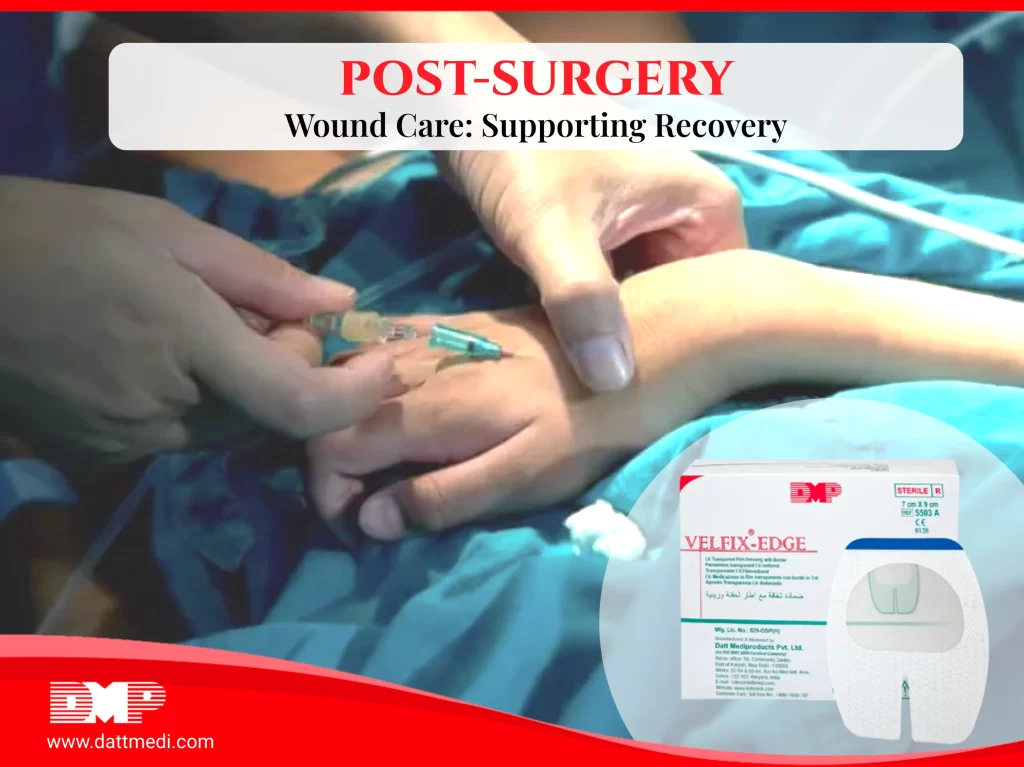
Elevating the standards of patient recovery involves introducing innovative products like Velfix® -Edge. This exceptional dressing goes beyond traditional solutions with its non-woven bordered design, frame delivery system, and deep notched barrier against infections. The latex-free adhesive ensures compatibility with diverse patients, while the window-framed delivery system simplifies application. Incorporating Velfix® -Edge into post-surgery wound care routines prioritizes precision, patient comfort, and infection prevention, contributing to an enhanced and smoother recovery journey for every patient.

Therefore, post-surgery wound care is a collaborative effort between healthcare providers and patients. Empowering individuals with knowledge about the healing process, preparing adequately before surgery, maintaining a sterile environment, prioritizing nutrition and hydration, and being vigilant for warning signs actively contribute to a successful recovery journey. 

Choosing Velfix® -Edge for optimal post-surgery care is a conscious decision towards improved recovery outcomes, ensuring a holistic and effective approach to the healing process.

Daily Wound Care Routine

Daily Wound Care Routines: Simple Practices for Healing

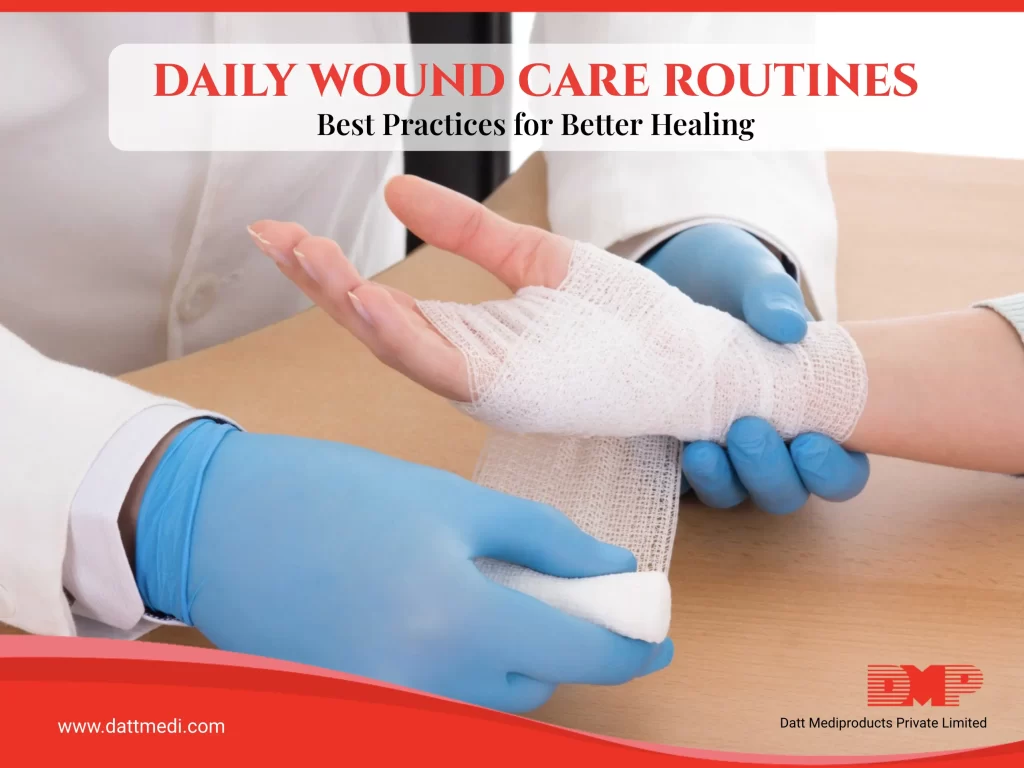
When it comes to wound care, establishing a daily wound care routine is crucial for ensuring optimal healing and preventing complications. Daily wound inspection is the cornerstone of this routine, as it allows individuals to monitor changes and identify potential signs of infection early on. Gentle cleaning is another fundamental aspect, and using mild soap and water or a saline solution can effectively remove debris without causing further harm. This step not only promotes cleanliness but also prepares the wound for the next crucial element in the routine – dressing selection.

The choice of dressing plays a pivotal role in the healing process:

Understanding the wound type and condition is essential for selecting the appropriate dressing. Different wounds require different approaches, and the right dressing helps maintain a moist environment, creating an ideal setting for the healing to progress.

Regular changing of dressings is equally important:

This practice not only prevents infections but also promotes a conducive environment for the wound to heal efficiently. Alongside changing dressings, ensuring that the wound is adequately protected from external contaminants is vital.

Pain management is a common concern during the healing process:

Strategies for managing pain and ensuring comfort should be part of the daily routine. This can include over-the-counter pain relievers or prescribed medications, tailored to individual needs and the severity of the wound.

Nutrition and hydration play a significant role in supporting the body’s natural healing process:

A well-balanced diet with emphasis on proper nutrition provides the necessary nutrients for tissue repair and regeneration. Additionally, staying hydrated is key to optimal recovery.

Avoiding irritants and risk factors is a proactive measure in the daily wound care routine:

Activities or substances that can irritate the wound should be strictly avoided. Smoking and excessive alcohol consumption can hinder the healing process, making it crucial to steer clear of these risk factors.

Regular follow-ups with healthcare professionals are essential for ongoing evaluation:

Consulting healthcare providers ensures that any signs of complications are addressed promptly, contributing to the overall success of the wound care routine.

A well-rounded daily wound care routine involves daily inspection and cleaning, appropriate dressing selection, regular changing of dressings, pain management, proper nutrition and hydration, avoidance of irritants and risk factors, and consistent consultation with healthcare professionals. By incorporating these practices into daily life, individuals can contribute significantly to the effective healing of wounds.

Stay healthy!

Logo

Datt Mediproducts Private Limited

Loading
Buy Now