Search by Blog
Read by Category

Your healing journey continues beyond this blog

Find the right products for better recovery at online store
Cart Image
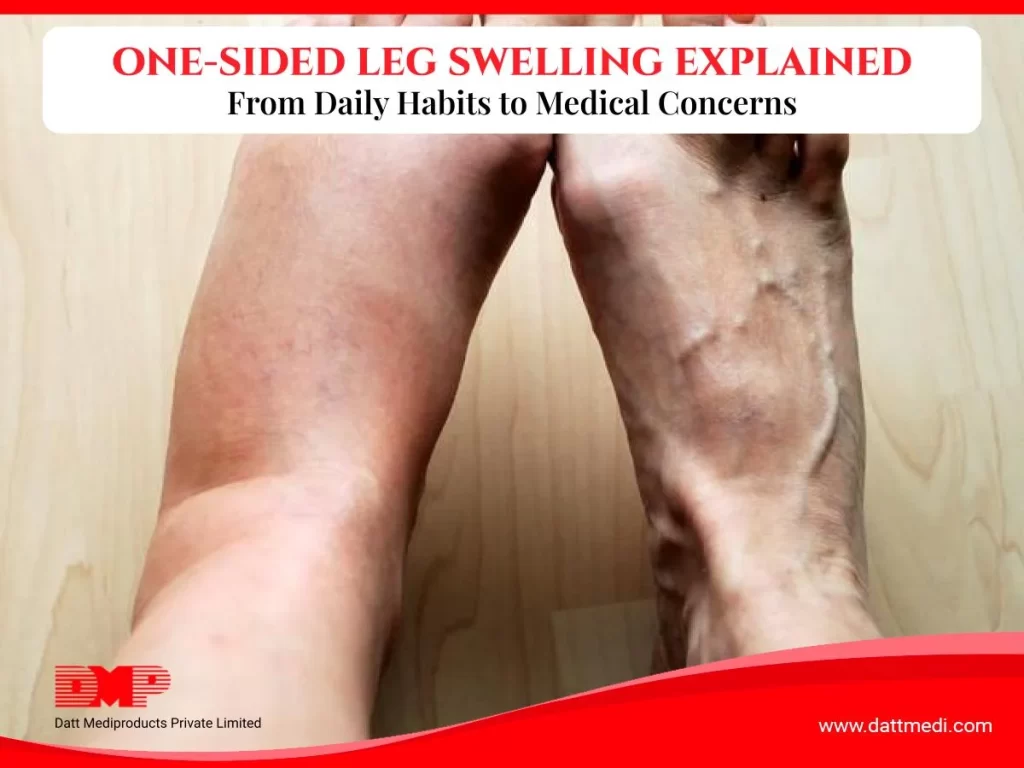
Unilateral leg swelling due to circulation issue

Some swelling in both legs after a long day of standing or sitting is common and usually nothing to worry about. But when one leg is noticeably more swollen than the other, it’s worth understanding why — and knowing when it’s a signal to see a doctor rather than just rest and elevate.

Common Reasons One Leg May Swell More Than the Other

One-sided leg swelling can have several causes, ranging from prolonged standing or reduced movement to conditions such as chronic venous insufficiency, lymphedema, infection, or deep vein thrombosis (DVT). Sudden or unexplained swelling should be medically evaluated, particularly when it is accompanied by pain, warmth, redness, or other concerning symptoms.

1. Impaired Circulation

When the veins in one leg are less efficient at moving blood back toward the heart, fluid collects in that leg’s tissue — this shows up as more noticeable swelling on that side.

Conditions that can cause this imbalance include:

  • Varicose veins
  • Chronic venous insufficiency
  • Reduced muscle activity in one leg
  • Weak calf muscle pump function
  • Lymphedema
If you're on your feet for long stretches, our guide on why prolonged standing causes leg swelling explains the exact mechanism — and what actually helps. For a deeper look at circulation and healing, see compression therapy and wound healing.

2. Postural Habits

Consistently favoring one leg — standing with weight shifted to one side, sitting cross-legged, or always sleeping on the same side — can slow circulation on that one side over time & cause mild swelling in one leg or ankle. However persistent swelling should be evaluated by a medical professional. 

Small daily patterns that contribute:

  • Standing with weight shifted onto one leg
  • Sitting cross-legged for extended periods
  • Sleeping consistently on one side

Staying mobile and, where appropriate, using compression bandages can help counter this.

3. Past Injury or Surgery

Scar tissue or structural changes from a past injury, surgery, or procedure involving lymph nodes can reduce normal fluid drainage in that limb — making it swell more easily than the other.

Examples include:

  • Fractures or ligament injuries
  • Knee, hip, or ankle surgery
  • Medical procedures involving lymph nodes

If lymphatic drainage is part of what you’re managing, our guide on lymphedema care and management covers this in depth. Recovery-stage support from the orthopedic products range may also help during this period.

4. Reduced movement or muscle activity

When one leg is less active than the other, the muscles in that leg may not contract as frequently. Normally, muscle contractions especially in the calf — help push blood and fluid back toward the heart. If movement is reduced because of pain, weakness, limited mobility, prolonged sitting, or favoring one leg, this muscle-pump action can become less effective, allowing fluid to accumulate in the tissues and making the leg appear more swollen.

Reduced movement can occur after an injury or surgery, or when someone has difficulty walking normally. In these situations, swelling may be temporary. However, persistent, significant, or sudden one-sided swelling should not automatically be attributed to inactivity, as other causes such as a blood clot or infection may need to be ruled out.

5. Medical Conditions That Can Cause One-Sided Swelling

Uneven leg swelling can also be caused by several medical conditions that affect the lymphatic system, veins, or tissues of the leg.

Some important possibilities include:

  • Lymphedema:
    This occurs when the lymphatic system cannot drain fluid effectively, causing fluid to build up in the tissues. It can affect one leg or both and may cause persistent swelling, heaviness, tightness, or thickening of the skin.
  • Infection or inflammation:
    An infection such as cellulitis can cause localized swelling along with redness, warmth, tenderness, and sometimes fever. Inflammation from an injury or another underlying condition can also cause swelling in one leg.
  • Chronic venous insufficiency:
    When the veins have difficulty returning blood from the legs to the heart, blood can pool in the lower leg. This may cause swelling, heaviness, aching, skin discoloration, or changes around the ankles. Symptoms may become more noticeable after prolonged standing or sitting.
  • Deep vein thrombosis (DVT):
    A DVT is a blood clot in a deep vein, usually in the leg. It can cause sudden or new swelling in one leg, sometimes accompanied by pain, tenderness, warmth, or redness. DVT is important to recognize because a clot can potentially travel to the lungs and cause a pulmonary embolism.

When Uneven Leg Swelling Needs Medical Attention

Occasional mild swelling after a long day is usually fine. Get it checked promptly if the swelling is sudden, painful, or comes with redness, warmth, or breathing symptoms — these can indicate a blood clot or other condition needing urgent care.
See a doctor or other healthcare professional if the swelling is:

  • Sudden and painful
  • Accompanied by redness or warmth
  • Associated with tenderness in the leg
  • Linked to shortness of breath or chest discomfort
  • Worsening over time or not improving with rest and elevation
  • Skin changed or unexplained discomfort. 
If you experience shortness of breath or chest pain alongside sudden leg swelling, treat it as an emergency and seek immediate medical care — this combination can indicate a blood clot that has traveled to the lungs.

Managing Mild Leg Swelling

For swelling linked to circulation or posture rather than injury, movement, elevation, and — where appropriate — graduated compression are the most effective everyday tools.

Helpful daily practices:

  • Elevating the legs during rest
  • Moving regularly after long periods of sitting or standing
  • Gentle leg exercises to activate calf muscles
  • Wearing supportive footwear

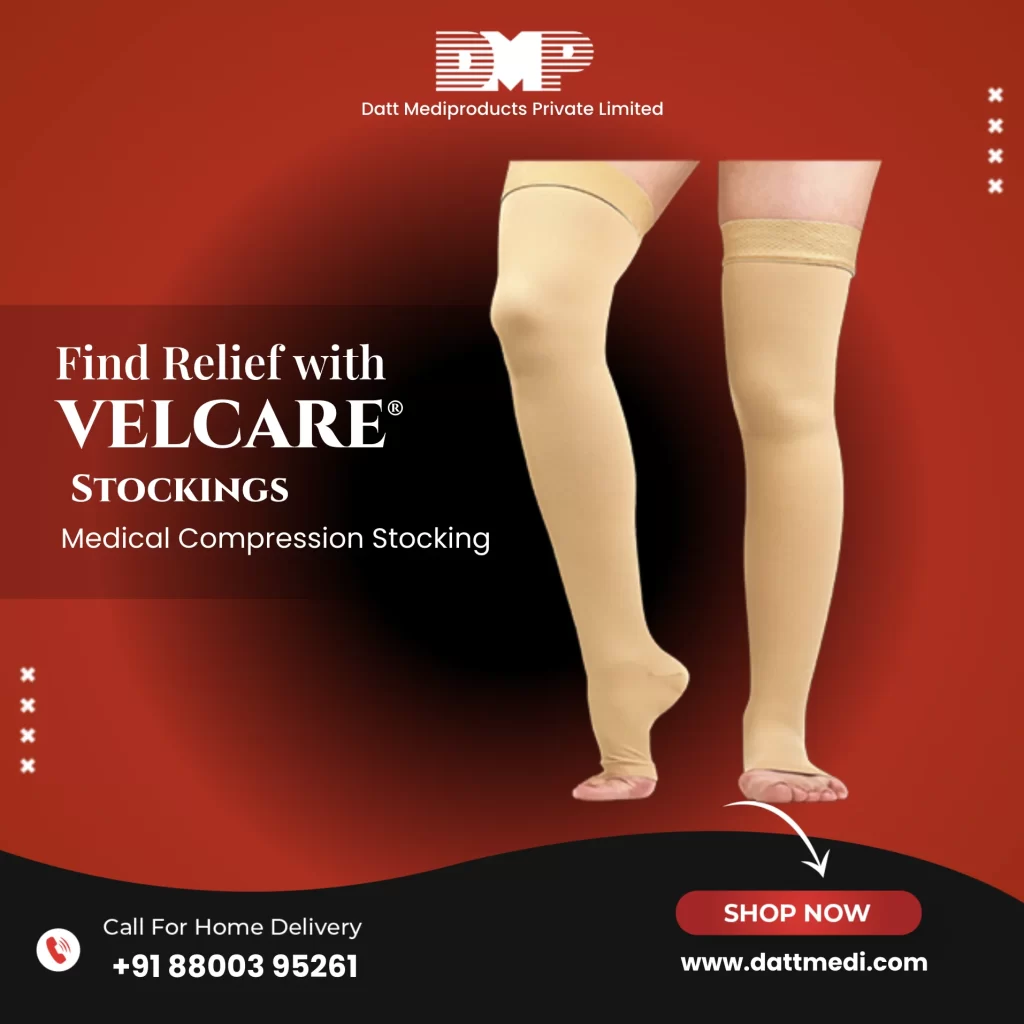
Many people managing varicose veins or mild venous insufficiency use the Velcare® Varicose Vein Compression Stockings for daily graduated compression. If you’re considering compression support, correct sizing matters — see our guide on measuring and fitting compression garments correctly to get the fit right the first time. Our comparison of compression bandages vs. compression stockings can also help you decide which is right for your situation.

Our comparison of compression bandages vs. compression stockings can also help you understand which option may be appropriate for different situations.

Supporting Healthy Circulation

Mild, occasional asymmetrical swelling isn’t unusual — but persistent one-sided swelling should always be assessed by a healthcare professional to rule out more serious causes. Paying attention to posture, movement, and circulation day to day goes a long way toward keeping both legs comfortable.

Related reading:

Visit www.dattmedi.com for more infomation.
Share:

Frequnently Asked Questions

One-sided swelling can occur due to circulation differences, posture habits, or past injuries affecting one leg. In some cases, the veins or lymphatic system function less efficiently on one side.

Mild swelling may occur occasionally, especially after long periods of standing or sitting. Persistent or sudden swelling in one leg should be evaluated by a healthcare professional.

Yes. Habitually placing more weight on one leg or sitting cross-legged for long periods can affect circulation and contribute to uneven swelling.

Past injuries or surgeries may affect blood or lymphatic circulation in the affected limb, which can sometimes lead to swelling.

Seek medical advice if swelling appears suddenly, becomes painful, is associated with redness or warmth, or does not improve with rest and elevation. Seek emergency care if it comes with chest pain or breathlessness.

Recent Blogs
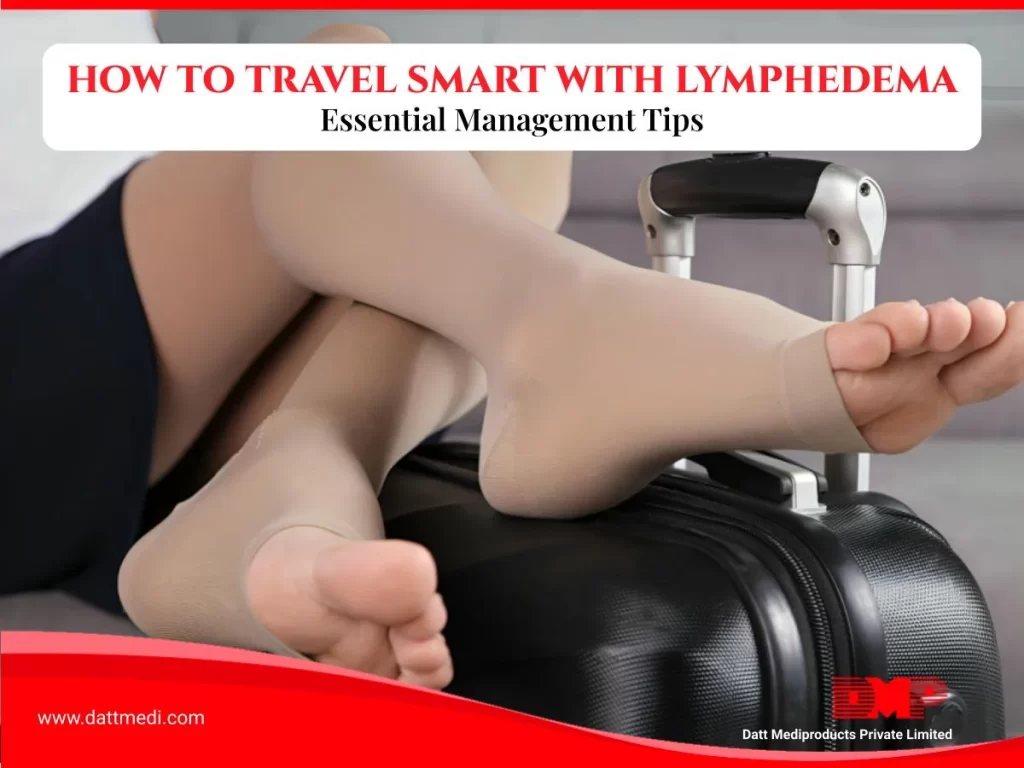
Traveler wearing compression garments on legs

Travel with lymphedema is possible — and with the right routine, most people manage it well. Long hours of sitting, cabin pressure changes, and heat can increase swelling. But simple steps before and during your journey help keep it under control.

This blog covers why travel triggers swelling, what to pack, and how to stay comfortable from start to finish.

Why Travel With Lymphedema Can Make Swelling Worse

  • Long periods of sitting slow lymph flow – The lymphatic system depends on muscle movement to move fluid through the body. Sitting still for hours can cause fluid to build up.
  • Cabin pressure during flights affects fluid movement – Air travel can make swelling worse because changes in cabin pressure influence how fluid circulates in the body.
  • Heat and humidity increase swelling – Warm weather, crowded transport, and hot airports can widen blood vessels and draw extra fluid into soft tissue.
  • Heavy bags add strain to affected areas – Carrying heavy luggage on an affected arm, shoulder, or limb can stress lymphatic pathways. Packing light or getting help with bags can reduce this risk.

How to Travel With Lymphedema: What to Pack

Compression Bandaging

Compression is the most important tool you have. Apply it before you board — not after swelling starts.

The Velcare® Lymphedema Kit is an all-in-one compression bandaging solution designed specifically for managing lymphedema. It includes:

  • Velnet™ Cotton Stockinette — protects skin and absorbs excess moisture under bandages
  • Velkomp® Short Stretch Compression Bandage — applies the controlled, sustained pressure needed to reduce fluid buildup
  • FoamBand Soft Foam Bandage — cushions the limb and distributes pressure evenly
  • Velcare™ Foam Pads — fills anatomical indentations (e.g. around ankles and wrists) for consistent compression
  • Velform™-C Conforming Retention Bandage — wraps individual digits and holds foam pads in place
  • Velpore™ Surgical Paper Tape — secures bandages to prevent slippage during travel with lymphedema

Because it contains everything in one kit, it’s practical to pack without worrying about forgetting a component. Carry a spare set of bandages in case one becomes wet or loses elasticity mid-trip.

Skin Care Essentials

Skin care is important when you travel with lymphedema. Even small cuts or irritation may increase the risk of complications.

  • Carry:
  • Gentle moisturizer
  • Mild soap
  • Antiseptic wipes
  • Small dressings or adhesive bandages
Wound Care for Traveler's: Tips for On-the-Go Healing

Comfortable Clothing

Loose and breathable clothing may help reduce pressure on the affected area and improve comfort during travel.

Travel With Lymphedema: Tips to Reduce Swelling Naturally

Simple daily habits can help support comfort and circulation during your journey.

Wear Your Compression

Put on your compression garment or apply your Velcare® bandaging before boarding — not after swelling has already started. Compression applies gentle, consistent pressure that guides lymph fluid away from swollen tissue and supports its movement back through the body’s natural drainage pathways. This is especially important during long trips when movement is limited.

Compression Stocking for Varicose Veins


Move Every Hour

Stand up and walk for a few minutes whenever you can. If movement is not possible, seated exercises keep circulation active:

  • Ankle circles
  • Foot pumps (press toes down, then lift heels)
  • Shoulder rolls
  • Gentle arm stretches

Stay Hydrated

Dehydration encourages the body to retain fluid, which can make swelling worse. Drink water consistently throughout the journey. Avoid excess caffeine or alcohol, particularly on flights.

Elevate When You Can

During rest stops or once seated, elevate the affected limb slightly above heart level to help reduce fluid accumulation.

Flying-Specific Tips

  • Book an aisle seat so you can stand and move without disturbing others.
  • Ask a flight attendant or fellow passenger to help with overhead luggage — avoid lifting heavy bags yourself.
  • Perform in-seat foot pumps and leg stretches throughout the flight, particularly on journeys over two hours.

After Travel: Warning Signs to Watch For

Most journeys pass without incident when precautions are followed. However, monitor for:

  • Sudden or significant increase in swelling
  • Tightness or heaviness in the limb
  • Skin redness or unusual warmth
  • Pain or tenderness
  • Fever or other signs of infection
Note:
If any of these appear or worsen in the hours after travel, contact a healthcare professional promptly. Early attention prevents complications.

Travel with Lymphedema Confidently

Lymphedema is a condition to manage, not a reason to stay home. With a complete compression kit, a few deliberate habits during the journey, and attention to your body afterwards, most people live fully mobile lives — exploring new places without compromising their health.

The Velcare® Lymphedema Kit provides everything you need in one kit — designed to be packed, carried, and used wherever your journey takes you.

Measuring leg circumference for compression garment sizing

A well-fitted compression garment supports movement, reduces swelling, and improves overall comfort during recovery. Even small measurement errors can affect its effectiveness. Whether you are a patient, caregiver, clinician, or distributor, understanding how to measure compression garments correctly ensures safe therapy and reliable results.

For suitable options, check our Compression Stockings Collection.

1. Why the Right Measurement and Fit Matters

Compression garments apply controlled pressure along the limb. The correct size ensures even pressure distribution and therapeutic effectiveness.

Benefits of Proper Fit:

  • Reduces swelling and discomfort
  • Improves blood and lymph circulation
  • Supports healing after injury, surgery, or chronic conditions
  • Makes daily activities like walking, standing, or sitting more comfortable
Example: Someone managing mild swelling or early varicose veins often feels lighter and more supported when using a properly sized garment, following a reliable compression stocking size guide.

2. Tools You Need for Accurate Measurement

Accurate sizing doesn’t require advanced tools.

You need:

  • A soft measuring tape
  • Manufacturer’s compression measurement chart or sizing guide
  • Notebook or phone to record values
  • Mirror or assistance for hard-to-reach areas
  • Good lighting for accurate readings
These simple tools help follow a medical compression garment sizing guide and reduce measurement errors.

3. Step-by-Step Guide: How to Measure Correctly

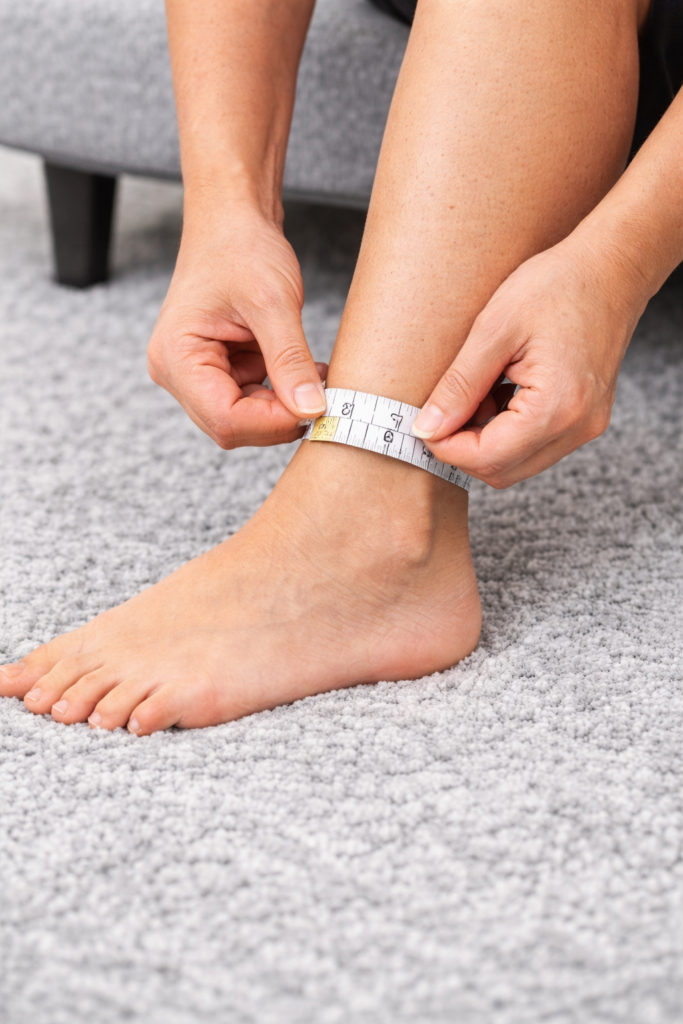
i) Ankle: Measure the narrowest point above the ankle bone.

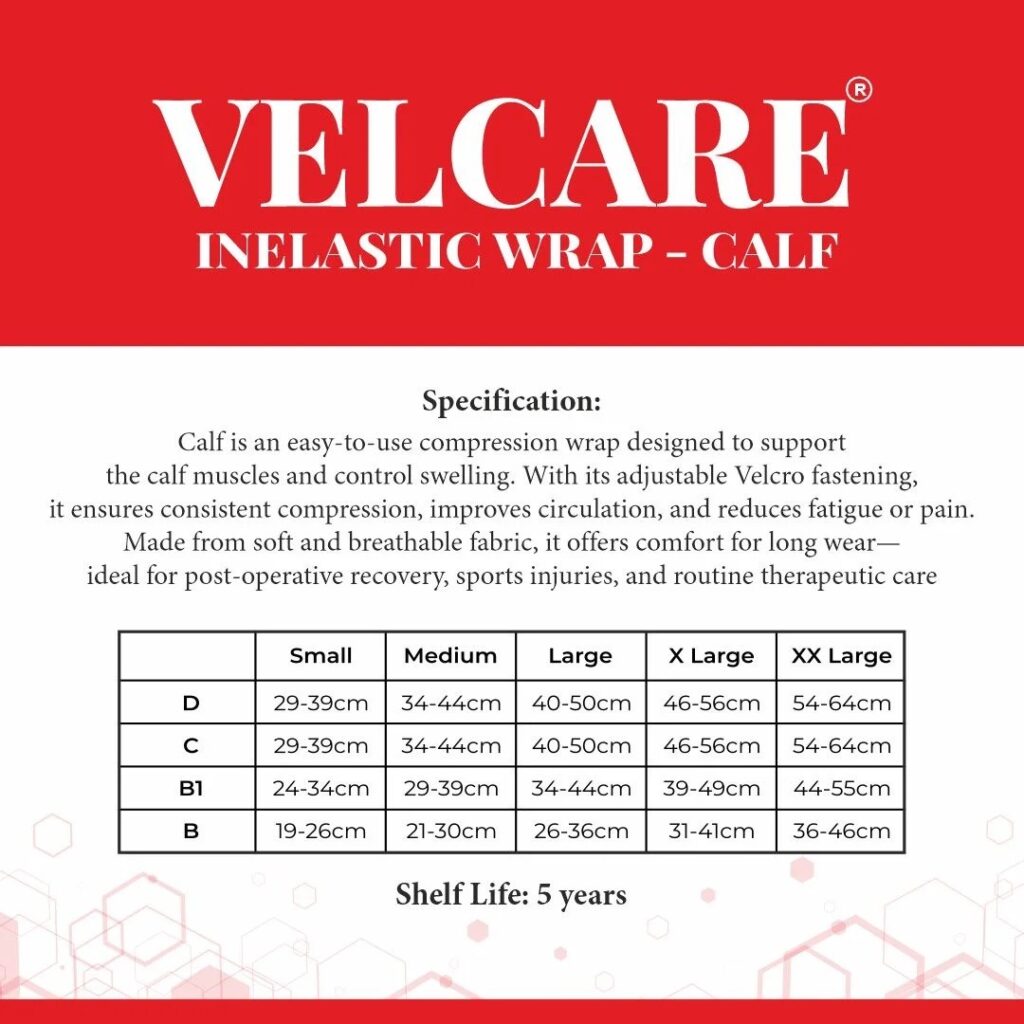
ii) Calf: Measure the widest part of the calf for proper fit and support, including wide-calf users.

iii) Thigh (for thigh-high garments): Measure the thickest part of the thigh to avoid rolling and ensure secure fit.

Leg Length:

  • Knee-high: heel to just below the knee crease
  • Thigh-high: heel to the top of the thigh

iv) Arms (for sleeves/supports): Measure wrist, forearm, upper arm, and arm length. This ensures smooth, even compression from wrist to shoulder.

Quick Tips: 

  • Measure early in the morning when swelling is minimal.
  • Sit comfortably, keep tape snug, measure twice, and avoid measuring over clothes.

4. Common Fitting Mistakes to Avoid

  • Too Tight: Can cause numbness, tingling, or deep marks.
  • Too Loose: Slipping or wrinkling reduces effectiveness.
  • Incorrect Length: Too short rolls or digs in; too long bunches or slides down.
  • Not Rechecking: Limb size changes due to swelling, healing, or weight changes—regular measurement is important.

For reference, see our Compression Stockings Size Chart India.

5. When to Consult a Healthcare Professional

Specialists can confirm the correct compression level and ensure measurements match your condition, especially after surgery or for vascular issues.

Consult if you notice:

  • Persistent or increasing swelling
  • Discomfort while wearing the garment
  • Size falling between two chart options
  • Post-surgical changes
  • Conditions like diabetes or vascular disorders

Professional guidance ensures safe and effective therapy, particularly when using compression garments for varicose veins.

Accurate measurements are the foundation of effective compression therapy. Using simple tools, careful technique, and a trusted compression stocking size guide ensures your garment fits comfortably and supports healing. When unsure, consulting a healthcare professional provides confidence and safer results.

Logo

Datt Mediproducts Private Limited

Loading
Buy Now