Search by Blog
Read by Category

Your healing journey continues beyond this blog

Find the right products for better recovery at online store
Cart Image
Unilateral leg swelling due to circulation issue

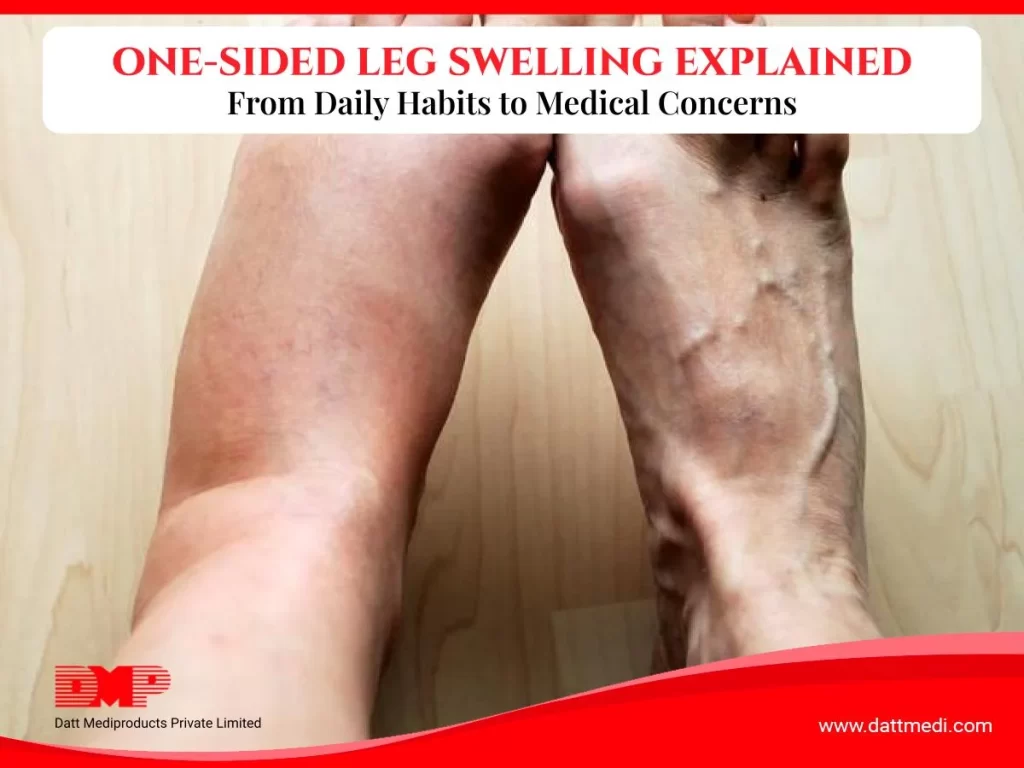
Some swelling in both legs after a long day of standing or sitting is common and usually nothing to worry about. But when one leg is noticeably more swollen than the other, it’s worth understanding why — and knowing when it’s a signal to see a doctor rather than just rest and elevate.

Common Reasons One Leg May Swell More Than the Other

One-sided leg swelling can have several causes, ranging from prolonged standing or reduced movement to conditions such as chronic venous insufficiency, lymphedema, infection, or deep vein thrombosis (DVT). Sudden or unexplained swelling should be medically evaluated, particularly when it is accompanied by pain, warmth, redness, or other concerning symptoms.

1. Impaired Circulation

When the veins in one leg are less efficient at moving blood back toward the heart, fluid collects in that leg’s tissue — this shows up as more noticeable swelling on that side.

Conditions that can cause this imbalance include:

  • Varicose veins
  • Chronic venous insufficiency
  • Reduced muscle activity in one leg
  • Weak calf muscle pump function
  • Lymphedema
If you're on your feet for long stretches, our guide on why prolonged standing causes leg swelling explains the exact mechanism — and what actually helps. For a deeper look at circulation and healing, see compression therapy and wound healing.

2. Postural Habits

Consistently favoring one leg — standing with weight shifted to one side, sitting cross-legged, or always sleeping on the same side — can slow circulation on that one side over time & cause mild swelling in one leg or ankle. However persistent swelling should be evaluated by a medical professional. 

Small daily patterns that contribute:

  • Standing with weight shifted onto one leg
  • Sitting cross-legged for extended periods
  • Sleeping consistently on one side

Staying mobile and, where appropriate, using compression bandages can help counter this.

3. Past Injury or Surgery

Scar tissue or structural changes from a past injury, surgery, or procedure involving lymph nodes can reduce normal fluid drainage in that limb — making it swell more easily than the other.

Examples include:

  • Fractures or ligament injuries
  • Knee, hip, or ankle surgery
  • Medical procedures involving lymph nodes

If lymphatic drainage is part of what you’re managing, our guide on lymphedema care and management covers this in depth. Recovery-stage support from the orthopedic products range may also help during this period.

4. Reduced movement or muscle activity

When one leg is less active than the other, the muscles in that leg may not contract as frequently. Normally, muscle contractions especially in the calf — help push blood and fluid back toward the heart. If movement is reduced because of pain, weakness, limited mobility, prolonged sitting, or favoring one leg, this muscle-pump action can become less effective, allowing fluid to accumulate in the tissues and making the leg appear more swollen.

Reduced movement can occur after an injury or surgery, or when someone has difficulty walking normally. In these situations, swelling may be temporary. However, persistent, significant, or sudden one-sided swelling should not automatically be attributed to inactivity, as other causes such as a blood clot or infection may need to be ruled out.

5. Medical Conditions That Can Cause One-Sided Swelling

Uneven leg swelling can also be caused by several medical conditions that affect the lymphatic system, veins, or tissues of the leg.

Some important possibilities include:

  • Lymphedema:
    This occurs when the lymphatic system cannot drain fluid effectively, causing fluid to build up in the tissues. It can affect one leg or both and may cause persistent swelling, heaviness, tightness, or thickening of the skin.
  • Infection or inflammation:
    An infection such as cellulitis can cause localized swelling along with redness, warmth, tenderness, and sometimes fever. Inflammation from an injury or another underlying condition can also cause swelling in one leg.
  • Chronic venous insufficiency:
    When the veins have difficulty returning blood from the legs to the heart, blood can pool in the lower leg. This may cause swelling, heaviness, aching, skin discoloration, or changes around the ankles. Symptoms may become more noticeable after prolonged standing or sitting.
  • Deep vein thrombosis (DVT):
    A DVT is a blood clot in a deep vein, usually in the leg. It can cause sudden or new swelling in one leg, sometimes accompanied by pain, tenderness, warmth, or redness. DVT is important to recognize because a clot can potentially travel to the lungs and cause a pulmonary embolism.

When Uneven Leg Swelling Needs Medical Attention

Occasional mild swelling after a long day is usually fine. Get it checked promptly if the swelling is sudden, painful, or comes with redness, warmth, or breathing symptoms — these can indicate a blood clot or other condition needing urgent care.
See a doctor or other healthcare professional if the swelling is:

  • Sudden and painful
  • Accompanied by redness or warmth
  • Associated with tenderness in the leg
  • Linked to shortness of breath or chest discomfort
  • Worsening over time or not improving with rest and elevation
  • Skin changed or unexplained discomfort. 
If you experience shortness of breath or chest pain alongside sudden leg swelling, treat it as an emergency and seek immediate medical care — this combination can indicate a blood clot that has traveled to the lungs.

Managing Mild Leg Swelling

For swelling linked to circulation or posture rather than injury, movement, elevation, and — where appropriate — graduated compression are the most effective everyday tools.

Helpful daily practices:

  • Elevating the legs during rest
  • Moving regularly after long periods of sitting or standing
  • Gentle leg exercises to activate calf muscles
  • Wearing supportive footwear

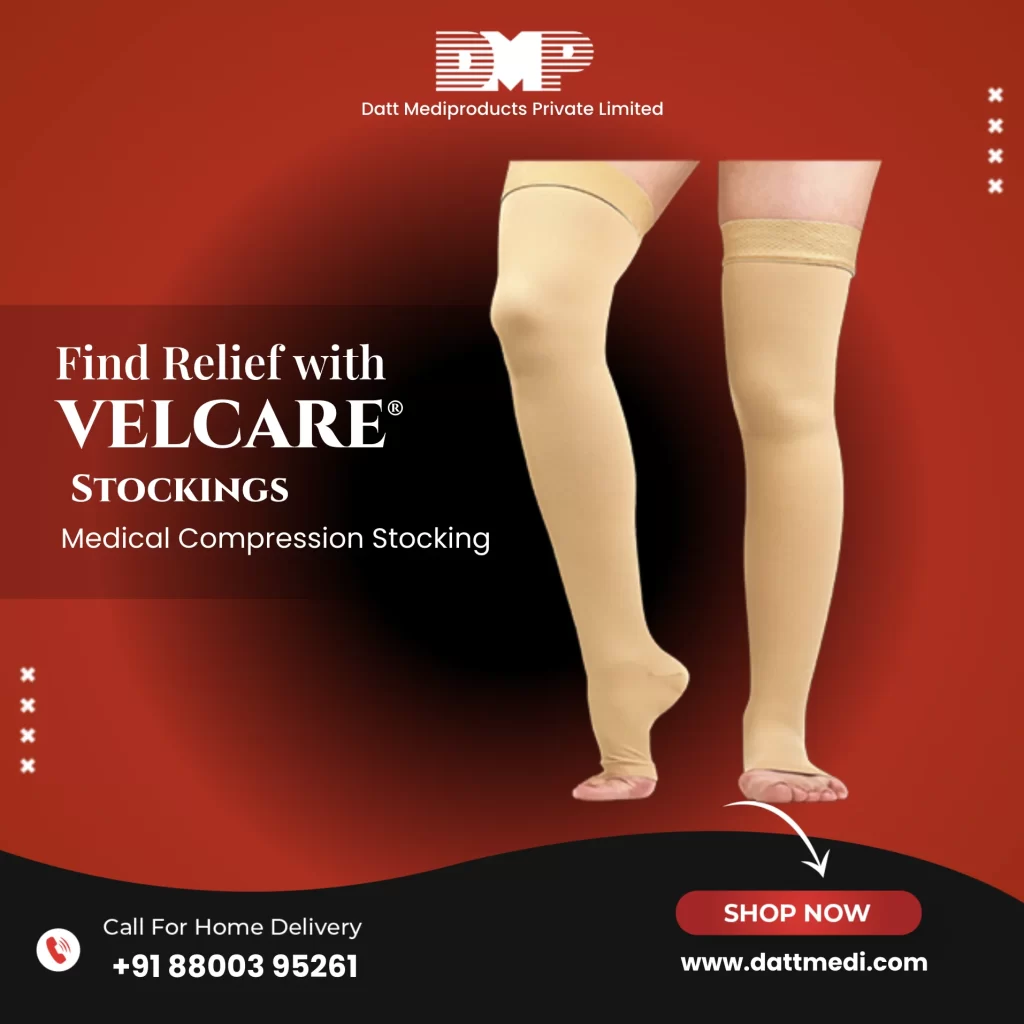
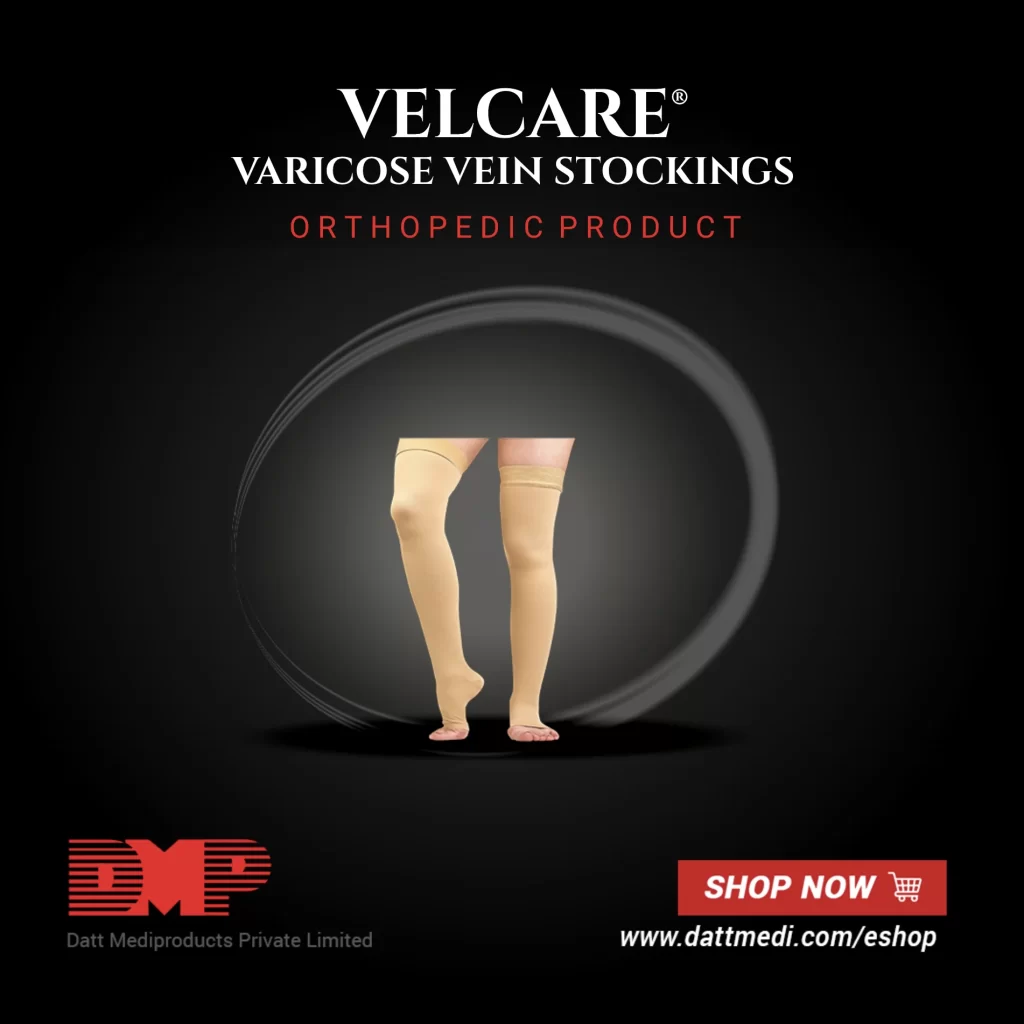
Many people managing varicose veins or mild venous insufficiency use the Velcare® Varicose Vein Compression Stockings for daily graduated compression. If you’re considering compression support, correct sizing matters — see our guide on measuring and fitting compression garments correctly to get the fit right the first time. Our comparison of compression bandages vs. compression stockings can also help you decide which is right for your situation.

Our comparison of compression bandages vs. compression stockings can also help you understand which option may be appropriate for different situations.

Supporting Healthy Circulation

Mild, occasional asymmetrical swelling isn’t unusual — but persistent one-sided swelling should always be assessed by a healthcare professional to rule out more serious causes. Paying attention to posture, movement, and circulation day to day goes a long way toward keeping both legs comfortable.
Related reading:

Visit www.dattmedi.com for more infomation.
Share:

Frequnently Asked Questions

One-sided swelling can occur due to circulation differences, posture habits, or past injuries affecting one leg. In some cases, the veins or lymphatic system function less efficiently on one side.

Mild swelling may occur occasionally, especially after long periods of standing or sitting. Persistent or sudden swelling in one leg should be evaluated by a healthcare professional.

Yes. Habitually placing more weight on one leg or sitting cross-legged for long periods can affect circulation and contribute to uneven swelling.

Past injuries or surgeries may affect blood or lymphatic circulation in the affected limb, which can sometimes lead to swelling.

Seek medical advice if swelling appears suddenly, becomes painful, is associated with redness or warmth, or does not improve with rest and elevation. Seek emergency care if it comes with chest pain or breathlessness.

Recent Blogs
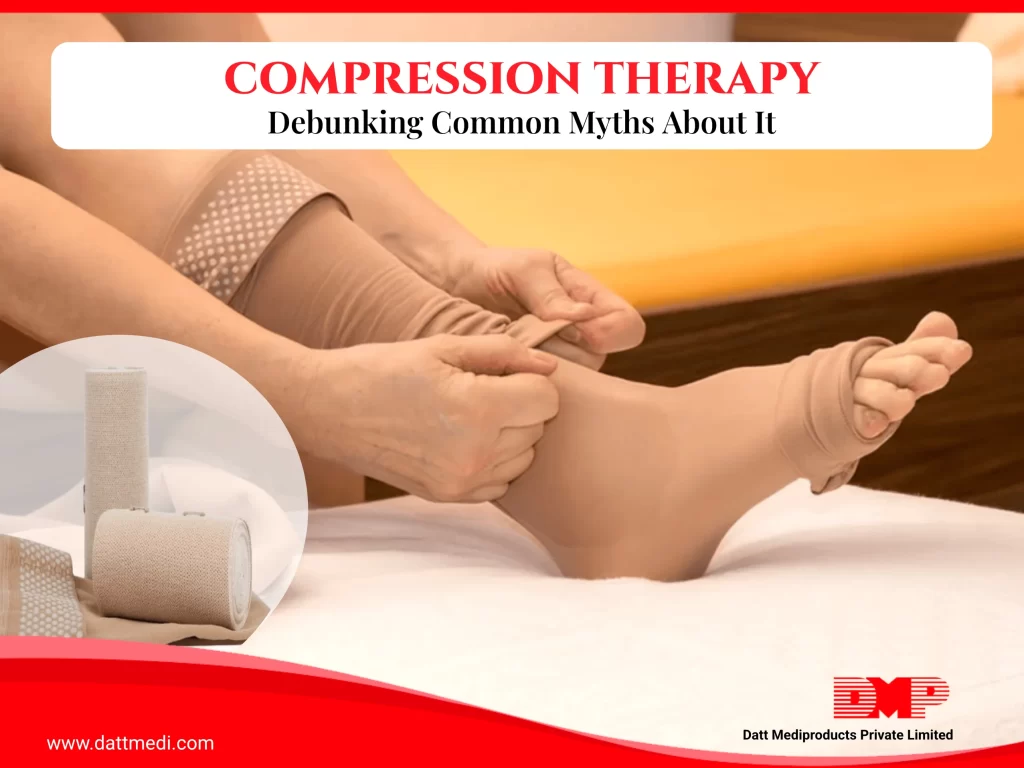
Compression therapy applied to the lower limb to support wound healing

Wound healing is often slowed when the body cannot efficiently move blood and excess fluid away from the affected area. This causes low blood flow which leads to reduced oxygen & nutrient supply, both are critical for cell repair. This is frequently seen in chronic venous ulcers, lymphedema, diabetic wounds, and post-surgical swelling.

Compression therapy is one of the most effective clinical methods to improve circulation, support healing, and enhance overall wound management.

By applying controlled and consistent pressure, compression therapy reduces fluid buildup, improves oxygen delivery, and creates a stable environment that promotes faster tissue repair.

What Is Compression Therapy? How It Works

Compression therapy uses medical tools such as compression bandages, garments, or dressings to apply even pressure to a limb or wound site. This helps to:

  • Redirect blood flow toward the heart
  • Reduce fluid accumulation under the skin
  • Improve oxygen supply to damaged tissues
  • Support formation of healthier new tissue
This controlled pressure creates a stable, balanced healing environment and reduces strain on surrounding skin.

Types of Compression Therapy

1. Elastic Compression Bandages

Widely used for venous ulcers and chronic wounds because they allow adjustable pressure and support daily wound care.
Related Product: Compression Bandages – Wound Care Range

2. Compression Garments

Ideal for long-term swelling, lymphedema care, and post-surgical recovery. They offer uniform pressure and help maintain inflammation control. Velcare® Varicose Vein Stockings– Compression Garments

Compression Therapy for Wound Healing: Critical Facts You Need

Know More About – Velcare® Varicose Vein Stockings- Compression Garments

3. Dressings With Built-In Mild Compression

Foam and hydro colloid dressings provide gentle compression while maintaining moisture balance. Recommended options:

How Compression Therapy Supports Wound Healing

  1. Improved Blood Flow – Prevents blood pooling and delivers oxygen and nutrients for efficient tissue repair.
  2. Swelling Control (Edema Management) – Removes trapped fluid, reducing discomfort and creating a stable environment.
  3. Enhanced New Tissue Formation – Supports orderly tissue repair and faster wound closure.
  4. Reduced Risk of Raised Scars – Mild compression after surgery or burns helps prevent thick or raised scars.

When Compression Therapy Is Recommended

  • Chronic Venous Ulcers – Supports circulation and long-term healing.
  • Lymphedema Care – Manages fluid buildup, heaviness, and infection risk.
  • Post-Surgical Recovery – Controls inflammation, stabilizes the wound area, and supports smoother healing.
  • Diabetic Foot Ulcers – Can support healthy circulation under clinical guidance.
Top Misconceptions About Compression Therapy

Read more about Compression Therapy

Benefits of Compression Therapy

  • Faster wound healing through improved circulation
  • Reduced risk of recurrence, especially in venous ulcers
  • Lower pain and discomfort due to decreased swelling
  • Better mobility and overall patient comfort

How to Use Compression Therapy Safely

  1. Ensure Proper Fit – Pressure must match clinical needs; too little is ineffective, too much can cause skin damage.
  2. Monitor the Skin Regularly – Watch for numbness, tingling, coldness, or unusual pain.
  3. Increase Pressure Gradually – Start with lower compression levels and increase slowly under clinical supervision.

When Compression Therapy Should NOT Be Used:

Avoid compression unless recommended by a clinician if the patient has:

  • Poor arterial circulation
  • Active infection at wound site
  • Acute heart failure
  • Severe peripheral arterial disease (ABI)

Always consult a healthcare professional before beginning or modifying compression therapy.

Best Practices for Better Healing

Compression works best when combined with:

  • Gentle wound cleansing
  • Moisture-balancing dressings (foam, antimicrobial)
  • Adequate nutrition (protein, vitamins, minerals)
  • Regular assessments by wound-care specialists

Together, these steps create a complete, supportive healing environment.

Compression therapy is vital for accelerated wound healing, edema control, venous ulcer management, lymphedema care, and post-surgical recovery. When combined with appropriate dressings and monitored safely, it offers faster healing, improved patient comfort, and reduced risk of complications or recurrence.

Explore Professional Wound-Care Solutions – Wound Care Category

Understanding Arthritis

Understanding Arthritis: How Compression Sleeves and Joint Supports Provide Relief

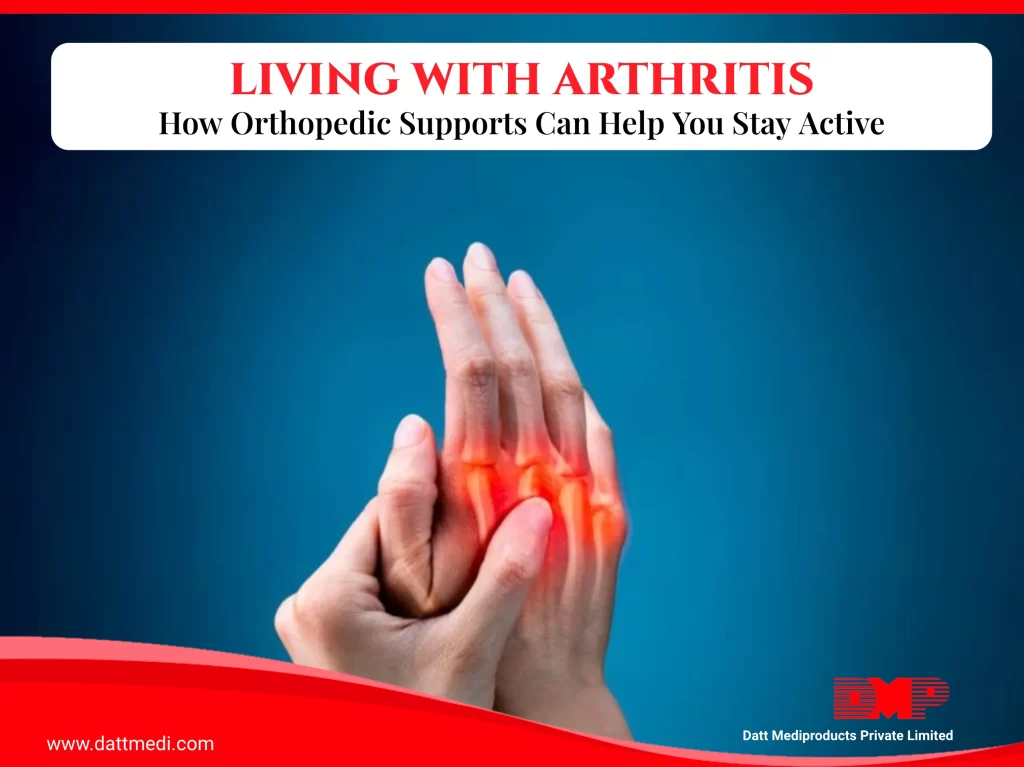
Arthritis is one of the most common chronic conditions affecting joints, with millions worldwide experiencing its impact daily. Characterized by joint pain, stiffness, and swelling, arthritis can significantly reduce mobility and quality of life.

While medical treatments and therapies are essential, patients often seek supportive solutions that offer daily relief and improve comfort.

Challenges Faced by Arthritis Patients

Living with arthritis is more than dealing with occasional discomfort—it involves:

  • Persistent joint pain and stiffness, limiting day-to-day movement.
  • Swelling and inflammation, which can worsen with activity.
  • Reduced grip and mobility, affecting simple tasks like walking, lifting, or writing.
  • Emotional impact, as long-term discomfort can lead to frustration, anxiety, and reduced independence.

These challenges highlight the importance of accessible, non-invasive support solutions.

How Orthopedic Support Products Help

Orthopedic aids like compression sleeves, joint supports, and braces are designed to complement medical management of arthritis. They provide:

  • Gentle compression, improving circulation and reducing swelling resulting in a quicker recovery.
  • Targeted support, stabilizing affected joints and limiting excessive strain.
  • Improved comfort, easing pressure during movement or rest.

By addressing both pain and mobility limitations, these products serve as practical companions in daily arthritis care.

Benefits of Using Orthopedic Supports for Arthritis

Patients using compression sleeves and joint supports may experience:

  • Pain reduction through controlled pressure and warmth.
  • Decreased inflammation by enhancing blood flow and minimizing fluid buildup and an enhanced lymphatic drainage to flush out toxins.
  • Better joint alignment and stabilization reducing the risk of further strain or injury allowing the muscles and joints to function effectively.
  • Enhanced confidence and mobility, allowing greater participation in daily activities.

Choosing the Right Product

Selecting the appropriate orthopedic support is essential for effectiveness:

  • Compression sleeves: Best for continuous wear, mild-to-moderate pain, and swelling reduction.
  • Knee or elbow supports: Ideal for stabilizing specific joints during activity and to redistribute your weight thereby reducing knee pain. 

  • Braces with adjustable straps: Suitable for patients requiring targeted support or customized pressure.
  • Medical consultation: Always recommended to ensure the chosen product meets the patient’s condition and needs.

To maximize benefits, orthopedic supports should be incorporated into everyday routines:

  • Wear during physical activity or prolonged standing to prevent flare-ups.
  • Combine with gentle exercises recommended by physiotherapists.
  • Use alongside healthy lifestyle practices, including weight management, balanced nutrition, and anti-inflammatory habits.
  • Regularly monitor product fit and condition to maintain comfort and effectiveness.

Arthritis may be a lifelong condition, but it does not have to define a patient’s independence or comfort. Orthopedic products like compression sleeves and joint supports provide accessible, non-invasive relief—helping reduce pain, control inflammation, and support mobility.

By choosing the right product and integrating it into daily life, patients can regain confidence, ease, and a better quality of life.

Logo

Datt Mediproducts Private Limited

Loading
Buy Now