Search by Blog
Read by Category

Your healing journey continues beyond this blog

Find the right products for better recovery at online store
Cart Image
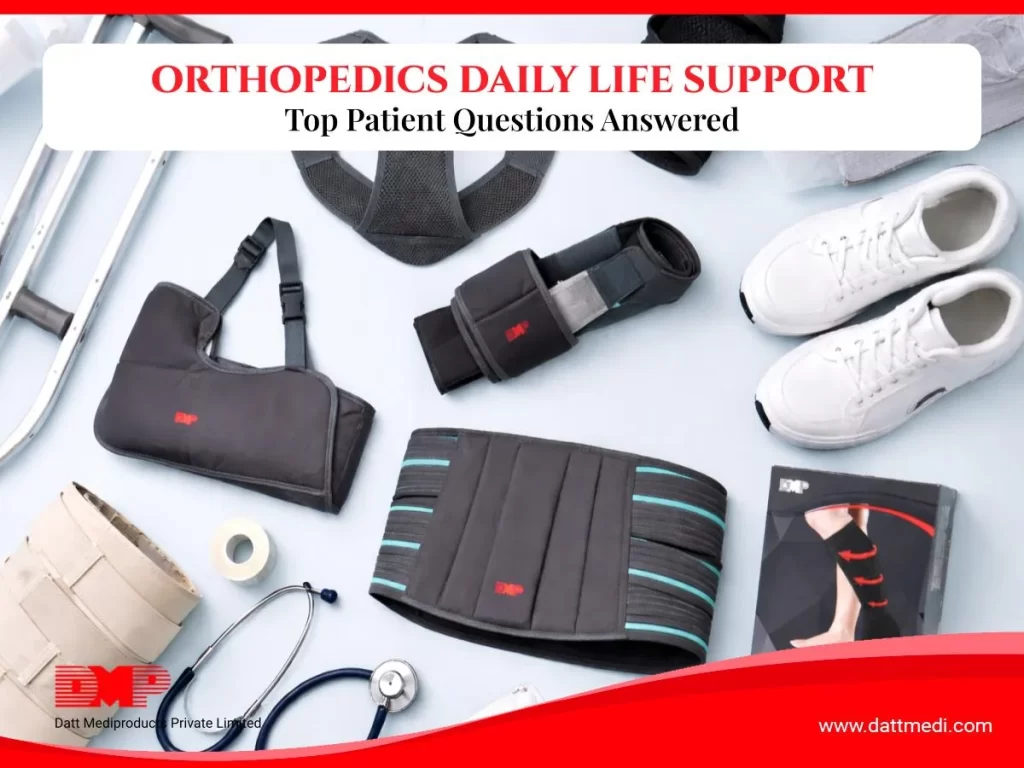
Various orthopedic supports including knee, wrist and back braces

Braces, sleeves, and compression wraps help protect joints, support healing after an injury, and make daily movement more comfortable. But most people have the same handful of questions before they start using one: Is it safe? How long should I wear it? Will it actually help, or am I just wasting money?

Below are the 10 questions patients ask most, answered simply — plus what to watch for if something isn’t working.

1. Are orthopedic supports safe to use?

Yes, when you pick the right type and size. The main risk isn’t the brace itself — it’s wearing the wrong fit or size.

Supports are built to stabilize joints and reduce strain during recovery. Sizing is what actually determines whether you get the benefit or just end up uncomfortable. Datt byproducts’ orthopedic support range is sized for exactly this reason — one-size-fits-all rarely works well for joint support.

2. How long should I wear an orthopedic support?

It depends on why you’re wearing it — short-term for an injury, or only during specific activities for stability. Most doctors recommend against wearing one all day, every day, long-term.

Continuous, prolonged use can let supporting muscles get lazy, which works against you once you take the brace off. For acute injuries, follow your doctor’s timeline. For preventive or activity-specific support (like a knee brace during a run), wear it only when needed.

3. Are orthopedic supports comfortable enough for daily use?

Yes, modern ones are — if sized correctly. Poor fit is almost always the reason someone finds a brace irritating.

Look for breathable, flexible material and adjustable straps. A knee cap support designed for daily wear should stay in place without you having to constantly readjust it.

4. Do I need a doctor’s recommendation to use one?

Not always. For mild, everyday discomfort, many people choose support on their own. For an injury, chronic pain, or post-surgery recovery, get a professional’s input first.

A doctor or physiotherapist can tell you the right type of support — not just size, but whether you need light compression, rigid stabilization, or something else entirely. Guessing here can slow your recovery down.

5. How do I clean an orthopedic support?

Hand wash in mild soap and lukewarm water, air dry fully, and skip harsh chemicals or heat.

Simple steps:

  1. Wash with mild soap and lukewarm water
  2. Gently scrub areas that touch skin
  3. Rinse out all soap residue
  4. Air dry completely before wearing it again

Heat and strong detergents can break down elastic fibers faster, so avoid the dryer. If you’re using adhesive tapes or dressings alongside a support, follow the care instructions for those products separately rather than washing them with the support.

6. Can I wear a support during exercise or physical activity?

Yes, for extra stability — but don’t let it replace strengthening work. Relying on a brace instead of building muscle can leave the joint weaker over time.

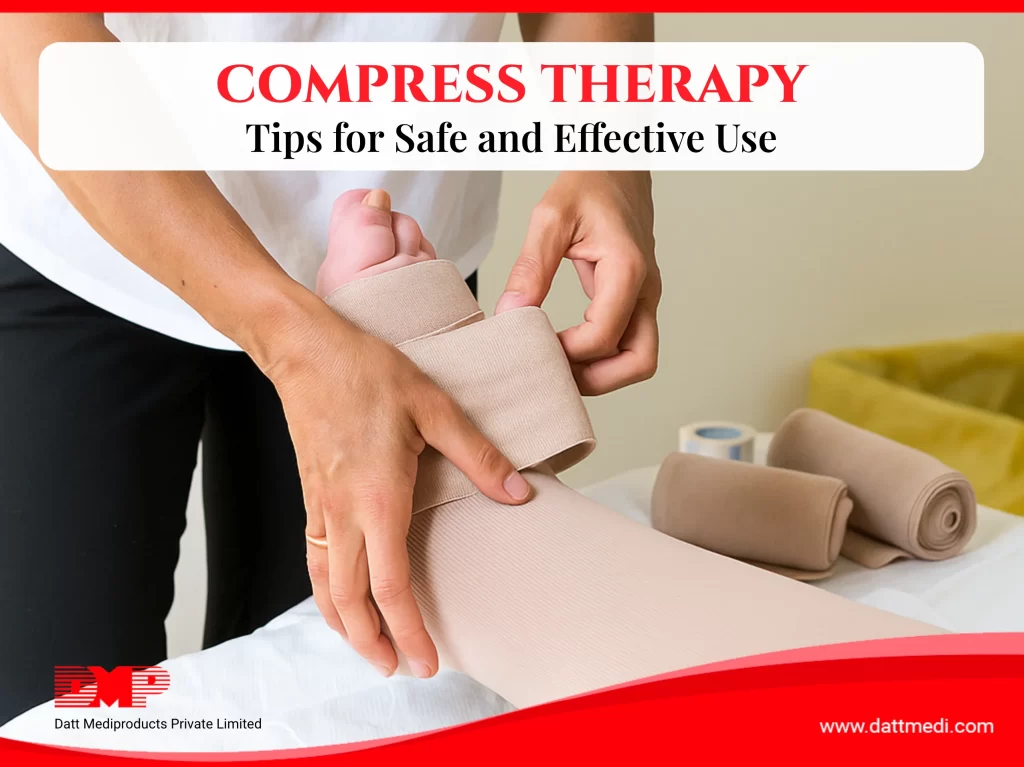
If you’re managing swelling or circulation issues during activity, our guide on compression therapy and wellness routines covers how to combine movement with the right support safely.

7. How do I choose the right orthopedic support?

Match it to three things — the joint involved, how severe the issue is, and how much mobility you need day to day.

Getting the size right matters as much as getting the type right. Our step-by-step guide on measuring and fitting compression garments correctly walks through exact measurement points so you’re not guessing.

8. Can support replace physical therapy or exercise?

No. A support stabilizes and protects — it doesn’t rebuild strength or mobility. That’s what rehab exercises are for.

Think of a brace as scaffolding, not a fix. If you’re recovering from a strain or sprain, see our piece on why muscle strains happen and how to recover faster for what actually rebuilds the joint or muscle long-term.

9. What lifestyle changes help while wearing a support?

Good posture, avoiding heavy lifting during recovery, and taking breaks from repetitive movement all reduce strain on the joint you’re protecting.

Small habits add up — especially posture. If back or spine alignment is part of what you’re managing, a posture corrector alongside your main support can help, and our article on the health benefits of good posture explains why this matters more than most people realize.

10. How do I know if my support isn’t fitting right?

Watch for excessive tightness, numbness or tingling, skin redness, or the brace slipping during movement. Any of these means it’s time to adjust or resize.

Don’t push through these signs — a support that’s fighting you isn’t helping you. If irritation continues even after resizing, it’s worth checking in with a doctor, especially post-injury or post-surgery.

Using Orthopedic Supports Effectively

The right support — correctly sized, cleaned properly, and used alongside rehab rather than instead of it — genuinely helps with joint protection and recovery. For specific joints, browse our limbo-sacral support for lower back issues, soft cervical collar for neck support, or the full orthopedic products range to compare options.

Related reading:
Visit www.dattmedi.com for more infomation.
Share:

Frequnently Asked Questions

Some can, depending on the condition, but prolonged use without medical guidance may weaken muscles over time.

Regularly — especially with daily wear — to maintain hygiene and prevent skin irritation.

For mild support needs, yes. For injuries or chronic pain, get evaluated first.

It should feel snug, not tight, and stay in place without causing pain, numbness, or irritation.

No — they stabilize and protect. They work alongside rehabilitation and medical care, not instead of it.

Recent Blogs
Overcoming Delayed Healing

Overcoming Delayed Healing: Common Causes and Practical Tips

Healing is a natural process—but sometimes, wounds don’t heal as quickly as expected. Delayed healing can impact physical comfort, increase the risk of infection, and reduce quality of life.

The good news…
Many common causes of delayed healing can be managed with simple lifestyle adjustments. Let’s explore these causes and discover actionable tips for improving the healing process.

Understanding Delayed Healing

Wound healing is influenced by various factors—some within our control, others that may require professional intervention. Identifying these causes is the first step toward a faster, more efficient recovery.

Common Causes of Delayed Healing

  • Poor Nutrition: Lack of essential nutrients, such as proteins, amino acids, fatty acids, carbohydrates, vitamins (A, C & E) and micronutrients (magnesium and zinc) to name a few, slows tissue repair by affecting one or more phases of the wound healing process.
  • Inadequate Hydration: Dehydration impairs skin regeneration.
  • Underlying Health Conditions: Conditions like diabetes, diabetes associated neuropathy, vascular diseases, or immune disorders can complicate healing.
  • Smoking or Alcohol Consumption: These enhance host susceptibility to infections that lead to impaired angiogenesis thereby reducing blood flow and oxygen delivery to tissues which are essential for wound healing.
  • Stress and Poor Sleep: Disrupt hormone balance and deregulate the immune system, which directly affects recovery. Additionally, stressed individuals are more likely to develop unhealthy habits such as inadequate nutrition, smoking, less exercise, poor sleep patterns; negatively modulating the healing mechanism.
  • Infection or Repeated Trauma to the Wound: Can significantly hinder the healing process. Microorganisms obtain easy access to the underlying tissues when skin is injured. The presence of replicating microorganisms in the wound elongates the inflammatory phase of the wound healing process. This can lead to the wound to enter into a chronic state with significant delay in wound healing.

Nutrition & Hydration Matter

Proper nutrition is essential for healing.

Incorporate the following into your diet:

  • Lean proteins (eggs, fish, legumes) for tissue repair
  • Fresh fruits and vegetables for vitamins and antioxidants
  • Whole grains to support energy levels and tissue growth
Tip: Staying well-hydrated ensures nutrients are transported to your cells, promoting faster healing and flushing out toxins.

Sleep & Stress Management

Proper rest accelerates healing. Focus on these habits:

  • Aim for 7–9 hours of sleep each night.
  • Practice mindfulness or relaxation techniques to reduce stress.
  • Limit screen time and caffeine before bed to enhance sleep quality.

Did You Know? Chronic stress raises cortisol levels, slowing wound recovery.

Daily Movement & Gentle Activity

Physical activity promotes circulation, which helps deliver oxygen and nutrients to healing tissues:

  • Engage in light activities, like short walks, if possible.
  • Avoid putting pressure on the wound site, and take care to avoid friction.
  • Elevate limbs to reduce swelling.
Important: Always follow your healthcare provider’s advice regarding movement and wound care.

Basic Wound Hygiene

Maintaining wound hygiene is crucial:

  • Keep the wound clean and protected with proper dressings.
  • Change dressings regularly, as advised by your healthcare provider.
  • Avoid touching or scratching the wound area.
Pro Tip: Wash your hands thoroughly before and after touching a wound to reduce infection risk.

When to Seek Help

If your wound isn’t healing as expected or you get fever or flu-like symptoms or the wound shows signs of infection (such as increased redness, heat, swelling, pus, or a foul odor), seek professional medical guidance. Conditions like diabetes or circulatory issues may require specialized wound care.

Take Small Steps Toward Better Healing

Every small change—from better hydration to taking a short walk—adds up. By staying informed and committed to your healing process, you give your body the best chance to recover naturally.

Empowering You with the Right Solutions

At Datt Mediproducts, we understand the importance of optimal healing. While we don’t provide medical treatment, our advanced wound care solutions are designed to support your recovery by offering comfort, protection, and care where it matters most.


Top Misconceptions About Compression Therapy

Top Misconceptions About Compression Therapy

Compression therapy is a widely used treatment method that helps improve circulation, reduce swelling & pain, and support faster healing. However, many people hesitate to use it due to common misconceptions. Let’s clear up these myths and highlight the true benefits of compression therapy.

What Is Compression Therapy?

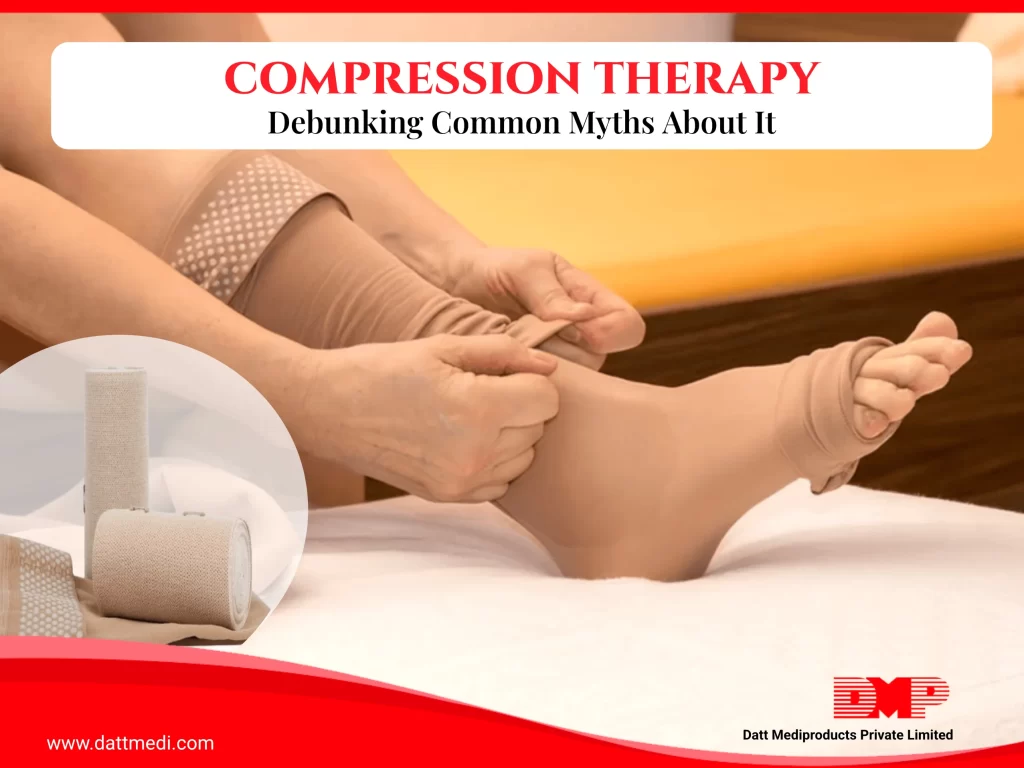
Compression therapy involves wearing specially designed garments, such as stockings, wraps or bandages, that apply gentle pressure to the legs or other affected areas. This pressure promotes blood flow, prevents fluid buildup, and supports overall vascular health. It is commonly used for conditions arising due to chronic venous insufficiency such as varicose veins, venous varicosities/ leg ulcers, lymphedema or in cases of deep vein thrombosis (DVT) and post surgery recovery

Myth 1: Compression Therapy Is Only for the Elderly

Fact: While older adults commonly use compression therapy to manage venous disorders, it benefits people of all ages. Athletes use compression garments for muscle recovery, travelers wear them to prevent blood clots, and individuals with jobs requiring prolonged standing or sitting rely on them to reduce leg fatigue.

Myth 2: Compression Therapy Causes Discomfort

Fact: Properly fitted compression garments should feel snug but not painful. Modern compression products are designed for comfort, with breathable materials and graduated pressure to provide support without restricting movement. If discomfort occurs, it often means the compression level or size is incorrect.

Myth 3: Compression Therapy Is Only for Post-Surgery Recovery

Fact: While it is beneficial post-surgery to reduce swelling and promote faster healing, compression therapy is also widely used for the management of chronic conditions like varicose veins, lymphedema, and even general leg fatigue. It can also be used as a  preventive measure for individuals at risk of circulation problems. It can prevent leg swelling in people with sedentary lifestyles or situations like long flights; prevention of venous thromboembolism in immobile patients, and recurrence of venous leg ulcers in older adults.

Myth 4: Compression Therapy Will Make Your Legs Look Bulky

Fact: Compression garments have evolved significantly. Modern designs are sleek, lightweight, and available in different styles and colors, making them easy to wear under clothing without appearing bulky.

Myth 5: Compression Therapy Can Lead to Blood Clots

Fact: When used correctly, compression therapy actually helps prevent blood clots by promoting healthy circulation. Medical professionals often recommend it for people at risk of DVT, especially during long flights or post-surgery recovery.

Myth 6: Compression Therapy Is Only for People With Varicose Veins

Fact: While varicose veins are a common reason for using compression therapy, it is also beneficial for individuals with chronic venous insufficiency, lymphedema, post-exercise recovery, chronic pain, poor circulation, athletes and even pregnancy-related swelling.

Myth 7: Compression Therapy Is a Short-Term Solution

Fact: Compression therapy can be used for both short-term and long-term management of symptoms & to prevent further complications depending on the condition. Many individuals with chronic venous conditions or circulation issues incorporate it into their daily routines for continuous benefits.

The Truth About Compression Therapy

Compression therapy is a versatile and effective treatment that goes beyond age or specific medical conditions. By dispelling these myths, we can appreciate how compression bandages and garments enhance circulation, reduce swelling, and promote healing across all age groups and lifestyles.

Looking for reliable compression solutions?

Explore our range of high-quality compression solutions for effective support, enhanced comfort, and improved circulation in daily life.

Logo

Datt Mediproducts Private Limited

Loading