Search by Blog
Read by Category

Your healing journey continues beyond this blog

Find the right products for better recovery at online store
Cart Image
Post-Surgery Wound Care Supporting Recovery

Post-Surgery Wound Care Supporting Recovery 

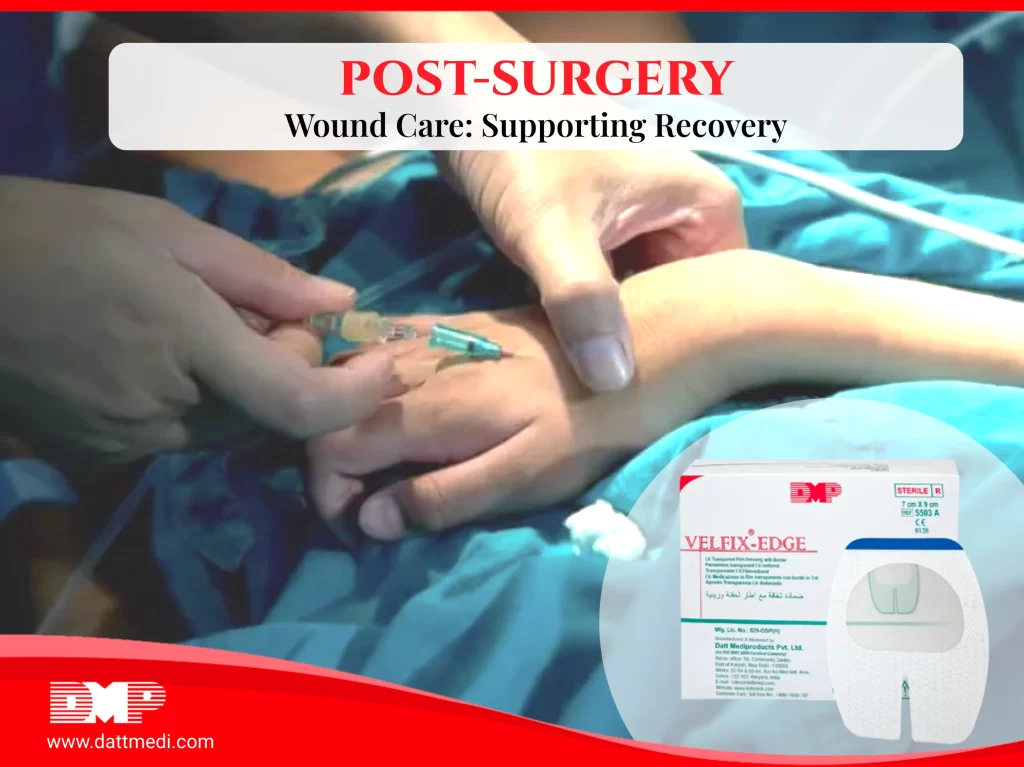
Post-surgery wound care is a critical component in the journey towards a smooth recovery, minimizing complications, and promoting effective healing. This blog post seeks to offer comprehensive insights for both patients and healthcare providers, emphasizing key aspects of post-surgery wound care.

Understanding the Healing Process:

To navigate the recovery journey successfully, it’s essential to grasp the intricacies of the body’s natural healing process. From the initial inflammatory response to tissue remodeling, patients should be aware of these stages to set realistic expectations for the recovery timeline. 

Preparation Before Surgery: 

A proactive approach to wound care begins before the surgical procedure. Adequate preparation involves thorough consultation with healthcare professionals, understanding the surgery specifics, and adhering to pre-surgery instructions. This groundwork sets the stage for a more seamless recovery. 

Maintaining a Sterile Environment: 

Fundamental to effective wound care is the maintenance of a clean and sterile environment. This includes keeping the surgical site and surrounding areas free from contaminants. Proper wound hygiene significantly reduces the risk of infections, a common concern post-surgery. 

Nutrition and Hydration for Optimal Healing: 

Supporting the body’s healing mechanisms requires a well-balanced diet rich in essential nutrients. Proper nutrition promotes tissue repair and helps prevent complications. Adequate hydration is equally crucial, supporting overall bodily functions and facilitating nutrient transportation to the wound site. 

Monitoring and Recognizing Warning Signs: 

Vigilance is key during the recovery phase. Patients should be educated on monitoring wounds for warning signs like increased redness, swelling, or discharge.

Recognizing these signs early enables prompt intervention, minimizing the risk of serious complications. 

Introducing Our Innovative Solution: 

Elevating the standards of patient recovery involves introducing innovative products like Velfix® -Edge. This exceptional dressing goes beyond traditional solutions with its non-woven bordered design, frame delivery system, and deep notched barrier against infections. The latex-free adhesive ensures compatibility with diverse patients, while the window-framed delivery system simplifies application. Incorporating Velfix® -Edge into post-surgery wound care routines prioritizes precision, patient comfort, and infection prevention, contributing to an enhanced and smoother recovery journey for every patient.

Therefore, post-surgery wound care is a collaborative effort between healthcare providers and patients. Empowering individuals with knowledge about the healing process, preparing adequately before surgery, maintaining a sterile environment, prioritizing nutrition and hydration, and being vigilant for warning signs actively contribute to a successful recovery journey. 

Choosing Velfix® -Edge for optimal post-surgery care is a conscious decision towards improved recovery outcomes, ensuring a holistic and effective approach to the healing process.

Visit www.dattmedi.com for more infomation.
Share:
Recent Blogs
Diabetic foot ulcer being examined for chronic wound care treatment

Managing Chronic Wounds in Diabetic Patients: Tips and Best Practices

Chronic wounds, such as diabetic foot ulcers and pressure sores, pose a significant challenge to healthcare providers due to their resistance to healing. Factors such as poor circulation, diabetes, and malnutrition contribute to the delayed tissue regeneration seen in these wounds. This guide explores strategies to improve outcomes for diabetic patients dealing with chronic wounds.

Understanding Chronic Wounds

Chronic wounds develop and persist due to underlying systemic issues that impede natural healing. These include:

  • Diabetic Foot Ulcers: Resulting from reduced blood flow and nerve damage, often on the feet.
  • Pressure Sores (Bedsores): Caused by prolonged pressure on the skin, commonly in bedridden patients.
  • Venous Leg Ulcers: Linked to chronic venous insufficiency, where blood flow back to the heart is impaired.
Example:
A diabetic foot ulcer might remain unhealed due to compromised blood circulation and nerve damage, requiring a tailored approach compared to pressure sores caused by external forces.

Selecting the Right Dressing

The choice of wound dressing plays a pivotal role in effective management:

  • Hydrocolloid Dressings: Ideal for moderately exuding wounds; they absorb moisture, maintain a moist healing environment, and prevent infections. This makes them particularly effective for diabetic foot ulcers.
  • Hydrogels: Suitable for dry wounds as they provide moisture to the wound bed, encouraging healing. However, they may not prevent infection and should be used in conjunction with appropriate infection control measures.


Infection Control: The Role of Antimicrobial Dressings

Chronic wounds are prone to infections that can hinder the healing process. Antimicrobial dressings play a crucial role in managing these infections and promoting recovery.

Introducing Velvert®, a natural-based patented antimicrobial formulation designed to address infection control in chronic wounds. Velvert® is broad-spectrum in nature, effectively combating all major superbugs and accelerating the wound healing process. Its advanced formulation is highly biocompatible, ensuring no side effects or contraindications, making it a safe and reliable choice for patients.

Example: 
A pressure ulcer with a high risk of bacterial colonization benefits greatly from using Velvert®. Its broad-spectrum action not only reduces bacterial load but also creates an optimal healing environment, leading to faster recovery and improved patient outcomes.

Managing Exudate Levels

Excess moisture or dryness can impede wound healing. Dressing selection must align with the wound’s exudate level:

  • Foam Dressings: Effective for heavily exuding wounds due to their superior absorption capabilities.
  • Hydrocolloid Dressings: Suitable for wounds with moderate exudate, maintaining moisture balance without risking maceration.

Foam vs. Hydrocolloid for Heavy Exudate

Foam dressings are the preferred choice for high-exudate wounds as they prevent saturation and maceration. Hydrocolloid dressings may become overwhelmed, compromising the wound’s healing environment.

Nutritional and Lifestyle Interventions

Healing chronic wounds requires addressing systemic factors, including nutrition and blood glucose management:

  • Nutrition: Adequate intake of vitamins A, C, zinc, and protein supports tissue regeneration and immune function.
  • Glucose Control: Poor glucose control in diabetic patients delays healing. Maintaining optimal levels is essential for recovery.

For instance, a diabetic patient consuming a nutrient-rich diet while effectively managing their glucose levels is more likely to experience faster wound healing.

Continuous Monitoring and Expert Care

Regular assessment by healthcare professionals is essential for chronic wound management. Adjustments to treatment plans based on wound progress ensure the best outcomes. Starting with antimicrobial dressings often sets the foundation for successful healing without the need to switch to standard dressings.

Chronic wounds in diabetic patients demand a multifaceted approach that includes selecting the right dressings, managing infections and exudate, and addressing systemic factors such as nutrition and glucose control. By following these best practices, healthcare providers can significantly improve healing outcomes, reduce complications, and enhance the quality of life for patients.

At Datt Mediproducts, we are committed to delivering next-generation wound care solutions that prioritize patient comfort and clinical efficacy. Our range of advanced dressings, including gauze-based, film, post-operative, and antimicrobial options, is designed to cater to diverse wound management needs. Explore our comprehensive portfolio and discover how we can support your wound care journey.

Choosing the Right Compression Stocking for Varicose Veins

Varicose Veins are enlarged, twisted veins that bulge under your skin. They normally develop when blood flow is obstructed and are more than just a cosmetic concern; they can cause discomfort and, if untreated, lead to more serious health issues. Medical compression stockings and wraps, such as the Velcare® range from us, provide an effective solution for managing varicose veins. Understanding their benefits and features can help you make an informed choice.

Velcare® -Varicose Veins Stocking: Support Where You Need It

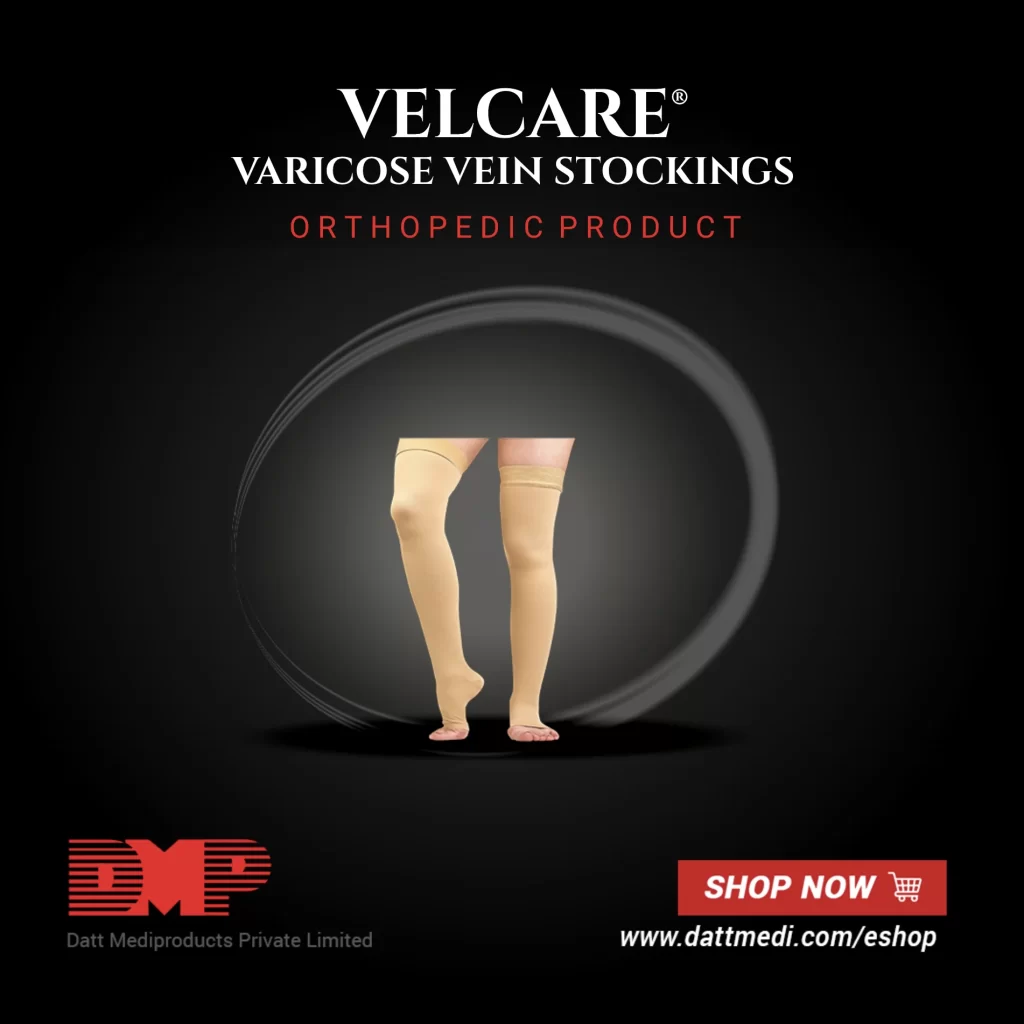
Designed to offer Class 2 Compression (23-32mmHg), Velcare® -Varicose Veins Stocking are ideal for promoting circulation and reducing varicose vein symptoms. The graduated compression applies gentle pressure from the ankle upwards, aiding blood flow back to the heart.

Key Features of Velcare® -Varicose Veins Stocking:

  • Effective Compression: Reduces swelling and discomfort associated with varicose veins.
  • Comfortable Wear: Soft, breathable, latex-free materials ensure all-day comfort.
  • Durable Construction: Four-way stretchability enhances flexibility and durability for long-term use.
  • Medical Grade Quality: Designed to meet medical standards for effective varicose vein management.


Velcare® -Inelastic Wrap: Customizable Compression

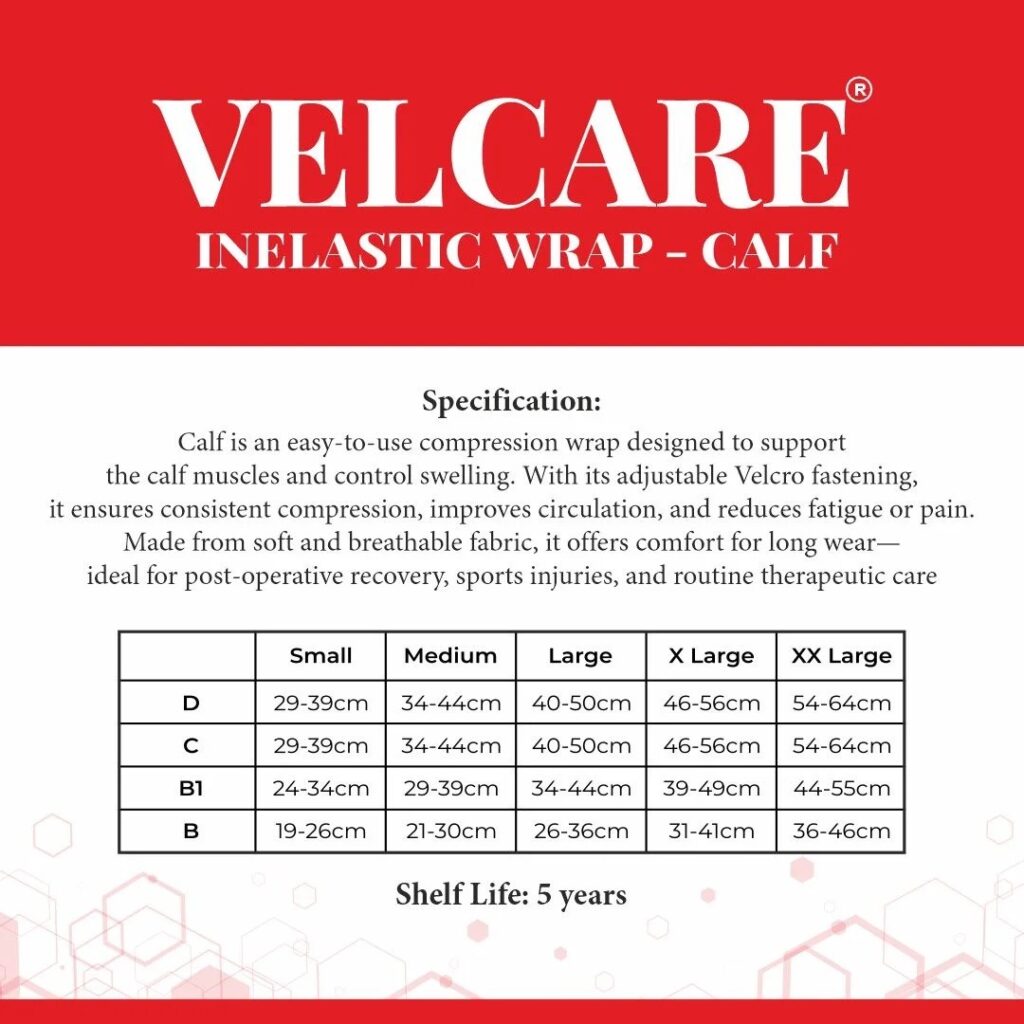
For those preferring an alternative to traditional stockings, Velcare® -Inelastic Wrap provides targeted calf compression without constant adjustment. Adjustable straps offer a customized fit for optimal compression therapy tailored to individual needs.

Key Features of Velcare® -Inelastic Wrap:

  • Targeted Compression: Focuses on calf muscles for effective circulation support.
  • Adjustable Fit: Velcro straps ensure a secure fit and ease of adjustment.
  • Ease of Use: Simple application and removal for convenient daily wear.
  • Breathable Material: Allows the skin to breathe, suitable for extended use.

Choosing the Right Option for You

When deciding between Velcare® -Varicose Veins Stocking and Velcare® -Inelastic Wrap, consider your lifestyle, comfort preferences, and specific medical needs. Both options offer effective relief for varicose veins, with the stockings providing graduated compression and the wrap offering targeted support and ease of use.

Whether you choose the graduated compression of Velcare® -Varicose Veins Stocking or the targeted support of Velcare® -Inelastic Wrap, we as Datt Mediproducts, ensures you receive high-quality products designed to improve circulation and alleviate varicose vein symptoms. Explore more about Velcare® products and find the right solution for managing your varicose veins with us.

Logo

Datt Mediproducts Private Limited

Loading