
Search by Blog
Read by Category

Your healing journey continues beyond this blog

Find the right products for better recovery at online store
Cart Image
Skin Integrity in Extreme Weather

Protecting Skin Integrity in Extreme Weather: Hot and Cold Temperature Care Tips

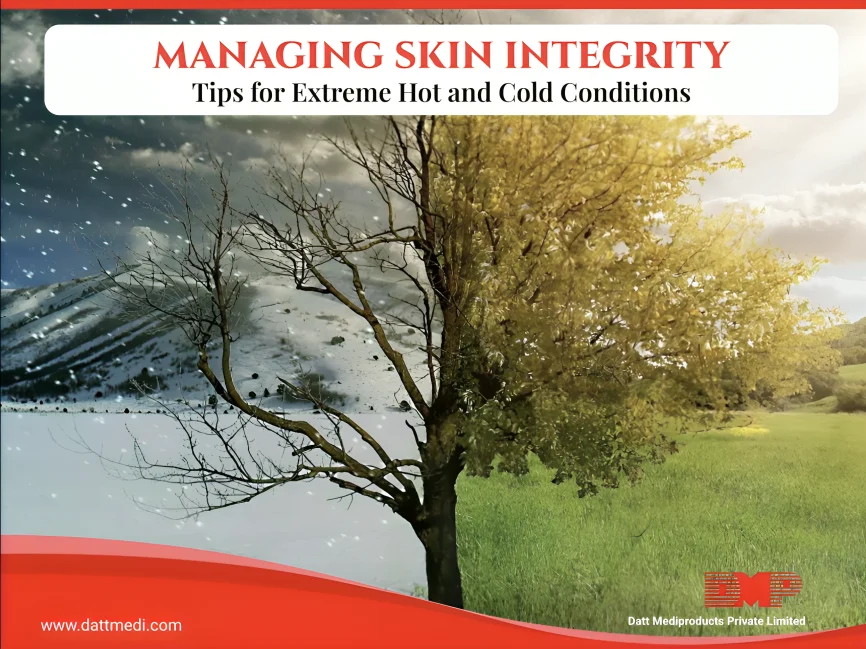
Extreme weather conditions, whether hot or cold, can significantly affect skin integrity, potentially compromising the body’s natural healing process.

Maintaining healthy skin is vital not only for general well-being but also for promoting effective wound healing. In this blog, we’ll explore how extreme temperatures impact skin health and share tips to protect your skin and wounds year-round.

Challenges in Hot Weather

1. Heat and Humidity

Hot temperatures combined with high humidity levels increase perspiration, which can lead to moisture-related skin breakdown. The skin may become macerated, making it more vulnerable to irritation and infection, especially in sensitive areas like underarms and groin.

2. Sun Exposure

Excessive UV radiation from sun exposure can damage the skin, leading to sunburn, heat rashes, and increased risk of further skin issues. Sunburned skin is more prone to infection, which can delay the healing of existing wounds.

3. Dehydration Risks

Hot weather can cause dehydration, which impacts skin hydration and weakens the skin’s barrier function. When skin becomes dry and cracked, it loses its ability to protect against pathogens, affecting both general skin health and wound healing.

Challenges in Cold Weather

  • Dry Air – Cold air often lacks moisture, leading to dehydration of the skin, making it dry and prone to cracks or fissures. These cracks provide an entry point for bacteria, which can cause infections and delay healing.
  • Reduced Blood Flow – In colder temperatures, blood circulation to the skin decreases, which can hinder the delivery of essential nutrients and oxygen to skin cells, slowing down the skin’s natural repair processes and impeding wound healing.
  • Layered Clothing – While layering clothing can help retain warmth in cold weather, it may also cause friction, especially in sensitive or healing areas. This friction can irritate the skin and make it more susceptible to damage.

Tips for Maintaining Skin Integrity in Hot Weather

Stay Hydrated

Hydration is key for healthy skin. Drink plenty of water throughout the day to keep your skin moist from the inside out and to support overall skin health.

Protective Clothing

Wear lightweight, breathable fabrics to allow airflow and reduce sweating. UV-protective clothing can also help shield your skin from harmful sun exposure.

Skin Cleansing and Moisturization

To avoid sweat buildup, ensure regular skin cleansing, followed by the application of a lightweight, non-comedogenic moisturizer. This will help lock in hydration without clogging pores.

Tips for Maintaining Skin Integrity in Cold Weather

  • Hydrating Moisturizers – Cold air can strip the skin of moisture. Use thicker, oil-based moisturizers to prevent water loss and keep the skin barrier intact.
  • Humidify Indoor Air – Consider using humidifiers indoors to add moisture to the air and prevent skin dehydration caused by dry environments.
  • Gentle Skin Care Routine – Avoid using hot water when washing your face or body, as this can further dry out the skin. Opt for mild, fragrance-free cleansers that won’t irritate the skin or damage its natural protective layer.

Special Considerations for Wound Care

i) Temperature Regulation

Maintaining a moderate temperature for wound healing is essential. Extreme heat can worsen inflammation and slow down healing, while cold can cause a reduction in circulation. Aim for a comfortable, consistent environment to support optimal recovery.

ii) Dressing Types

For hot weather, choose dressings that can absorb excess moisture and prevent maceration. For cold weather, opt for dressings that retain moisture to keep the wound hydrated and prevent cracking or dryness.

Regular Inspection

In extreme weather conditions, skin changes can happen quickly. It’s important to inspect your skin and any wounds frequently to monitor for signs of irritation, infection, or other complications.

As the seasons change, so should your skincare routine. Understanding how hot and cold temperatures affect skin integrity is key to protecting your skin and supporting proper wound healing.

By making small adjustments to your daily habits, you can ensure that your skin remains healthy and wounds heal effectively, no matter the weather.

Stay vigilant and adjust your routine as needed to safeguard your skin and enhance your healing process throughout the year.
Visit www.dattmedi.com for more infomation.
Share:
Recent Blogs
Showering with Wounds

Showering with Wounds: Tips for Staying Clean and Safe During Healing

Keeping wounds clean and dry is essential for proper healing. However, many people worry about showering with wounds or bathing with an open wound and the potential risks of exposing wounds to water. Without proper precautions, water exposure can lead to complications like infections, delayed healing, or dressing displacement.

Risks of Showering with Wounds

  • Infection Risks: Water, especially non-sterile water, can introduce bacteria into the wound, increasing the risk of infection.
  • Delayed Healing: Excessive moisture can disrupt the wound environment, causing the skin to swell, affecting moisture balance and slowing the healing process.
  • Dressing Displacement: Bathing may cause bandages or dressings to loosen or fall off, exposing the wound to contaminants.

Do’s for Wound Care When Bathing

  • Use Waterproof Dressings: Protect your wound from water exposure by using waterproof dressings, which help prevent infection and promote proper healing.
  • Cover the Wound: If waterproof dressings aren’t available, use plastic wrap or a waterproof barrier to keep the wound dry.
  • Opt for Showers Over Baths: Showers reduce the risk of soaking wounds, as water flows off the body rather than submerging the wound.

Don’ts for Wound Care When Bathing

  • Avoid Soaking: Stay away from tubs, pools, or hot tubs, as they introduce bacteria and disrupt the wound environment.
  • Don’t Rub the Wound Area: Avoid scrubbing or applying soap directly on the wound to prevent irritation or removal of protective layers.
  • Avoid High-Pressure Water: Strong water pressure can disturb scabs, disrupt dressings, or cause discomfort.

Waterproof Dressing Options

1. Adhesive Films:

Velfix® – T Film: Provides a waterproof, breathable seal to protect wounds from water exposure.

2. Foam Dressings with Borders:

Velfix® – Edge: Features an adhesive border that creates a secure seal, preventing water from entering.

3. Silicone-Based Dressings:

Velfix® – Secure (PICC): Designed for long-term wound protection with a waterproof and skin-friendly seal.

4. Adhesive Tapes:

Velpore™ – T: A strong yet gentle adhesive tape that secures dressings in place, ensuring they remain effective during showers.

Steps for Showering with a Wound

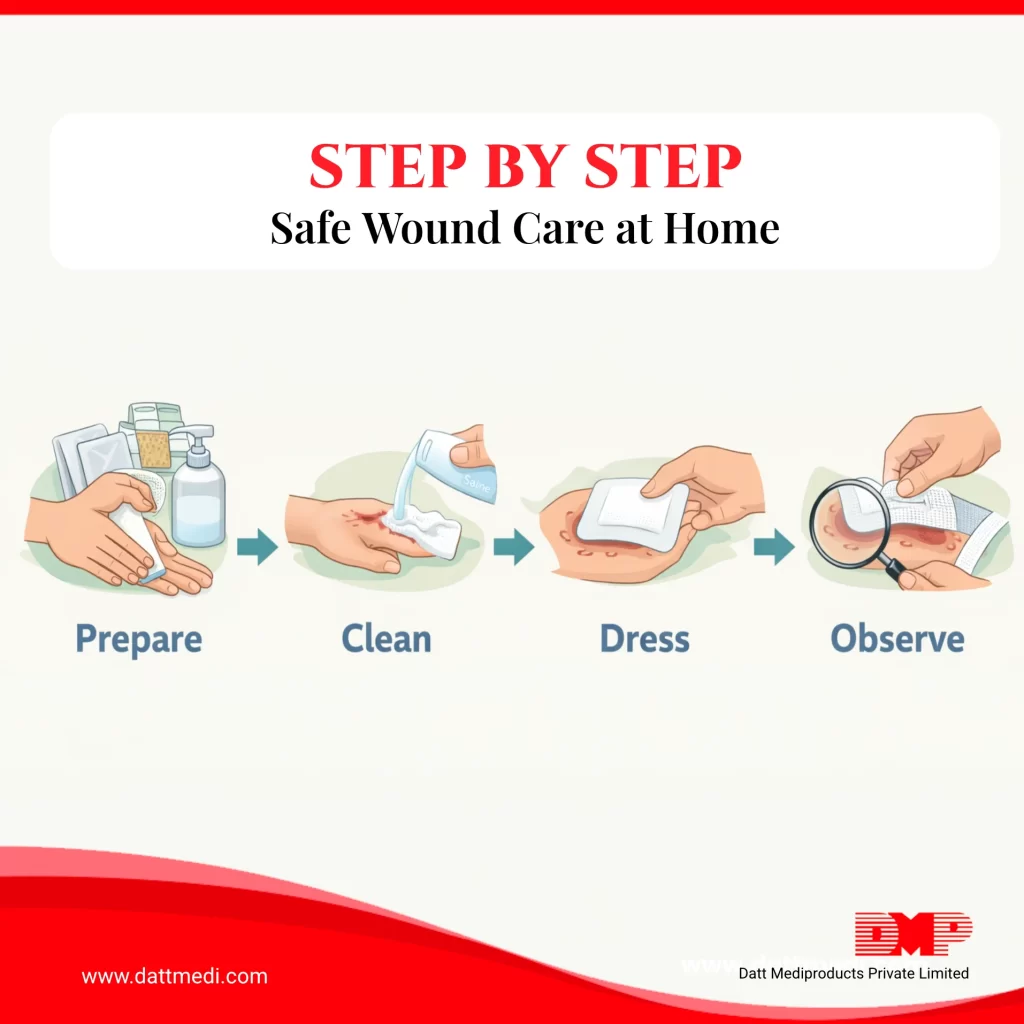
  • Prepare the Wound: Clean and dress the wound before showering to ensure protection.
  • Use Lukewarm Water: Avoid hot or high-pressure water that could irritate the wound.
  • Pat Dry Carefully: After showering, gently pat the dressing dry with a soft, clean towel.

Signs to Watch For

If you notice redness, swelling, unusual discharge, persistent discomfort, warmth around the wound, or a foul odor, contact a healthcare provider immediately. These may indicate an infection or irritation that requires medical attention.

With the right precautions and waterproof dressings, showering with a wound can be safe and manageable. Choosing high-quality products helps protect wounds and support optimal healing. Always follow your healthcare provider’s guidance for the best wound care practices.

Wound Might Need a Doctor’s Attention

5 Signs Your Wound Might Need a Doctor’s Attention

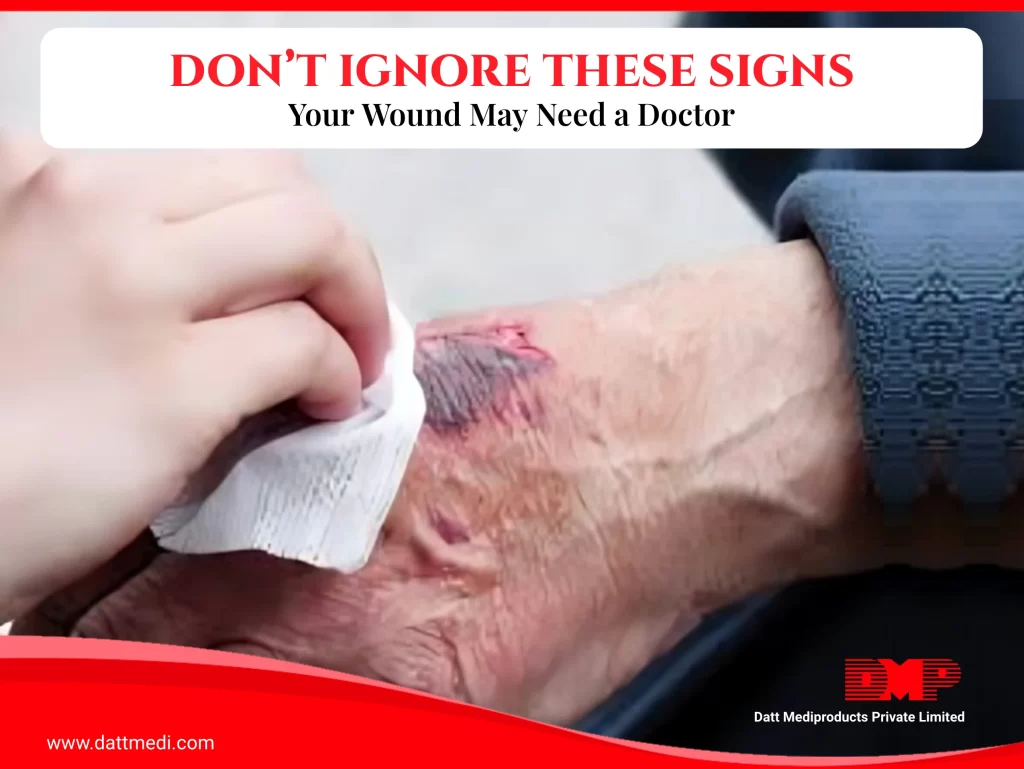
Wound are a common part of life, whether from minor cuts, surgical procedures, or injuries. While most heal on their own with proper care, some wounds can develop complications that require medical attention.

Ignoring early warning signs can lead to infections or even severe health risks. Knowing when to seek medical help can make all the difference in ensuring a safe and speedy recovery.

Here are five key signs that indicate your wound might need professional care:

1. Increased Redness Around the Wound

A slight redness around a wound is normal, especially in the first few days. However, if you notice the redness spreading outward or deepening in color, it could be a sign of infection. This may indicate your immune system is fighting off bacteria, and medical treatment might be necessary.

When to worry: If the redness continues to expand or is accompanied by pain, swelling, or warmth, it’s time to consult a doctor.

2. Swelling or Warmth Around the Wound

Swelling is a natural response to injury; involving increased blood flow, the body’s immune response acting as a buffer to protect the injured area. But swelling should be continually decreasing, excessive swelling or warmth around the wound could mean trouble. These signs often indicate that your body is responding to an infection.

What to look for: If the wound becomes significantly puffy, feels hot to the touch, or the swelling doesn’t subside within a few days, it’s best to seek medical advice.

3. Pus or Unusual Discharge

One of the clearest signs of infection is pus — a thick, yellow, green, or foul-smelling fluid coming from the wound. A properly healing wound should not have significant discharge beyond a small amount of clear fluid.

Act quickly if: You notice pus, a bad odor, or an increase in drainage, as these are strong indicators of bacterial infection requiring immediate attention.

4. Increased Pain or Tenderness

Pain is expected after an injury, but it should gradually decrease over time. If your wound becomes more painful instead of improving, it may indicate an underlying issue like infection or delayed healing.

Red flag: If touching the wound becomes increasingly painful, or if discomfort spreads beyond the injury site, a doctor should assess the situation.

5. Fever or Chills

While mild fever (below 100°F/ 38°C) can be a part of the healing process, high fever or persistent fever may indicate a more serious issue. High grade fever can be the body trying to fight harmful bacteria, viruses or fungi that have invaded the wound. This requires immediate care as it can get worse very easily.

Seek urgent care if: You experience a fever over 100.4°F (38°C) or chills along with any of the other symptoms listed above.

Importance of Clean and Safe Wound Dressings

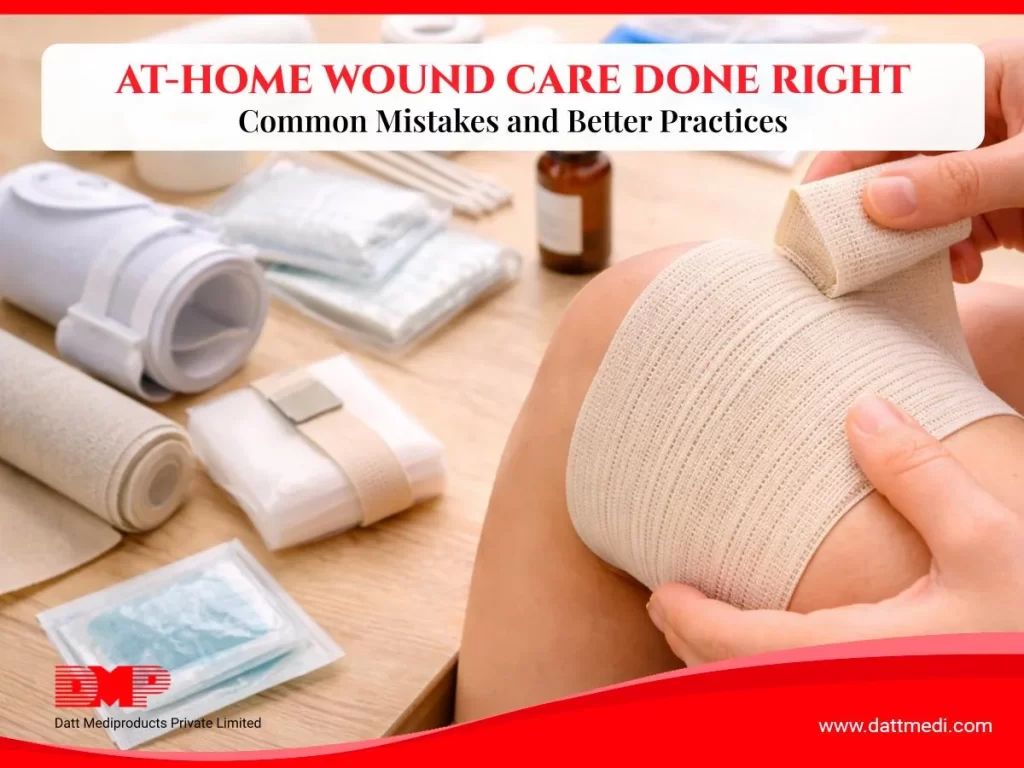
Using the right wound care products can significantly reduce the risk of infection and promote faster healing. Proper wound dressings help create a protective barrier, control moisture levels, and keep the wound environment clean.

  • Antimicrobial dressings help prevent bacterial growth and maintain a sterile healing environment.
  • Waterproof dressings protect against external contaminants while ensuring proper moisture balance.
  • Gentle adhesive tapes secure dressings in place without causing skin irritation, making them suitable for daily use.

When to Seek Medical Help

If you notice any of the above warning signs, don’t wait. Seeking medical attention early can prevent more serious complications and help ensure a smooth recovery.

Call your doctor if:

  • Your wound isn’t healing or worsens after a few days.
  • You notice spreading redness, pus, increased pain, or fever.
  • You have underlying health conditions (like diabetes) that may slow healing.

Your body is designed to heal, but sometimes wounds need extra care. By paying attention to these warning signs and using the right wound care products, you can prevent infections and support faster healing.

Taking action early can mean the difference between a quick recovery and serious complications. Stay safe, stay informed, and give your wound the care it deserves!

Logo

Datt Mediproducts Private Limited

Loading