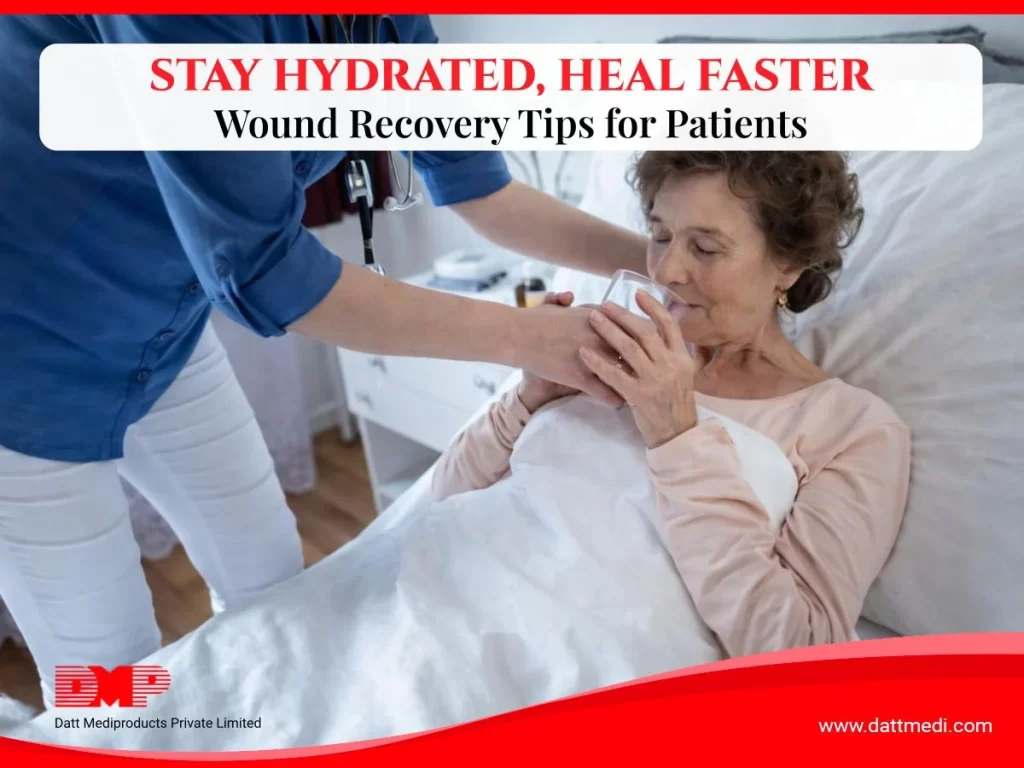
Recovery from a wound often focuses on dressings, medications, and rest. However, one simple habit can significantly support healing — staying hydrated.
Water plays a vital role in transporting nutrients, repairing damaged skin, and supporting the immune system. When the body lacks fluids, healing can slow down. Proper hydration helps the body rebuild tissues, maintain healthy skin, and recover more efficiently.
Maintaining adequate fluid levels is widely recognized as an important part of recovery and aligns with wound care guidance referenced by organizations such as the World Health Organization.
Why Hydration Matters for Wound Healing
1. Better Blood Flow to the Wound
Water helps maintain healthy blood circulation throughout the body.
Why it matters:
Good circulation delivers oxygen and nutrients essential for tissue repair while helping remove waste from the wound site.
What this means for you:
Improved blood flow supports faster healing and helps reduce swelling. In some cases, medical treatments such as compression therapy may also help improve circulation during recovery.
2. Supports Growth of New Skin
Water is essential for proper cellular function and tissue repair.
Why it matters:
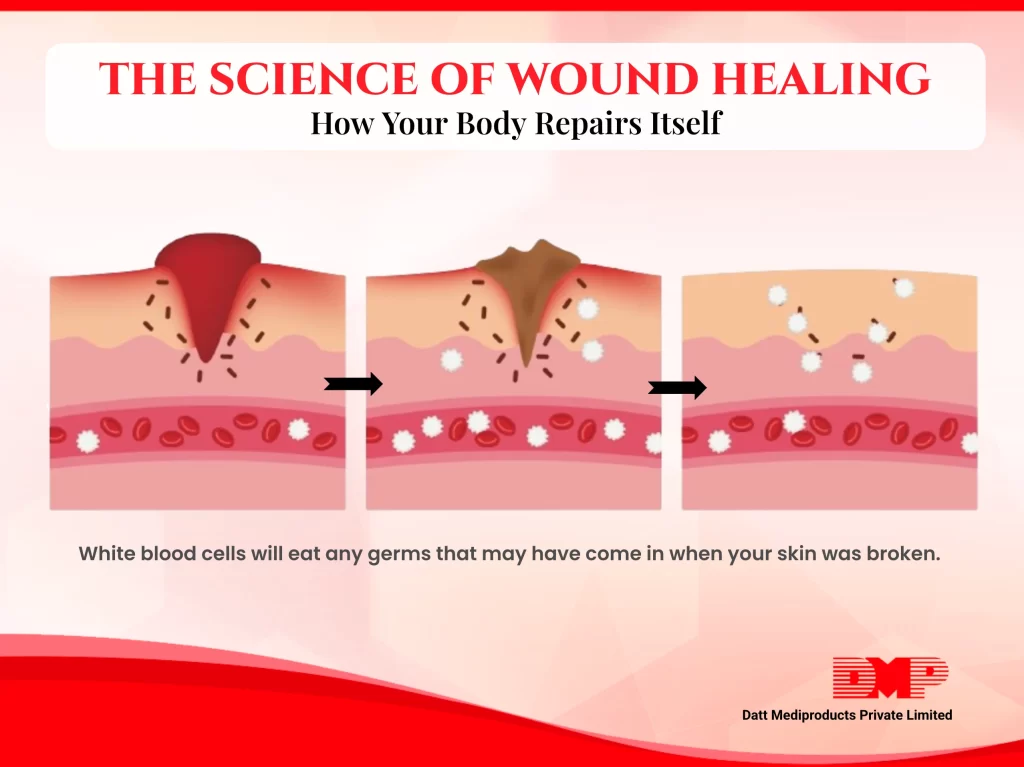
New skin cells must grow and move across the wound surface to close the wound bed and restore the skin barrier.
What this means for you:
Adequate hydration helps support healthy tissue regeneration and contributes to more efficient wound recovery.
3. Keeps Skin Soft and Protected
Dehydration can make skin dry, fragile, and more prone to cracking.
Why it matters:
Dry skin around a wound may break easily and increase discomfort or infection risk.
What this means for you:
Well-hydrated skin remains flexible and resilient, allowing the surrounding tissue to better support healing.
Hydration Strengthens the Body’s Defense System
The immune system plays a critical role in preventing infection during wound recovery.
Proper hydration helps:
- Support Infection-Fighting Immune Cells
- Regulate Inflammation Needed For Healing
- Transport Nutrients Throughout The Body
- Maintain Tissue Oxygenation For Repair
When fluid levels are balanced, the body can respond more effectively to injury and recovery.
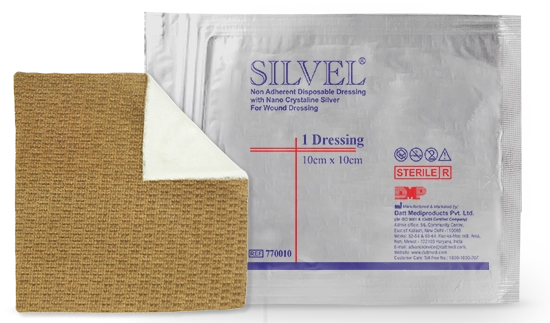
For infection-sensitive wounds, options like Silver Dressings may provide added protection.
Moisture Helps Wounds Heal Faster
Modern wound care focuses on maintaining a moist healing environment rather than allowing wounds to dry out.
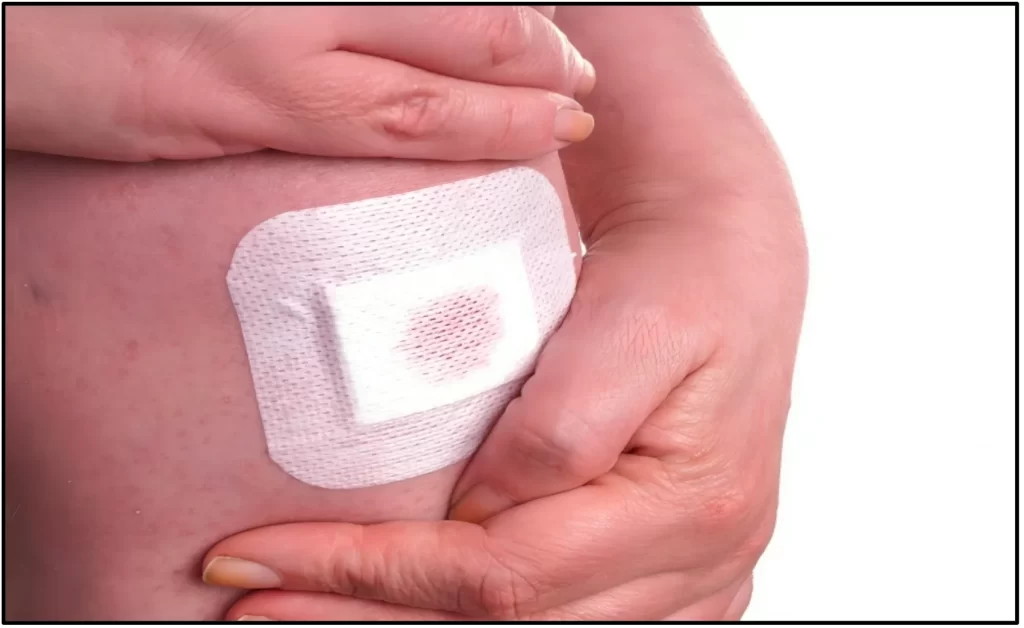
Moisture-retentive wound dressings can help:
- Prevent Hard Scabs From Forming
- Support Natural Skin Repair
- Reduce Discomfort During Healing
- Minimize Scarring Risk
Maintaining controlled moisture around the wound creates conditions that support smoother and more efficient healing.
Internal Hydration Matters Too
While dressings help maintain external moisture, internal hydration supports healing from within.
Drinking enough fluids helps:
- Nourish Skin Cells
- Support Tissue Regeneration
- Maintain Elasticity Of Surrounding Skin
- Deliver Nutrients To Healing Tissue
Together, internal hydration and appropriate dressings such as Softswab Gauze and Velpore Adhesive Dressing create ideal healing conditions.
How Dehydration Slows Healing
When the body lacks sufficient fluids:
- Healing Processes May Slow Down
- Nutrients Reach The Wound Less Efficiently
- Skin Becomes Dry And Fragile
- Infection Risk May Increase
- Recovery Time May Become Longer
Simple Ways to Stay Hydrated During Recovery
Drink Water Regularly
Most adults benefit from around 8–10 glasses of water per day, unless otherwise advised by a healthcare professional.
Fluid needs may increase during:
- Hot weather
- Fever or illness
- Physical stress after surgery
Eat Water-Rich Foods
Certain foods naturally support hydration and healing, including:
- Cucumber
- Watermelon
- Oranges
- Leafy Greens
- Tomatoes
These foods also provide vitamins and antioxidants that support skin repair.
Limit Drinks That Cause Fluid Loss
Some beverages may contribute to dehydration.
Try to limit:
- Excessive caffeine
- Sugary drinks
- Alcohol
Choosing water and nutrient-rich foods supports healthier recovery.
Nutrition and Hydration Work Together
Hydration works best when combined with balanced nutrition.
Important nutrients for wound healing include:
- Protein – Supports tissue repair
- Vitamin C – Supports collagen formation
- Zinc – Supports immune function
- Iron – Supports oxygen transport
A balanced diet and adequate hydration together promote faster wound recovery.
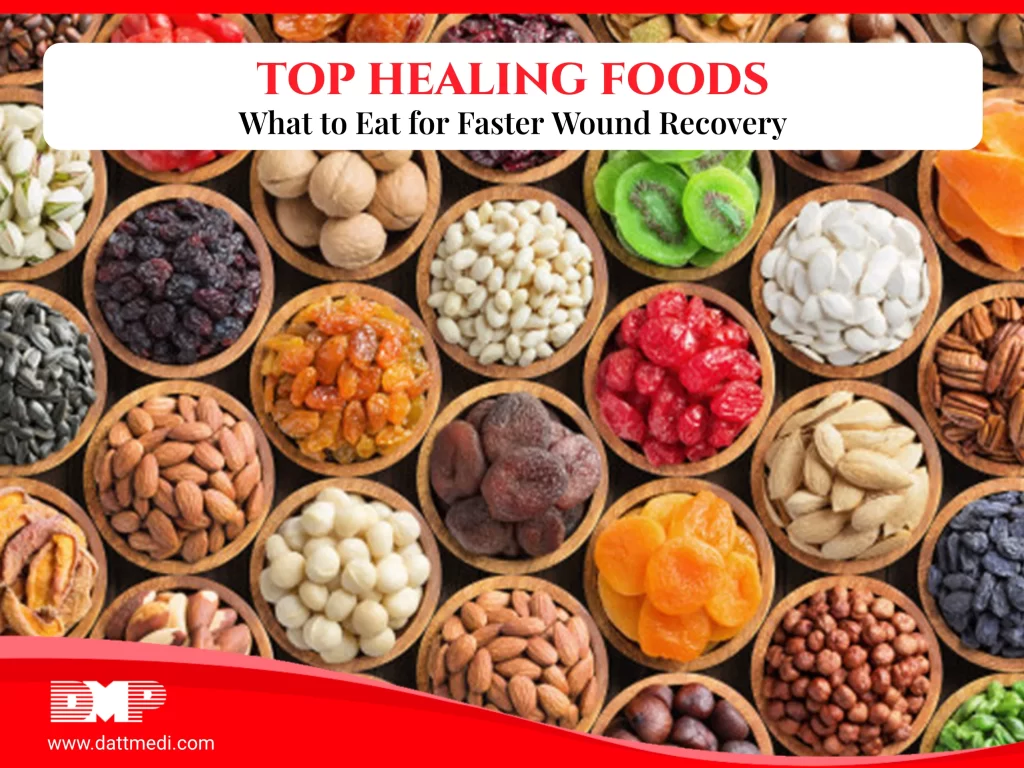
In addition to balanced fluids, choosing top foods that boost wound healing supports tissue repair and overall recovery.
Special Care Considerations
Patients with Medical Conditions
Individuals with conditions such as diabetes, kidney disease, or heart disease may require personalized hydration guidance.
Always follow the advice of healthcare professionals when managing fluid intake during recovery.
Elderly and Bedridden Patients
Older adults may not feel thirsty even when dehydrated.
Caregivers should:
- offer fluids regularly
- encourage small, frequent sips
- monitor fluid intake
- watch for signs of dehydration
Maintaining hydration is especially important during recovery after surgery or illness.
Combine Hydrating Habits with Good Wound Care
For optimal healing:
- keep the wound clean as advised
- use appropriate wound dressings
- maintain a balanced, nutrient-rich diet
- avoid smoking and tobacco exposure
- follow medical advice for advanced wound care
Healthy daily habits can significantly support faster and safer wound recovery.
For a broader perspective on how daily habits influence recovery, explore our article on the impact of lifestyle on wound healing.
Signs Your Body May Need More Fluids
Watch for common signs of dehydration, including:
- Dry Lips Or Skin
- Dark Yellow Urine
- Fatigue Or Dizziness
- Slow Wound Improvement
- Increased Skin Tightness Around The Wound
Increasing fluid intake may help support recovery and improve overall health.
Staying hydrated is one of the simplest and most effective ways to support wound healing. Fluids help maintain healthy circulation, deliver essential nutrients to the affected area, and assist the body’s natural repair processes.
When paired with proper wound care and balanced nutrition, good hydration can contribute to more efficient recovery and help lower the risk of complications.