
Search by Blog
Read by Category

Your healing journey continues beyond this blog

Find the right products for better recovery at online store
Cart Image

Medical tapes play a crucial role in the healthcare industry, providing essential support in wound care management and ensuring patient comfort and safety. These adhesive products are designed to secure dressings, medical devices, and other materials to the skin, facilitating the healing process and protecting patients from infections. In this blog post, we will explore the importance of medical tapes in healthcare, discuss the different types commonly used, delve into their role in wound care management, address patient comfort and safety concerns, and provide guidelines for their proper application and removal.

Importance of Medical Tapes in the Healthcare Industry:

Medical tapes are indispensable tools in the healthcare industry, offering numerous benefits for both healthcare professionals and patients. These tapes serve as an effective means of securing wound dressings, surgical incisions, and medical devices, such as catheters or IV lines. By keeping these materials in place, medical tapes promote proper healing, prevent contamination, and reduce the risk of infection. Moreover, they provide support to the injured area, minimizing movement and potential damage. The versatility and ease of use of medical tapes make them an essential component of any healthcare setting.

There is a wide range of medical tapes available, each designed to suit specific applications and patient needs. Some commonly used types include:

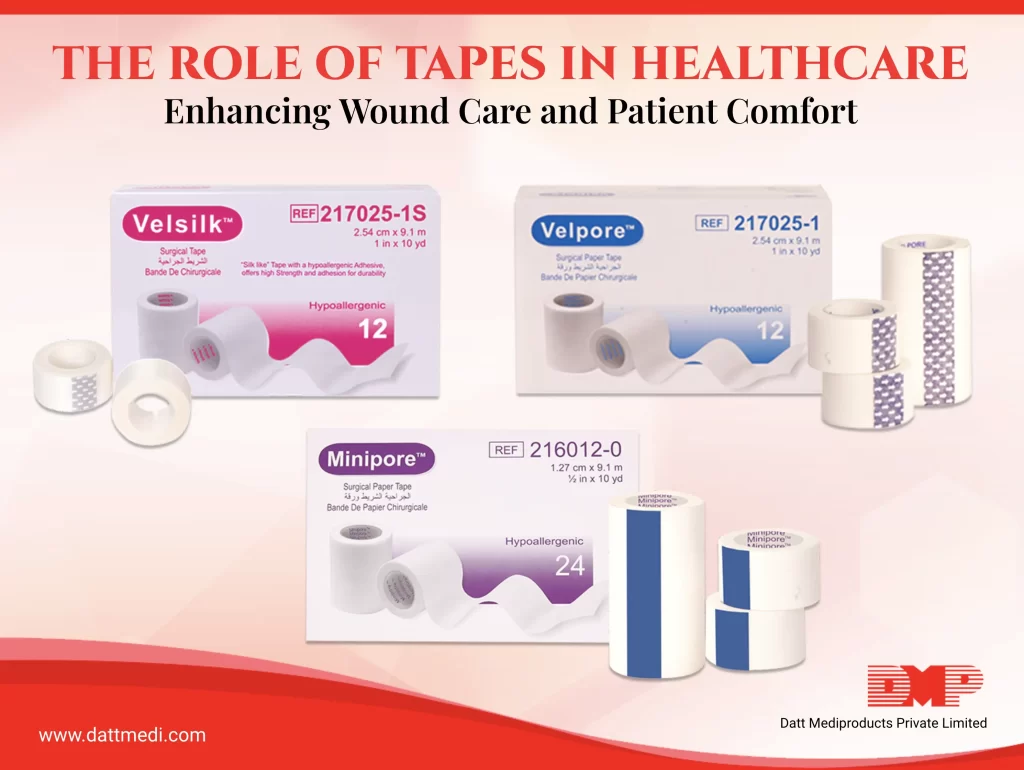
Minipore™:

Minipore™ tape is a hypoallergenic paper tape that offers gentle adhesion, making it suitable for patients with sensitive or fragile skin. It allows for breathability, reducing the risk of skin maceration while securely holding dressings in place. Read more about products visit https://dattmedi.com/minipore.html

Velpore™:

Velpore surgical paper tape possesses hypoallergenic qualities, making it ideal for individuals with sensitive skin or allergies. Its gentle nature ensures it is kind to the skin. The microporous structure of Velpore enables exceptional breathability, facilitating airflow and minimizing the likelihood of maceration.This tape is frequently utilized for securing wound dressings, delivering dependable fixation while enabling freedom of movement and flexibility. Its mild adhesive properties allow for painless and damage-free removal from the skin. Read more about products visit https://www.dattmedi.com/velpore.html

Velsilk™:

Velsilk tape is a silk-like cloth tape that combines excellent adhesion with gentle removal. It adheres securely to the skin while minimizing discomfort during tape removal. It is particularly useful in situations where frequent dressing changes are required, as it allows for easy application and removal. Read more about products visit https://www.dattmedi.com/velsilk.html

Role of Tapes in Wound Care Management:

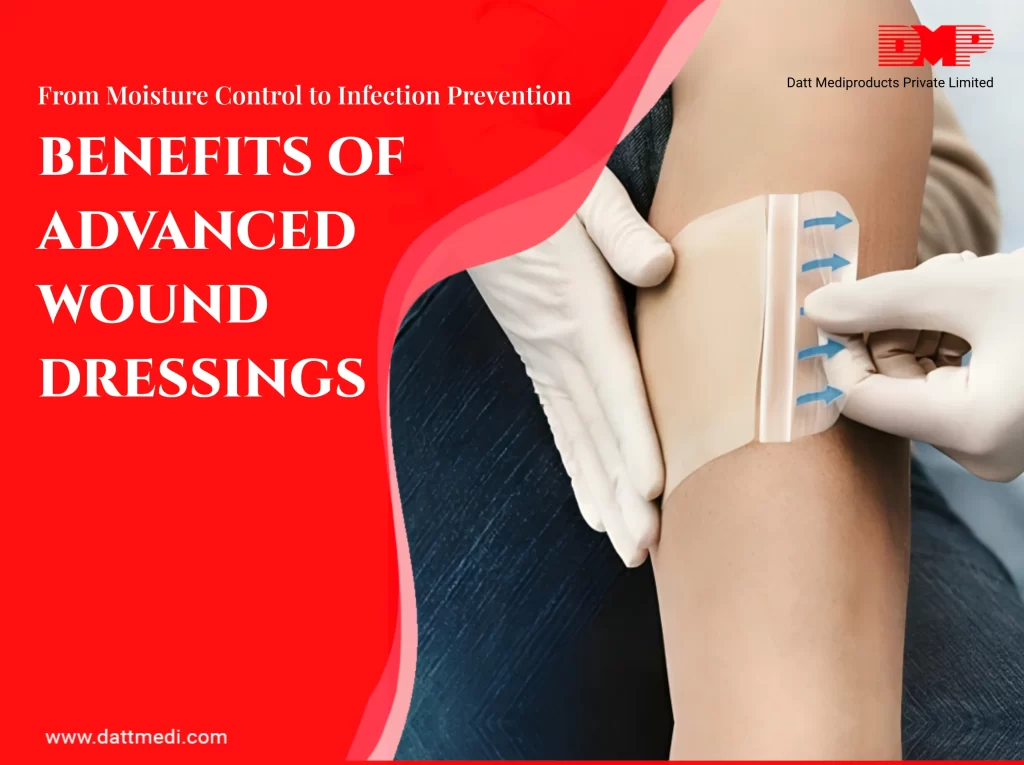
Medical tapes play a vital role in wound care management. They help to secure dressings and keep them in place, preventing contamination and facilitating the healing process. Tapes also provide stability and support to the wound, reducing movement and minimizing the risk of further injury.

Additionally, they create a barrier against external pathogens, protecting the wound from infection. Properly applied medical tapes promote optimal wound healing and can contribute to positive patient outcomes.

Significance of Patient Comfort and Safety:

Patient comfort and safety are of utmost importance in healthcare. When using medical tapes, it is essential to consider the comfort and specific needs of each patient. The choice of tape should be based on factors such as skin sensitivity, wound location, and duration of use. It is crucial to select tapes that are hypoallergenic, breathable, and gentle on the skin to minimize the risk of adverse reactions. Regular monitoring of the taped area is necessary to ensure that the tape is not causing any discomfort or skin irritation. Moreover, proper tape removal techniques should be employed to avoid skin damage or pain.
Guidelines and Best Practices for Application and Removal:

To ensure the effective and safe use of medical tapes, the following guidelines should be followed:

  • Clean and dry the area before applying the tape.
  • Select an appropriate tape based on the patient’s needs and skin sensitivity.
  • Avoid excessive tension when applying the tape to prevent skin irritation.
  • Cut the tape to the desired length and shape, considering the wound size and location.
  • Ensure that the tape is firmly but comfortably secured, avoiding any wrinkles or folds.
  • Regularly assess the taped area for signs of skin irritation or discomfort.
  • When removing the tape, gently lift one corner and slowly peel it back, following the direction of hair growth to minimize pain and skin damage.
  • Apply the tape smoothly, avoiding excessive tension or wrinkling.
  • Periodically assess the tape’s integrity and reapply if necessary.
  • When removing the tape, gently lift the edges parallel to the skin while supporting the wound area to minimize pain and skin trauma.
  • If the tape is stubborn or adhered tightly, consider using a medical adhesive remover to aid in its removal.
  • After tape removal, clean the skin and assess for any signs of irritation or redness.

When properly applied and removed, medical tapes contribute to effective wound healing, prevent infection, and enhance patient comfort. By following guidelines for their proper application and removal, healthcare providers can maximize the benefits of medical tapes while minimizing the risk of complications.
Visit www.dattmedi.com for more infomation.
Share:
Recent Blogs
Overcoming Delayed Healing

Overcoming Delayed Healing: Common Causes and Practical Tips

Healing is a natural process—but sometimes, wounds don’t heal as quickly as expected. Delayed healing can impact physical comfort, increase the risk of infection, and reduce quality of life. 

The good news…
Many common causes of delayed healing can be managed with simple lifestyle adjustments. Let’s explore these causes and discover actionable tips for improving the healing process.

Understanding Delayed Healing

Wound healing is influenced by various factors—some within our control, others that may require professional intervention. Identifying these causes is the first step toward a faster, more efficient recovery.

Common Causes of Delayed Healing

  • Poor Nutrition: Lack of essential nutrients, such as proteins, amino acids, fatty acids, carbohydrates, vitamins (A, C & E) and micronutrients (magnesium and zinc) to name a few, slows tissue repair by affecting one or more phases of the wound healing process.
  • Inadequate Hydration: Dehydration impairs skin regeneration.
  • Underlying Health Conditions: Conditions like diabetes, diabetes associated neuropathy, vascular diseases, or immune disorders can complicate healing.
  • Smoking or Alcohol Consumption: These enhance host susceptibility to infections that lead to impaired angiogenesis thereby reducing blood flow and oxygen delivery to tissues which are essential for wound healing.
  • Stress and Poor Sleep: Disrupt hormone balance and deregulate the immune system, which directly affects recovery. Additionally, stressed individuals are more likely to develop unhealthy habits such as inadequate nutrition, smoking, less exercise, poor sleep patterns; negatively modulating the healing mechanism.
  • Infection or Repeated Trauma to the Wound: Can significantly hinder the healing process. Microorganisms obtain easy access to the underlying tissues when skin is injured. The presence of replicating microorganisms in the wound elongates the inflammatory phase of the wound healing process. This can lead to the wound to enter into a chronic state with significant delay in wound healing.

Nutrition & Hydration Matter

Proper nutrition is essential for healing.

Incorporate the following into your diet:

  • Lean proteins (eggs, fish, legumes) for tissue repair
  • Fresh fruits and vegetables for vitamins and antioxidants
  • Whole grains to support energy levels and tissue growth
Tip: Staying well-hydrated ensures nutrients are transported to your cells, promoting faster healing and flushing out toxins.

Sleep & Stress Management

Proper rest accelerates healing. Focus on these habits:

  • Aim for 7–9 hours of sleep each night.
  • Practice mindfulness or relaxation techniques to reduce stress.
  • Limit screen time and caffeine before bed to enhance sleep quality.

Did You Know? Chronic stress raises cortisol levels, slowing wound recovery.

Daily Movement & Gentle Activity

Physical activity promotes circulation, which helps deliver oxygen and nutrients to healing tissues:

  • Engage in light activities, like short walks, if possible.
  • Avoid putting pressure on the wound site, and take care to avoid friction.
  • Elevate limbs to reduce swelling.
Important: Always follow your healthcare provider’s advice regarding movement and wound care.

Basic Wound Hygiene

Maintaining wound hygiene is crucial:

  • Keep the wound clean and protected with proper dressings.
  • Change dressings regularly, as advised by your healthcare provider.
  • Avoid touching or scratching the wound area.
Pro Tip: Wash your hands thoroughly before and after touching a wound to reduce infection risk.

When to Seek Help

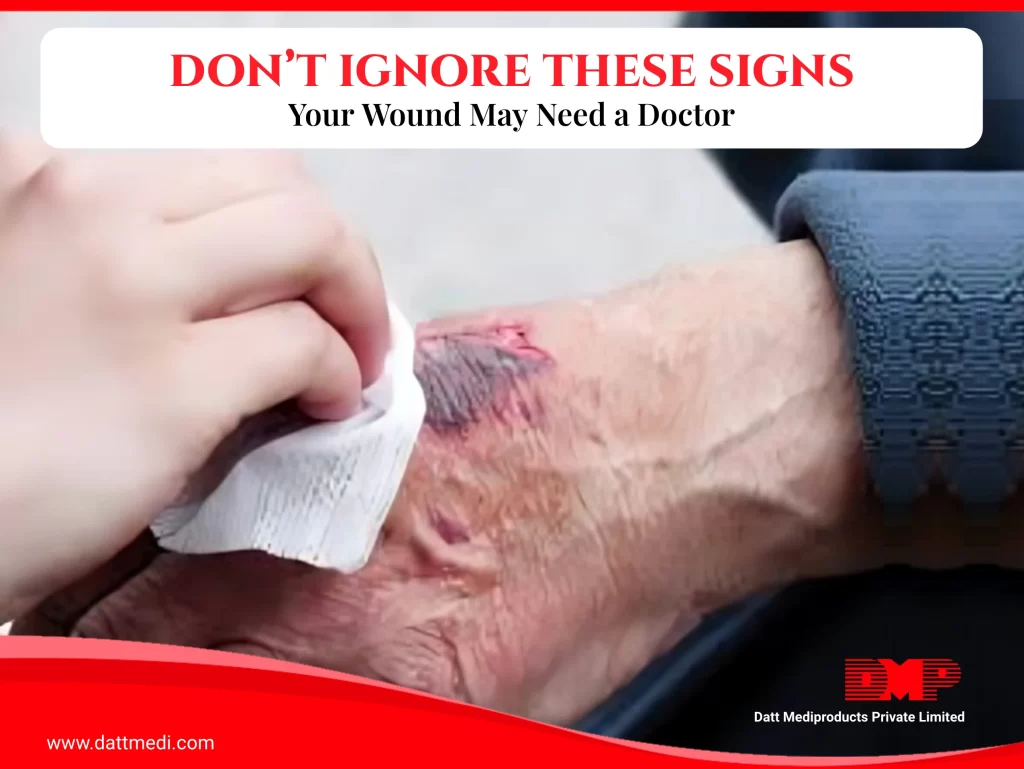
If your wound isn’t healing as expected or you get fever or flu-like symptoms or the wound shows signs of infection (such as increased redness, heat, swelling, pus, or a foul odor), seek professional medical guidance. Conditions like diabetes or circulatory issues may require specialized wound care.

Take Small Steps Toward Better Healing

Every small change—from better hydration to taking a short walk—adds up. By staying informed and committed to your healing process, you give your body the best chance to recover naturally.

Empowering You with the Right Solutions

At Datt Mediproducts, we understand the importance of optimal healing. While we don’t provide medical treatment, our advanced wound care solutions are designed to support your recovery by offering comfort, protection, and care where it matters most.

Showering with Wounds

Showering with Wounds: Tips for Staying Clean and Safe During Healing

Keeping wounds clean and dry is essential for proper healing. However, many people worry about showering with wounds or bathing with an open wound and the potential risks of exposing wounds to water. Without proper precautions, water exposure can lead to complications like infections, delayed healing, or dressing displacement.

Risks of Showering with Wounds

  • Infection Risks: Water, especially non-sterile water, can introduce bacteria into the wound, increasing the risk of infection.
  • Delayed Healing: Excessive moisture can disrupt the wound environment, causing the skin to swell, affecting moisture balance and slowing the healing process.
  • Dressing Displacement: Bathing may cause bandages or dressings to loosen or fall off, exposing the wound to contaminants.

Do’s for Wound Care When Bathing

  • Use Waterproof Dressings: Protect your wound from water exposure by using waterproof dressings, which help prevent infection and promote proper healing.
  • Cover the Wound: If waterproof dressings aren’t available, use plastic wrap or a waterproof barrier to keep the wound dry.
  • Opt for Showers Over Baths: Showers reduce the risk of soaking wounds, as water flows off the body rather than submerging the wound.

Don’ts for Wound Care When Bathing

  • Avoid Soaking: Stay away from tubs, pools, or hot tubs, as they introduce bacteria and disrupt the wound environment.
  • Don’t Rub the Wound Area: Avoid scrubbing or applying soap directly on the wound to prevent irritation or removal of protective layers.
  • Avoid High-Pressure Water: Strong water pressure can disturb scabs, disrupt dressings, or cause discomfort.

Waterproof Dressing Options

1. Adhesive Films:

Velfix® – T Film: Provides a waterproof, breathable seal to protect wounds from water exposure.

2. Foam Dressings with Borders:

Velfix® – Edge: Features an adhesive border that creates a secure seal, preventing water from entering.

3. Silicone-Based Dressings:

Velfix® – Secure (PICC): Designed for long-term wound protection with a waterproof and skin-friendly seal.

4. Adhesive Tapes:

Velpore™ – T: A strong yet gentle adhesive tape that secures dressings in place, ensuring they remain effective during showers.

Steps for Showering with a Wound

  • Prepare the Wound: Clean and dress the wound before showering to ensure protection.
  • Use Lukewarm Water: Avoid hot or high-pressure water that could irritate the wound.
  • Pat Dry Carefully: After showering, gently pat the dressing dry with a soft, clean towel.

Signs to Watch For

If you notice redness, swelling, unusual discharge, persistent discomfort, warmth around the wound, or a foul odor, contact a healthcare provider immediately. These may indicate an infection or irritation that requires medical attention.

With the right precautions and waterproof dressings, showering with a wound can be safe and manageable. Choosing high-quality products helps protect wounds and support optimal healing. Always follow your healthcare provider’s guidance for the best wound care practices.

Logo

Datt Mediproducts Private Limited

Loading