
Understanding Muscle Strains: Causes and Effective Recovery Strategies
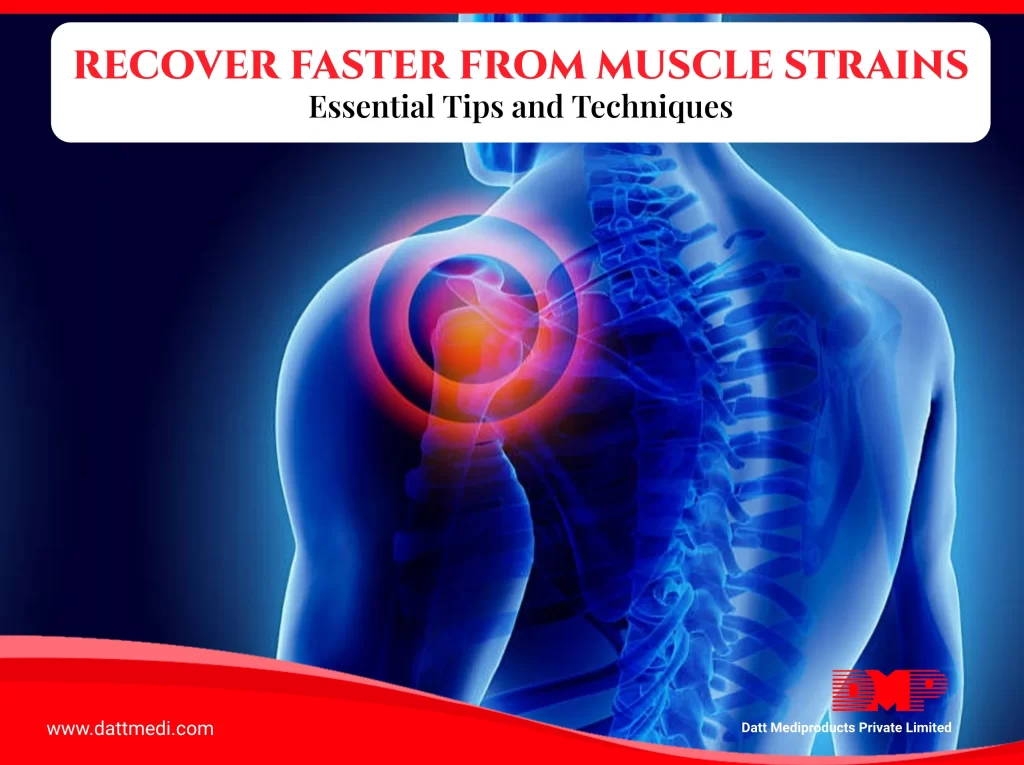
A muscle strain, or muscle pull, occurs when a muscle is overstretched or torn. This common injury can disrupt daily activities, causing pain and limiting mobility. Understanding the causes and effective recovery strategies can help you heal faster and prevent future injuries. Muscle strains typically happen when the muscle is pushed beyond its limit.
Key factors include:
- Overexertion: Intense activity without proper preparation.
- Sudden Movements: Abrupt actions, like twisting or jerking.
- Lack of Warm-up: Skipping stretching or warm-up exercises.
- Poor Posture or Repetitive Motion: These can strain muscles over time.
Recognizing the signs early helps with effective treatment:
- Sharp or throbbing pain, especially during movement.
- Inflammation in the affected area.
- Difficulty moving the muscle fully.
- Visible bruising from damaged blood vessels.
Start your recovery with these steps:
Rest: Avoid using the muscle until pain subsides.
Ice: Apply ice for 20 minutes every 2 hours to reduce swelling and numb the pain.
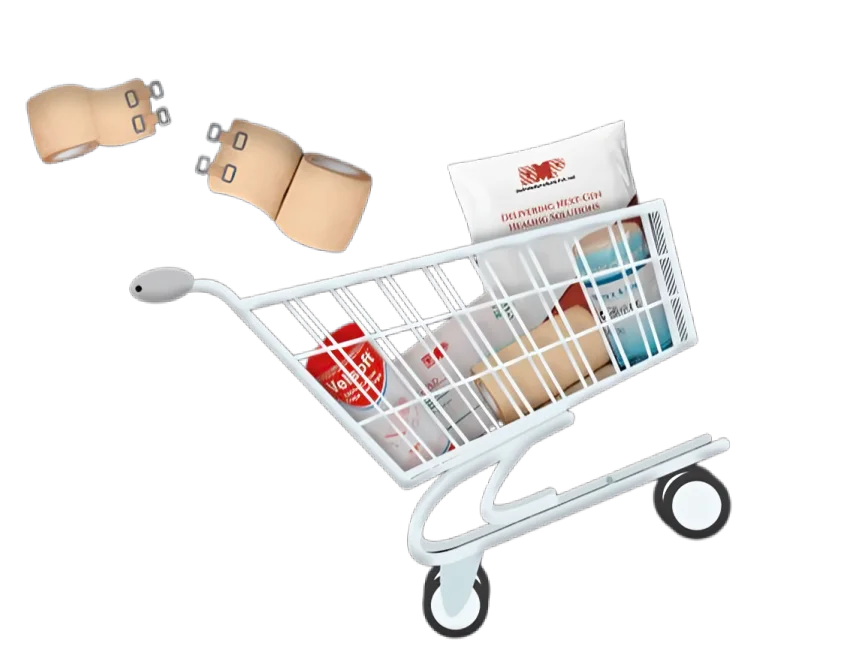
Compression: Use a compression bandage to stabilize the muscle and reduce swelling.
Elevation: Elevate the injured area to help reduce swelling.
Velcool®: Instant Cooling Relief
Cooling is one of the best ways to reduce inflammation post-activity. Cold therapy constricts blood vessels, decreases swelling, and slows inflammation. Velcool® offers a convenient and effective solution for reducing swelling and alleviating pain. Its long-lasting cooling effect ensures optimal comfort during the initial recovery phase.
Compression improves circulation and accelerates healing by reducing swelling. Our compression bandages provide targeted support to help the muscle heal more efficiently.
Cokomp™ : Reliable Compression Support
Once inflammation is controlled, compression is crucial for ongoing healing. Cokomp™ provides targeted support, ensuring consistent pressure that enhances circulation and accelerates the healing process. Its lightweight and durable material makes it a perfect choice for both acute care and ongoing recovery.
Once pain subsides:
Begin gentle stretches to restore flexibility.
Slowly incorporate exercises to rebuild muscle strength and prevent future injuries.
Don’t rush back into your normal routine.
Additional recovery tips:
- As healing progresses, physical therapy can restore range of motion.
- After 48 hours, apply heat to relax muscles and improve circulation.
- Stay hydrated and eat a balanced diet rich in protein and vitamins to support muscle repair.
When to consult a healthcare provider:
- Persistent pain despite rest.
- Inability to move the muscle.
- Severe swelling that doesn’t improve.
To reduce the risk of future strains:
- Always stretch before physical activity.
- Regular strength training can prevent strains.
- Ensure good form during exercise to avoid unnecessary strain.
By understanding muscle strains and following effective recovery strategies, you can heal faster and prevent re-injury. Our compression bandages are a key tool in your recovery, offering support and reducing swelling for quicker healing. Explore innovative solutions to support a healthier, more active season ahead.