
Search by Blog
Read by Category

Your healing journey continues beyond this blog

Find the right products for better recovery at online store
Cart Image
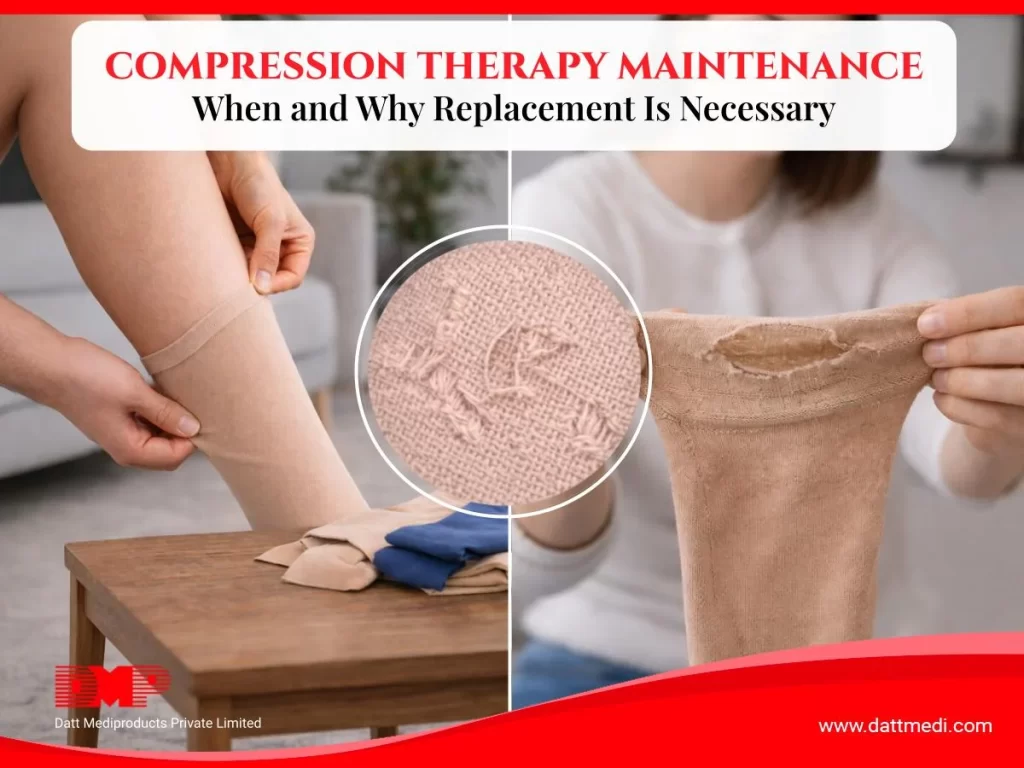
Worn-out compression stocking losing elasticity

Compression stockings rely on elastic fibres to provide consistent pressure and support. Over time, repeated wear and washing can weaken these fibres, reducing how effectively the garment works.

Even if your stockings look fine, they may no longer provide the same level of compression. Knowing what signs to look for can help you decide when it’s time for a replacement and how to keep your garments in good condition.

This blog explains how to recognize worn-out compression stockings, check their condition at home and care for them to extend their lifespan. It explains how long they last, the signs it is time for a new pair, a simple at-home stretch test, and habits that help them last longer. It is written for people who wear compression and for family members and carers who help them.

How Long Do Compression Stockings Last?

With regular daily wear, most compression stockings have a lifespan of around 3 to 6 months. However, this can vary depending on the product, frequency of use and how well it is maintained.

Healthcare guidance supports this recommendation. HSE’s varicose veins guidance, adapted from NHS content, highlights the need for regular replacement.
Northern Ireland’s formula guidance on hosiery also notes that stockings may need replacing sooner if they become damaged or fail to return to their original shape after stretching.

ProductTypical replacement guidanceWhat to watch for
Compression stockings or socks (daily wear)About 3 to 6 monthsLoose fit, slipping, stretching, damage
Compression sleevesDepends on the product and how often it is usedLooseness, reduced grip, loss of shape
Reusable compression bandagesFollow the maker’s reuse and washing instructionsLoss of stretch, damage, soiling
Single-use bandagesOne use, or as directedDo not reuse unless designed for reuse

What changes how long a stocking lasts:

  • How often you wear it (daily wear ages it faster)
  • How you wash and dry it
  • The fabric and how it is made
  • How much it is stretched when you put it on
  • Your activity level
  • Changes in leg size or swelling

If the manufacturer gives a specific replacement interval, follow that instead of a general timeline.

What Are the Signs Your Compression Stockings Need Replacing?

Replace your stockings when they feel loose, look stretched or thin, keep slipping down, or have holes or frayed seams.

What you noticeWhat it may meanWhat to do
Feels looser than when newElastic has weakenedConsider replacing
Goes on much more easily than beforeLess tensionCheck fit, then consider replacing
Slips down again and againLost stretch or gripReplace if the size is correct
Top band rolls or loses shapeWeakened materialReplace
Fabric looks thin or overstretchedWearReplace
Holes, runs or frayed seamsDamageReplace
Less support than beforeWorn elastic or a change in leg sizeRe-measure, then replace if needed

Try the 30-second stretch test. Gently stretch the fabric between your hands, then let go. It should spring back to its original shape. If it stays baggy or takes noticeably longer to recover, the elastic has probably lost its strength.

For caregivers: If the person you care for says their stockings feel "different" or keeps pulling them up, check them. Slipping and bunching can also leave marks or sore spots on fragile skin. Our guide to compression for elderly people with fragile skin explains what to look for.

Why Do Compression Stockings Lose Their Effectiveness?

Elastic fibres give compression its pressure. Repeated stretching, sweat, skin oils and washing slowly reduce that elasticity.

As a stocking ages it may:

  • Feel looser and stretch more easily
  • Lose its shape
  • Slip or roll down
  • Stop giving steady, even pressure

This is why appearance alone is not a reliable guide.

Should You Replace Compression Stockings If They Still Look Fine?

Yes, if they have reached the manufacturer’s replacement interval or have clearly lost elasticity. Elastic can weaken before holes or other damage show.

Reassess your stockings sooner if:

  • Your leg swelling changes
  • Your weight changes noticeably
  • Your measurements have changed
  • You have had surgery or a new diagnosis
  • The stocking is uncomfortable, slipping or bunching
  • Your healthcare professional changes your compression level

If your measurements have changed, read our guide on correct measurement and fit of compression garments before choosing a replacement.

How Can You Make Compression Stockings Last Longer?

Wash them as the manufacturer directs, avoid damaging the elastic and rotate at least two pairs.

  1. Wash them regularly. Many makers advise washing after each wear to remove sweat and skin oils. In hot, humid weather, sweat builds up faster, so regular washing matters even more. Check your product’s instructions.
  2. Use mild detergent only. Avoid fabric softener and bleach, which can damage elastic fibres. NHS patient leaflets commonly advise a gentle wash with non-biological detergent and no fabric conditioner.
  3. Do not wring or twist. Press out extra water gently.
  4. Dry away from direct heat. Avoid radiators, direct sun and tumble dryers unless the label says they are safe. Air drying is usually gentlest.
  5. Keep two or more pairs. Wear one while the other is washed and dried. Each pair rests between wears, which helps both last their full lifespan.
  6. Put them on carefully. Avoid snagging with nails or jewelry. Rubber gloves or a donning aid reduce stretching and make putting them on easier, especially for older people or carers helping someone else.
  7. Note the start date. Write the first-use date on the packet or a calendar so you know when the replacement interval is due.

How many washes is that? The NHS Wilt shire Clinical Commissioning Group’s Medicines Management Team guidance states that compression stockings should last approximately 100 washes when properly cared for. It recommends having two stockings per leg, so one can be worn while the other is washed and dried. The guidance uses this washing and rotation schedule to support replacement twice a year.

What About Compression Bandages, Sleeves and Wraps?

The same rule applies: when the elastic loses its stretch or the garment is damaged, it no longer gives the support it was chosen for.

  • Reusable bandages should be washed and reused only as the maker instructs. Replace them when they lose stretch, fray or become soiled.
  • Single-use bandages are not meant to be reused.
  • Compression sleeves should be replaced when they lose grip or shape.
  • Compression wraps are often replaced about every six months in NHS patient leaflets, but follow your product’s guidance.

Not sure which suits you? Read Compression Bandages vs. Compression Stockings. For how compression supports healing, see Compression Therapy in Wound Healing.

When Should You Speak to a Healthcare Professional?

Speak to a doctor or nurse if your swelling changes, the stocking is uncomfortable, your skin is irritated, or you are unsure your compression level is still right.

Seek advice if:

  • Swelling appears suddenly or gets much worse
  • One leg is clearly more swollen than the other (see why one leg swells more than the other)
  • You develop skin irritation, blisters or colour changes
  • Your leg feels numb
  • Your toes turn unusually cold, pale or bluish
  • The compression feels too tight

Get urgent medical help if you have sudden swelling in one leg with pain, warmth or redness. This can be a sign of a blood clot (deep vein thrombosis). The NHS advises calling 999 or going to Accident and Emergency if DVT symptoms come with chest pain or breathlessness. In India, call 112 or go to the nearest emergency department.

Do not change your size or compression level on your own. Re-measure and get professional advice.

What Happens If You Keep Wearing Worn-Out Compression Stockings?

A worn stocking may not give the intended level or evenness of compression. It may feel loose, slip, lose shape, press unevenly or become uncomfortable. If a stocking has lost its elasticity or no longer fits properly, replacing it is generally better than relying on it.

Quick Checklist: Is It Time for New Compression Stockings?

  • Has it been 3 to 6 months of daily wear, or the interval the maker states?
  • Does it feel looser than when new?
  • Does it slip, roll or bunch?
  • Is the fabric thin, stretched, holed or frayed?
  • Does it fail the stretch test?
  • Has your swelling, weight or measurements changed?

If you answered yes to any of these, check the fit and plan a replacement. For everyday venous support, explore Velcare® Varicose Vein Compression Stockings or the DMP Compression Bandage range. Managing varicose veins? Our guide to varicose veins covers causes and daily care.

This article is general information and does not replace advice from your doctor, nurse or pharmacist.
Related Reading

Visit www.dattmedi.com for more infomation.
Share:

Frequnently Asked Questions

Most stockings worn daily need replacing every 3 to 6 months. The manufacturer’s instructions, how often you wear them, how you wash them and their condition should decide the exact timing.

Look for looseness, stretching, slipping, lost shape, damaged fabric or less support. If they feel much easier to put on than when new, or fail the stretch test, the elastic has probably weakened.

Check the manufacturer’s replacement interval even if they look undamaged. Elasticity can fall before holes or visible wear appear.

Some manufacturers and NHS prescribing guidance suggest around 100 washes, but check your product label. Wash gently with mild detergent, skip fabric softener and bleach, and dry away from direct heat.

Two or more pairs is ideal. You can wear one while the other is washed and dried, and each pair lasts longer.

Recent Blogs
Venous Health and Compression Therapy

Understanding Venous Insufficiency: The Role of Compression in Managing Symptoms

World Heart Day, observed annually on September 29, focuses on promoting cardiovascular health worldwide. An essential but often overlooked aspect of cardiovascular wellness is venous health, which plays a critical role in overall circulation and mobility. 

Compression therapy has emerged as a cornerstone in managing venous insufficiency and related disorders, offering effective support for improved circulation and symptom relief.

Understanding Venous Insufficiency and Varicose Veins

1. Venous Insufficiency:

This condition arises when the veins, especially in the lower limbs, fail to efficiently return blood to the heart. It results in blood pooling, leading to symptoms such as leg swelling, heaviness, pain, and fatigue. Normally one-way valves or muscles pump blood back to the hear, but in venous insufficiency the valves are weakened or damaged causing blood to flow backwards or pool in the legs.

2. Varicose Veins:

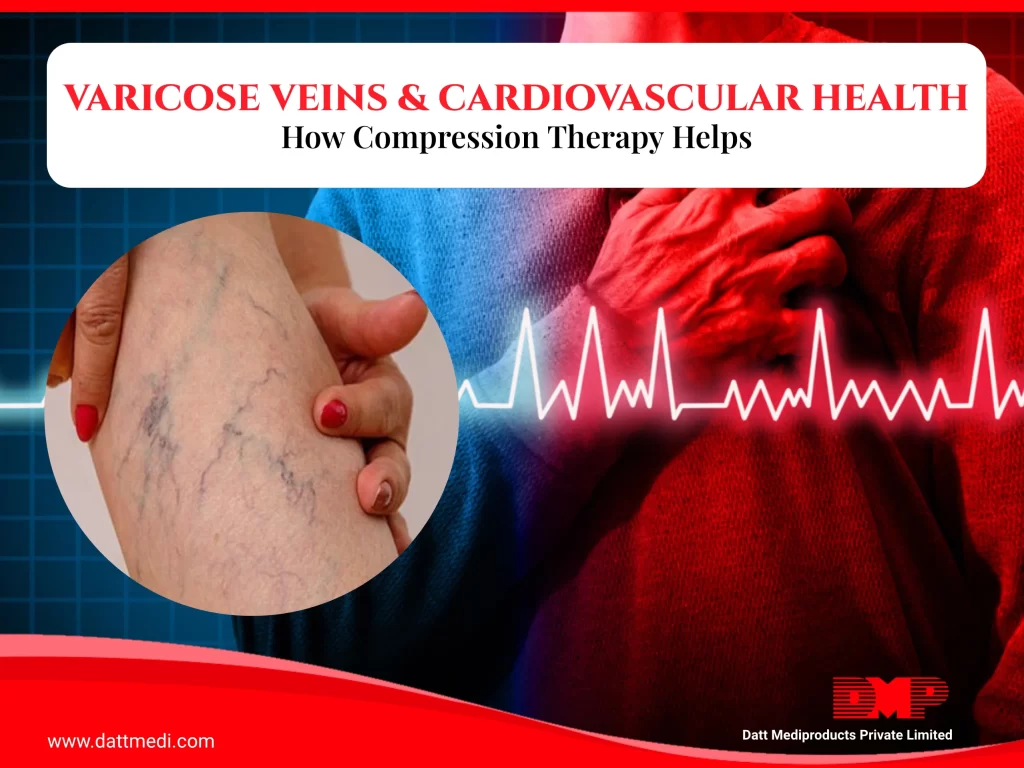
This is one of the by products of venous insufficiency. Caused by weakened vein walls and malfunctioning valves, varicose veins are dilated, twisted veins visible under the skin surface. These can cause discomfort, skin changes, and increase the risk of ulcers if left unmanaged.

Role of Compression Therapy in Venous Health

Compression therapy applies controlled, graduated pressure to the legs, enhancing venous return by supporting vein walls and valves. This mechanical assistance:

  • Improves blood flow velocity
  • Reduces venous pressure and pooling
  • Minimizes edema (swelling) and associated discomfort and pain
  • Improves micro circulation in tiny blood vessels which is crucial for tissue oxygenation and healing 

Benefits of Compression Therapy for Cardiovascular Health

  • Enhanced Circulation: Promotes efficient blood return to the heart, thereby reducing risks of deep vein thrombosis (DVT) and venous stasis.
  • Symptom Management: Compression alleviates pain, swelling, and skin changes, improving patient mobility and quality of life.
  • Post-Surgical Recovery: Compression therapy accelerates healing after vein surgery or injury by controlling inflammation and supporting tissue repair.

Scientific Backing and Clinical Guidelines

Multiple clinical studies and guidelines from vascular health authorities endorse the use of compression therapy as a first-line, evidence-based treatment for venous insufficiency and related conditions. 

Compression products that deliver consistent and graduated pressure are shown to significantly reduce recurrence rates of venous ulcers and improve functional outcomes.

How DMP Supports Your Venous Care Needs

At DMP, we provide a comprehensive portfolio of premium compression therapy products tailored to address diverse clinical requirements and patient needs. Our offerings are designed to support effective venous health management with a focus on comfort, durability, and therapeutic efficacy.

Velcare® Varicose Vein Stocking:

Engineered for superior comfort and long-lasting durability, these stockings are available in multiple compression classes to suit varying degrees of venous insufficiency and post-operative care. Velcare® is ideal for daily use, providing reliable support to alleviate symptoms associated with chronic venous conditions.

Velkomp® Compression Bandage:

Designed to deliver firm, adjustable compression, Velkomp® is recommended for managing post-injury recovery and chronic venous disorders. These inelastic, non-stretch bandages offer higher compression levels essential for controlling edema and supporting healing in cases of venous ulcers and lymphedema.

All our products are manufactured under strict quality controls and comply with international standards, including ISO 13485 and CE certification, ensuring consistent safety, reliability, and clinical effectiveness.

Venous health plays a pivotal role in overall cardiovascular wellness, making effective management essential to prevent complications and enhance quality of life. 

Incorporating compression therapy into patient care protocols is a proven strategy that delivers measurable benefits, from symptom relief to accelerated recovery.

On this World Heart Day, we reaffirm our commitment to supporting healthcare professionals and patients with advanced compression solutions that align with the highest standards of care. 

Early intervention and sustained management with DMP’s trusted products can significantly improve venous circulation and long-term cardiovascular health outcomes.

The Role of Compression Therapy

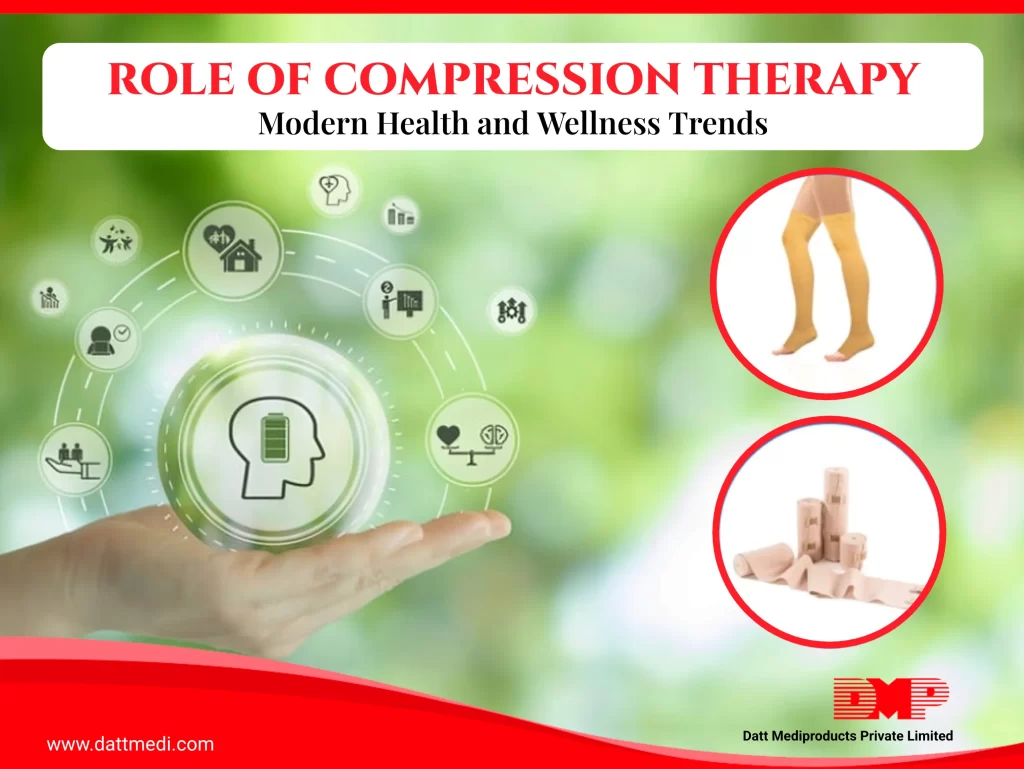
Compression Therapy: A Key Trend in Modern Wellness Routines

In today’s evolving wellness landscape, compression therapy has become a trusted and evidence-based practice. From elite athletes and healthcare professionals to individuals managing chronic conditions or sedentary lifestyles, compression products are now integral to modern self-care.

By improving circulation, reducing swelling, and supporting muscle health, compression therapy blends medical efficacy with everyday wellness—making it more accessible and beneficial than ever before.

1. Compression Therapy and Athletic Performance

Athletes across all disciplines are increasingly using compression therapy to improve outcomes on and off the field.

Improved Blood Flow:

Graduated compression supports venous return, helping muscles function more efficiently during strenuous activity.

Reduced Muscle Strain:

Aids in clearing metabolic waste like lactic acid, limiting inflammation and easing post-exercise soreness.

Enhanced Recovery Window:

Promotes faster readiness between training sessions by minimizing strain and supporting tissue repair.

Today, compression garments and wraps are a standard part of professional sports recovery protocols.

2. Compression Therapy in Injury Prevention and Healing

Whether after a sprain, strain, or surgery, compression therapy plays a vital role in musculoskeletal support.

  • Controls Swelling (Edema): Facilitates lymphatic drainage from muscles & surrounding tissues, minimizing fluid build-up, inflammation and discomfort.
  • Provides Stability: Delivers targeted pressure to support ligaments and muscles during healing.
  • Boosts Oxygen Delivery: Improves nutrient supply and waste removal at the affected site, aiding tissue regeneration and reducing strain & fatigue.
This makes compression an essential component of post-surgical care, orthopedic treatment plans, and rehabilitation.

3. Daily Health and Wellness Benefits

Compression is not limited to sports or medical recovery—it supports everyday health and preventive care.

  • Reduces Leg Tiredness:
    Particularly helpful for professionals like nurses, teachers, and frequent travelers who spend long hours standing or sitting.
  • Manages Varicose Veins & Chronic Venous Insufficiency (CVI):
    By applying gentle graduated pressure, compression stockings prevent blood from pooling in the veins, reducing discomfort, heaviness, and swelling in the legs.
  • Supports Circulation in Sedentary Lifestyles:
    Maintains healthy blood flow in lower extremities during prolonged immobility, reducing the risk of complications linked to poor venous return.
Modern compression stockings and bandages provide discreet, all-day support for busy routines.

4. DMP’s Trusted Compression Solutions

At Datt Mediproducts, we deliver high-performance compression solutions tailored to diverse needs:

Velkomp® Compression Bandage:

  • Adjustable pressure for injury management and swelling control
  • Ideal for sports recovery, post-operative support, and general care

Velcare® Varicose Vein Stocking:

  • Promotes circulation in the lower limbs
  • Recommended for daily use by professionals and patients with venous disorders

👉 If you’re curious : Click Here to Explore our full range of compression products

5. Integrating Compression into Wellness Routines

Wellness goes beyond fitness—it’s about balance and consistency. Compression can be seamlessly included into everyday life:

  • During or after workouts for improved performance and recovery
  • At work or during travel to limit swelling and discomfort
  • Alongside hydration, stretching, and nutrition to strengthen overall health outcomes

6. Backed by Science

Clinical evidence highlights that compression therapy:

  • Enhances venous return and reduces pooling in extremities
  • Supports healing in post-operative and trauma cases
  • Improves endurance and physical comfort when used consistently

7. Comfort and Modern Design

Today’s compression products are designed with convenience in mind:

  • Lightweight, breathable, and skin-friendly materials
  • Easy to wear discreetly under clothing
  • Simple to maintain for daily and long-term use
Far from the bulky models of the past, modern solutions combine medical effectiveness with everyday wearability.

8. The Future of Compression in Health & Wellness

Compression therapy is expanding beyond hospitals to become a lifestyle choice. Innovations on the horizon include:

  • Smart wearables that adjust pressure in real time
  • Sustainable fabrics and user-focused designs for improved comfort
Compression is no longer just a medical necessity—it’s a proactive wellness essential.

Whether you’re an athlete, recovering from an injury, or seeking to improve circulation during daily routines, compression therapy provides practical, science-backed support. At Datt Mediproducts, we are proud to offer innovative solutions that address the evolving needs of modern consumers.

Logo

Datt Mediproducts Private Limited

Loading
Buy Now Contact Us