


Search by Blog
Read by Category

Your healing journey continues beyond this blog

Find the right products for better recovery at online store
Cart Image
Winter Foods to keep you Healthy

With winter approaching fast, people are making a lot of changes to their everyday routine; winter coats need to be brought out, the thicker blankets will be on the bed, and heavy-duty moisturizers will be on the vanity. That’s about it right?

No! There is a lot more than you need to do to make sure that you are prepared to give winter your best shot!

Winters come with colds, coughs, and weight gain. It is important to eat a healthy and well-nourished diet. This will help keep the immune system strong, which in turn will protect us from catching illnesses and winter lows.

This list of healthy foods types and tips for winter will help you take care of your health, and ensure that you receive the required nutrients:

Make time for a Healthy Breakfast: Breakfast is the most essential meal of the day. Oats are not just a convenient food but a great start to your morning. Oats provide essential winter nutrients like zinc and soluble fibers. These nutrients play an important role in a healthy heart.

Tip: Seasonal fruits like apples, pears, dates, or nuts could be used as toppings with oatmeal to add some extra tasty health benefits.

Root Vegetables: These are the gems of the earth as they grow under the soil and absorb all the proper nutrients that are available. They are not only rich in fiber but are also delicious and sweet and are a good option to be used in soups and stews. They are a good source of Vitamins and help relieve cold symptoms.

Tip: Roasted carrots can give a good dose of beta-carotene, or boiled turnips can boost vitamins C and A. Beets, turnips, parsnips, are other root vegetables with a lot of health benefits.

Foods rich in Vitamin C: Foods like root vegetables, citrus fruits, red peppers, tomatoes should be added to the meals as they contain Vitamin C. Vitamin C is very important as it enhances immunity and energy levels.

Cruciferous Vegetables: Cruciferous vegetables like broccoli and cauliflower help enhance the immunity. They are an amazing defense against winter sicknesses, as both are rich sources of Vitamin C, which is an essential nutrient for winters.

Soup: Chicken broth or vegetable broth soups could be a perfect food option for winters. Or you could make a hearty vegetable base soup like a pumpkin soup.

Foods Rich in Zinc: Winter is the season of colds and flu because we come in contact with a greater number of viruses. Zinc contributes to protecting us against colds & flu.

Tip: Spinach, Oysters, Legumes are good sources of zinc.

Eat foods rich in Iron: Green leafy vegetables, red meats etc. are a good source of iron which helps strengthen our immune system and fight flu viruses.

Vitamin B12: Vitamin B12 is a unique vitamin helps keep our nerves working properly and makes healthy blood cells. Proper B-12 levels reduce fatigue and tiredness.

Tip: Vitamin B12 is found in milk, eggs, cheese, and fish like salmon and cod.

Avocado: This fruit has gained a lot of popularity, and rightly so! It is an excellent source of monosaturated fats, magnesium, and potassium! This fruit helps reduce bad cholesterol and provides your body with the healthy fat needed to absorb nutrients from the food.

Green Tea: Green Tea is an ideal hot beverage for winters as it contains vitamins and minerals. Green tea also contains antioxidants like catechins, which help fight viruses.

Sticking to a healthy diet won’t prevent you from picking up winter illnesses, but it can help maintain your immune system to better protect you. And should you fall ill, a nutritious diet can help speed up your recovery.

So, don’t wait to get sick this winter. Eat Healthy and Stay Fit.
We @ Datt Mediproducts wish you Happy & Healthy winters.
Visit www.dattmedi.com for more infomation.
Share:
Recent Blogs

Allergies are a common health issue that affect a significant portion of the population worldwide. Allergies are a hypersensitive reaction of the immune system to an otherwise harmless substance, which is known as an allergen. The allergen can be any substance that triggers an allergic reaction in the body, such as pollen, dust, food, or animal dander.

Allergies are caused due to the abnormal response of the immune system, which mistakes a harmless substance for a harmful invader and initiates a defence mechanism, called antibodies, to protect the body from it. This results in various allergic reactions, such as skin rashes, itching, sneezing, watery eyes, and in severe cases, anaphylaxis.

There are various reasons behind the occurrence of allergies. Genetics plays a significant role in determining an individual’s likelihood of developing allergies. Environmental factors such as exposure to pollution, chemicals, and toxins can also trigger allergies.

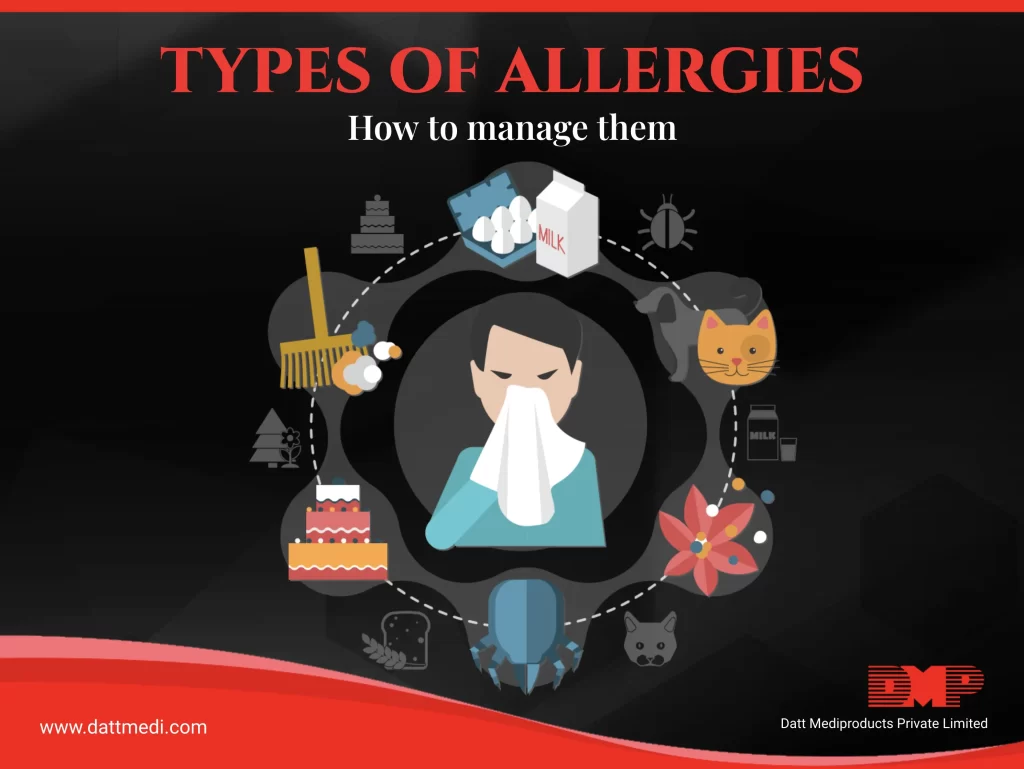
There are several different types of allergies, each with their unique symptoms and triggers.

Some of the most common types of allergies include:

1. Respiratory allergies:

These allergies are triggered by airborne allergens such as pollen, dust mites, and animal dander. The symptoms of respiratory allergies include sneezing, coughing, and wheezing.

2. Food allergies:

These allergies occur when the immune system reacts to certain foods, such as nuts, shellfish, and eggs. Symptoms of food allergies can range from mild itching, tingling in the mouth, hives, swelling of the lips, tongue, face or throat to more severe life-threatening anaphylaxis.

3. Skin allergies:

These allergies occur when the skin comes into contact with an allergen, such as certain fabrics, metals, or cosmetics. The symptoms of skin allergies include rashes, itching, and swelling.

4. Insect allergies:

These allergies occur when an individual is bitten or stung by an insect, such as bees or mosquitoes. The symptoms of insect allergies can range from mild itching to severe anaphylaxis.

5. Medicine allergies:

Medicine allergies are hypersensitive reactions of the immune system to certain medications. They can cause symptoms like skin rashes, itching, swelling, and in severe cases, difficulty breathing or anaphylaxis. It is important to communicate medicine allergies to healthcare providers to ensure safe and effective treatment.

Precautionary methods can be taken to manage allergies. Firstly, it is crucial to identify the allergen that triggers the allergic reaction. This can be done through various tests such as skin tests or blood tests. Once the allergen is identified, it is essential to avoid exposure to it. For example, individuals with food allergies must avoid eating the allergen-containing food.

Similarly, those with respiratory allergies must avoid exposure to airborne allergens, such as pollen or animal dander. If a person has a known severe allergy then they can also wear a medical alert bracelet, which lets others know that you have a serious allergy incase they are unable to communicate it.

Medications such as antihistamines, decongestants, and corticosteroids can be used to manage allergy symptoms. In severe cases, epinephrine injections may be required to manage anaphylaxis.

In addition to medication, several lifestyle changes can also help manage allergies. One of the most important being to try to reduce stress levels. While stress can’t trigger an allergic reaction it can make it worse if you are having one. When in stress your body releases hormones including histamine, which is a powerful chemical that leads to allergy symptoms thus making the reaction worse.

Allergies can significantly impact the lives of those who suffer from them. However, with proper management, it is possible to reduce the severity of allergy symptoms. If you suspect that you have an allergy, it is important to seek medical advice and get a proper diagnosis.

We advice to follow precautionary methods and working with a healthcare professional, that can help you manage allergies and improve your quality of life. Follow us for more such information.

Yoga is an ancient practice ,around for centuries, and can help with overall health. It has been said that “Our breathing process – the way we inhale, hold our breath, and exhale – can change our mind and our body in a positive way,” It is a great practice through which you can improve your physical and mental wellness.

(more…)

Logo

Datt Mediproducts Private Limited

Loading