Search by Blog
Read by Category

Your healing journey continues beyond this blog

Find the right products for better recovery at online store
Cart Image
Winter Foods to keep you Healthy

With winter approaching fast, people are making a lot of changes to their everyday routine; winter coats need to be brought out, the thicker blankets will be on the bed, and heavy-duty moisturizers will be on the vanity. That’s about it right?

No! There is a lot more than you need to do to make sure that you are prepared to give winter your best shot!

Winters come with colds, coughs, and weight gain. It is important to eat a healthy and well-nourished diet. This will help keep the immune system strong, which in turn will protect us from catching illnesses and winter lows.

This list of healthy foods types and tips for winter will help you take care of your health, and ensure that you receive the required nutrients:

Make time for a Healthy Breakfast: Breakfast is the most essential meal of the day. Oats are not just a convenient food but a great start to your morning. Oats provide essential winter nutrients like zinc and soluble fibers. These nutrients play an important role in a healthy heart.

Tip: Seasonal fruits like apples, pears, dates, or nuts could be used as toppings with oatmeal to add some extra tasty health benefits.

Root Vegetables: These are the gems of the earth as they grow under the soil and absorb all the proper nutrients that are available. They are not only rich in fiber but are also delicious and sweet and are a good option to be used in soups and stews. They are a good source of Vitamins and help relieve cold symptoms.

Tip: Roasted carrots can give a good dose of beta-carotene, or boiled turnips can boost vitamins C and A. Beets, turnips, parsnips, are other root vegetables with a lot of health benefits.

Foods rich in Vitamin C: Foods like root vegetables, citrus fruits, red peppers, tomatoes should be added to the meals as they contain Vitamin C. Vitamin C is very important as it enhances immunity and energy levels.

Cruciferous Vegetables: Cruciferous vegetables like broccoli and cauliflower help enhance the immunity. They are an amazing defense against winter sicknesses, as both are rich sources of Vitamin C, which is an essential nutrient for winters.

Soup: Chicken broth or vegetable broth soups could be a perfect food option for winters. Or you could make a hearty vegetable base soup like a pumpkin soup.

Foods Rich in Zinc: Winter is the season of colds and flu because we come in contact with a greater number of viruses. Zinc contributes to protecting us against colds & flu.

Tip: Spinach, Oysters, Legumes are good sources of zinc.

Eat foods rich in Iron: Green leafy vegetables, red meats etc. are a good source of iron which helps strengthen our immune system and fight flu viruses.

Vitamin B12: Vitamin B12 is a unique vitamin helps keep our nerves working properly and makes healthy blood cells. Proper B-12 levels reduce fatigue and tiredness.

Tip: Vitamin B12 is found in milk, eggs, cheese, and fish like salmon and cod.

Avocado: This fruit has gained a lot of popularity, and rightly so! It is an excellent source of monosaturated fats, magnesium, and potassium! This fruit helps reduce bad cholesterol and provides your body with the healthy fat needed to absorb nutrients from the food.

Green Tea: Green Tea is an ideal hot beverage for winters as it contains vitamins and minerals. Green tea also contains antioxidants like catechins, which help fight viruses.

Sticking to a healthy diet won’t prevent you from picking up winter illnesses, but it can help maintain your immune system to better protect you. And should you fall ill, a nutritious diet can help speed up your recovery.

So, don’t wait to get sick this winter. Eat Healthy and Stay Fit.
We @ Datt Mediproducts wish you Happy & Healthy winters.
Visit www.dattmedi.com for more infomation.
Share:
Recent Blogs

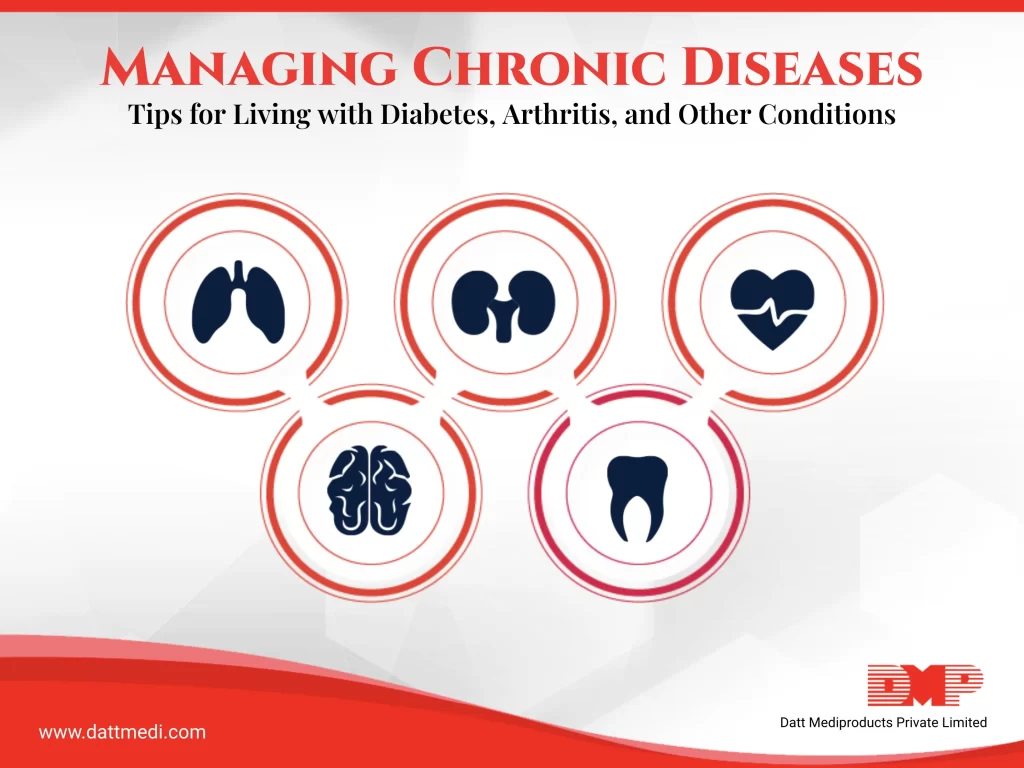
Chronic diseases are conditions that must be managed continuously and have a big effect on a person’s quality of life. Diabetes, rheumatoid arthritis, heart disease, and cancer are a few of the most prevalent chronic illnesses. Although managing these illnesses can be difficult, it is doable with the correct approaches and lifestyle modifications. This blog will cover all aspects of offering helpful guidance for treating various chronic conditions at home. You will know about the preventive measures you need to take to reduce and regulate your condition in a short time.

Chronic diseases are long-term conditions that typically progresses slowly over time and requires ongoing medical attention and management. Unlike acute conditions, which are typically short-term, chronic diseases often require ongoing medical care and lifestyle modifications to prevent complications and improve quality of life. There are many different types of chronic diseases, each with their own unique symptoms, causes, and treatment options.

Here are some of the most common types of chronic diseases:

  • Heart diseases
  • Diabetes
  • Arthritis 
  • Lung cancer
  • Osteoporosis
  • Colorectal cancer
  • Depression 
  • Asthma
  • Type 2 diabetes

Preventive measures you can take at home to regulate chronic diseases

Chronic diseases can significantly impact a person’s quality of life, but with proper management and medical care, it is possible to live well with these conditions. In addition to routine doctor visits, a healthy diet, and prescription medicine, certain efficient preventive actions might help you feel better quickly. 

These tips work with medical attention side-by-side to provide you with more pain relief and improve your daily functionalities. Take a look at the best tips to manage chronic diseases below.

Tip 1: Follow a Healthy Diet

A healthy diet is essential for managing chronic diseases. A balanced diet rich in fruits, vegetables, whole grains, and lean protein can help people manage blood sugar levels, lower the risk of inflammation, and keep a healthy weight.

Tip 2: Stay Active

Regular exercise can help treat, delay, or prevent chronic diseases. Aim for at least 150 minutes each week of physical activity, such as walking or cycling. Moreover, two days of strength-training exercises. Low-impact activities like walking, swimming, and yoga are great options for people with arthritis, while resistance training can help build strength and improve bone health.

Tip 3: Get Enough Sleep

Getting enough sleep is important for overall health and well-being, but it’s especially important for people with chronic diseases. Inflammation, blood sugar levels, and weight growth can all be impacted by sleep deprivation. Set a consistent sleep routine and aim for 7-9 hours of sleep each night.

Tip 4: Manage Stress

Stress can have a significant impact on chronic diseases by increasing inflammation, blood pressure, and blood sugar levels. The ability to manage stress through practises like yoga, deep breathing, or meditation can enhance general well-being and lower the risk of problems from chronic illnesses.

Tip 5: Take care of your Mental Health

Fatigue, body pain, and other prevailing symptoms of chronic illness are often invisible, so others may not always be able to assess their impact. Worrying and thinking adversely about potential circumstances can cause anxiety and stress, which can have an adverse effect on general health. Working on mental health concerns should be done in consultation with a doctor. 

Tip 6: Take Medications as Prescribed

Managing chronic diseases often involves taking medications to control symptoms and prevent complications. It’s critical to follow up frequently to check on the effectiveness of your meds and to take them as directed by your physician. Talk to your doctor or chemist about any side effects or worries.

Living with chronic diseases like diabetes, arthritis, and other conditions can be challenging, but by following these tips, it’s possible to manage them effectively. A healthy diet, regular exercise, adequate sleep, stress management, medication adherence, and staying informed are all key components of managing chronic diseases. By working with healthcare providers, making lifestyle changes, and taking control of your health, you can live a full and active life with chronic diseases.

We advice to stay informed about your condition and its management is essential for living well with chronic diseases. Attend support groups, read reputable sources of information, and ask your healthcare provider any questions you may have. This can help you better understand your condition and how to manage it effectively. Follow us for more such information.

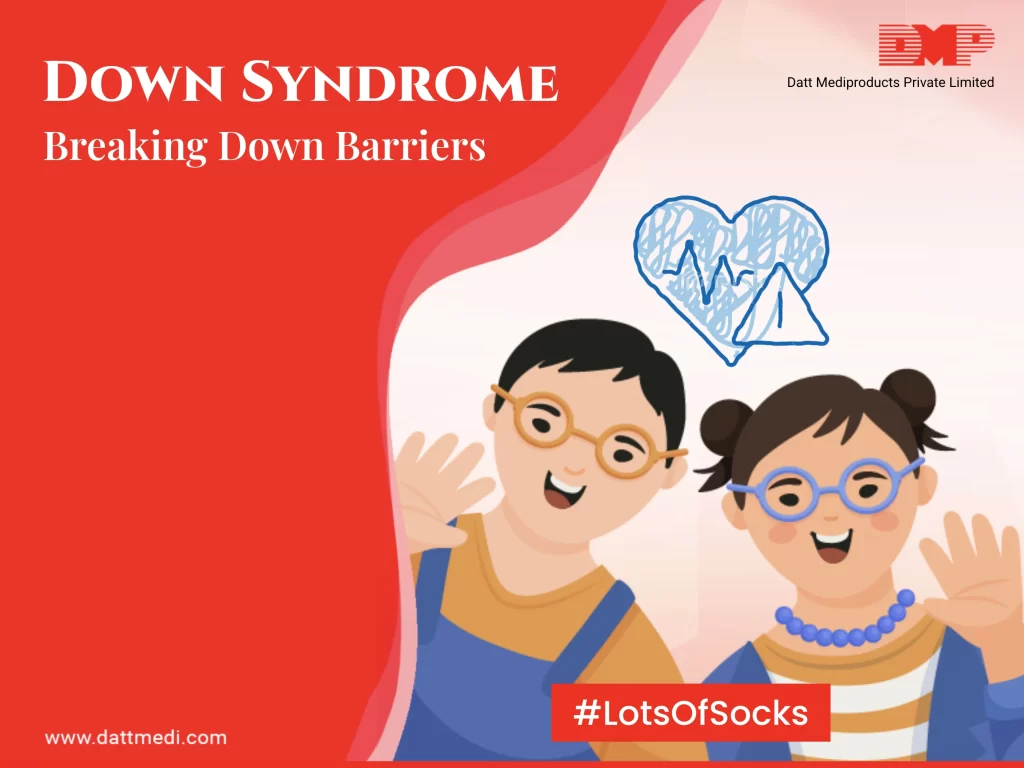
DOWN SYNDROME Breaking Down Barriers

Down Syndrome, also called Trisomy 21, is a genetic condition in which a person has an extra
chromosome. This leads to physical and intellectual disabilities and certain other associated medical issues among children such as hearing loss, obstructive sleep apnea, ear infections, eye diseases or heart defects.

Even though people with Down Syndrome may act or look similar, they have varying degrees of abilities. Their IQ range from mild to moderate and they usually speak slower than normal children. There is no known cause of Down Syndrome. However, with the right support and opportunities, people with Down Syndrome can lead happy and fulfilling lives.

(more…)
Logo

Datt Mediproducts Private Limited

Loading