

Search by Blog
Read by Category

Your healing journey continues beyond this blog

Find the right products for better recovery at online store
Cart Image
Wound Care for Traveler's: Tips for On-the-Go Healing

Wound Care for Travelers: Tips for On-the-Go Healing

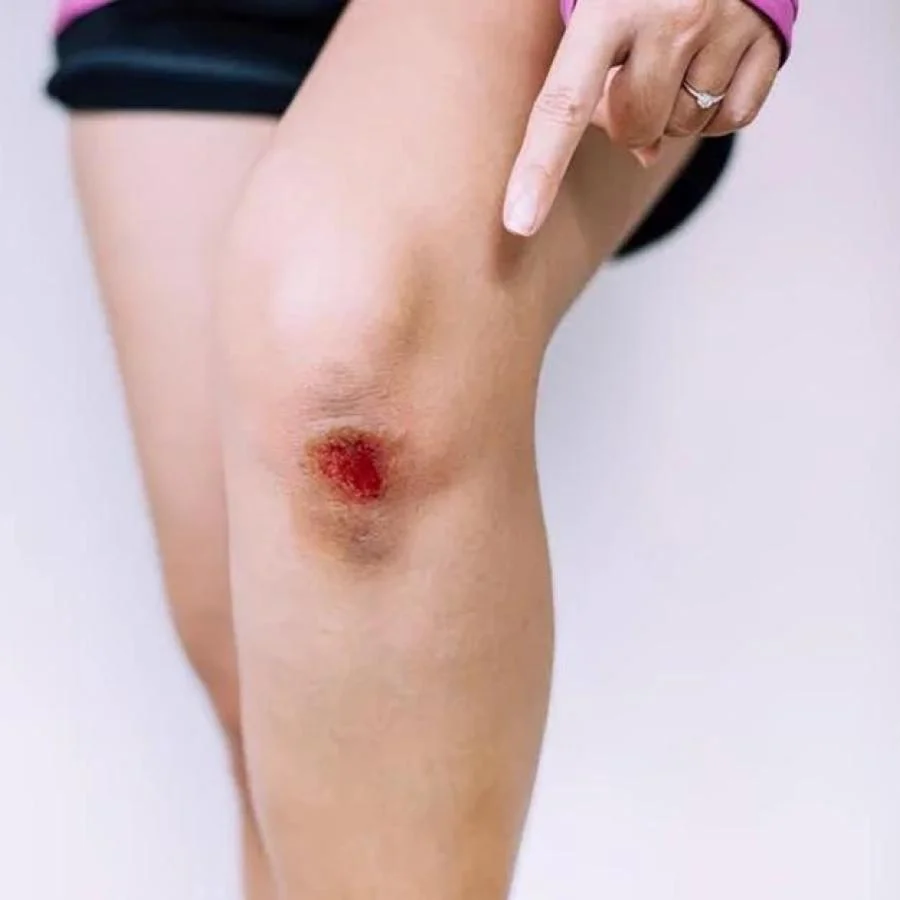
As travelers, we often find ourselves exploring new landscapes, engaging in adventurous activities, or simply navigating bustling city streets. With such dynamic experiences comes the risk of minor injuries or wounds. Whether it’s a scraped knee from hiking, a blister from walking, or a cut from exploring unfamiliar terrain, proper wound care is essential to ensure a smooth and safe journey.

In this blog, we’ll explore key considerations for travelers when it comes to wound care, focusing on portability, convenience, and effectiveness in various environments.

Portability and Convenience:

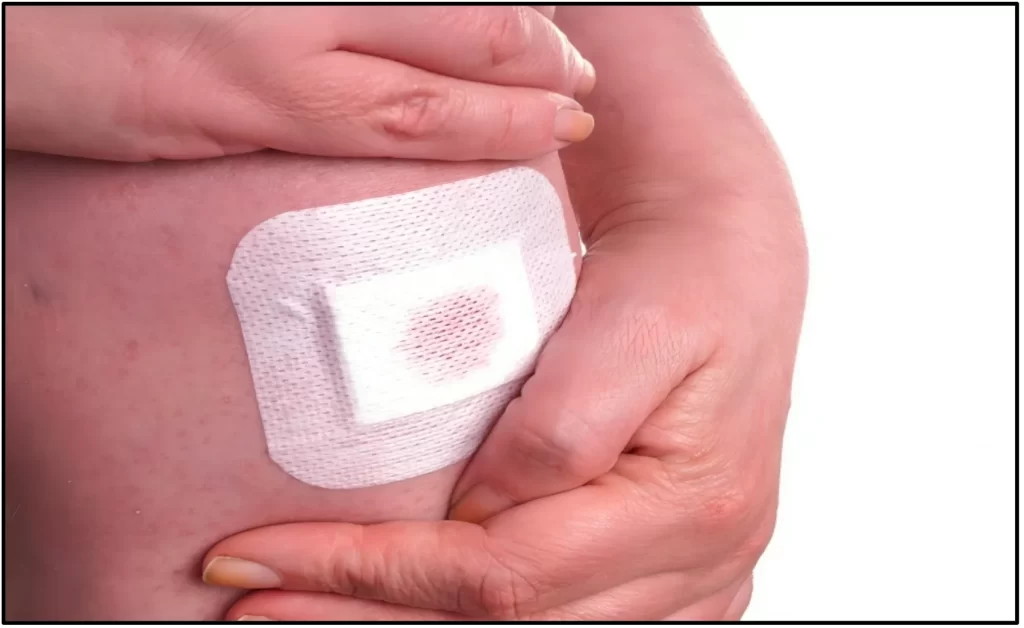
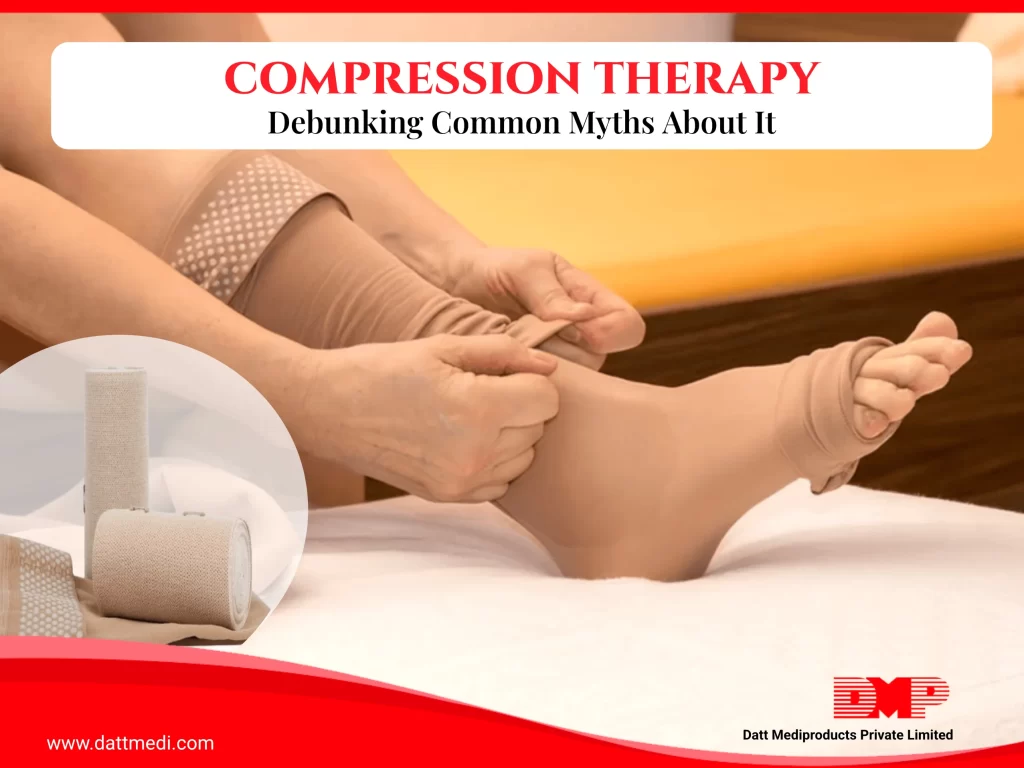
When traveling, space in our bags is precious, and carrying bulky medical supplies is often impractical. Opt for compact wound care products that are lightweight and easily portable. Look for individually wrapped items or travel-sized kits that include essentials like adhesive bandages, antiseptic wipes, and gauze pads. These items should be readily accessible in your travel bag or first aid kit, ensuring quick access in case of emergencies. Consider adding our woven cohesive moderate compression bandage- Velsoft®-Plus to your kit for added support and compression.

Adhesive Strength for Active Movement:

Travelers are often on the move, whether hiking through rugged terrain, exploring urban environments, or engaging in water activities. Therefore, it’s crucial to choose wound dressings with strong adhesive properties that can withstand active movement. Look for adhesive bandages specifically designed for sports or active lifestyles, as they offer enhanced durability and stay in place even during rigorous physical activities. 

DO YOU KNOW –
Our product Velsoft®-Plus provides self-adhesive, non-sticky support, ideal for active movement for the travelers on the go.

Moisture Control for Varied Environments:

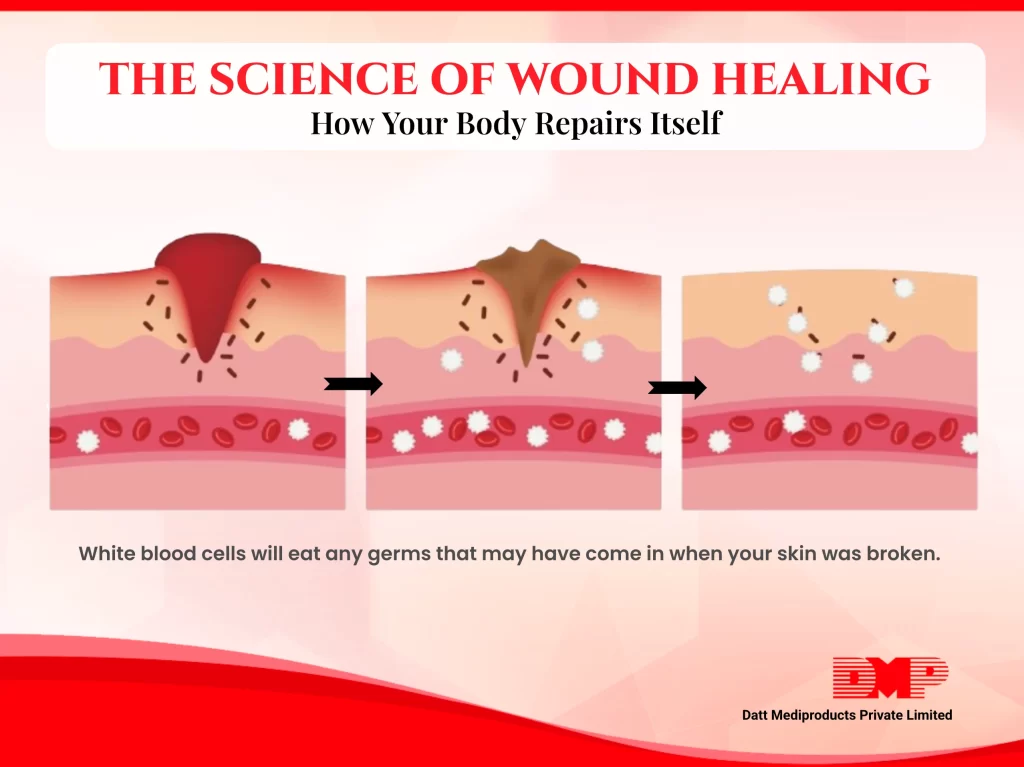
Traveling exposes us to diverse climates and environments, from humid tropical regions to arid deserts. Proper moisture control is essential for promoting optimal wound healing and preventing infection. Consider using advanced wound dressings with moisture-absorbing capabilities, such as hydrocolloid or foam dressings. These dressings create a moist wound environment conducive to healing while also providing a barrier against external contaminants.

Protection Against Environmental Contaminants:

Traveling exposes us to various environmental hazards, including dirt, dust, bacteria, and other contaminants. Ensure your wound care products offer adequate protection against these elements. Waterproof and breathable dressings are ideal for maintaining a clean and sterile environment around the wound, preventing contamination from external sources. Additionally, antiseptic wipes or sprays can be used to cleanse the wound and surrounding skin, reducing the risk of infection. Velsoft®-Plus bandage provides significant levels of pressure up to 20-30 mmHg, aiding in the management of mild sprains and strains while offering protection against contaminants.

Ease of Application and Removal:

In the midst of travel adventures, simplicity is key. Choose wound care products that are easy to apply and remove, even in challenging conditions. Adhesive bandages with built-in applicators or tabs make it effortless to secure them in place, while non-stick dressings facilitate pain-free removal without disrupting the healing process. Consider the practicality of the products you choose, ensuring they can be applied and removed with minimal fuss. Our Velsoft®-Plus  bandages are self-adhesive and non-sticky to hair or skin, ensuring hassle-free application and removal.

Versatility for Different Wound Types:

Travelers encounter a variety of wounds, from minor cuts and scrapes to blisters and burns. Therefore, it’s essential to have versatile wound care products that can address different types of injuries effectively. Multi-purpose dressings, such as sterile gauze pads or adhesive hydrogel sheets, are valuable additions to your travel first aid kit. These products can be used for wound cleansing, protection, and absorption, providing comprehensive care for various injuries. 

Traveling presents countless opportunities for adventure and exploration, but it also comes with the risk of minor injuries and wounds. By prioritizing portability, convenience, and effectiveness in wound care products, travelers can ensure they’re prepared to handle unexpected mishaps while on the go. Whether trekking through rugged landscapes or strolling through bustling city streets, proper wound care is essential for a safe and enjoyable travel experience. With the right products and preparation, travelers can embark on their journeys with confidence, knowing they have the tools to address any bumps along the way.
Visit www.dattmedi.com for more infomation.
Share:
Recent Blogs
Wound Care for Cancer Patients

Cancer treatments, including chemotherapy, radiation, and surgery, are essential for combating the disease but often pose significant challenges to wound healing. Understanding these impacts and managing wounds effectively is crucial for patients, caregivers, and healthcare professionals. This blog provides insights and recommendations for effective wound care in cancer patients.

Impact of Cancer Treatments on Wound Healing:

Chemotherapy and radiation therapy, while targeting cancer cells, also damage healthy tissues especially rapidly dividing Keratinocytes along with Fibroblasts, Melanocytes, Endothelial cells & Immune cells, delaying wound healing. Surgery can result in complex wounds needing specialized care.

Common Wounds in Cancer Patients:

Cancer patients may have surgical wounds, radiation-induced skin reactions, and wounds from intravenous catheter sites. Advanced cancer patients may develop pressure ulcers due to immobility.

Managing Radiation-Induced Skin Reactions:

Radiation therapy can cause skin reactions from mild redness to severe ulceration. Management includes gentle skin care, prescribed topical treatments, avoiding sun exposure, and wearing loose clothing.

Chemotherapy and Wound Healing:

Chemotherapy reduces the immune response and interferes with cellular repair, impairing wound healing. Patients should be monitored for infection and delayed healing, with an emphasis on optimal nutrition and hydration.

Post-Surgical Wound Care:

Proper care involves keeping wounds clean and dry, changing dressings regularly, using sterile dressings and monitoring for any signs of infection. Adhering to healthcare provider instructions is essential.

Infection Prevention:

Strict hygiene practices, sterile wound care products, and prompt treatment of infection signs are crucial, as cancer patients often have compromised immune systems.

Tailoring Wound Care Products:

Sensitive skin due to cancer treatments requires hypoallergenic dressings, silicone-based products, and gentle adhesives to minimize irritation.

Nutritional Support:

A diet rich in protein, water, minerals, vitamins A and C, and zinc supports tissue repair and immune function. Collaboration with a dietitian ensures adequate nutrient intake as nutrition goals differ as per the cancer type, its stage and other medical conditions.

Pain Management:

Effective pain management in cancer patients includes a combination of medications such as analgesics, topical anesthetics, and non-pharmacological methods like relaxation techniques, gentle massage, acupuncture, cognitive therapy etc.

Psychological Support:

Emotional support, counselling, and mental health services help patients cope with cancer and its treatments, contributing to better wound healing.

Multidisciplinary Care Teams:

Collaboration among oncologists, wound care specialists, nurses, dietitians, and mental health professionals ensures comprehensive care tailored to patient’s needs.

Caregiver Recommendations:

Caregivers should maintain a clean environment, follow wound care protocols, ensure proper nutrition, provide emotional support, and recognize infection signs.

Effective wound care for cancer patients requires a holistic approach, addressing the unique challenges posed by cancer treatments. By understanding the impacts of these treatments on wound healing and implementing comprehensive care strategies, we can significantly improve patients’ quality of life and recovery outcomes. Through multidisciplinary collaboration, meticulous care, and robust support systems, we can navigate the complexities of wound care in cancer treatment and ensure optimal healing.

Seasonal Wound Care

Optimizing Wound Healing Across Seasons: Tips for Adaptive Care

As the seasons change, so do the challenges faced by those managing wounds. Whether you’re a healthcare professional or a wound care patient, understanding how weather conditions can impact wound healing is crucial for maintaining optimal recovery. Let’s explore the importance of seasonal wound care and how to adjust your routine for different weather conditions.

Importance of Seasonal Wound Care:

Wound healing is a complex process influenced by various factors, including temperature, humidity, and moisture levels. Different weather conditions can affect this process, potentially slowing down or complicating recovery.

Effects of Hot Weather on Wound Healing:

During the summer months, hot weather can increase perspiration, leading to moisture buildup around wounds. This excess moisture creates an ideal environment for bacterial growth, increasing the risk of infections. To combat this, it’s essential to keep wounds clean and dry, regularly changing dressings to prevent maceration.

Adjusting Wound Care Routine for Summer:

In hot weather, it’s crucial to opt for breathable dressings that allow airflow to the wound while absorbing excess moisture. Consider using moisture-wicking fabrics to minimize sweat buildup and prevent skin irritation.

Managing Increased Perspiration:

To manage increased perspiration, gently cleanse the area around the wound with a mild soap and water solution. Pat the skin dry thoroughly before applying a new dressing. Avoid using harsh antiseptic solutions, as they can irritate the skin and delay healing.

Preventing Infections from Heat and Humidity:

To prevent infections in hot and humid conditions, keep the wound site clean and protected. Change dressings more frequently if necessary, and monitor for signs of infection, such as redness, swelling, or increased pain.

Effects of Cold Weather on Wound Healing:

In colder climates, dry air and low temperatures can lead to skin dryness and cracking, posing challenges for wound care. Protecting the wound from exposure to cold air and keeping the surrounding skin moisturized are essential for promoting healing.

Protecting Wounds from Dryness and Cracking:

During the winter months, use emollient-rich moisturizers to keep the skin hydrated and prevent dryness and cracking. Choose dressings that provide a barrier against cold air while maintaining moisture balance.

Tips for Wound Care During Rainy Seasons:

In rainy seasons, preventing wound maceration is key. Ensure that dressings are waterproof and change them promptly if they become wet. Keep the wound site clean and dry to minimize the risk of infection.

Adapting Wound Care Products to Seasonal Changes:

Consider using specialized wound care products designed for specific weather conditions. Look for options that offer moisture control, antimicrobial properties, and protection against environmental factors.

By understanding the impact of seasonal changes on wound healing and adjusting your care routine accordingly, you can promote optimal recovery and minimize complications. Stay proactive, stay informed, and prioritize your wound care, regardless of the weather.

Logo

Datt Mediproducts Private Limited

Loading