Search by Blog
Read by Category

Your healing journey continues beyond this blog

Find the right products for better recovery at online store
Cart Image
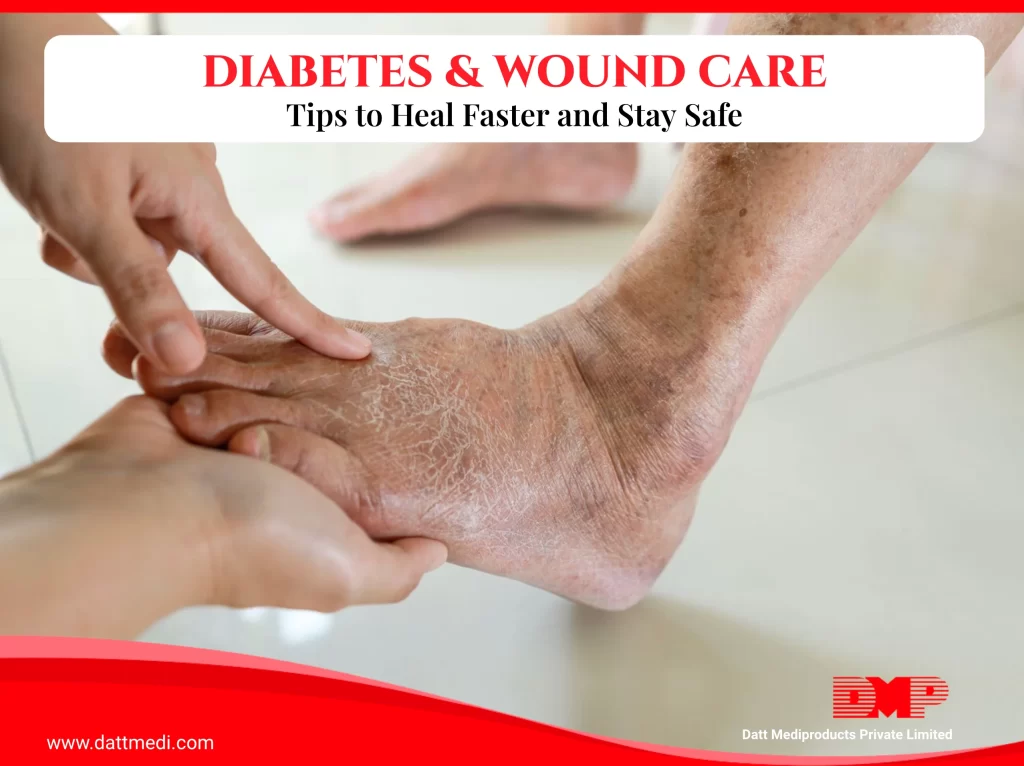
Wound Care Tips for Diabetic Patients

Living with diabetes means being extra vigilant about health, especially when it comes to wound care. Even minor cuts or blisters can progress into serious complications due to delayed healing, poor circulation, and increased infection risks.

This makes wound care a crucial part of diabetes management. Fortunately, modern solutions and advanced therapies are transforming the way patients and caregivers approach diabetic wound care.

1. Unique Challenges in Diabetic Wound Healing

Diabetic wounds differ from ordinary wounds in several ways:

  • Reduced Sensation (Neuropathy): Many patients experience nerve damage that diminishes their ability to feel pain, making them less likely to notice small injuries.
  • Impaired Circulation: Restricted blood flow slows the delivery of oxygen and nutrients essential for healing.
  • Higher Infection Risk: Elevated glucose levels provide a favorable environment for bacteria, increasing the chance of infections.
Together, these challenges often lead to delayed healing and chronic wounds, particularly on the feet, making proactive care essential.

2. Innovative Wound Care Management Therapies

Recent advancements in wound care are improving recovery outcomes for diabetic patients:

  • Velvert® Dressings: Designed to create a protective, moist healing environment that accelerates tissue repair.
  • Negative Pressure Wound Therapy (NPWT): Uses gentle suction to remove fluids, reduce swelling, and promote faster healing.
  • Hydrogel & Advanced Dressings: Maintain moisture balance, reduce pain, and minimize scarring.
  • Antimicrobial Solutions: Dressings infused with silver or other agents help fight infection while supporting recovery.

These modern therapies go beyond basic bandaging, offering targeted solutions that actively support healing.

3. Importance of Early Detection and Timely Intervention

For diabetic patients, time is critical in wound management:

  • Regular Self-Checks: Inspecting feet and legs daily for cuts, blisters, or redness.
  • Professional Screenings: Routine check-ups with a podiatrist or healthcare provider.
  • Prompt Action: Treating even minor wounds immediately with proper cleaning and dressings.
Catching a wound early can prevent it from progressing into a serious ulcer or infection that might require advanced medical intervention.

4. Integrating Preventive Care into Daily Life

Prevention is the cornerstone of diabetic wound care. Patients can reduce risks by adopting these practices:

  • Daily Foot Inspections: Use a mirror or ask for assistance if needed.
  • Skin Hydration: Keep skin moisturized to prevent cracks that can invite infections.
  • Balanced Nutrition: A diet rich in protein, vitamins, and minerals supports healing.
  • Protective Footwear: Always wear well-fitted shoes and socks to avoid friction and injury.
Incorporating these habits into daily routines ensures long-term protection.

5. Advanced Off-Loading Solutions

Pressure management plays a vital role in diabetic wound care:

  • Total Contact Casting (TCC): Distributes weight evenly to reduce pressure on ulcers.
  • Customized Diabetic Footwear: Specially designed shoes help minimize friction and pressure points.
  • Pressure-Redistribution Insoles: Offer cushioning and support for patients with high-risk areas.
These solutions are critical for patients with foot ulcers, as they significantly reduce the chances of wound recurrence.

Empowering Diabetic Patients for Better Outcomes

Effective wound care is not just about healing—it’s about prevention, protection, and empowerment. By combining early detection, preventive strategies, advanced therapies, and innovative off-loading solutions, diabetic patients can significantly lower their risk of complications. With proactive care and modern tools, living with diabetes no longer has to mean living with chronic wounds.
Visit www.dattmedi.com for more infomation.
Share:

Frequnently Asked Questions

Diabetic wounds heal slowly due to reduced blood flow, nerve damage, and a higher risk of infection. Consistent wound monitoring and using moisture-balancing dressings like Velvert® Advanced Dressings can support faster recovery.

Dressings that maintain a moist environment and prevent infection are ideal. Options like Velvert® Antimicrobial Dressings and Velfix®-S Silicone Foam Dressings provide optimal healing conditions for diabetic skin.

Detecting wounds early prevents minor cuts from developing into chronic ulcers. Regular foot checks and immediate use of sterile dressings from our Wound Care Range help minimize complications.

Daily foot care, moisturization, and pressure management are essential. Compression and support products like Velcare® Varicose Vein Stockings or Velcare® Inelastic Wraps help improve circulation and reduce ulcer risks.

Pressure relief is key in diabetic foot care.
Materials such as
Velcast™ Orthopaedic Casting Tape and soft padding like Velroll® Cast Padding aid in redistributing pressure to promote faster healing.

Recent Blogs
Advanced Wound Dressings

The Role of Advanced Wound Dressings in Accelerating Recovery for Complex Wounds

Traditional wound dressings were once viewed as simple barriers to shield an injury from external contaminants. Today, advanced wound dressings are revolutionizing wound care. They are active healing tools—designed not only to protect but also to accelerate recovery, reduce complications, and enhance patient comfort. 


By responding to the needs of each wound, they support faster, more effective healing compared to conventional methods.

Beyond Basic Dressings: Creating a Bioactive Healing Environment

Unlike basic gauze pads, some advanced dressings provide a controlled, bioactive environment that stimulates wound repair. By incorporating various bioactive molecules such as antimicrobials. They:

  • Maintain optimal moisture balance.
  • Promote the healing process
  • Regulate oxygen exchange.
  • Some dressings offer antimicrobial protection when needed.
This environment allows cells to regenerate more efficiently, reduces infection risk, and shortens healing time.

Why Advanced Wound Dressings Are Essential for Complex & Chronic Wounds

Complex wounds such as diabetic ulcers, burns, and pressure sores often fail to heal with standard dressings. Advanced wound care solutions are essential because they:

  • Restart stalled healing by balancing moisture and oxygen.
  • Manage high exudate levels through superior absorption.
  • Lower infection risks with antimicrobial properties.
These features make them indispensable for patients facing prolonged recovery.


Key Benefits of Advanced Wound Dressings

Using advanced dressings offers multiple clinical and patient-centered advantages:

  • Moisture regulation – prevents drying and maceration.
  • Reduced pain – cushioning and non-stick materials minimize discomfort during changes.
  • Better comfort – lightweight, breathable materials allow mobility.
  • Faster wound closure – optimized healing conditions accelerate recovery.

When to Choose Advanced Wound Dressings

Healthcare professionals should consider advanced dressings when:

  • Healing has been delayed or stalled.
  • The wound produces excessive drainage or exudate.
  • There is a high risk of infection.
  • Surgical incisions require enhanced healing protection.
In these cases, basic dressings often fail or take too long to heal the wound, while advanced dressings deliver targeted support.

Wounds That Benefit Most from Advanced Dressings

Certain conditions see the greatest benefit from these solutions:

  • Diabetic ulcers – require moisture retention and infection control.
  • Pressure sores (bedsores) – need pressure relief and high absorption.
  • Surgical wounds – advanced dressings reduce infection risk and improve scarring.
  • Burn injuries – delicate tissue heals faster with protective, moist dressings.

How to Choose the Right Advanced Wound Dressing

Selecting the correct dressing depends on the wound’s characteristics:

  • Moist wounds → use absorbent foam or alginate dressings.
  • Dry wounds → apply hydrogel dressings for hydration.
  • Infected wounds → use antimicrobial dressings.
  • Deep wounds → choose layered or cavity-fill dressings such as negative pressure therapy.

Matching dressing type to wound condition ensures maximum healing efficiency.

Skin Integrity in Extreme Weather

Protecting Skin Integrity in Extreme Weather: Hot and Cold Temperature Care Tips

Extreme weather conditions, whether hot or cold, can significantly affect skin integrity, potentially compromising the body’s natural healing process.

Maintaining healthy skin is vital not only for general well-being but also for promoting effective wound healing. In this blog, we’ll explore how extreme temperatures impact skin health and share tips to protect your skin and wounds year-round.

Challenges in Hot Weather

1. Heat and Humidity

Hot temperatures combined with high humidity levels increase perspiration, which can lead to moisture-related skin breakdown. The skin may become macerated, making it more vulnerable to irritation and infection, especially in sensitive areas like underarms and groin.

2. Sun Exposure

Excessive UV radiation from sun exposure can damage the skin, leading to sunburn, heat rashes, and increased risk of further skin issues. Sunburned skin is more prone to infection, which can delay the healing of existing wounds.

3. Dehydration Risks

Hot weather can cause dehydration, which impacts skin hydration and weakens the skin’s barrier function. When skin becomes dry and cracked, it loses its ability to protect against pathogens, affecting both general skin health and wound healing.

Challenges in Cold Weather

  • Dry Air – Cold air often lacks moisture, leading to dehydration of the skin, making it dry and prone to cracks or fissures. These cracks provide an entry point for bacteria, which can cause infections and delay healing.
  • Reduced Blood Flow – In colder temperatures, blood circulation to the skin decreases, which can hinder the delivery of essential nutrients and oxygen to skin cells, slowing down the skin’s natural repair processes and impeding wound healing.
  • Layered Clothing – While layering clothing can help retain warmth in cold weather, it may also cause friction, especially in sensitive or healing areas. This friction can irritate the skin and make it more susceptible to damage.

Tips for Maintaining Skin Integrity in Hot Weather

Stay Hydrated

Hydration is key for healthy skin. Drink plenty of water throughout the day to keep your skin moist from the inside out and to support overall skin health.

Protective Clothing

Wear lightweight, breathable fabrics to allow airflow and reduce sweating. UV-protective clothing can also help shield your skin from harmful sun exposure.

Skin Cleansing and Moisturization

To avoid sweat buildup, ensure regular skin cleansing, followed by the application of a lightweight, non-comedogenic moisturizer. This will help lock in hydration without clogging pores.

Tips for Maintaining Skin Integrity in Cold Weather

  • Hydrating Moisturizers – Cold air can strip the skin of moisture. Use thicker, oil-based moisturizers to prevent water loss and keep the skin barrier intact.
  • Humidify Indoor Air – Consider using humidifiers indoors to add moisture to the air and prevent skin dehydration caused by dry environments.
  • Gentle Skin Care Routine – Avoid using hot water when washing your face or body, as this can further dry out the skin. Opt for mild, fragrance-free cleansers that won’t irritate the skin or damage its natural protective layer.

Special Considerations for Wound Care

i) Temperature Regulation

Maintaining a moderate temperature for wound healing is essential. Extreme heat can worsen inflammation and slow down healing, while cold can cause a reduction in circulation. Aim for a comfortable, consistent environment to support optimal recovery.

ii) Dressing Types

For hot weather, choose dressings that can absorb excess moisture and prevent maceration. For cold weather, opt for dressings that retain moisture to keep the wound hydrated and prevent cracking or dryness.

Regular Inspection

In extreme weather conditions, skin changes can happen quickly. It’s important to inspect your skin and any wounds frequently to monitor for signs of irritation, infection, or other complications.

As the seasons change, so should your skincare routine. Understanding how hot and cold temperatures affect skin integrity is key to protecting your skin and supporting proper wound healing.

By making small adjustments to your daily habits, you can ensure that your skin remains healthy and wounds heal effectively, no matter the weather.

Stay vigilant and adjust your routine as needed to safeguard your skin and enhance your healing process throughout the year.

Logo

Datt Mediproducts Private Limited

Loading