

Search by Blog
Read by Category

Your healing journey continues beyond this blog

Find the right products for better recovery at online store
Cart Image
Wound Healing & Care

Minor scratches, scrapes, and cuts are a part of our everyday life. When our skin is injured, our body works to heal the wound. No two wounds are the same and thus different wounds require different attention and care.

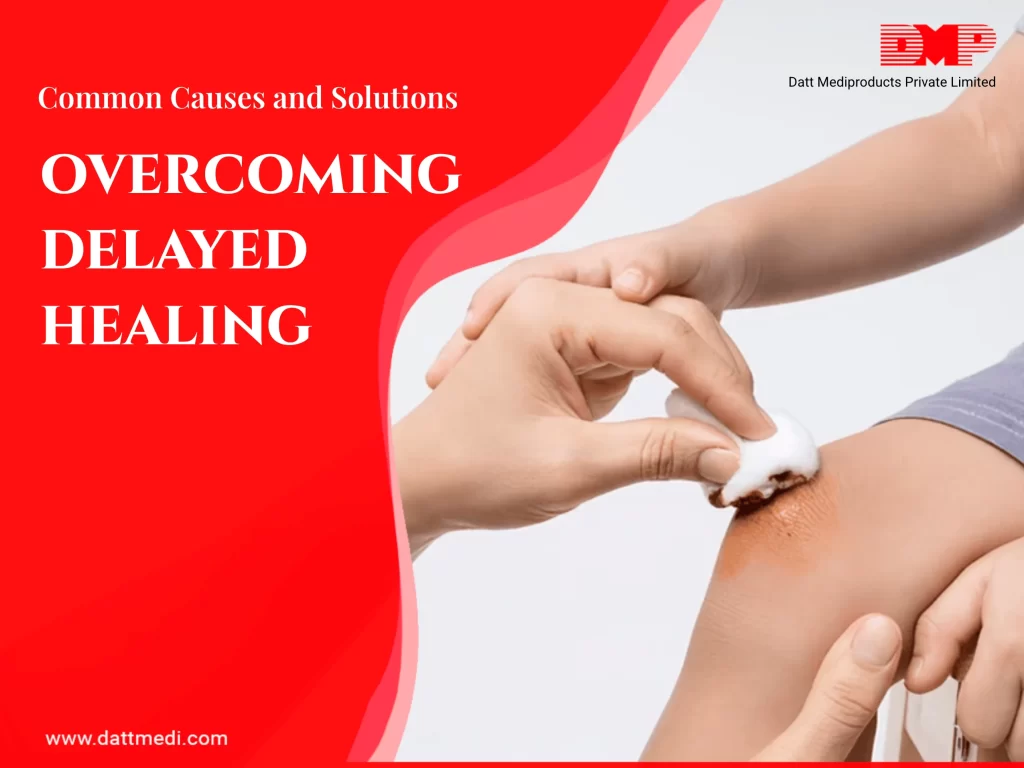
Healing is delayed when wounds become infected with harmful microorganisms. If left untreated, there is a risk of the infection spreading to other body parts.

Dermatologists recommend the following guidelines to care for minor cuts and scrapes:

Wash your Hands: The first step in the First Aid process is to wash your hands with soap and water to avoid any infection.

Stop the Bleeding: Applying a gentle pressure with a clean cloth or gauze. Elevating the wound also helps to stop the bleeding.

Clean the Wound: Cleaning the wound is a crucial step to remove dirt and debris. Rinse the wound under running water and wash around the wound with
water and soap. But make sure none of the soap comes in contact with the wound.

Apply petroleum jelly or an Antibiotic: This step helps to keep the wound area moist and prevents the spread of dirt and microorganisms.

Cover the Wound with Sterile Dressings: Covering the wound with a sterile dressing or gauze helps to keep it clean and protects it from outside contaminants. These dressings should be changed regularly to keep the wound clean.

Look for any signs of Infection: A wound that isn’t healing normally may be dark in color or have red streaks and increasing pain. If the wound isn’t healing it is advisable to go to a doctor to get it checked up.

Tip- Make sure you get a tetanus shot if your wound is from a dirty or rusty object.

Signs of infection and when to see a clinician*

Initially, some mild redness directly around the wound is a normal part of healing, but seek medical care if there is any of the following:
– Redness spreading out or “streaking” from the wound
– Increased pain or swelling of the wound
– Difficulty moving the affected area
– Pus or odorous wound drainage
– Warmth around the wound site
– Fever higher than 100.4 degrees
– Any concerns about poor healing, large or gaping wounds, bite injuries, etc.

Wound Healing Complications
Infection: Infection is the most common cause of delayed wound healing. A localized infection, if not controlled, can eventually spread to the bloodstream (systemic infection) resulting in sepsis, leading to multiple organs dysfunction, and subsequent life- and limb-threatening infection.

Osteomyelitis: Infections can travel through the bloodstream or by spreading from nearby tissue. When the infection reaches the bone it is referred to as Osteomyelitis. 20% to 60% of the patients suffering from Diabetic Foot Ulcers have underlying Osteomyelitis that increases their risk of lower extremity amputation.

Tissue Necrosis & Gangrene: Ulceration and Gangrene may occur in the lower extremities due to poor blood supply because of peripheral vascular diseases. A wet and draining necrotic tissue may result in hospitalization and amputation.

Peri-wound Maceration: Chronic wound exudates often consist of substances, which damage the skin surrounding the wound area. The damaged skin looks pale/ white and wrinkled. This is called maceration and affects the skin in the peri-wound area. It can prevent the wound from closing and healing.

EDEMA: Edema is the excess fluid trapped in the body’s tissue that leads to swelling. Mild edema dissipates by itself, but severe edema may slow the healing process because it compresses the blood vessels in the affected area leading to further complications like pain, stiffness, motility issues, decreased microcirculation, increase the risk of infection, peri-wound skin damage etc.

Apart from these, there may be many other complications too. Comorbid conditions such as malignancies or diabetes, also need to be managed. The underlying causes resulting in the poor healing of chronic wounds may also include malnutrition, arterial insufficiency, infection, age, obesity, the weak immune system to name a few.

The risk factors and complications of a chronic non-healing wound should be identified and appropriately managed by a clinician. The complications deteriorate the condition and increase the cost to the patient both financially and personally. It affects a patient’s quality of life and may contribute significantly to their morbidity and mortality.

An early detection and management of the risks and taking appropriate treatment by consulting a professional expert/clinician can help to mitigate further complications and achieve a positive outcome by better wound healing.

We @ Datt Mediproducts Pvt. Ltd. manufacture a range of wound healing products with impeccable quality by following international standards.
Visit www.dattmedi.com for more infomation.
Share:
Recent Blogs
Managing Orthopedic Injury

From the Field to Recovery: Orthopedic Injury Essentials for Athletes

Sports seasons bring excitement and competition, but they also increase the risk of orthopedic injuries. Athletes must adopt preventive measures and utilize effective orthopedic injury management strategies to ensure peak performance and long-term health.

This guide explores common injuries, prevention strategies, and the role of orthopedic products in recovery.

Common Orthopedic Injuries in Athletes

Athletes often face various orthopedic injury, including:

1. Sprains, Strains, and Fractures

Sprains: A sprain occurs when ligaments (the tissue connecting bones) are stretched or torn, often caused by sudden twisting or rolling of a joint.
Example: A soccer player might twist their ankle while changing direction quickly on the field, resulting in an ankle sprain.

Strains: A strain is an injury to muscles or tendons caused by overuse, overstretching, or excessive force.
Example: A weightlifter lifting a heavy load with improper form might experience a strain in their lower back muscles.

Fractures: A fracture refers to a break in a bone, which can occur due to high-impact collisions or falls.
Example: A cyclist who crashes and lands on their arm might suffer a wrist fracture.

2. Tendon Injuries

Tendons are the fibrous tissues connecting muscles to bones, and they can become inflamed or torn due to overuse or repetitive movements.

Example: 
A tennis player might develop tennis elbow, a condition caused by repetitive strain on the tendons of the forearm. Similarly, a runner could experience Achilles tendonitis from frequent uphill running or poor footwear.

3. Overuse Injuries

Overuse injuries result from repetitive stress on bones, muscles, or joints without adequate rest or recovery time.
Example: A marathon runner who increases mileage too quickly might develop a stress fracture in their foot.

Stress Fractures: Tiny cracks in bones caused by repetitive impact activities like running or jumping.

Shin Splints: Pain along the shin bone caused by overuse of lower leg muscles.
Example: A basketball player who practices on hard courts for extended periods might develop shin splints due to the repetitive impact.

Prevention Strategies for Athletes

Preventing injuries requires a proactive approach that combines preparation, proper equipment, and targeted training:

1. Warm-Up and Cool-Down Routines:

Dynamic stretching and gradually increasing activity levels prepare muscles for exertion, improving flexibility and blood flow. Post-activity stretching helps reduce muscle stiffness and aids in recovery.

2. Proper Gear:

Using well-fitted shoes and sport-specific protective equipment minimizes the risk of injuries caused by poor support or inadequate protection.

3. Strength and Flexibility Training:

Incorporating targeted exercises strengthens muscles, enhances joint stability, and improves range of motion, reducing the likelihood of injury.

Example: 
A sprinter who performs a comprehensive warm-up involving dynamic stretches (such as leg swings and high knees) and wears track-specific, cushioned running shoes is less likely to experience a hamstring strain compared to an athlete who skips these steps and runs in ill-fitted or non-specialized shoes.

Innovative Orthopedic Solutions

Orthopedic products such as Cokomp™ Compression Bandage, Velsoft® Adhesive Bandage, and Velfour®-Plus are designed to provide tailored support and recovery solutions. From managing swelling with targeted compression to providing flexible and lightweight joint support, these products address a variety of athletic needs effectively.

When to Seek Professional Help
Certain signs indicate the need for medical attention to prevent further complications:

  • Severe swelling or bruising that doesn’t subside.
  • Inability to bear weight on the affected limb.
  • Persistent pain or visible deformities.

Physical therapy often plays a key role in recovery, helping athletes regain strength and mobility post-injury.

Building a Safe Sports Culture
Fostering a safe sports environment involves education and awareness:

  • Educating Athletes: Emphasize the importance of injury prevention, recognizing symptoms, and administering first aid.
  • Role of Coaches and Trainers: Encourage proper technique, regular rest, and adherence to safety protocols to minimize injury risks.

Fostering a safe sports environment requires a holistic strategy that emphasizes education, preparation, and recovery. By integrating preventive measures, timely intervention, and the right orthopedic solutions, athletes can minimize the impact of injuries while optimizing performance.

Our advanced orthopedic solutions provide tailored support and comfort, helping athletes recover faster and maintain mobility. Whether it’s targeted compression or flexible support, our products are designed with athletes’ unique needs in mind.

Equip yourself for a safer, healthier sports season with Datt Mediproducts. Our innovative range of orthopedic injury solutions, including high-quality compression bandages and supportive products, is designed to meet the unique needs of athletes. Discover how our products can enhance recovery and performance at Datt Mediproducts.

Choosing the Right Compression Stocking for Varicose Veins

Varicose Veins are enlarged, twisted veins that bulge under your skin. They normally develop when blood flow is obstructed and are more than just a cosmetic concern; they can cause discomfort and, if untreated, lead to more serious health issues. Medical compression stockings and wraps, such as the Velcare® range from us, provide an effective solution for managing varicose veins. Understanding their benefits and features can help you make an informed choice.

Velcare® -Varicose Veins Stocking: Support Where You Need It

Designed to offer Class 2 Compression (23-32mmHg), Velcare® -Varicose Veins Stocking are ideal for promoting circulation and reducing varicose vein symptoms. The graduated compression applies gentle pressure from the ankle upwards, aiding blood flow back to the heart.

Key Features of Velcare® -Varicose Veins Stocking:

  • Effective Compression: Reduces swelling and discomfort associated with varicose veins.
  • Comfortable Wear: Soft, breathable, latex-free materials ensure all-day comfort.
  • Durable Construction: Four-way stretchability enhances flexibility and durability for long-term use.
  • Medical Grade Quality: Designed to meet medical standards for effective varicose vein management.


Velcare® -Inelastic Wrap: Customizable Compression

For those preferring an alternative to traditional stockings, Velcare® -Inelastic Wrap provides targeted calf compression without constant adjustment. Adjustable straps offer a customized fit for optimal compression therapy tailored to individual needs.

Key Features of Velcare® -Inelastic Wrap:

  • Targeted Compression: Focuses on calf muscles for effective circulation support.
  • Adjustable Fit: Velcro straps ensure a secure fit and ease of adjustment.
  • Ease of Use: Simple application and removal for convenient daily wear.
  • Breathable Material: Allows the skin to breathe, suitable for extended use.

Choosing the Right Option for You

When deciding between Velcare® -Varicose Veins Stocking and Velcare® -Inelastic Wrap, consider your lifestyle, comfort preferences, and specific medical needs. Both options offer effective relief for varicose veins, with the stockings providing graduated compression and the wrap offering targeted support and ease of use.

Whether you choose the graduated compression of Velcare® -Varicose Veins Stocking or the targeted support of Velcare® -Inelastic Wrap, we as Datt Mediproducts, ensures you receive high-quality products designed to improve circulation and alleviate varicose vein symptoms. Explore more about Velcare® products and find the right solution for managing your varicose veins with us.

Logo

Datt Mediproducts Private Limited

Loading