

How Lifestyle Choices Impact Wound Healing
Wound healing is a complex biological process involving tissue repair, immune defense, and cellular regeneration. While medical treatment plays a key role, lifestyle choices significantly influence the body’s ability to heal.
From nutrition to stress management, everyday habits can either support faster recovery or hinder the healing process.
In this blog, we explore the key lifestyle factors that impact wound healing and how simple, evidence-based changes can make a difference.
1. Nutrition: Fuel for Tissue Repair
a. Protein
- Vital for collagen formation and wound matrix development
- Protein deficiency may lead to slower wound closure and increased risk of infection
b. Vitamins and Minerals
- Vitamin C: Enhances collagen synthesis and capillary strength
- Zinc: Supports immune function and cell proliferation
- Vitamin A: Promotes epithelialization and helps control inflammation
c. Hydration
- Maintains blood volume and supports oxygen/nutrient delivery
- Dehydration can delay granulation and cell regeneration
Tip: Include lean proteins, citrus fruits, leafy greens, and zinc-rich foods like seeds and legumes in your daily meals.
2. Smoking: A Major Healing Inhibitor
Nicotine and other chemicals in tobacco constrict blood vessels, reducing oxygen supply to healing tissue.
- Impairs collagen production and fibroblast function
- Increases the risk of infection and delayed healing
- Reduces overall immune response
Quitting smoking—even temporarily during recovery—can significantly improve healing outcomes.
3. Alcohol Consumption: Delaying Recovery
Excessive alcohol intake:
- Suppresses immune function
- Depletes nutrients like Vitamin C and zinc
- Prolongs inflammation and disrupts tissue repair phases
Limit alcohol consumption to promote a healthy inflammatory response and proper wound granulation.
4. Physical Activity and Mobility
Moderate movement encourages circulation and supports healing—especially for patients at risk of pressure ulcers.
- Improves oxygenation and nutrient transport
- Reduces risk of blood pooling and edema
- Prevents pressure injuries in bedridden individuals
Regular repositioning and guided physiotherapy are essential in wound care plans.
5. Stress Management: Healing Starts with the Mind
Chronic stress elevates cortisol levels, which suppresses immune function and delays inflammatory responses crucial for wound healing.
- Impairs macrophage activity and T-cell function
- Slows tissue repair and increases infection risk
Practices like mindfulness, deep breathing, and adequate rest can accelerate recovery.
6. Chronic Conditions & Lifestyle Adjustments
Certain medical conditions magnify wound healing challenges:
- Diabetes: High blood glucose impairs leukocyte function and circulation
- Obesity: Increased inflammation and reduced vascular flow to wound sites
Lifestyle interventions like glucose control, weight management, and routine exercise can reduce wound complications.
7. The Power of Sleep in Healing
During deep sleep, the body enters restorative phases that facilitate cell repair, hormone regulation, and immune modulation.
- Lack of sleep can delay fibroblast activation and collagen remodeling
- Poor sleep patterns are linked to chronic wound persistence
Aim for 7–9 hours of quality sleep to support recovery and immunity.
8. Wound Hygiene and Safe Practices
Proper wound care is essential for minimizing infection and supporting a moist healing environment.
- Clean wounds with prescribed solutions
- Avoid using unapproved topical agents or picking at scabs
- Use appropriate antimicrobial dressings and change them regularly
Always follow healthcare provider instructions for dressing techniques and frequency.
9. Lifestyle Checklist for Optimal Wound Healing
- Quit smoking or avoid exposure to tobacco
- Limit alcohol consumption
- Eat a balanced diet rich in healing nutrients
- Stay hydrated
- Engage in light physical activity or guided movement
- Practice stress-reduction techniques
- Get sufficient, restorative sleep
- Follow proper hygiene and wound dressing guidelines
Healing isn’t just about medicine—it’s about mindset, habits, and daily choices.
By aligning medical treatment with proactive lifestyle changes, patients can accelerate recovery, reduce complications, and regain their well-being faster.
At Datt Mediproducts, we believe in a holistic approach to healing. Our advanced wound care solutions, including antimicrobial dressings, are designed to support optimal recovery in synergy with healthy living.
The Role of Antimicrobial Dressings in Infection Prevention and Wound Healing
In wound care, infection prevention involves proactive measures to avoid contamination, while infection control refers to the steps taken after an infection has occurred—to contain its spread and reduce complications.
Understanding this distinction is vital, particularly when dealing with diabetic foot ulcers, surgical wounds, or chronic ulcers like those from varicose veins. These wounds, once infected, require more than just hygiene and topical care—they demand targeted intervention.
Why Infection Prevention is Critical in Wound Care
In high-risk patients (e.g., diabetics, post-operative individuals, or those with vascular issues), a wound infection can:
- Impair tissue regeneration can significantly slow down the body’s natural healing process.
- Trigger inflammation beyond the wound site
- Lead to sepsis or systemic failure
- Delay healing indefinitely without the right approach
Once bacteria attach to the wound surface and multiply, they secrete an Extracurricular Polymeric Substance (EPS) over the wound bed in the form of a patchy layer called BIOFILM. This biofilm is not only resistant to the host’s immune system but also to various basic antimicrobials. This is why even proper hygiene may not suffice creating a need for advanced infection control measures.
Common Signs of Infection Include:
- Increased redness or warmth
- Foul odor or purulent discharge
- Delayed granulation
- Pain out of proportion to wound size
- Systemic symptoms like fever or fatigue
The Role of Antimicrobial Dressing
Not all antimicrobial dressings work the same way. Selection should depend on the type of wound, degree of infection, and underlying comorbidities.
| Agent | Mechanism of Action | Ideal Use Cases |
| Nano-crystalline silver | Disrupts bacterial DNA and cell walls | Chronic wounds, surgical sites, burn care |
| Iodine | Broad-spectrum bactericidal effect | Infected diabetic foot ulcers, contaminated wounds |
| PHMB | Disrupts membrane integrity of microbes | Superficial infected wounds |
| Velvet | Kills microbes, hinders replication. Promotes angiogenesis & cell proliferation | Management of partial & full thickness wounds such as DFU, VLU, Necrotising Fasciitis, Burns or even other traumatic or surgical infected wounds |
Using the wrong dressing can delay healing or exacerbate infection. Selection must be guided by wound assessment, not just product availability.
Best Practices for Infection Prevention:
- Sterile Cleansing: Use prescribed solutions like saline, not harsh agents.
- Hygiene Compliance: Strict hand hygiene and PPE protocols for caregivers.
- Moisture Balance: Avoid dry wound beds or maceration.
Infection Control (Post-Infection Onset):
- Debridement if needed to remove necrotic tissue or biofilm
- Antimicrobial Dressings selected as per exudate level and infection type
- Systemic antibiotics for deep or spreading infections
- Regular monitoring to track changes in wound condition
Different Wounds Demand Different Protocols
- A clean surgical wound may require simple antimicrobial protection.
- A diabetic foot ulcer with infection may require systemic antibiotics, debridement, and layered dressing strategy.
- A venous ulcer may need antimicrobial compression therapy.
Avoid a one-size-fits-all approach—treatment must align with wound pathology.
Don’t overlook:
- Nutritional Support: Protein, Vitamin C, and Zinc for immune function and tissue repair
- Glycemic Control: Especially crucial in diabetic patients
- Patient Education: Empower caregivers with infection warning signs and dressing techniques
Wound care is both a science and a strategy. While infection prevention is essential, being prepared for infection control—with the right knowledge, products, and protocols—can make the difference between recovery and chronicity.
From nano-crystalline silver dressings to advanced wound care materials, our range is engineered for outcomes that matter. To Explore our full range of antimicrobial dressings: Click Here

Protecting Skin Integrity in Extreme Weather: Hot and Cold Temperature Care Tips
Extreme weather conditions, whether hot or cold, can significantly affect skin integrity, potentially compromising the body’s natural healing process.
Maintaining healthy skin is vital not only for general well-being but also for promoting effective wound healing. In this blog, we’ll explore how extreme temperatures impact skin health and share tips to protect your skin and wounds year-round.
Challenges in Hot Weather
1. Heat and Humidity
Hot temperatures combined with high humidity levels increase perspiration, which can lead to moisture-related skin breakdown. The skin may become macerated, making it more vulnerable to irritation and infection, especially in sensitive areas like underarms and groin.
2. Sun Exposure
Excessive UV radiation from sun exposure can damage the skin, leading to sunburn, heat rashes, and increased risk of further skin issues. Sunburned skin is more prone to infection, which can delay the healing of existing wounds.
3. Dehydration Risks
Hot weather can cause dehydration, which impacts skin hydration and weakens the skin’s barrier function. When skin becomes dry and cracked, it loses its ability to protect against pathogens, affecting both general skin health and wound healing.
Challenges in Cold Weather
- Dry Air – Cold air often lacks moisture, leading to dehydration of the skin, making it dry and prone to cracks or fissures. These cracks provide an entry point for bacteria, which can cause infections and delay healing.
- Reduced Blood Flow – In colder temperatures, blood circulation to the skin decreases, which can hinder the delivery of essential nutrients and oxygen to skin cells, slowing down the skin’s natural repair processes and impeding wound healing.
- Layered Clothing – While layering clothing can help retain warmth in cold weather, it may also cause friction, especially in sensitive or healing areas. This friction can irritate the skin and make it more susceptible to damage.
Tips for Maintaining Skin Integrity in Hot Weather
Stay Hydrated
Hydration is key for healthy skin. Drink plenty of water throughout the day to keep your skin moist from the inside out and to support overall skin health.
Protective Clothing
Wear lightweight, breathable fabrics to allow airflow and reduce sweating. UV-protective clothing can also help shield your skin from harmful sun exposure.
Skin Cleansing and Moisturization
To avoid sweat buildup, ensure regular skin cleansing, followed by the application of a lightweight, non-comedogenic moisturizer. This will help lock in hydration without clogging pores.
Tips for Maintaining Skin Integrity in Cold Weather
- Hydrating Moisturizers – Cold air can strip the skin of moisture. Use thicker, oil-based moisturizers to prevent water loss and keep the skin barrier intact.
- Humidify Indoor Air – Consider using humidifiers indoors to add moisture to the air and prevent skin dehydration caused by dry environments.
- Gentle Skin Care Routine – Avoid using hot water when washing your face or body, as this can further dry out the skin. Opt for mild, fragrance-free cleansers that won’t irritate the skin or damage its natural protective layer.
Special Considerations for Wound Care
i) Temperature Regulation
Maintaining a moderate temperature for wound healing is essential. Extreme heat can worsen inflammation and slow down healing, while cold can cause a reduction in circulation. Aim for a comfortable, consistent environment to support optimal recovery.
ii) Dressing Types
For hot weather, choose dressings that can absorb excess moisture and prevent maceration. For cold weather, opt for dressings that retain moisture to keep the wound hydrated and prevent cracking or dryness.
Regular Inspection
In extreme weather conditions, skin changes can happen quickly. It’s important to inspect your skin and any wounds frequently to monitor for signs of irritation, infection, or other complications.
As the seasons change, so should your skincare routine. Understanding how hot and cold temperatures affect skin integrity is key to protecting your skin and supporting proper wound healing.
By making small adjustments to your daily habits, you can ensure that your skin remains healthy and wounds heal effectively, no matter the weather.
Stay vigilant and adjust your routine as needed to safeguard your skin and enhance your healing process throughout the year.
Overcoming Delayed Healing: Common Causes and Practical Tips
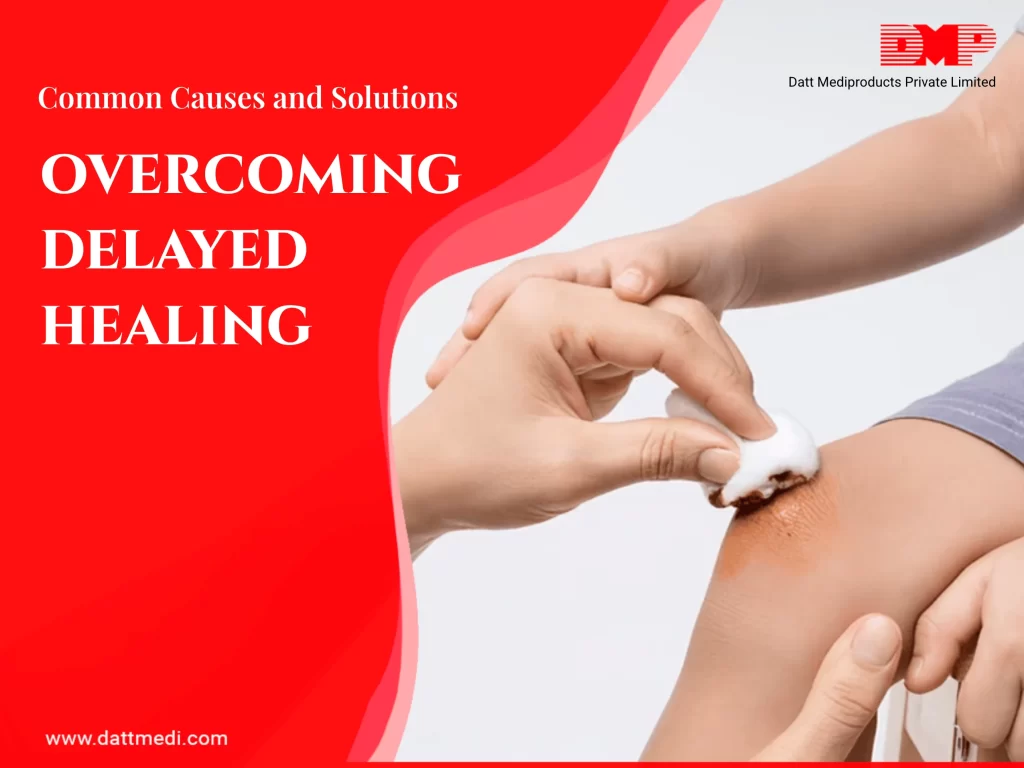
Healing is a natural process—but sometimes, wounds don’t heal as quickly as expected. Delayed healing can impact physical comfort, increase the risk of infection, and reduce quality of life.
The good news…
Many common causes of delayed healing can be managed with simple lifestyle adjustments. Let’s explore these causes and discover actionable tips for improving the healing process.
Understanding Delayed Healing
Wound healing is influenced by various factors—some within our control, others that may require professional intervention. Identifying these causes is the first step toward a faster, more efficient recovery.
Common Causes of Delayed Healing
- Poor Nutrition: Lack of essential nutrients, such as proteins, amino acids, fatty acids, carbohydrates, vitamins (A, C & E) and micronutrients (magnesium and zinc) to name a few, slows tissue repair by affecting one or more phases of the wound healing process.
- Inadequate Hydration: Dehydration impairs skin regeneration.
- Underlying Health Conditions: Conditions like diabetes, diabetes associated neuropathy, vascular diseases, or immune disorders can complicate healing.
- Smoking or Alcohol Consumption: These enhance host susceptibility to infections that lead to impaired angiogenesis thereby reducing blood flow and oxygen delivery to tissues which are essential for wound healing.
- Stress and Poor Sleep: Disrupt hormone balance and deregulate the immune system, which directly affects recovery. Additionally, stressed individuals are more likely to develop unhealthy habits such as inadequate nutrition, smoking, less exercise, poor sleep patterns; negatively modulating the healing mechanism.
- Infection or Repeated Trauma to the Wound: Can significantly hinder the healing process. Microorganisms obtain easy access to the underlying tissues when skin is injured. The presence of replicating microorganisms in the wound elongates the inflammatory phase of the wound healing process. This can lead to the wound to enter into a chronic state with significant delay in wound healing.
Nutrition & Hydration Matter
Proper nutrition is essential for healing.
Incorporate the following into your diet:
- Lean proteins (eggs, fish, legumes) for tissue repair
- Fresh fruits and vegetables for vitamins and antioxidants
- Whole grains to support energy levels and tissue growth
Tip: Staying well-hydrated ensures nutrients are transported to your cells, promoting faster healing and flushing out toxins.
Sleep & Stress Management
Proper rest accelerates healing. Focus on these habits:
- Aim for 7–9 hours of sleep each night.
- Practice mindfulness or relaxation techniques to reduce stress.
- Limit screen time and caffeine before bed to enhance sleep quality.
Did You Know? Chronic stress raises cortisol levels, slowing wound recovery.
Daily Movement & Gentle Activity
Physical activity promotes circulation, which helps deliver oxygen and nutrients to healing tissues:
- Engage in light activities, like short walks, if possible.
- Avoid putting pressure on the wound site, and take care to avoid friction.
- Elevate limbs to reduce swelling.
Important: Always follow your healthcare provider’s advice regarding movement and wound care.
Basic Wound Hygiene
Maintaining wound hygiene is crucial:
- Keep the wound clean and protected with proper dressings.
- Change dressings regularly, as advised by your healthcare provider.
- Avoid touching or scratching the wound area.
Pro Tip: Wash your hands thoroughly before and after touching a wound to reduce infection risk.
When to Seek Help
If your wound isn’t healing as expected or you get fever or flu-like symptoms or the wound shows signs of infection (such as increased redness, heat, swelling, pus, or a foul odor), seek professional medical guidance. Conditions like diabetes or circulatory issues may require specialized wound care.
Take Small Steps Toward Better Healing
Every small change—from better hydration to taking a short walk—adds up. By staying informed and committed to your healing process, you give your body the best chance to recover naturally.
Empowering You with the Right Solutions
At Datt Mediproducts, we understand the importance of optimal healing. While we don’t provide medical treatment, our advanced wound care solutions are designed to support your recovery by offering comfort, protection, and care where it matters most.
Top Misconceptions About Compression Therapy
Compression therapy is a widely used treatment method that helps improve circulation, reduce swelling & pain, and support faster healing. However, many people hesitate to use it due to common misconceptions. Let’s clear up these myths and highlight the true benefits of compression therapy.
What Is Compression Therapy?
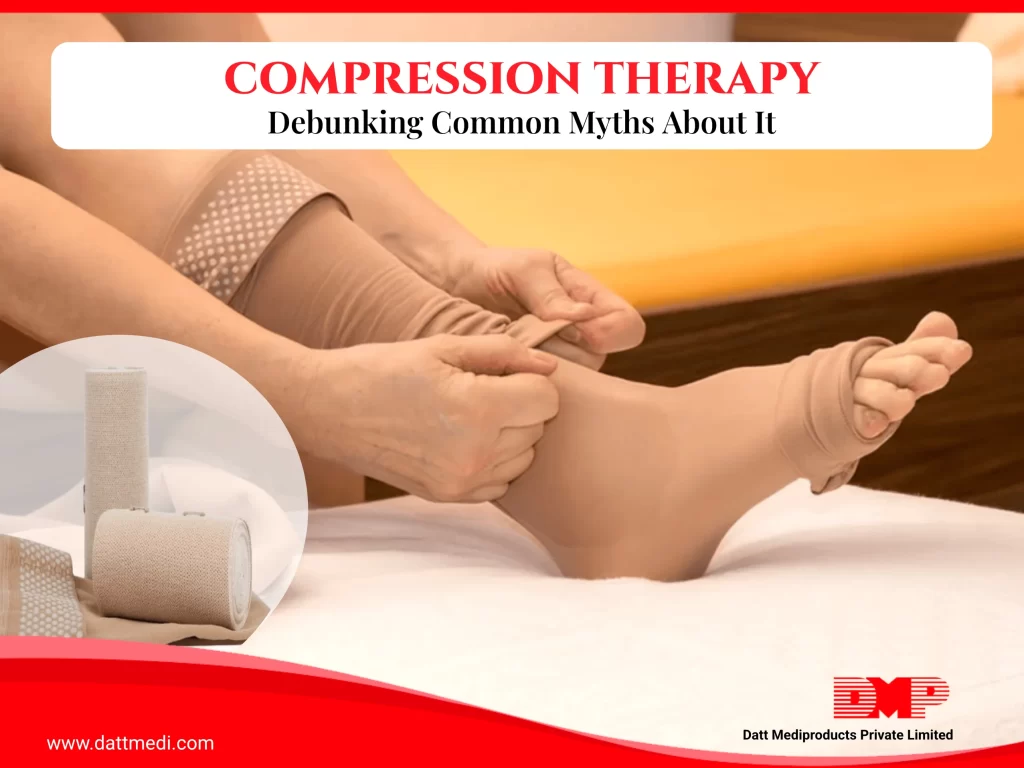
Compression therapy involves wearing specially designed garments, such as stockings, wraps or bandages, that apply gentle pressure to the legs or other affected areas. This pressure promotes blood flow, prevents fluid buildup, and supports overall vascular health. It is commonly used for conditions arising due to chronic venous insufficiency such as varicose veins, venous varicosities/ leg ulcers, lymphedema or in cases of deep vein thrombosis (DVT) and post surgery recovery
Myth 1: Compression Therapy Is Only for the Elderly
Fact: While older adults commonly use compression therapy to manage venous disorders, it benefits people of all ages. Athletes use compression garments for muscle recovery, travelers wear them to prevent blood clots, and individuals with jobs requiring prolonged standing or sitting rely on them to reduce leg fatigue.
Myth 2: Compression Therapy Causes Discomfort
Fact: Properly fitted compression garments should feel snug but not painful. Modern compression products are designed for comfort, with breathable materials and graduated pressure to provide support without restricting movement. If discomfort occurs, it often means the compression level or size is incorrect.
Myth 3: Compression Therapy Is Only for Post-Surgery Recovery
Fact: While it is beneficial post-surgery to reduce swelling and promote faster healing, compression therapy is also widely used for the management of chronic conditions like varicose veins, lymphedema, and even general leg fatigue. It can also be used as a preventive measure for individuals at risk of circulation problems. It can prevent leg swelling in people with sedentary lifestyles or situations like long flights; prevention of venous thromboembolism in immobile patients, and recurrence of venous leg ulcers in older adults.
Myth 4: Compression Therapy Will Make Your Legs Look Bulky
Fact: Compression garments have evolved significantly. Modern designs are sleek, lightweight, and available in different styles and colors, making them easy to wear under clothing without appearing bulky.
Myth 5: Compression Therapy Can Lead to Blood Clots
Fact: When used correctly, compression therapy actually helps prevent blood clots by promoting healthy circulation. Medical professionals often recommend it for people at risk of DVT, especially during long flights or post-surgery recovery.
Myth 6: Compression Therapy Is Only for People With Varicose Veins
Fact: While varicose veins are a common reason for using compression therapy, it is also beneficial for individuals with chronic venous insufficiency, lymphedema, post-exercise recovery, chronic pain, poor circulation, athletes and even pregnancy-related swelling.
Myth 7: Compression Therapy Is a Short-Term Solution
Fact: Compression therapy can be used for both short-term and long-term management of symptoms & to prevent further complications depending on the condition. Many individuals with chronic venous conditions or circulation issues incorporate it into their daily routines for continuous benefits.
The Truth About Compression Therapy
Compression therapy is a versatile and effective treatment that goes beyond age or specific medical conditions. By dispelling these myths, we can appreciate how compression bandages and garments enhance circulation, reduce swelling, and promote healing across all age groups and lifestyles.
Looking for reliable compression solutions?
Explore our range of high-quality compression solutions for effective support, enhanced comfort, and improved circulation in daily life.

Showering with Wounds: Tips for Staying Clean and Safe During Healing
Keeping wounds clean and dry is essential for proper healing. However, many people worry about showering with wounds or bathing with an open wound and the potential risks of exposing wounds to water. Without proper precautions, water exposure can lead to complications like infections, delayed healing, or dressing displacement.
Risks of Showering with Wounds
- Infection Risks: Water, especially non-sterile water, can introduce bacteria into the wound, increasing the risk of infection.
- Delayed Healing: Excessive moisture can disrupt the wound environment, causing the skin to swell, affecting moisture balance and slowing the healing process.
- Dressing Displacement: Bathing may cause bandages or dressings to loosen or fall off, exposing the wound to contaminants.
Do’s for Wound Care When Bathing
- Use Waterproof Dressings: Protect your wound from water exposure by using waterproof dressings, which help prevent infection and promote proper healing.
- Cover the Wound: If waterproof dressings aren’t available, use plastic wrap or a waterproof barrier to keep the wound dry.
- Opt for Showers Over Baths: Showers reduce the risk of soaking wounds, as water flows off the body rather than submerging the wound.
Don’ts for Wound Care When Bathing
- Avoid Soaking: Stay away from tubs, pools, or hot tubs, as they introduce bacteria and disrupt the wound environment.
- Don’t Rub the Wound Area: Avoid scrubbing or applying soap directly on the wound to prevent irritation or removal of protective layers.
- Avoid High-Pressure Water: Strong water pressure can disturb scabs, disrupt dressings, or cause discomfort.
Waterproof Dressing Options
1. Adhesive Films:
Velfix® – T Film: Provides a waterproof, breathable seal to protect wounds from water exposure.
2. Foam Dressings with Borders:
Velfix® – Edge: Features an adhesive border that creates a secure seal, preventing water from entering.
3. Silicone-Based Dressings:
Velfix® – Secure (PICC): Designed for long-term wound protection with a waterproof and skin-friendly seal.
4. Adhesive Tapes:
Velpore™ – T: A strong yet gentle adhesive tape that secures dressings in place, ensuring they remain effective during showers.
Steps for Showering with a Wound
- Prepare the Wound: Clean and dress the wound before showering to ensure protection.
- Use Lukewarm Water: Avoid hot or high-pressure water that could irritate the wound.
- Pat Dry Carefully: After showering, gently pat the dressing dry with a soft, clean towel.
Signs to Watch For
If you notice redness, swelling, unusual discharge, persistent discomfort, warmth around the wound, or a foul odor, contact a healthcare provider immediately. These may indicate an infection or irritation that requires medical attention.
With the right precautions and waterproof dressings, showering with a wound can be safe and manageable. Choosing high-quality products helps protect wounds and support optimal healing. Always follow your healthcare provider’s guidance for the best wound care practices.