
Search by Blog
Read by Category

Your healing journey continues beyond this blog

Find the right products for better recovery at online store
Cart Image
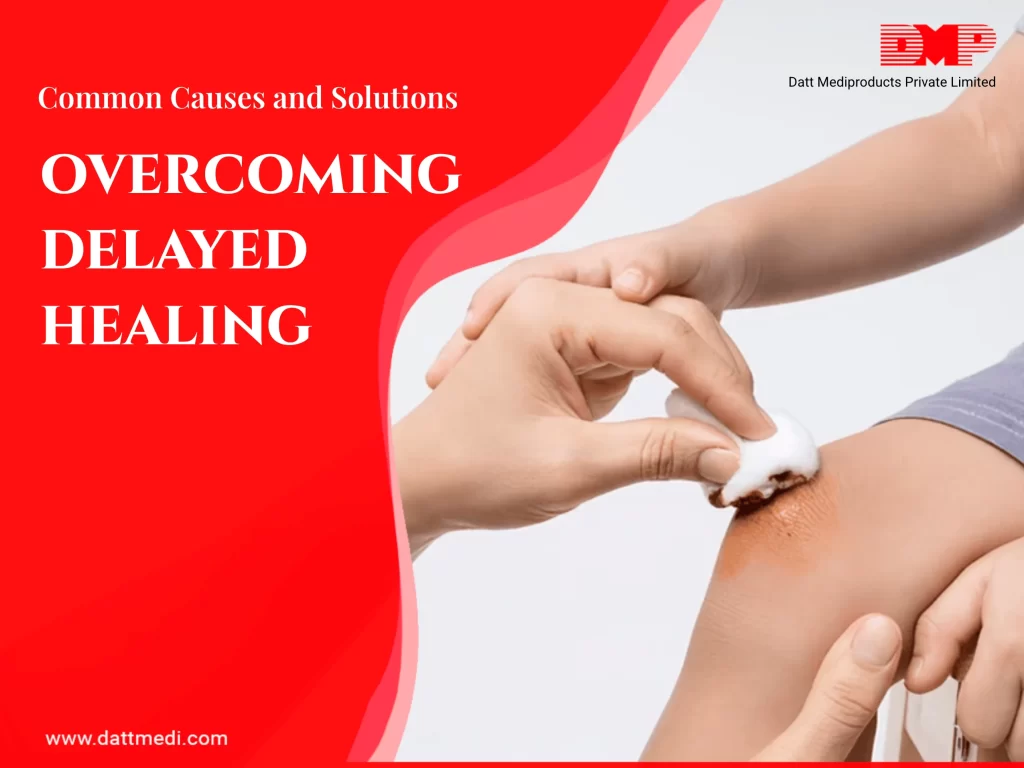
Overcoming Delayed Healing

Overcoming Delayed Healing: Common Causes and Practical Tips

Healing is a natural process—but sometimes, wounds don’t heal as quickly as expected. Delayed healing can impact physical comfort, increase the risk of infection, and reduce quality of life. 

The good news…
Many common causes of delayed healing can be managed with simple lifestyle adjustments. Let’s explore these causes and discover actionable tips for improving the healing process.

Understanding Delayed Healing

Wound healing is influenced by various factors—some within our control, others that may require professional intervention. Identifying these causes is the first step toward a faster, more efficient recovery.

Common Causes of Delayed Healing

  • Poor Nutrition: Lack of essential nutrients, such as proteins, amino acids, fatty acids, carbohydrates, vitamins (A, C & E) and micronutrients (magnesium and zinc) to name a few, slows tissue repair by affecting one or more phases of the wound healing process.
  • Inadequate Hydration: Dehydration impairs skin regeneration.
  • Underlying Health Conditions: Conditions like diabetes, diabetes associated neuropathy, vascular diseases, or immune disorders can complicate healing.
  • Smoking or Alcohol Consumption: These enhance host susceptibility to infections that lead to impaired angiogenesis thereby reducing blood flow and oxygen delivery to tissues which are essential for wound healing.
  • Stress and Poor Sleep: Disrupt hormone balance and deregulate the immune system, which directly affects recovery. Additionally, stressed individuals are more likely to develop unhealthy habits such as inadequate nutrition, smoking, less exercise, poor sleep patterns; negatively modulating the healing mechanism.
  • Infection or Repeated Trauma to the Wound: Can significantly hinder the healing process. Microorganisms obtain easy access to the underlying tissues when skin is injured. The presence of replicating microorganisms in the wound elongates the inflammatory phase of the wound healing process. This can lead to the wound to enter into a chronic state with significant delay in wound healing.

Nutrition & Hydration Matter

Proper nutrition is essential for healing.

Incorporate the following into your diet:

  • Lean proteins (eggs, fish, legumes) for tissue repair
  • Fresh fruits and vegetables for vitamins and antioxidants
  • Whole grains to support energy levels and tissue growth
Tip: Staying well-hydrated ensures nutrients are transported to your cells, promoting faster healing and flushing out toxins.

Sleep & Stress Management

Proper rest accelerates healing. Focus on these habits:

  • Aim for 7–9 hours of sleep each night.
  • Practice mindfulness or relaxation techniques to reduce stress.
  • Limit screen time and caffeine before bed to enhance sleep quality.

Did You Know? Chronic stress raises cortisol levels, slowing wound recovery.

Daily Movement & Gentle Activity

Physical activity promotes circulation, which helps deliver oxygen and nutrients to healing tissues:

  • Engage in light activities, like short walks, if possible.
  • Avoid putting pressure on the wound site, and take care to avoid friction.
  • Elevate limbs to reduce swelling.
Important: Always follow your healthcare provider’s advice regarding movement and wound care.

Basic Wound Hygiene

Maintaining wound hygiene is crucial:

  • Keep the wound clean and protected with proper dressings.
  • Change dressings regularly, as advised by your healthcare provider.
  • Avoid touching or scratching the wound area.
Pro Tip: Wash your hands thoroughly before and after touching a wound to reduce infection risk.

When to Seek Help

If your wound isn’t healing as expected or you get fever or flu-like symptoms or the wound shows signs of infection (such as increased redness, heat, swelling, pus, or a foul odor), seek professional medical guidance. Conditions like diabetes or circulatory issues may require specialized wound care.

Take Small Steps Toward Better Healing

Every small change—from better hydration to taking a short walk—adds up. By staying informed and committed to your healing process, you give your body the best chance to recover naturally.

Empowering You with the Right Solutions

At Datt Mediproducts, we understand the importance of optimal healing. While we don’t provide medical treatment, our advanced wound care solutions are designed to support your recovery by offering comfort, protection, and care where it matters most.
Visit www.dattmedi.com for more infomation.
Share:
Recent Blogs
Compression therapy applied to the lower limb to support wound healing

Wound healing is often slowed when the body cannot efficiently move blood and excess fluid away from the affected area. This causes low blood flow which leads to reduced oxygen & nutrient supply, both are critical for cell repair. This is frequently seen in chronic venous ulcers, lymphedema, diabetic wounds, and post-surgical swelling.

Compression therapy is one of the most effective clinical methods to improve circulation, support healing, and enhance overall wound management.

By applying controlled and consistent pressure, compression therapy reduces fluid buildup, improves oxygen delivery, and creates a stable environment that promotes faster tissue repair.

What Is Compression Therapy? How It Works

Compression therapy uses medical tools such as compression bandages, garments, or dressings to apply even pressure to a limb or wound site. This helps to:

  • Redirect blood flow toward the heart
  • Reduce fluid accumulation under the skin
  • Improve oxygen supply to damaged tissues
  • Support formation of healthier new tissue
This controlled pressure creates a stable, balanced healing environment and reduces strain on surrounding skin.

Types of Compression Therapy

1. Elastic Compression Bandages

Widely used for venous ulcers and chronic wounds because they allow adjustable pressure and support daily wound care.
Related Product: Compression Bandages – Wound Care Range

2. Compression Garments

Ideal for long-term swelling, lymphedema care, and post-surgical recovery. They offer uniform pressure and help maintain inflammation control. Velcare® Varicose Vein Stockings– Compression Garments

Know More About – Velcare® Varicose Vein Stockings- Compression Garments

3. Dressings With Built-In Mild Compression

Foam and hydrocolloid dressings provide gentle compression while maintaining moisture balance. Recommended options:

How Compression Therapy Supports Wound Healing

  1. Improved Blood Flow – Prevents blood pooling and delivers oxygen and nutrients for efficient tissue repair.
  2. Swelling Control (Edema Management) – Removes trapped fluid, reducing discomfort and creating a stable environment.
  3. Enhanced New Tissue Formation – Supports orderly tissue repair and faster wound closure.
  4. Reduced Risk of Raised Scars – Mild compression after surgery or burns helps prevent thick or raised scars.

When Compression Therapy Is Recommended

  • Chronic Venous Ulcers – Supports circulation and long-term healing.
  • Lymphedema Care – Manages fluid buildup, heaviness, and infection risk.
  • Post-Surgical Recovery – Controls inflammation, stabilizes the wound area, and supports smoother healing.
  • Diabetic Foot Ulcers – Can support healthy circulation under clinical guidance.
Top Misconceptions About Compression Therapy

Read more about Compression Therapy

Benefits of Compression Therapy

  • Faster wound healing through improved circulation
  • Reduced risk of recurrence, especially in venous ulcers
  • Lower pain and discomfort due to decreased swelling
  • Better mobility and overall patient comfort

How to Use Compression Therapy Safely

  1. Ensure Proper Fit – Pressure must match clinical needs; too little is ineffective, too much can cause skin damage.
  2. Monitor the Skin Regularly – Watch for numbness, tingling, coldness, or unusual pain.
  3. Increase Pressure Gradually – Start with lower compression levels and increase slowly under clinical supervision.

When Compression Therapy Should NOT Be Used:

Avoid compression unless recommended by a clinician if the patient has:

  • Poor arterial circulation
  • Active infection at wound site
  • Acute heart failure
  • Severe peripheral arterial disease (ABI)

Always consult a healthcare professional before beginning or modifying compression therapy.

Best Practices for Better Healing

Compression works best when combined with:

  • Gentle wound cleansing
  • Moisture-balancing dressings (foam, antimicrobial)
  • Adequate nutrition (protein, vitamins, minerals)
  • Regular assessments by wound-care specialists

Together, these steps create a complete, supportive healing environment.

Compression therapy is vital for accelerated wound healing, edema control, venous ulcer management, lymphedema care, and post-surgical recovery. When combined with appropriate dressings and monitored safely, it offers faster healing, improved patient comfort, and reduced risk of complications or recurrence.

Explore Professional Wound-Care Solutions – Wound Care Category

Wound Care Tips for Diabetic Patients

Living with diabetes means being extra vigilant about health, especially when it comes to wound care. Even minor cuts or blisters can progress into serious complications due to delayed healing, poor circulation, and increased infection risks.

This makes wound care a crucial part of diabetes management. Fortunately, modern solutions and advanced therapies are transforming the way patients and caregivers approach diabetic wound care.

1. Unique Challenges in Diabetic Wound Healing

Diabetic wounds differ from ordinary wounds in several ways:

  • Reduced Sensation (Neuropathy): Many patients experience nerve damage that diminishes their ability to feel pain, making them less likely to notice small injuries.
  • Impaired Circulation: Restricted blood flow slows the delivery of oxygen and nutrients essential for healing.
  • Higher Infection Risk: Elevated glucose levels provide a favorable environment for bacteria, increasing the chance of infections.
Together, these challenges often lead to delayed healing and chronic wounds, particularly on the feet, making proactive care essential.

2. Innovative Wound Care Management Therapies

Recent advancements in wound care are improving recovery outcomes for diabetic patients:

  • Velvert® Dressings: Designed to create a protective, moist healing environment that accelerates tissue repair.
  • Negative Pressure Wound Therapy (NPWT): Uses gentle suction to remove fluids, reduce swelling, and promote faster healing.
  • Hydrogel & Advanced Dressings: Maintain moisture balance, reduce pain, and minimize scarring.
  • Antimicrobial Solutions: Dressings infused with silver or other agents help fight infection while supporting recovery.

These modern therapies go beyond basic bandaging, offering targeted solutions that actively support healing.

3. Importance of Early Detection and Timely Intervention

For diabetic patients, time is critical in wound management:

  • Regular Self-Checks: Inspecting feet and legs daily for cuts, blisters, or redness.
  • Professional Screenings: Routine check-ups with a podiatrist or healthcare provider.
  • Prompt Action: Treating even minor wounds immediately with proper cleaning and dressings.
Catching a wound early can prevent it from progressing into a serious ulcer or infection that might require advanced medical intervention.

4. Integrating Preventive Care into Daily Life

Prevention is the cornerstone of diabetic wound care. Patients can reduce risks by adopting these practices:

  • Daily Foot Inspections: Use a mirror or ask for assistance if needed.
  • Skin Hydration: Keep skin moisturized to prevent cracks that can invite infections.
  • Balanced Nutrition: A diet rich in protein, vitamins, and minerals supports healing.
  • Protective Footwear: Always wear well-fitted shoes and socks to avoid friction and injury.
Incorporating these habits into daily routines ensures long-term protection.

5. Advanced Off-Loading Solutions

Pressure management plays a vital role in diabetic wound care:

  • Total Contact Casting (TCC): Distributes weight evenly to reduce pressure on ulcers.
  • Customized Diabetic Footwear: Specially designed shoes help minimize friction and pressure points.
  • Pressure-Redistribution Insoles: Offer cushioning and support for patients with high-risk areas.
These solutions are critical for patients with foot ulcers, as they significantly reduce the chances of wound recurrence.

Empowering Diabetic Patients for Better Outcomes

Effective wound care is not just about healing—it’s about prevention, protection, and empowerment. By combining early detection, preventive strategies, advanced therapies, and innovative off-loading solutions, diabetic patients can significantly lower their risk of complications. With proactive care and modern tools, living with diabetes no longer has to mean living with chronic wounds.

Logo

Datt Mediproducts Private Limited

Loading