
Discover Informative Blogs
on Healthcare Solutions

Discover Informative Blogs
on Healthcare Solutions

Category: First Aid

Search by Blog
Read by Category

Your healing journey continues beyond this blog

Find the right products for better recovery at online store
Cart Image
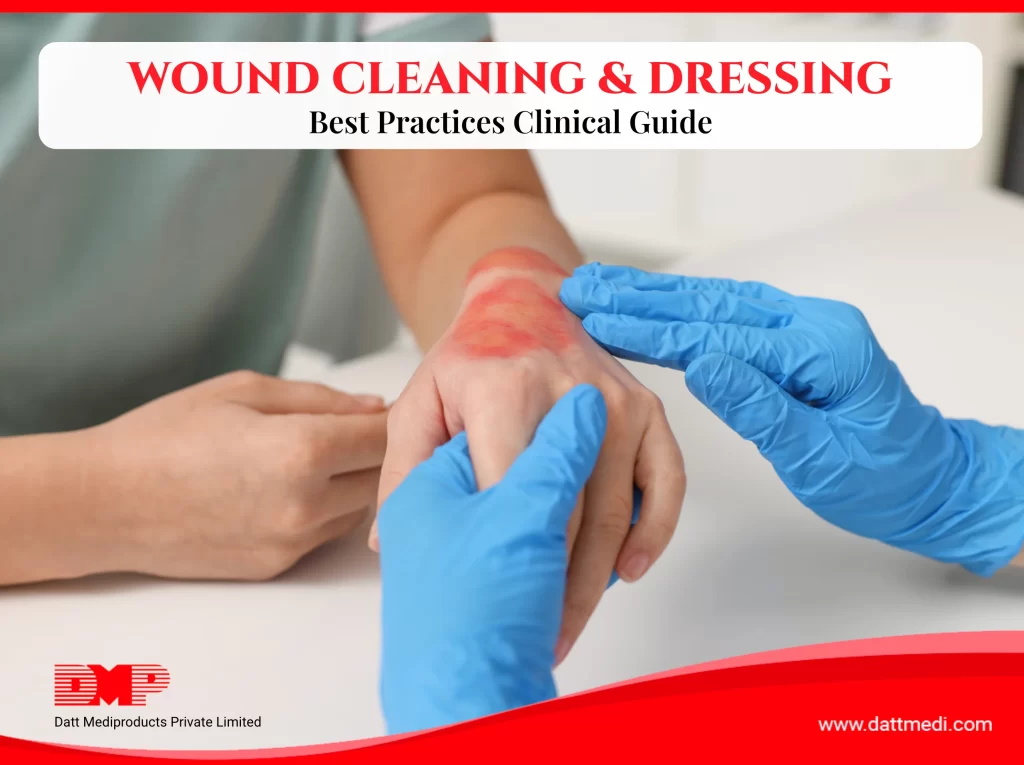
Cleaning wound with sterile saline before applying dressing

Knowing how to clean a wound properly and apply the right dressing plays a critical role in healing outcomes. Inadequate wound care is one of the most common reasons wounds become infected or take longer to heal.

Whether managing a minor cut at home, caring for a surgical incision, or supporting chronic wound recovery, following evidence-based wound care practices helps protect the skin, reduce complications, and support natural tissue repair.

Why Proper Wound Care Is Important

Proper wound care involves cleaning the wound, protecting it with an appropriate dressing made from clinically tested materials, and regularly monitoring the healing progress.

Effective wound care:

  • Reduces microbial contamination
  • Minimizes inflammation and tissue damage
  • Lowers the risk of scarring and delayed healing
  • Supports tissue regeneration, especially in patients with diabetes, poor circulation, or reduced immunity

Maintaining a clean and protected wound environment allows new tissue to form safely and consistently.

Practical example:
Healthcare facilities worldwide follow standardized wound care protocols because consistent and correct wound management directly improves patient recovery outcomes.

Step-by-Step Guide: How to Clean a Wound

A. Prepare Before Cleaning the Wound

1. What to do:
Prepare yourself and gather supplies before touching the wound.

2. Why it matters:
Proper preparation minimizes the risk of introducing bacteria into the wound.

3. How to do it:

  • Wash hands thoroughly and wear clean gloves.
  • Keep sterile saline or clean water ready.
  • Prepare clean, suitable wound dressings as advised, along with a waste disposal bag.

B. Clean the Wound Gently and Safely

1. What to do:
Remove visible dirt, debris, or dried discharge from the wound.

2. Why it matters:
Gentle cleaning reduces infection risk and supports faster healing.

3. How to do it:

  • Rinse the wound using a mild soap and sterile saline or clean running water
  • Use antiseptic solutions only if recommended by a healthcare professional
  • Avoid alcohol or hydrogen peroxide directly on the wound, as these may damage healthy tissue and delay healing

C. Dry the Wound Area Carefully

1. What to do:
Dry the surrounding skin after cleaning.

2. Why it matters:
Excess moisture can weaken surrounding skin and slow healing.

3. How to do it:

  • Gently pat the area dry using sterile gauze
  • Avoid rubbing the wound surface

Choosing the Best Dressing for Open Wounds

A. Factors to Consider When Selecting a Dressing

The best dressing for open wounds depends on:

  • Type of wound (minor cut, surgical incision, or chronic wound)
  • Amount of wound exudate (fluid)
  • Infection risk and patient activity level
Selecting the right dressing—based on wound type and healing needs—helps maintain an optimal wound environment and supports steady healing.

B. Common Types of Wound Dressings and Their Uses

  • Gauze Dressings:
    Suitable for minor wounds and short-term protection, such as Gamjee pads and cotton gauze rolls.
  • Foam Dressings:
    Ideal for moderate to heavily exuding wounds, such as Velfix-S, which helps absorb excess exudate while maintaining a balanced wound environment.
  • Hydrocolloid or Hydrogel Dressings:
    Help maintain a moist environment for healing.
  • Antimicrobial Dressings:
    Recommended when infection risk is high or infection is present, such as Velvert, used under medical guidance.
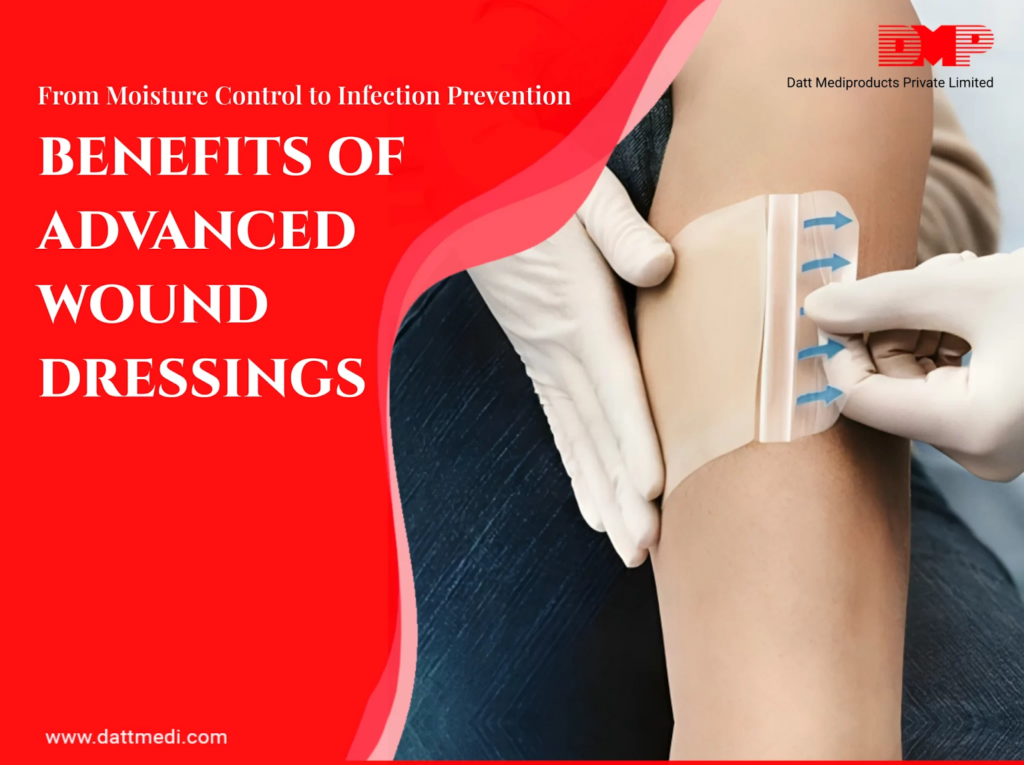
Modern wound management relies on advanced dressing technologies designed to maintain moisture balance and protect healing tissue. – Read More

How to Secure a Wound Dressing Correctly

1. Why it matters:
A dressing that is too loose may expose the wound, while one that is too tight can restrict circulation.

2. Best practices:

  • Use transparent sterile film dressings (Velfix-T Film) to secure the primary dressing while allowing wound visibility.
  • Medical adhesive tape may be used where appropriate.
  • Ensure the dressing is secure, comfortable, and does not restrict blood flow.

How Often Should You Change a Wound Dressing?

Dressing change frequency depends on wound type, exudate level and medical advice. Change the dressing if:

  • It becomes wet or contaminated
  • There is increased redness, discharge, or odor
  • Wounds with higher exudated will require more frequent dressing changes. 
Regular dressing changes using clean and sterilized post-operative or wound dressings reduce infection risk and support faster healing.

Monitoring Wound Healing and Infection Signs

Check the wound daily for:

  • Increased pain, redness, swelling, or warmth.
  • Discharge or unusual odor (possible infected wound signs).
  • Healthy pink or red tissue, which indicates healing.

If healing does not improve or symptoms worsen, consult a healthcare professional promptly.

If any warning signs persist or worsen, early identification is critical. Understanding the common symptoms of wound infection can help prevent serious complications and delayed healing.
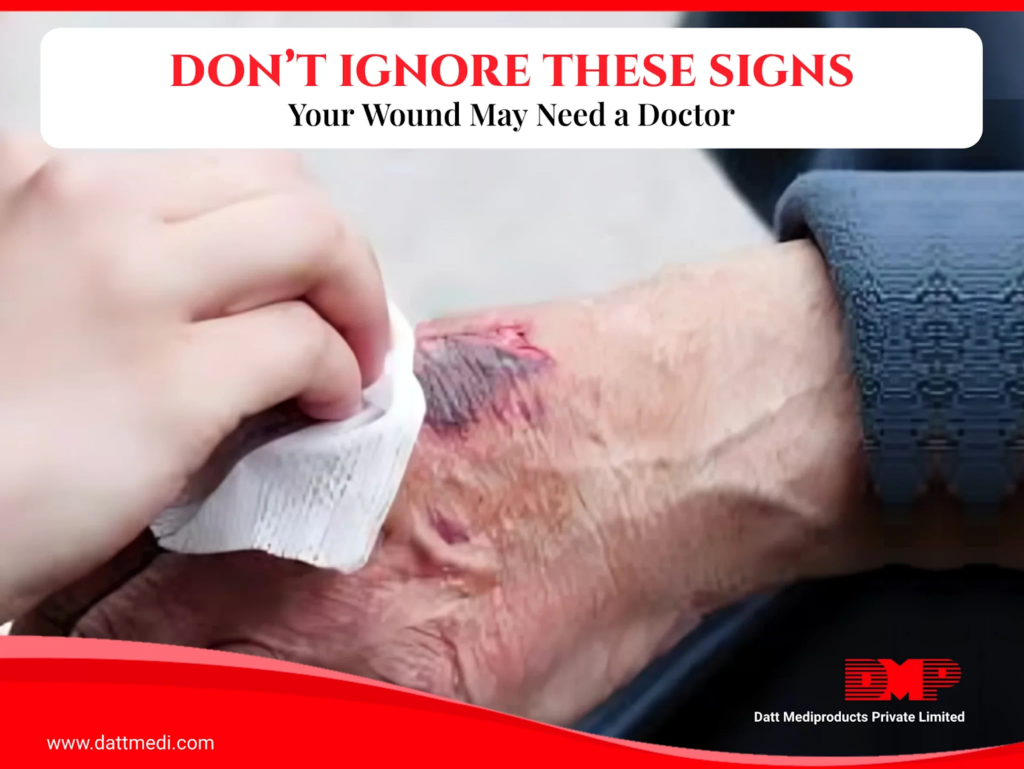
Read more: Signs of Infected Wounds: Symptoms, Risks, and When to Seek Medical Care

Common Wound Care Mistakes to Avoid

  • Using non-sterile or unclean materials
  • Leaving wounds uncovered for extended periods
  • Reusing old or soiled dressings
  • Applying products without professional advice
Avoiding these mistakes can significantly improve recovery outcomes.

When to Seek Medical Attention for a Wound

Seek professional care if:

  • The wound is deep or bleeding heavily
  • It is a burn
  • Signs of infection are present
  • The wound is chronic, such as diabetic foot ulcers or burns
  • Healing does not progress over time
In such cases, specialized solutions like advanced wound dressings may be required, under the guidance of healthcare professionals.

Simple Tips to Support Faster Wound Healing

  • Eat a balanced diet rich in protein, vitamins, and minerals
  • Stay adequately hydrated
  • Avoid smoking and excessive alcohol intake
  • Get sufficient sleep to support tissue repair

Understanding how to clean a wound and apply the correct dressing is essential for safe and effective healing. By following approapriate wound care steps and using quality wound dressings manufactured under international standards such as ISO and CE, patients and caregivers can reduce complications and support better outcomes.

For complex or slow-healing wounds, timely medical guidance remains essential.

Medical Disclaimer

This content is intended for general wound care education and does not replace professional medical advice. Always consult a healthcare provider for serious, worsening, or non-healing wounds.
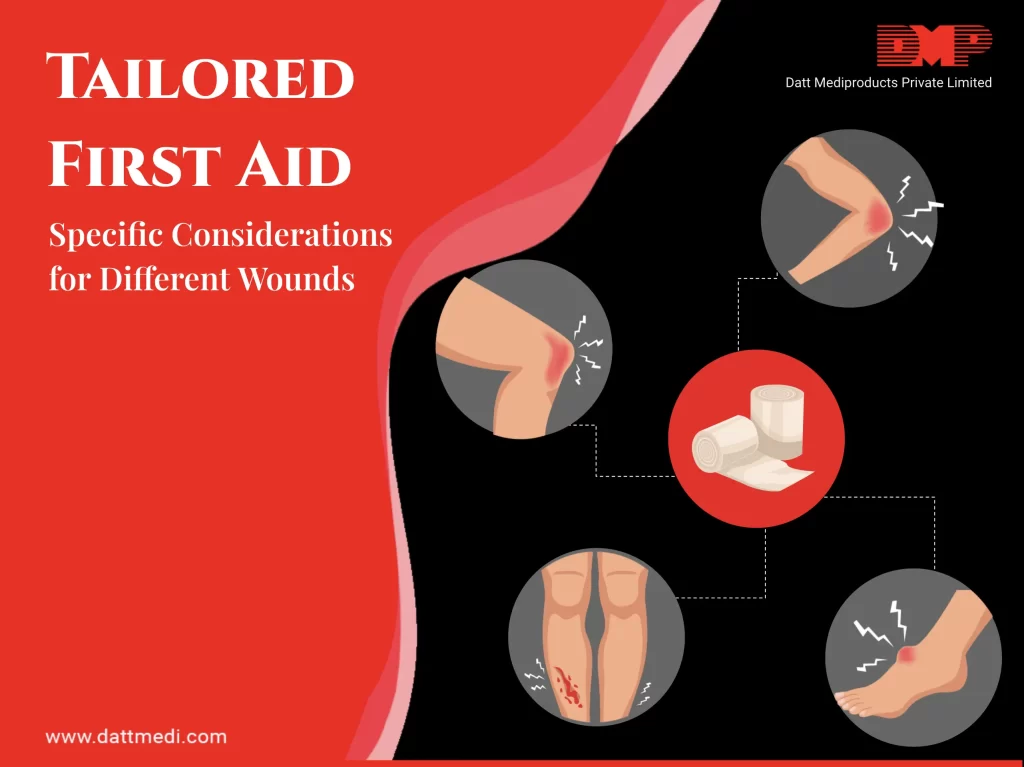
Specific Considerations for Different Wounds

Tailored First Aid: Custom Care for Different Wounds

When it comes to wound care, one size does not fit all. Each wound has its own unique characteristics and possible complications. Tailoring first aid steps to specific types of injuries can significantly impact healing outcomes and minimize complications. In this blog post, we look at different wounds with specific considerations emphasising the need for individualised care and additional precautions to enhance better results.

Understanding Different Wounds:

1. Burns:

  • First-degree burns: These affect only the outer layer of skin, causing redness and mild pain. Immediate first aid involves cooling the burn with cold water or a clean, damp cloth and then applying aloe vera gel. Cover the burn area with a sterile non stick bandage, this will help protect the damaged area from contaminants and the sun. 
  • Second-degree burns: These penetrate deeper into the skin, going through the first and second layer of the skin, causing blistering and severe pain. First aid includes cooling the burn, covering it loosely with a sterile gauze bandage, and seeking medical attention.
  • Third-degree burns: These are the most severe, affecting all layers of the skin and potentially deeper tissues. Third degree burns should always be treated by a healthcare provider and never at home. First aid involves not removing any clothing stuck to the burn, covering it with a clean, dry cloth, and seeking emergency medical help immediately.

2. Deep Cuts:

  • Apply pressure: Use a sterile gauze pad or clean cloth to apply firm pressure to stop bleeding.
  • Clean the wound: Once the bleeding has stopped rinse the cut with clean water to remove any debris and dirt.
  • Bandage the wound: Once it has been cleaned properly, cover the cut with a sterile bandage or gauze pad and secure it with medical tape.
  • Seek medical attention: Deep cuts may require stitches to promote proper healing and reduce the risk of infection.

3. Abrasions:

Abrasions, also known as scrapes, occur when the skin is rubbed or scraped against a rough surface, causing superficial damage.

  • First aid involves cleaning the abrasion with soap and water to remove debris and applying an antibiotic ointment to prevent infection.
  • Cover the abrasion with a sterile bandage or gauze pad to protect it from further irritation and promote healing.
  • Change the dressing on a regular basis and check the area daily
  • If there are any signs of an infection such as, fever, swelling, an increase in redness or fluid seek medical help from a healthcare provider.

4. Puncture Wounds: 

Puncture wounds are caused by sharp objects piercing the skin, such as nails, needles, or animal bites. Such types of wounds have a greater risk of infection as bacteria are being pushed into the skin.

  • First aid involves cleaning the wound thoroughly with soap and water to remove any dirt or debris.
  • Do not attempt to remove any object embedded in the skin. Instead, stabilize the object and seek medical attention immediately.
  • Cover the puncture wound with a clean cloth or sterile bandage to reduce the risk of infection until medical help arrives.

Therefore, understanding the characteristics and appropriate first aid measures for different types of wounds is essential for providing effective care and promoting optimal healing outcomes.

5. Tailored First Aid:

Children:

  • Children’s skin is more delicate and prone to infection. Use extra caution when cleaning and bandaging wounds.
  • Consider using adhesive bandages with fun designs to make the first aid process less intimidating for children.

Elderly:

  • Elderly individuals may have thinner skin and reduced circulation, making them more susceptible to skin tears and slow wound healing.
  • Be gentle when cleaning and bandaging wounds to avoid causing further damage.

Individuals with Diabetes:

  • Diabetes can impair blood flow and reduce sensation in the extremities, increasing the risk of foot ulcers and slow-healing wounds.
  • Inspect feet daily for any signs of injury and seek prompt medical attention for any cuts or sores.

Precautions and Practices:

In addition to first aid measures designed for specific wound types, there are several precautions and practices to keep in mind:

  • Always wash your hands thoroughly before and after your first treatment to prevent the spread of infection.
  • Use disposable gloves when treating the wound to reduce the risk of contamination.
  • Avoid using alcohol or hydrogen peroxide directly on the wound, as it can damage healthy tissue.
  • Keep first aid kits safe and easily accessible in an emergency.

Tailoring first aid measures to specific types of wounds is crucial for effective treatment and optimal healing. Whether it’s a minor burn or a deep cut, understanding the unique needs of each injury and taking appropriate action can make a significant difference in recovery outcomes and help in reducing the risk of complications.

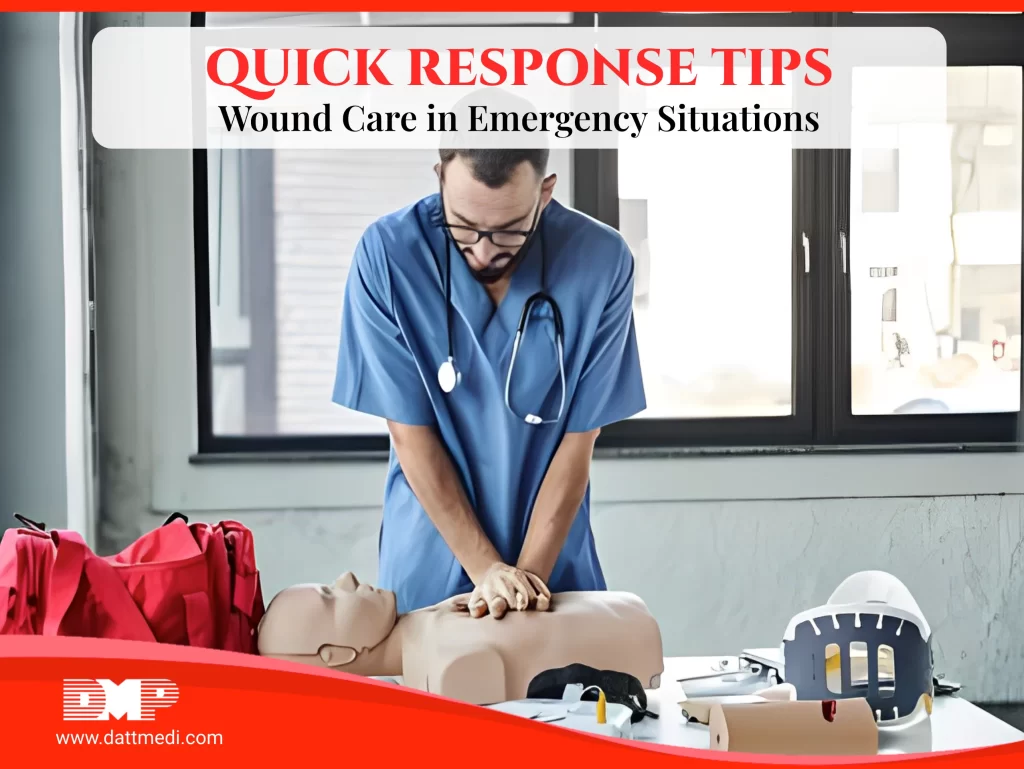
Wound Care in Emergency Situations

Wound Care in Emergency Situations: Quick Response Tips

In moments of crisis, such as accidents or emergencies, being equipped with the knowledge and skills to administer proper wound care can make a critical difference in saving lives and preventing further complications. Whether you’re a bystander or the injured person themselves, understanding the essential steps of wound care in emergency situations is paramount. 

Here are some quick response tips to guide you through assessing and managing wounds effectively:

1. Assessment and Safety First –

The foremost priority in any emergency situation is safety. Before rushing to aid the injured person, take a moment to assess the surroundings for potential hazards. Ensure both your safety and that of the injured individual by identifying and eliminating any immediate dangers.

2. Control Bleeding –

One of the most crucial steps in wound care is controlling bleeding. Apply direct pressure to the wound using a clean cloth or dressing. Elevating the injured area, if feasible, can help reduce blood flow and minimize bleeding. Prompt action in staunching the blood flow can prevent further loss and stabilize the individual’s condition.

3. Clean the Wound Quickly –

After addressing the bleeding, it’s essential to clean the wound promptly. Rinse the wound gently with clean water to remove any debris or foreign objects. In emergency situations, it’s advisable to avoid using strong antiseptics or solutions unless absolutely necessary, as they can cause further irritation or delay in treatment.

4. Apply Dressing and Bandage –

Once the wound is cleaned, cover it with a sterile dressing or a clean cloth to protect it from contamination. Secure the dressing in place using a bandage or cloth, ensuring it is snug but not too tight to impede circulation. Proper dressings help create an optimal environment for wound healing while preventing infection.

5. Seek Medical Assistance –

While initial wound care is essential, it’s crucial to recognize the severity of the injury and seek professional medical assistance promptly. Call emergency services or transport the individual to the nearest medical facility if the wound is severe, deep, or if bleeding persists despite initial measures. Timely medical intervention can prevent complications and facilitate proper wound management.

6. Prevent Shock and Comfort the Injured –

In addition to physical care, it’s vital to address the emotional and psychological needs of the injured person. Keep them calm and reassured to prevent shock, covering them with a blanket to maintain body warmth and comfort. Offering words of encouragement and support can go a long way in alleviating distress.

7. Continued Monitoring and Updates –

Even after administering initial first aid, it’s essential to continue monitoring the injured person’s condition until professional help arrives. Stay vigilant for any signs of deterioration or changes in vital signs, providing updates and relevant information to emergency responders upon their arrival. Your ongoing support and assistance can contribute significantly to the individual’s overall well-being and recovery.

Therefore, effective wound care in emergency situations requires a combination of swift action, sound judgment, and compassion. By prioritizing safety, controlling bleeding, cleaning the wound, seeking medical assistance, providing comfort, and monitoring the individual’s condition, you can help ensure the best possible outcome for the injured person. Remember, every second counts in an emergency, and your actions can make a lifesaving difference.

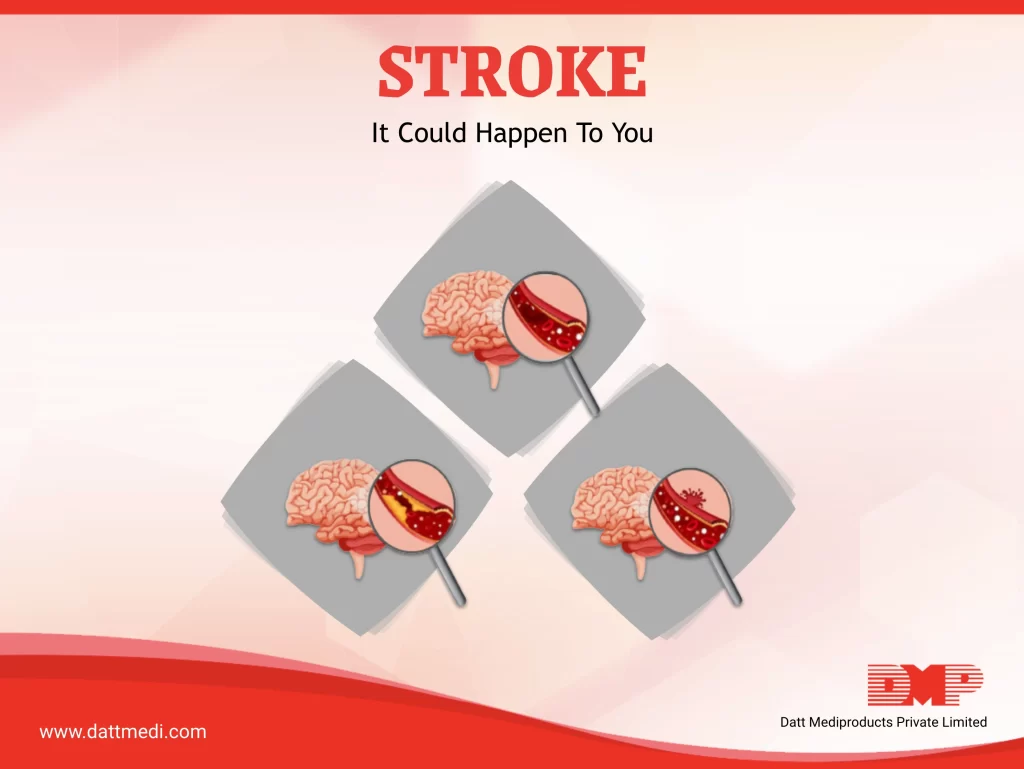
STROKE ACT FAST

A stroke is a medical emergency causing the brain tissue to die which can lead to brain damage, long-term disability or death. A stroke is often referred to as a “brain attack” and is associated with high mortality and high morbidity.

(more…)
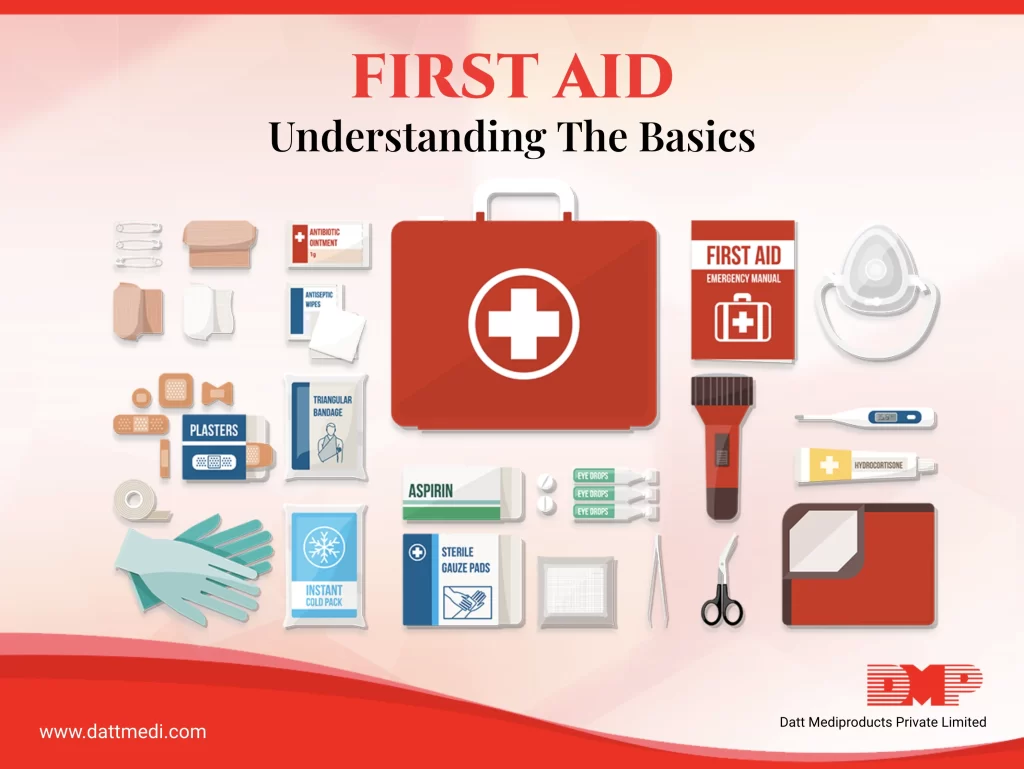
Understanding the basics of First Aid

“First Aid” attributes to any immediate treatment procedure or technique, used to save the life of an injured person. As per the Collins Dictionary, “First aid is defined as a simple medical treatment given as soon as possible to a person who is injured or who suddenly becomes ill.” 

Most of the people, even without medical experience, can be trained to perform these procedures.

(more…)
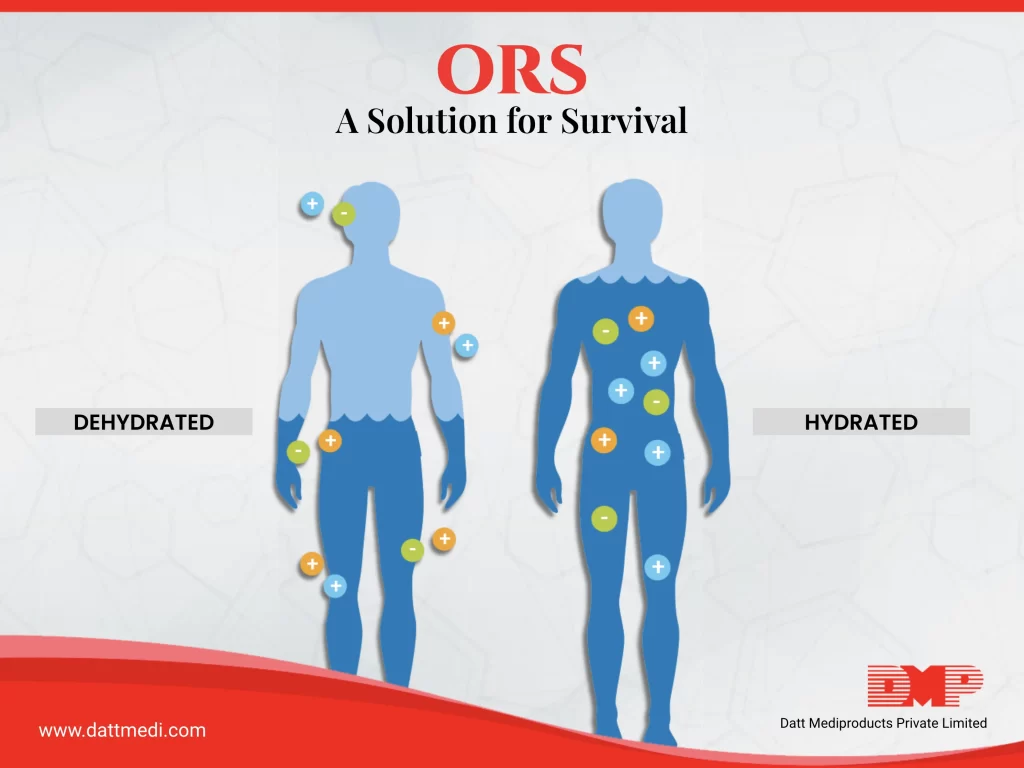
ORS A Solution for Survival

In developing nations, acute diarrheal diseases and dehydration caused by them are one of the most significant causes of death in infants and young children. This dehydration can be managed orally and intravenously, with oral rehydration therapy being the most effective, simple to use, and worthwhile of the two options.

(more…)
Logo

Datt Mediproducts Private Limited

Loading