
Search by Blog
Read by Category

Your healing journey continues beyond this blog

Find the right products for better recovery at online store
Cart Image
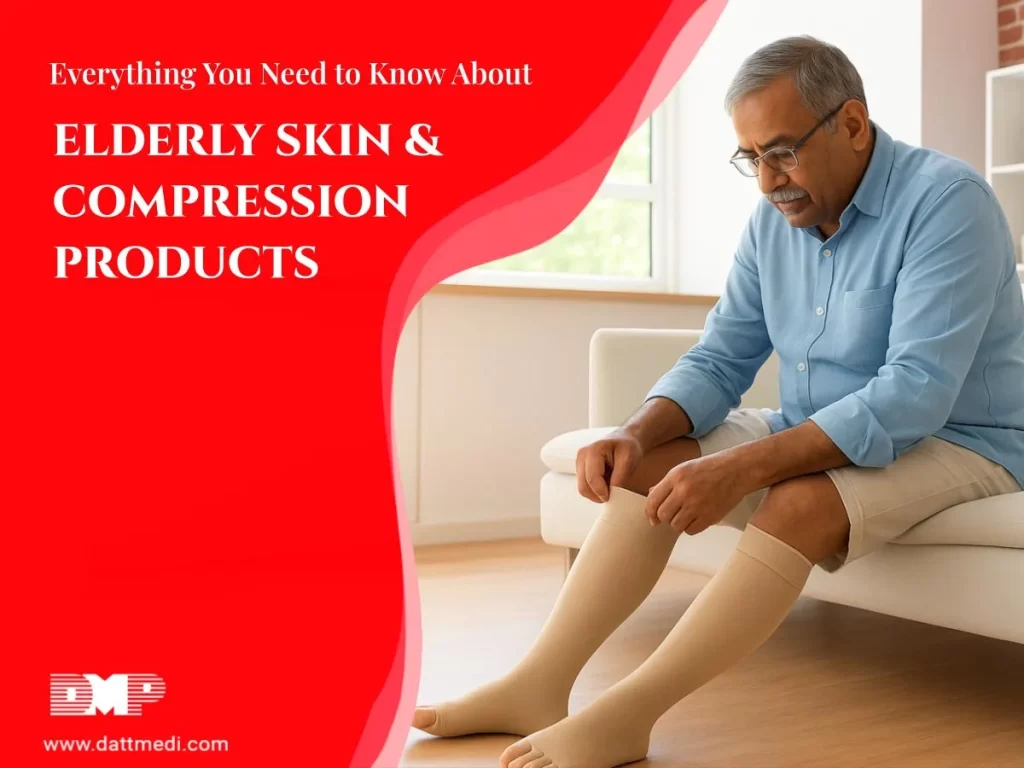
Elderly patient wearing soft compression stocking

Compression can be safe for some older adults with fragile skin, but the right product, pressure and fit matter. If circulation is reduced or the skin is extremely fragile, a healthcare professional should assess the leg before compression is used.

As we age, skin becomes thinner, drier and less elastic. This can make it easier to bruise, tear or become irritated from pressure and friction. That does not automatically mean compression must be avoided. It means the garment or bandage needs to be selected, applied and monitored carefully.

This blog explains how compression stockings and bandages differ, what to look for when skin is fragile, how to use compression more safely, and which warning signs mean you should stop and seek medical advice. 

Why Does Aging Skin Need Extra Care with Compression?

Older skin is more vulnerable to pressure, friction and skin damage, so fit and application become especially important.

Common changes in aging skin include:

  • Thinner skin
  • Reduced elasticity
  • Increased dryness
  • Greater tendency to bruise
  • Higher risk of skin tears
  • Slower recovery from skin damage
A compression garment that fits incorrectly or is applied roughly 
can create unnecessary pressure or friction. Regular skin checks
are therefore particularly important for older adults.

Are Compression Stockings or Bandages Better for Fragile Skin?

Neither option is automatically better. The choice depends on the person’s skin condition, swelling, limb shape, dexterity and the type of compression required.

FactorCompression StockingsCompression Bandages
PressureDesigned to provide a defined level of compressionDepends on the bandage system and application
FitRequires accurate measurementCan be adjusted around the limb
ApplicationMay be difficult for people with limited hand strength or mobilityOften requires correct wrapping technique
SwellingUseful when the limb can be fitted appropriatelyCan be useful when limb size changes
Fragile skinNeeds careful application to avoid pulling or frictionRequires careful wrapping without excessive pressure or folds

For someone who has difficulty putting on or removing a stocking, assistance or an appropriate application aid may be needed.

Read our guide on 
Compression Bandages vs. Compression Stockings
for a closer comparison.

What Should You Look for in Compression Products for Older Skin?

Accurate sizing, appropriate pressure and a comfortable material are three important considerations when skin is fragile.

1. Accurate fit

A garment that is too tight may create excessive pressure, while one that is too loose may not provide the intended support.

Leg measurements should be taken according to the manufacturer’s instructions. Our guide on Correct Measurement and Fit of Compression Garments explains the process in more detail.

2. Appropriate compression level

The correct compression level depends on the reason for compression, circulation, swelling and the person’s medical condition.

Do not assume that a stronger compression level is better. If someone has peripheral arterial disease, reduced sensation, significant skin problems or other medical conditions, professional assessment is particularly important before compression is used.

NICE recommends assessment for peripheral arterial disease when compression hosiery is being considered.

3. Skin-friendly material

Look for material that feels comfortable against the skin and does not create unnecessary rubbing or moisture build-up.

The garment should also sit smoothly against the leg rather than bunching into folds.

What Are the Risks of Incorrect Compression?

Poor fit, excessive pressure, wrinkles or rough application can contribute to skin irritation, pressure damage or circulation problems.

Possible problems include:

  • Redness or irritation
  • Pressure marks
  • Bruising
  • Skin tears
  • Blisters
  • Skin breakdown
  • Numbness or tingling
  • Reduced circulation when compression is inappropriate

The risk is particularly important when the person has reduced sensation and may not notice pressure or discomfort immediately.

How Can Older Adults Use Compression More Safely?

Apply compression gently, avoid wrinkles, check the skin regularly and follow the recommended wear instructions.

1. Apply it gently

Avoid pulling aggressively on fragile skin. Gloves or suitable donning aids may make application easier and reduce unnecessary friction.

2. Keep the skin moisturised

Dry skin can be more vulnerable to cracking and irritation. A suitable fragrance-free moisturiser can help maintain the skin barrier.

Allow moisturiser to absorb before applying compression, and follow the garment manufacturer’s care instructions.

3. Remove wrinkles and folds

Wrinkles can create concentrated areas of pressure.

After applying the garment or bandage, check that it sits smoothly and does not form tight folds.

4. Check the skin every day

Pay particular attention to:

  • Ankles
  • Heels
  • Shins
  • Toes
  • Behind the knees
  • Areas over bony prominences

Look for new redness, bruising, blisters, swelling or skin damage.

5. Follow professional advice on wear time

There is no single wear schedule that is right for everyone. Follow the instructions provided for the specific condition, product and compression level.

When Should Compression Be Avoided or Professionally Assessed?

People with circulation problems, reduced sensation, significant skin damage or certain heart conditions should receive professional advice before using compression.

Extra assessment may be needed when there is:

  • Known or suspected peripheral arterial disease
  • Significant loss of sensation or peripheral neuropathy
  • Very fragile or damaged skin
  • Open wounds or active skin infection
  • Significant or unexplained swelling
  • Heart failure or other significant cardiac conditions
  • A leg shape that makes correct fitting difficult
NICE notes that strong compression can affect arterial blood supply in people with peripheral arterial disease, which is why circulation assessment matters before compression is prescribed.

For people with venous leg ulcers, evidence reviewed by Cochrane indicates that compression can improve healing compared with no compression, although the evidence around adverse effects is less certain.

What Warning Signs Mean Compression Should Come Off?

Stop and seek medical advice if compression causes new or worsening symptoms such as significant pain, numbness, marked colour change, cold toes, blistering or skin damage.

Remove the garment or seek urgent medical assessment if you notice:

  • New numbness or tingling
  • Significant or increasing pain
  • Toes becoming unusually cold, pale or blue
  • New blisters or skin tears
  • Rapidly worsening swelling
  • Skin becoming damaged beneath the garment

Sudden one-sided leg swelling, pain, warmth or redness also needs prompt medical assessment because these symptoms can have causes that require urgent treatment, including a possible blood clot.

Do not simply increase or decrease compression yourself when symptoms appear. Get professional advice about the cause and the appropriate level of support.

Can Compression Help Older Adults with Swelling?

Compression can help manage certain types of leg swelling, particularly when swelling is related to venous or lymphatic problems, but the cause of swelling should be considered first.

Compression is not appropriate for every type of swelling.

If swelling is new, sudden, one-sided or accompanied by pain, warmth or redness, medical assessment is more important than simply applying compression.

For more information about how compression is used in wound care, 
Read our guide to Compression Therapy in Wound Healing.

Supporting Older Skin While Using Compression

Compression does not have to mean compromising skin comfort.

For older adults with fragile skin, the focus should be on:

  • Correct measurement
  • Appropriate compression
  • Gentle application
  • Smooth, wrinkle-free positioning
  • Regular skin checks
  • Professional assessment when medical conditions are present

When these factors are considered, compression can be used appropriately as part of care for some older adults.

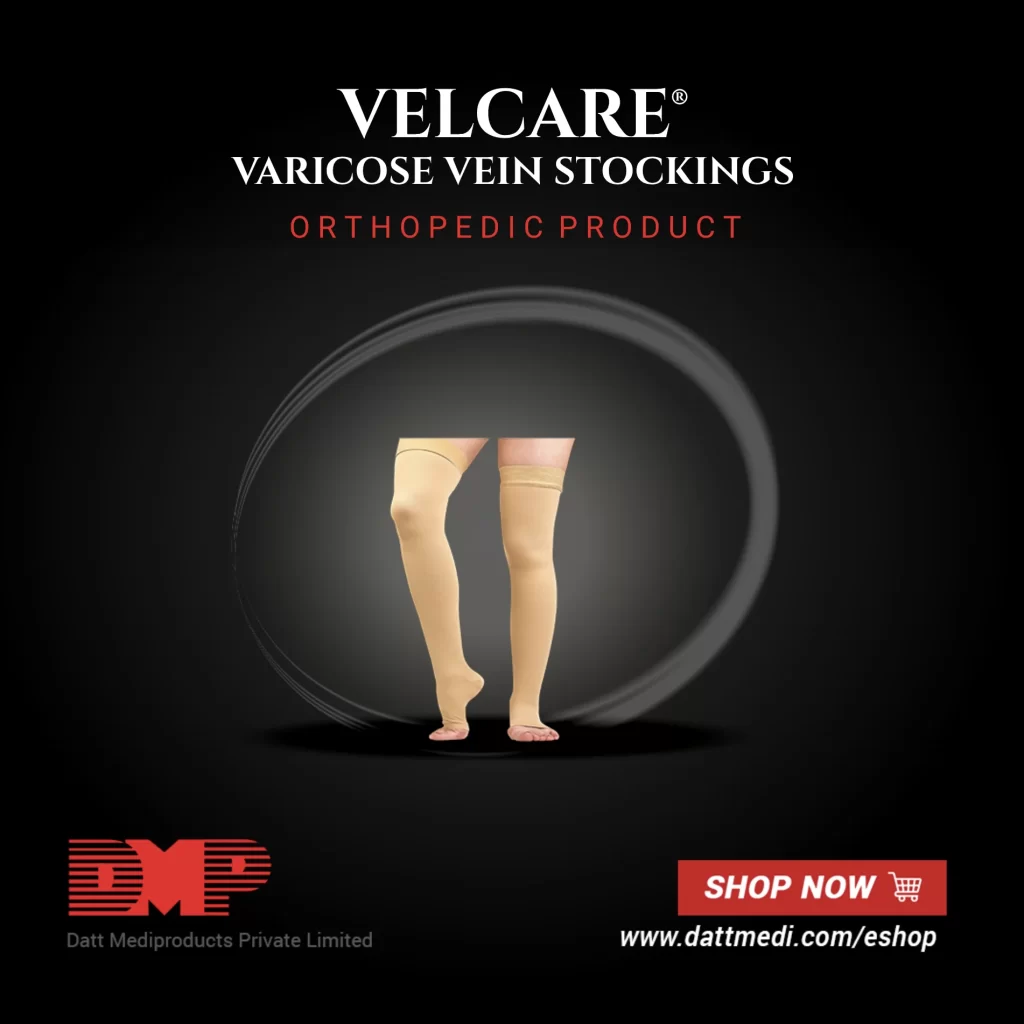
For everyday venous support, explore Velcare® Varicose Vein Compression Stockings. For adjustable compression support, explore the DMP Compression Bandage range.
Related Reading

Visit www.dattmedi.com for more infomation.
Share:

Frequnently Asked Questions

Some older adults can use compression stockings safely, but fragile skin requires careful fitting, gentle application and regular skin checks. Professional assessment is particularly important when circulation, sensation or skin integrity is affected.

There is no single compression level that is appropriate for every older adult. The correct level depends on the reason for compression, circulation, swelling, skin condition and other medical factors.

They can contribute to skin damage if they are poorly fitted, applied roughly, or create excessive pressure or friction. Gentle application, correct sizing and regular skin inspection can help reduce the risk.

Not necessarily. Bandages and stockings have different advantages, and the appropriate choice depends on the person’s swelling, skin condition, limb shape, ability to apply the product and required compression.

Not automatically. Wear time depends on the person’s condition, the type of compression and the instructions provided by their healthcare professional or product guidance.

Recent Blogs
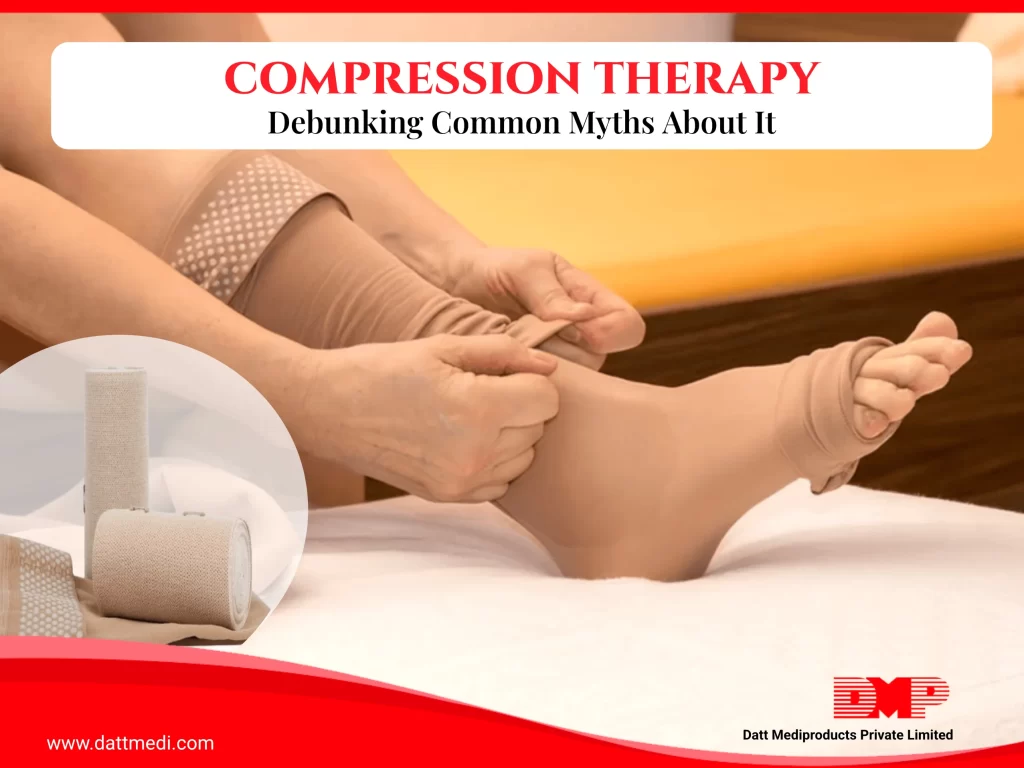
Compression therapy applied to the lower limb to support wound healing

Wound healing is often slowed when the body cannot efficiently move blood and excess fluid away from the affected area. This causes low blood flow which leads to reduced oxygen & nutrient supply, both are critical for cell repair. This is frequently seen in chronic venous ulcers, lymphedema, diabetic wounds, and post-surgical swelling.

Compression therapy is one of the most effective clinical methods to improve circulation, support healing, and enhance overall wound management.

By applying controlled and consistent pressure, compression therapy reduces fluid buildup, improves oxygen delivery, and creates a stable environment that promotes faster tissue repair.

What Is Compression Therapy? How It Works

Compression therapy uses medical tools such as compression bandages, garments, or dressings to apply even pressure to a limb or wound site. This helps to:

  • Redirect blood flow toward the heart
  • Reduce fluid accumulation under the skin
  • Improve oxygen supply to damaged tissues
  • Support formation of healthier new tissue
This controlled pressure creates a stable, balanced healing environment and reduces strain on surrounding skin.

Types of Compression Therapy

1. Elastic Compression Bandages

Widely used for venous ulcers and chronic wounds because they allow adjustable pressure and support daily wound care.
Related Product: Compression Bandages – Wound Care Range

2. Compression Garments

Ideal for long-term swelling, lymphedema care, and post-surgical recovery. They offer uniform pressure and help maintain inflammation control. Velcare® Varicose Vein Stockings– Compression Garments

Compression Therapy for Wound Healing: Critical Facts You Need

Know More About – Velcare® Varicose Vein Stockings- Compression Garments

3. Dressings With Built-In Mild Compression

Foam and hydro colloid dressings provide gentle compression while maintaining moisture balance. Recommended options:

How Compression Therapy Supports Wound Healing

  1. Improved Blood Flow – Prevents blood pooling and delivers oxygen and nutrients for efficient tissue repair.
  2. Swelling Control (Edema Management) – Removes trapped fluid, reducing discomfort and creating a stable environment.
  3. Enhanced New Tissue Formation – Supports orderly tissue repair and faster wound closure.
  4. Reduced Risk of Raised Scars – Mild compression after surgery or burns helps prevent thick or raised scars.

When Compression Therapy Is Recommended

  • Chronic Venous Ulcers – Supports circulation and long-term healing.
  • Lymphedema Care – Manages fluid buildup, heaviness, and infection risk.
  • Post-Surgical Recovery – Controls inflammation, stabilizes the wound area, and supports smoother healing.
  • Diabetic Foot Ulcers – Can support healthy circulation under clinical guidance.
Top Misconceptions About Compression Therapy

Read more about Compression Therapy

Benefits of Compression Therapy

  • Faster wound healing through improved circulation
  • Reduced risk of recurrence, especially in venous ulcers
  • Lower pain and discomfort due to decreased swelling
  • Better mobility and overall patient comfort

How to Use Compression Therapy Safely

  1. Ensure Proper Fit – Pressure must match clinical needs; too little is ineffective, too much can cause skin damage.
  2. Monitor the Skin Regularly – Watch for numbness, tingling, coldness, or unusual pain.
  3. Increase Pressure Gradually – Start with lower compression levels and increase slowly under clinical supervision.

When Compression Therapy Should NOT Be Used:

Avoid compression unless recommended by a clinician if the patient has:

  • Poor arterial circulation
  • Active infection at wound site
  • Acute heart failure
  • Severe peripheral arterial disease (ABI)

Always consult a healthcare professional before beginning or modifying compression therapy.

Best Practices for Better Healing

Compression works best when combined with:

  • Gentle wound cleansing
  • Moisture-balancing dressings (foam, antimicrobial)
  • Adequate nutrition (protein, vitamins, minerals)
  • Regular assessments by wound-care specialists

Together, these steps create a complete, supportive healing environment.

Compression therapy is vital for accelerated wound healing, edema control, venous ulcer management, lymphedema care, and post-surgical recovery. When combined with appropriate dressings and monitored safely, it offers faster healing, improved patient comfort, and reduced risk of complications or recurrence.

Explore Professional Wound-Care Solutions – Wound Care Category

Understanding Arthritis

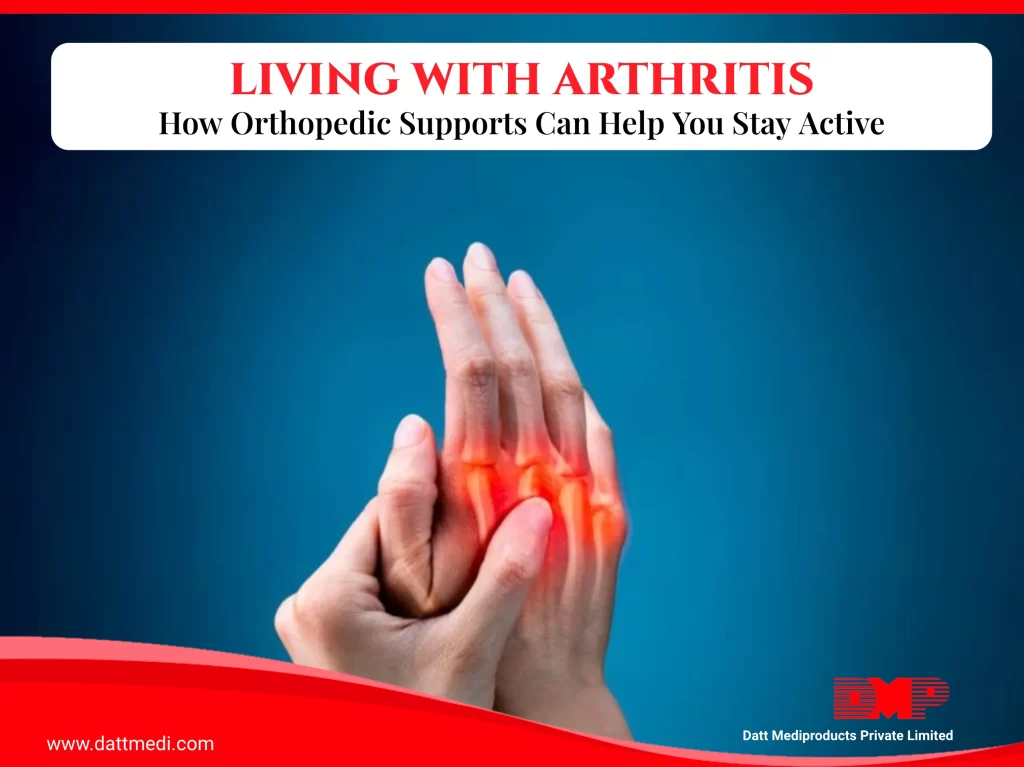
Understanding Arthritis: How Compression Sleeves and Joint Supports Provide Relief

Arthritis is one of the most common chronic conditions affecting joints, with millions worldwide experiencing its impact daily. Characterized by joint pain, stiffness, and swelling, arthritis can significantly reduce mobility and quality of life.

While medical treatments and therapies are essential, patients often seek supportive solutions that offer daily relief and improve comfort.

Challenges Faced by Arthritis Patients

Living with arthritis is more than dealing with occasional discomfort—it involves:

  • Persistent joint pain and stiffness, limiting day-to-day movement.
  • Swelling and inflammation, which can worsen with activity.
  • Reduced grip and mobility, affecting simple tasks like walking, lifting, or writing.
  • Emotional impact, as long-term discomfort can lead to frustration, anxiety, and reduced independence.

These challenges highlight the importance of accessible, non-invasive support solutions.

How Orthopedic Support Products Help

Orthopedic aids like compression sleeves, joint supports, and braces are designed to complement medical management of arthritis. They provide:

  • Gentle compression, improving circulation and reducing swelling resulting in a quicker recovery.
  • Targeted support, stabilizing affected joints and limiting excessive strain.
  • Improved comfort, easing pressure during movement or rest.

By addressing both pain and mobility limitations, these products serve as practical companions in daily arthritis care.

Benefits of Using Orthopedic Supports for Arthritis

Patients using compression sleeves and joint supports may experience:

  • Pain reduction through controlled pressure and warmth.
  • Decreased inflammation by enhancing blood flow and minimizing fluid buildup and an enhanced lymphatic drainage to flush out toxins.
  • Better joint alignment and stabilization reducing the risk of further strain or injury allowing the muscles and joints to function effectively.
  • Enhanced confidence and mobility, allowing greater participation in daily activities.

Choosing the Right Product

Selecting the appropriate orthopedic support is essential for effectiveness:

  • Compression sleeves: Best for continuous wear, mild-to-moderate pain, and swelling reduction.
  • Knee or elbow supports: Ideal for stabilizing specific joints during activity and to redistribute your weight thereby reducing knee pain. 

  • Braces with adjustable straps: Suitable for patients requiring targeted support or customized pressure.
  • Medical consultation: Always recommended to ensure the chosen product meets the patient’s condition and needs.

To maximize benefits, orthopedic supports should be incorporated into everyday routines:

  • Wear during physical activity or prolonged standing to prevent flare-ups.
  • Combine with gentle exercises recommended by physiotherapists.
  • Use alongside healthy lifestyle practices, including weight management, balanced nutrition, and anti-inflammatory habits.
  • Regularly monitor product fit and condition to maintain comfort and effectiveness.

Arthritis may be a lifelong condition, but it does not have to define a patient’s independence or comfort. Orthopedic products like compression sleeves and joint supports provide accessible, non-invasive relief—helping reduce pain, control inflammation, and support mobility.

By choosing the right product and integrating it into daily life, patients can regain confidence, ease, and a better quality of life.

Logo

Datt Mediproducts Private Limited

Loading
Buy Now Contact Us