

Search by Blog
Read by Category

Your healing journey continues beyond this blog

Find the right products for better recovery at online store
Cart Image
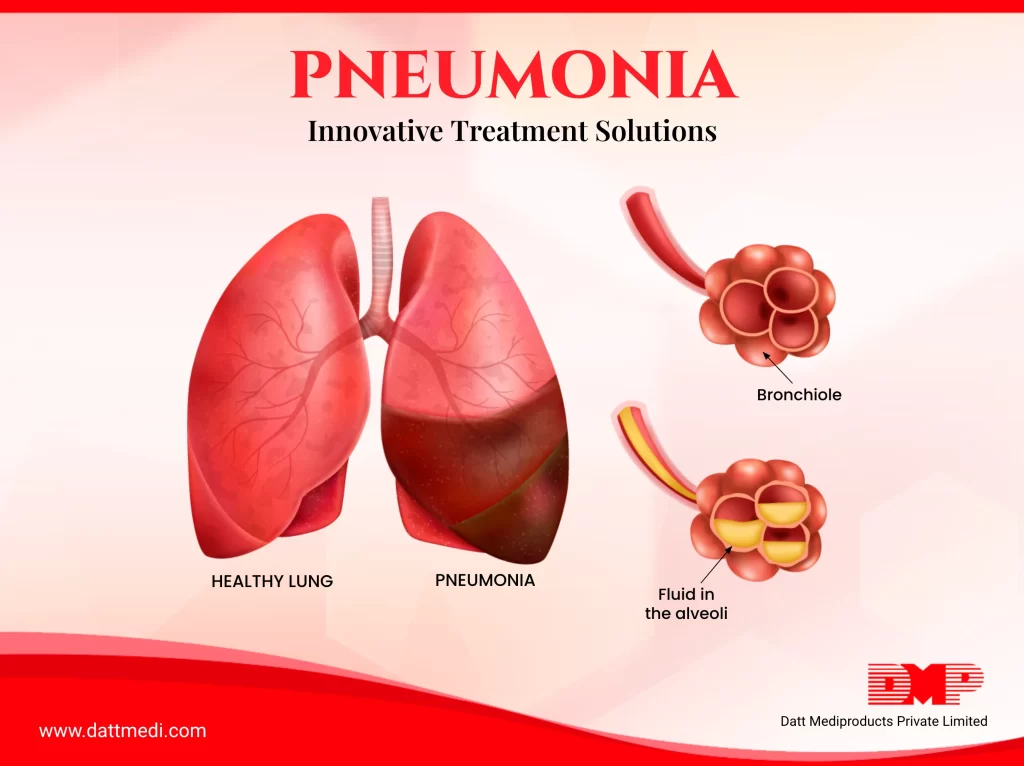
Pneumonia and its Innovative Treatment Solutions

Do you know that Pneumonia is the foremost infectious disease causing death in children below 5 years of age? Let us understand what it is.

Pneumonia is an infection that affects human lungs and causes inflammation of the air sacs. The alveoli (air sacs) might get filled with pus or fluid resulting in cough.

Pneumonia may be caused by bacteria, viruses or fungi, hence its various types.
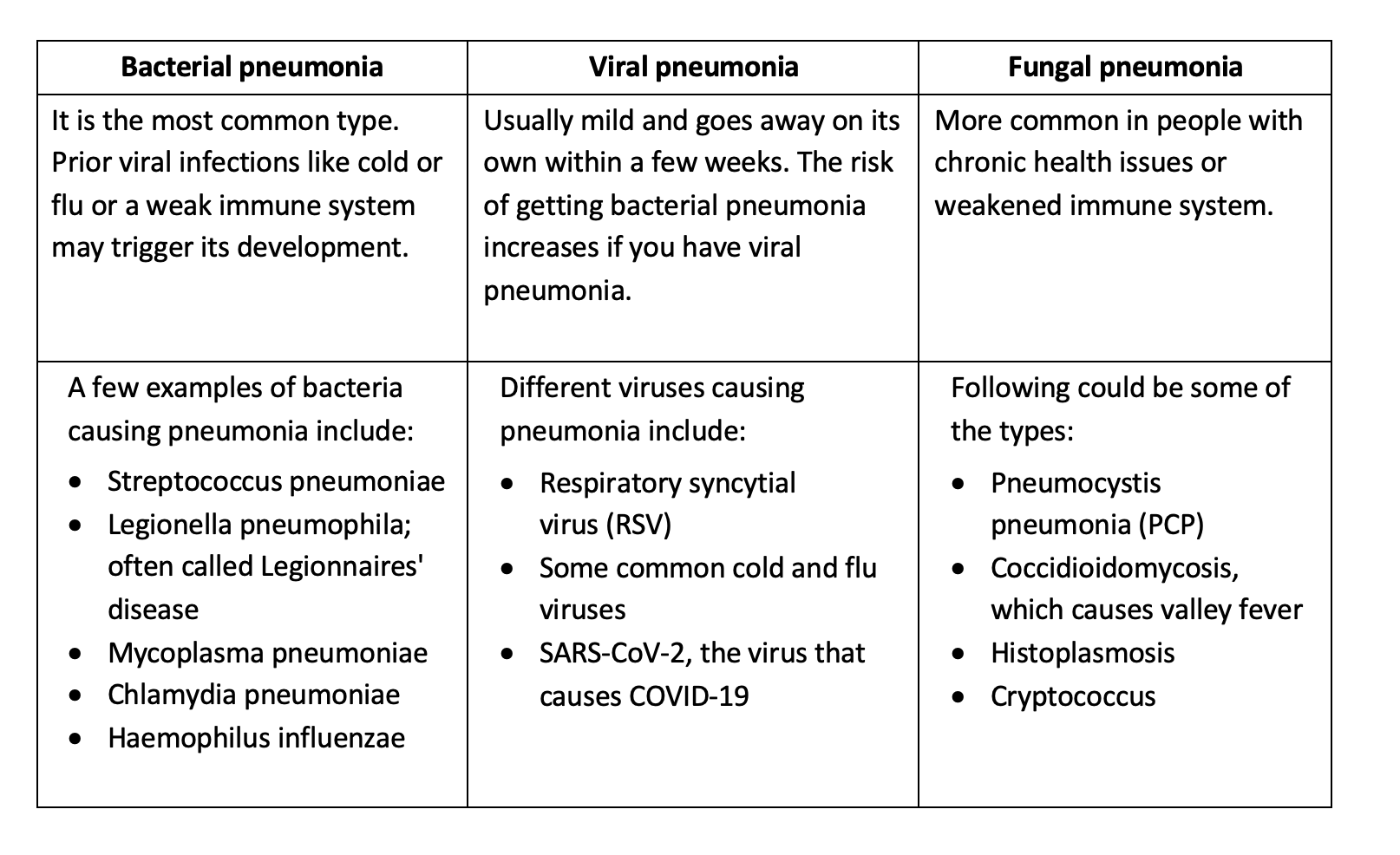
Apart from these, pneumonia may be classified as Hospital Acquired Pneumonia, Healthcare Acquired Pneumonia or Aspiration Pneumonia.

SYMPTOMS     

The seriousness of this indication may range from mild to life threatening, depending upon some factors like infection causing agent, age and overall health of the patient. The pus or the purulent material which accumulates in the air sacs causes cough with phlegm or pus, fever, sweating or shaking chills, and difficulty in breathing. Some other signs and symptoms may include the following:

-Chest pain while breathing or coughing
-Confusion or changes in mental awareness (in adults age 65 and older)
-Fatigue
-Lower than normal body temperature especially in adults age 65 or more and people with weak immune systems
-Nausea, vomiting or diarrhea
-Shortness of breath

CERTAIN KEY FACTS

-Pneumonia can occur in one or both the lungs
-As per WHO, Pneumonia accounted for 14% of all deaths of children under 5 years old, killing 740 180 children in 2019
-Only one third of children with pneumonia receive the antibiotics they need
-In spite of various appropriate antibiotic treatments, 14–35% of all hospitalised community-acquired pneumonia (CAP) patients die, which may be due to their age and comorbidities

INNOVATIVE TREATMENT SOLUTIONS

A few innovations to treat childhood pneumonia are under development. These include amoxicillin dispersible tablets, Low-cost, electricity-free oxygen concentrators, oxygen-in-a-box, which relies on chemical oxygen generation.

In 2019, USFDA approved a new antibiotic Xenleta (lefamulin) to treat community-acquired bacterial pneumonia in adults. The safety and efficacy of this drug was evaluated in 2 clinical trials with a total enrollment of 1,289 patients. The clinical success rates were found to be similar when compared to another antibiotic, moxifloxacin with or without linezolid.

ADJUVANT THERAPIES FOR IMPROVING PULMONARY BARRIER FUNCTION

Adrenomedullin: It is an endogenous peptide expressed by different vascular system cells. It improves pulmonary barrier dysfunction caused by different stimuli such as hydrogen peroxide, or Staphylococcus aureusα-toxin. Various studies show Adrenomedullin as a promising candidate for an adjuvant pharmacological approach to prevent lung injury in pneumonia.

Angiopoietin/Tie2 system: Angiopoietin (Ang)-1 and Ang-2 are ligands for the receptor tyrosine kinase Tie2. A short synthetic peptide VASCULOTIDE inhibits binding of these ligands and has proven to have therapeutic potential by counteracting lung vascular barrier dysfunction and reducing mortality.

Apart from these, stem based therapies are also available for pneumonia associated acute respiratory distress syndrome (ARDS).

We understand that it might take time to recover from pneumonia but trying to treat the indication on your own without consulting a doctor might not be a good option to consider.

Avoid taking cough medicines also, as cough is one of the body’s responses to get rid of infection. We @dattmediproducts recommend consulting a doctor at every step. The only precaution one can take is to stay away from smoke to help your lungs heal and take a lot of rest.

Visit www.dattmedi.com for more infomation.
Share:
Recent Blogs
Daily Wound Care Routine

Daily Wound Care Routines: Simple Practices for Healing

When it comes to wound care, establishing a daily wound care routine is crucial for ensuring optimal healing and preventing complications. Daily wound inspection is the cornerstone of this routine, as it allows individuals to monitor changes and identify potential signs of infection early on. Gentle cleaning is another fundamental aspect, and using mild soap and water or a saline solution can effectively remove debris without causing further harm. This step not only promotes cleanliness but also prepares the wound for the next crucial element in the routine – dressing selection.

The choice of dressing plays a pivotal role in the healing process:

Understanding the wound type and condition is essential for selecting the appropriate dressing. Different wounds require different approaches, and the right dressing helps maintain a moist environment, creating an ideal setting for the healing to progress.

Regular changing of dressings is equally important:

This practice not only prevents infections but also promotes a conducive environment for the wound to heal efficiently. Alongside changing dressings, ensuring that the wound is adequately protected from external contaminants is vital.

Pain management is a common concern during the healing process:

Strategies for managing pain and ensuring comfort should be part of the daily routine. This can include over-the-counter pain relievers or prescribed medications, tailored to individual needs and the severity of the wound.

Nutrition and hydration play a significant role in supporting the body’s natural healing process:

A well-balanced diet with emphasis on proper nutrition provides the necessary nutrients for tissue repair and regeneration. Additionally, staying hydrated is key to optimal recovery.

Avoiding irritants and risk factors is a proactive measure in the daily wound care routine:

Activities or substances that can irritate the wound should be strictly avoided. Smoking and excessive alcohol consumption can hinder the healing process, making it crucial to steer clear of these risk factors.

Regular follow-ups with healthcare professionals are essential for ongoing evaluation:

Consulting healthcare providers ensures that any signs of complications are addressed promptly, contributing to the overall success of the wound care routine.

A well-rounded daily wound care routine involves daily inspection and cleaning, appropriate dressing selection, regular changing of dressings, pain management, proper nutrition and hydration, avoidance of irritants and risk factors, and consistent consultation with healthcare professionals. By incorporating these practices into daily life, individuals can contribute significantly to the effective healing of wounds.

Stay healthy!

Wound Care Dos and Don’ts

Wound Care Dos and Don’ts: Best Practices for Better Healing

Proper wound care is essential for facilitating the healing process and preventing complications. Whether it’s a minor cut or a more severe injury, following the right dos and avoiding the don’ts can significantly contribute to better healing. In this blog, we will explore key practices to ensure optimal wound care.

Dos:

Keep the Wound Clean:

It is crucial to clean the wound gently using mild soap and water. Additionally, consider using a saline solution for cleaning when necessary. A clean wound reduces the risk of infection and promotes a faster healing process.

Use Appropriate Dressings:

Selecting the right dressing based on the type and severity of the wound is vital. Changing dressings regularly, as advised by healthcare professionals, helps maintain a sterile environment and supports the healing process.

Promote Moist Healing:

Create a moist environment conducive to healing. Using gauze or appropriate dressings can help keep the wound moist, facilitating cell growth and minimizing scarring.

Monitor and Seek Medical Advice:

Regularly monitor the wound for any signs of infection or complications. If redness, swelling, or increased pain occurs, seek medical advice promptly. Early intervention can prevent further complications.

Maintain a Healthy Diet and Hydration:

A balanced diet rich in nutrients is essential for the body’s healing process. Adequate hydration supports overall recovery. Ensure that the body receives the necessary vitamins and minerals for optimal wound healing.

Don’ts:

Avoid Harsh Cleaning Agents:

Refrain from using harsh chemicals or alcohol-based solutions on the wound. Hydrogen peroxide should be avoided, as it can impede the natural healing process.

Don’t Pick at Scabs or Wounds:

Resist the temptation to pick at scabs or peel off healing tissue. Allowing the body’s natural healing process to take place without interference is crucial for proper wound healing.

Don’t Apply Excessive Pressure:

Avoid applying excessive pressure or using tight bandages that may impede blood circulation. Dressings should be snug but not constricting to promote proper healing.

Don’t Ignore Signs of Infection:

Ignoring signs of infection, such as increased pain, pus, or foul odour, can lead to severe complications. Seek medical attention promptly if any of these signs appear during the healing process.

Avoid Smoking and Excessive Drinking:

Smoking and excessive alcohol consumption can hinder the body’s ability to heal effectively. To support the healing process, it is crucial to avoid these habits during recovery.

By following these wound care dos and avoiding the corresponding don’ts, individuals can contribute to better healing outcomes. Remember, seeking professional medical advice for any concerns or signs of infection is always a prudent step in the journey to recovery.

Logo

Datt Mediproducts Private Limited

Loading