The Role of Advanced Wound Dressings in Accelerating Recovery for Complex Wounds
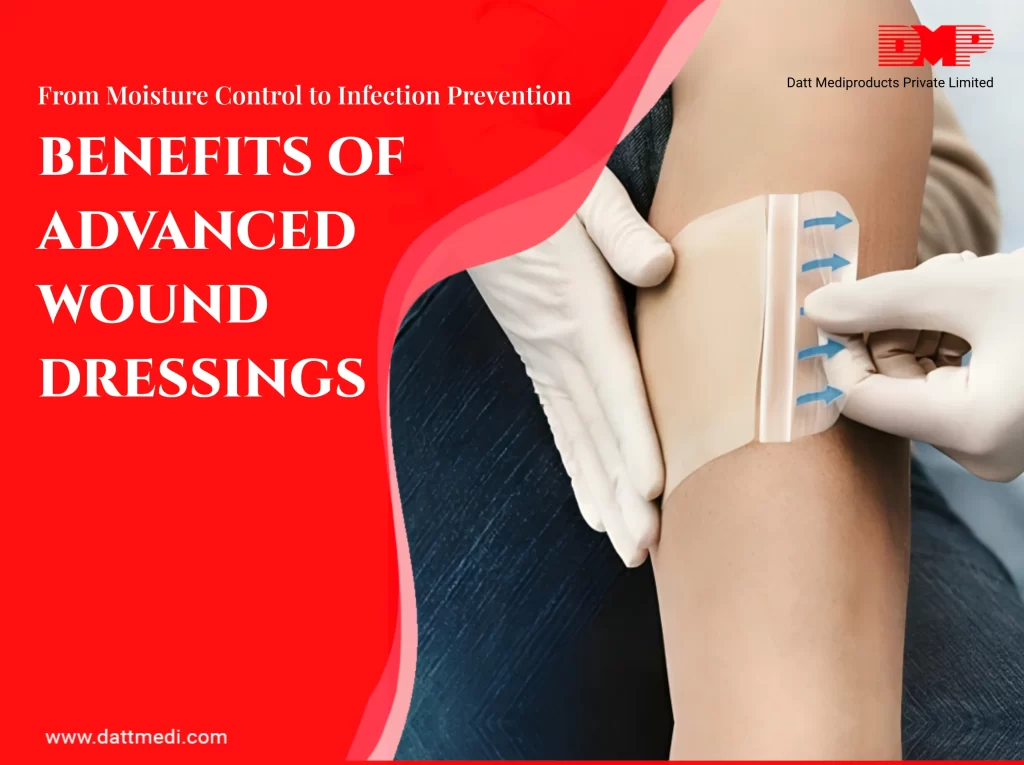
Traditional wound dressings were once viewed as simple barriers to shield an injury from external contaminants. Today, advanced wound dressings are revolutionizing wound care. They are active healing tools—designed not only to protect but also to accelerate recovery, reduce complications, and enhance patient comfort.
By responding to the needs of each wound, they support faster, more effective healing compared to conventional methods.
Beyond Basic Dressings: Creating a bio-active Healing Environment
Unlike basic gauze pads, some advanced dressings provide a controlled, bio-active environment that stimulates wound repair. By incorporating various bio-active molecules such as antimicrobials. They:
Maintain optimal moisture balance.
Promote the healing process
Regulate oxygen exchange.
Some dressings offer antimicrobial protection when needed.
This environment allows cells to regenerate more efficiently, reduces infection risk, and shortens healing time.
Why Advanced Wound Dressings Are Essential for Complex & Chronic Wounds
Complex wounds such as diabetic ulcers, burns, and pressure sores often fail to heal with standard dressings. Advanced wound care solutions are essential because they:
Restart stalled healing by balancing moisture and oxygen.
Manage high exudate levels through superior absorption.
Lower infection risks with antimicrobial properties.
These features make them indispensable for patients facing prolonged recovery.
Key Benefits of Advanced Wound Dressings
Using advanced dressings offers multiple clinical and patient-centered advantages:
Moisture regulation – prevents drying and maceration.
Reduced pain – cushioning and non-stick materials minimize discomfort during changes.
What makes advanced wound dressings different from traditional dressings?
Traditional dressings mainly protect wounds, whileadvanced wound dressings actively promote healing. They control moisture, prevent infection, and support faster tissue regeneration — helping wounds heal more efficiently and with fewer complications.
Are advanced dressings suitable for all wounds?
Not all wounds require advanced dressings. These products are ideal for chronic or complex wounds such as diabetic ulcers, burns, surgical incisions, and pressure sores. For smaller or superficial wounds,standard wound care products like non-woven dressings or conforming bandages are typically sufficient.
How do advanced dressings speed up wound healing?
Advanced dressings maintain a balanced moisture level, deliver antimicrobial protection, and improve oxygen exchange. This environment supports cell growth and accelerates tissue repair — features found in products likeVelvert® Antimicrobial Dressing andVelseal® Hemostatic Dressings.
How do advanced wound dressings speed up healing for complex wounds?
Advanced wound dressings create an optimal healing environment by managing exudate, maintaining ideal moisture, and reducing infection risk. This helps new tissue form quickly and reduces complications.
Solutions such as VEL NeXT™Negative Pressure Wound Therapy are designed for complex or slow-healing wounds.
When should a healthcare professional or caregiver switch to an advanced dressing instead of a traditional one?
It’s advisable to switch to an advanced wound dressing when:
Healing has slowed or stopped.
There’s excessive wound drainage or risk of infection.
The wound is chronic, post-surgical, diabetic, or pressure-related.
The patient experiences pain or trauma during frequent dressing changes.
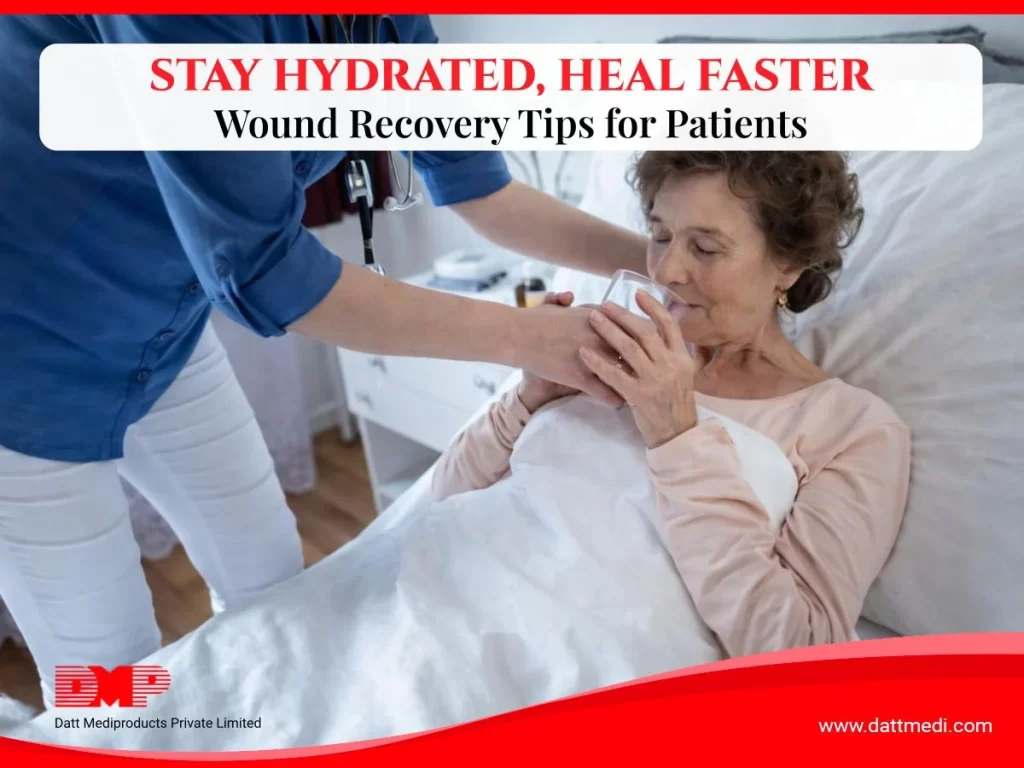
Recovery from a wound often focuses on dressings, medications, and rest. However, one simple habit can significantly support healing — staying hydrated.
Water plays a vital role in transporting nutrients, repairing damaged skin, and supporting the immune system. When the body lacks fluids, healing can slow down. Proper hydration helps the body rebuild tissues, maintain healthy skin, and recover more efficiently.
Maintaining adequate fluid levels is widely recognized as an important part of recovery and aligns with wound care guidance referenced by organizations such as the World Health Organization.
Why Hydration Matters for Wound Healing
1. Better Blood Flow to the Wound
Water helps maintain healthy blood circulation throughout the body.
Why it matters: Good circulation delivers oxygen and nutrients essential for tissue repair while helping remove waste from the wound site.
What this means for you: Improved blood flow supports faster healing and helps reduce swelling. In some cases, medical treatments such as compression therapy may also help improve circulation during recovery.
2. Supports Growth of New Skin
Water is essential for proper cellular function and tissue repair.
Why it matters: New skin cells must grow and move across the wound surface to close the wound bed and restore the skin barrier.
What this means for you: Adequate hydration helps support healthy tissue regeneration and contributes to more efficient wound recovery.
3. Keeps Skin Soft and Protected
Dehydration can make skin dry, fragile, and more prone to cracking.
Why it matters: Dry skin around a wound may break easily and increase discomfort or infection risk.
What this means for you: Well-hydrated skin remains flexible and resilient, allowing the surrounding tissue to better support healing.
Hydration Strengthens the Body’s Defense System
The immune system plays a critical role in preventing infection during wound recovery.
Proper hydration helps:
Support Infection-Fighting Immune Cells
Regulate Inflammation Needed For Healing
Transport Nutrients Throughout The Body
Maintain Tissue Oxygenation For Repair
When fluid levels are balanced, the body can respond more effectively to injury and recovery.
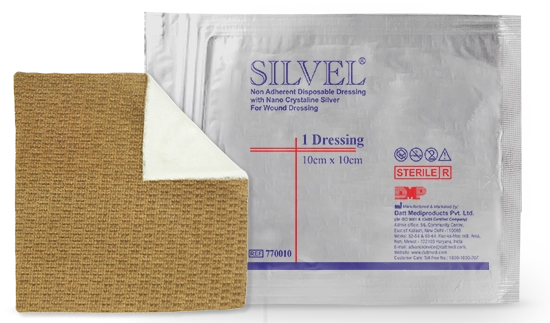
For infection-sensitive wounds, options like Silver Dressings may provide added protection.
Moisture Helps Wounds Heal Faster
Modern wound care focuses on maintaining a moist healing environment rather than allowing wounds to dry out.
Moisture-retentive wound dressings can help:
Prevent Hard Scabs From Forming
Support Natural Skin Repair
Reduce Discomfort During Healing
Minimize Scarring Risk
Maintaining controlled moisture around the wound creates conditions that support smoother and more efficient healing.
Internal Hydration Matters Too
While dressings help maintain external moisture, internal hydration supports healing from within.
Increasing fluid intake may help support recovery and improve overall health.
Staying hydrated is one of the simplest and most effective ways to support wound healing. Fluids help maintain healthy circulation, deliver essential nutrients to the affected area, and assist the body’s natural repair processes.
When paired with proper wound care and balanced nutrition, good hydration can contribute to more efficient recovery and help lower the risk of complications.
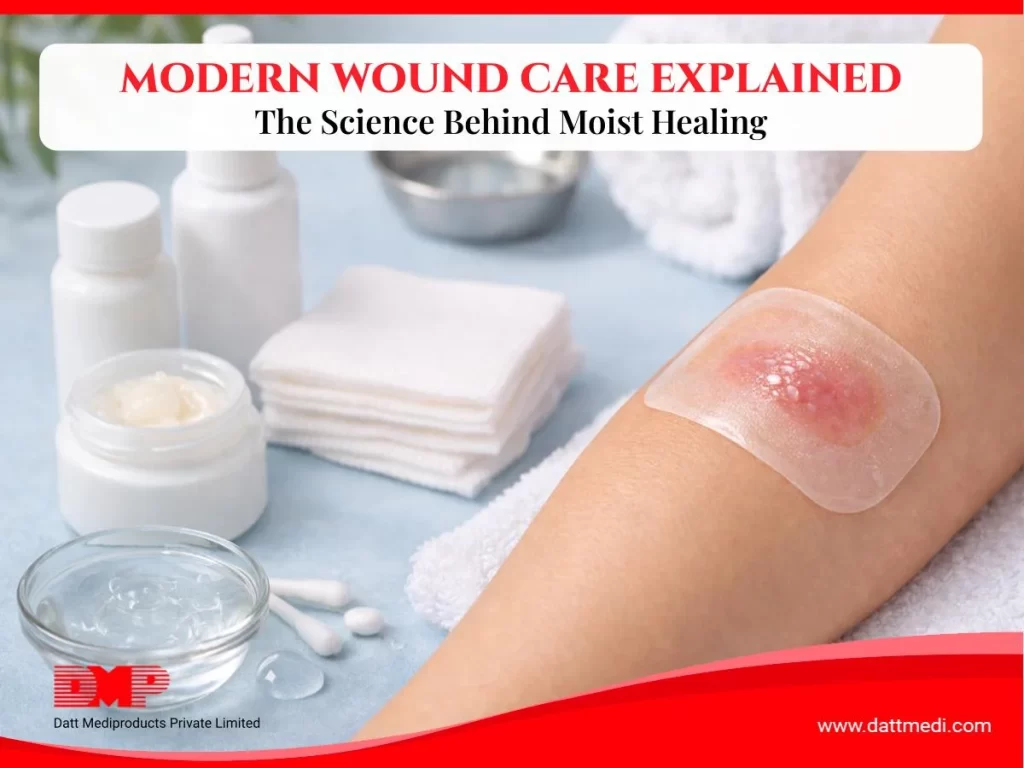
For many years, people believed that allowing a wound to dry out and form a scab was the best way to promote healing. Modern wound care science has shown that maintaining a moist healing environment can support faster tissue repair, reduce discomfort, and improve skin recovery.
Since its clinical adoption in the 1960s, moist wound healing has become a cornerstone of modern wound care in hospitals and home care settings worldwide. By protecting the wound and supporting the body’s natural repair process, this method helps improve healing outcomes and patient comfort.
What Is Moist Wound Healing?
Moist wound healing involves covering a wound with an advanced wound care dressing that maintains optimal moisture while protecting it from contaminants and bacteria.
Dry Healing Approach
Allows a hard scab to form
Can slow skin cell movement
May delay tissue repair
Moist Healing Approach
Keeps the wound hydrated
Enables faster cell migration
Supports efficient tissue regeneration
This balanced environment helps the body heal more effectively.
Moist Wound Healing vs Dry Healing: Key Differences
Feature
Moist Healing
Dry Healing
Healing Speed
Faster
Slower
Pain Level
Reduced
Often higher
Infection Protection
Barrier protection
Exposure risk
Scarring
Less visible
More likely
Tissue Repair
Continuous
Interrupted by scab
Why Moist Wound Healing Is Beneficial
1. Faster Healing
A moist environment allows skin cells to move easily across the wound surface.
No hard scab blocking repair
Continuous tissue rebuilding
Shorter recovery time
This is especially beneficial for surgical wounds, burns, and chronic ulcers.
2. Reduced Pain and Discomfort
Dry wounds can expose nerve endings, increasing sensitivity and pain.
Moist dressings:
Protect delicate tissue
Reduce irritation
Provide cushioning comfort
They are commonly used to soothe painful wounds and burns.
When tissue dries out, scarring may become more noticeable.
Moist wound healing:
Maintains tissue flexibility
Supports smoother skin regeneration
Improves cosmetic outcomes
This is beneficial for both medical recovery and aesthetic healing.
5. Natural Removal of Dead Tissue (Autolytic Debridement)
Moisture supports the body’s natural ability to break down and remove dead tissue.
This process:
Promotes healthy tissue growth
Reduces the need for manual cleaning
Supports chronic wound management
How Moist Wound Healing Supports Recovery
Moisture-retentive dressings create an ideal healing environment by:
Maintaining stable temperature
Supporting new tissue formation
Encouraging healthy blood circulation
Preserving growth factors and healing proteins
This environment aligns with global medical wound management protocols and modern clinical practices supported by organizations such as the World Health Organization.
Choosing the Right Dressing for Moist Wound Healing
Selecting the best dressing for wound healing depends on wound type, exudate level, and skin condition.
Hydrocolloid Dressings
Maintain moisture balance
Suitable for minor burns and light drainage wounds
Foam Dressings
Absorb excess fluid
Keep the wound moist
Ideal for moderate to heavily draining wounds
Hydrogel Dressings
Hydrate dry wounds
Provide cooling relief
Reduce pain and discomfort
Alginate Dressings
Highly absorbent
Suitable for heavy exudate wounds
Film Dressings
Thin and transparent
Protect superficial wounds and abrasions (Velfix T Film)
Studies indicate that wounds maintained in a moist environment may heal up to 40% faster compared to dry healing methods.
Moist wound healing has transformed modern wound care by enabling faster recovery, reducing discomfort, minimizing scarring, and improving overall healing outcomes. Using advanced wound care dressings helps maintain optimal moisture balance while protecting wounds from external contaminants.
For safe and effective healing, wound care decisions should always be guided by qualified healthcare professionals.