The Role of Advanced Wound Dressings in Accelerating Recovery for Complex Wounds
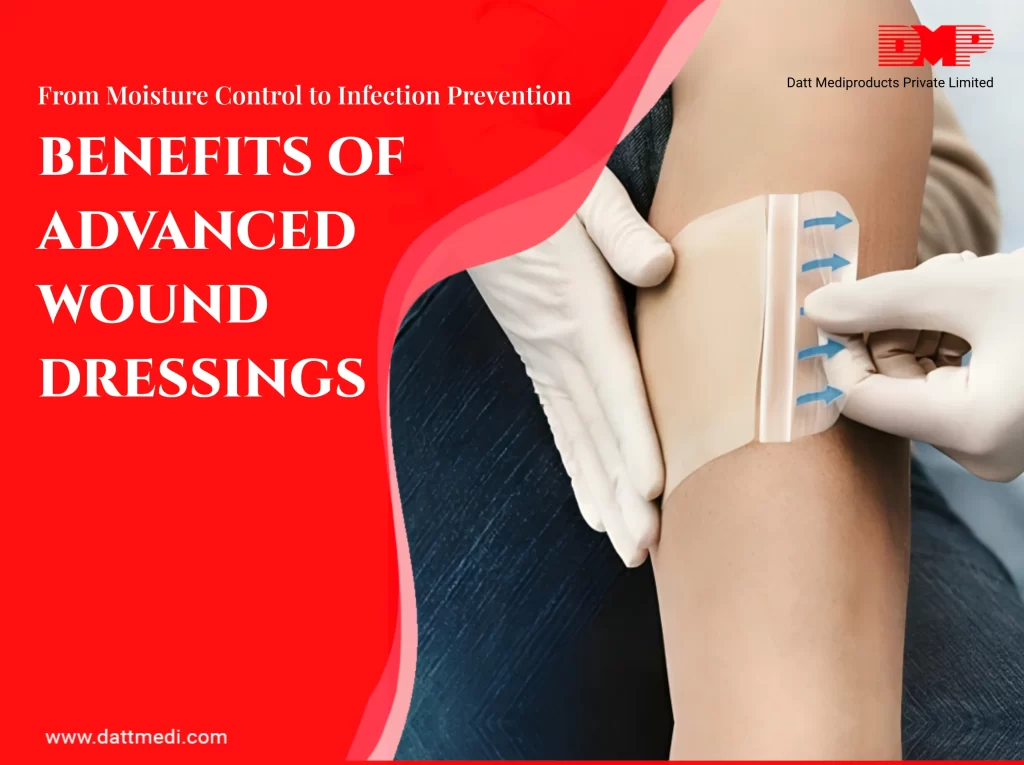
Traditional wound dressings were once viewed as simple barriers to shield an injury from external contaminants. Today, advanced wound dressings are revolutionizing wound care. They are active healing tools—designed not only to protect but also to accelerate recovery, reduce complications, and enhance patient comfort.
By responding to the needs of each wound, they support faster, more effective healing compared to conventional methods.
Beyond Basic Dressings: Creating a bio-active Healing Environment
Unlike basic gauze pads, some advanced dressings provide a controlled, bio-active environment that stimulates wound repair. By incorporating various bio-active molecules such as antimicrobials. They:
Maintain optimal moisture balance.
Promote the healing process
Regulate oxygen exchange.
Some dressings offer antimicrobial protection when needed.
This environment allows cells to regenerate more efficiently, reduces infection risk, and shortens healing time.
Why Advanced Wound Dressings Are Essential for Complex & Chronic Wounds
Complex wounds such as diabetic ulcers, burns, and pressure sores often fail to heal with standard dressings. Advanced wound care solutions are essential because they:
Restart stalled healing by balancing moisture and oxygen.
Manage high exudate levels through superior absorption.
Lower infection risks with antimicrobial properties.
These features make them indispensable for patients facing prolonged recovery.
Key Benefits of Advanced Wound Dressings
Using advanced dressings offers multiple clinical and patient-centered advantages:
Moisture regulation – prevents drying and maceration.
Reduced pain – cushioning and non-stick materials minimize discomfort during changes.
What makes advanced wound dressings different from traditional dressings?
Traditional dressings mainly protect wounds, whileadvanced wound dressings actively promote healing. They control moisture, prevent infection, and support faster tissue regeneration — helping wounds heal more efficiently and with fewer complications.
Are advanced dressings suitable for all wounds?
Not all wounds require advanced dressings. These products are ideal for chronic or complex wounds such as diabetic ulcers, burns, surgical incisions, and pressure sores. For smaller or superficial wounds,standard wound care products like non-woven dressings or conforming bandages are typically sufficient.
How do advanced dressings speed up wound healing?
Advanced dressings maintain a balanced moisture level, deliver antimicrobial protection, and improve oxygen exchange. This environment supports cell growth and accelerates tissue repair — features found in products likeVelvert® Antimicrobial Dressing andVelseal® Hemostatic Dressings.
How do advanced wound dressings speed up healing for complex wounds?
Advanced wound dressings create an optimal healing environment by managing exudate, maintaining ideal moisture, and reducing infection risk. This helps new tissue form quickly and reduces complications.
Solutions such as VEL NeXT™Negative Pressure Wound Therapy are designed for complex or slow-healing wounds.
When should a healthcare professional or caregiver switch to an advanced dressing instead of a traditional one?
It’s advisable to switch to an advanced wound dressing when:
Healing has slowed or stopped.
There’s excessive wound drainage or risk of infection.
The wound is chronic, post-surgical, diabetic, or pressure-related.
The patient experiences pain or trauma during frequent dressing changes.
Swelling in the legs or arms is more than a temporary discomfort. Persistent swelling can slow wound healing, limit mobility, and increase the risk of complications such as skin damage or venous ulcers.
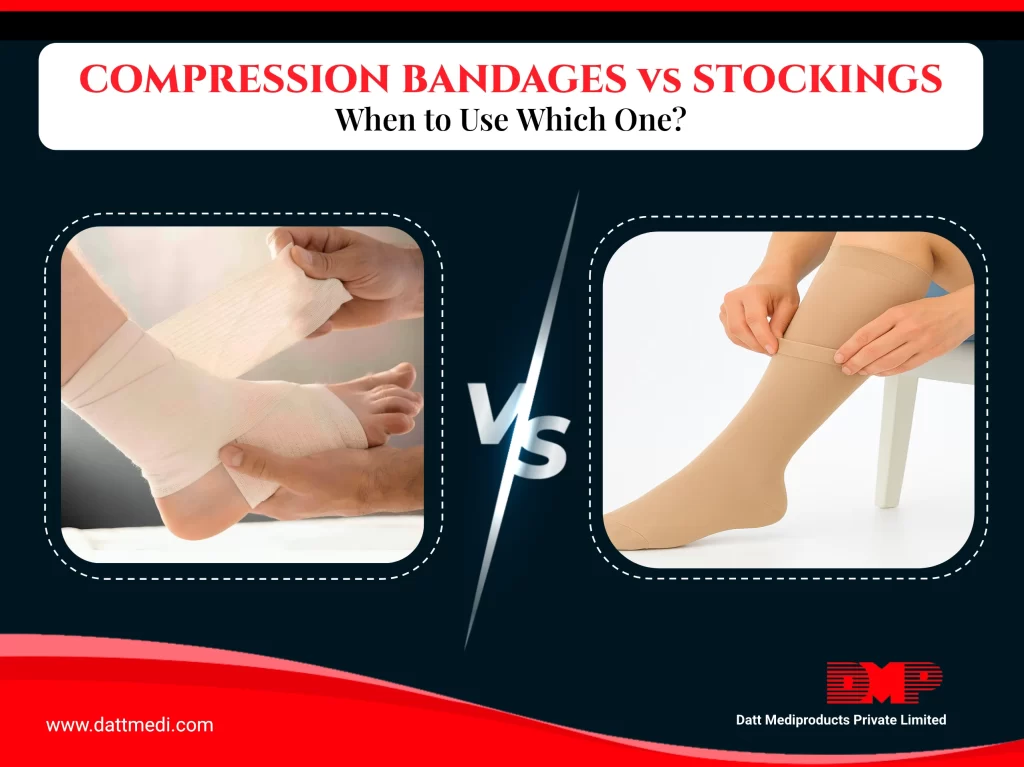
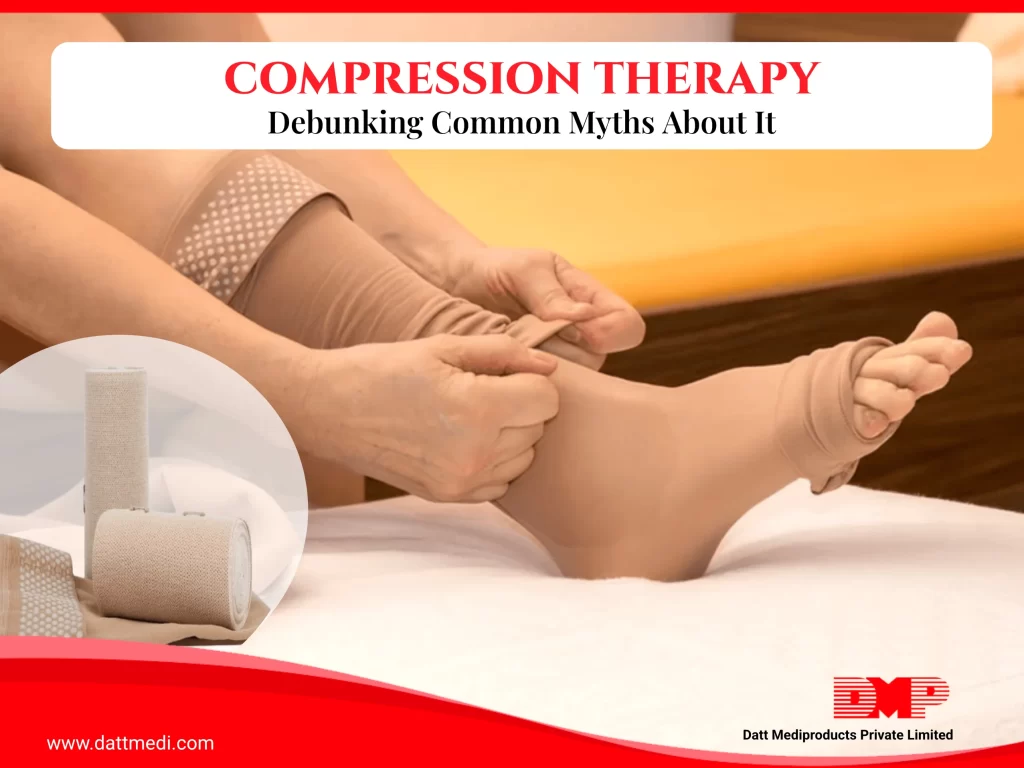
Compression therapy is a widely recommended medical approach used to support circulation and control fluid buildup in affected limbs. Among the most commonly used solutions are compression bandages and compression stockings. While both deliver controlled pressure to improve circulation, they serve different roles in treatment depending on the stage of recovery and the patient’s condition.
What Is Compression Therapy and Why Is It Important?
Compression therapy works by applying graduated pressure to a limb, helping blood and lymphatic fluid move back toward the heart. This controlled pressure reduces fluid accumulation in tissues and improves overall circulation.
Healthcare professionals commonly recommend compression therapy for conditions such as:
Venous leg ulcers
Varicose veins
Lymphedema
Post-surgical swelling
Chronic venous insufficiency
Injury-related edema
Deep Vein Thrombosis
Phlebitis
When used correctly, compression therapy helps reduce swelling, protect skin integrity, and support faster recovery.
Compression Bandages: Flexible Support for Changing Conditions
Compression bandages are stretchable wraps applied around the affected limb to provide controlled pressure. Because they can be adjusted during application, they are particularly useful when swelling levels change or when wounds require regular monitoring.
Types of Compression Bandages
Short-Stretch Bandages : Short-stretch bandages provide limited elasticity and generate higher pressure when muscles move. This makes them suitable for patients who remain active, as muscle movement enhances the compression effect and supports venous return.
Long-Stretch Bandages : Long-stretch bandages offer greater elasticity and maintain consistent pressure even when the limb is at rest. They are often used for patients with limited mobility or those recovering from surgery.
When Compression Bandages Are Commonly Used
Compression bandages are commonly recommended when treatment needs to adapt to changing conditions, including:
Compression Stockings: Consistent Support for Long-Term Care
Compression stockings are specially designed medical garments worn like socks or sleeves. They apply graduated compression, with the highest pressure at the ankle that gradually decreases toward the calf or thigh.
This pressure pattern supports natural blood flow and helps prevent fluid from collecting in the lower limbs.
Compression Levels in Stockings
Medical compression stockings are available in different pressure strengths depending on treatment needs:
Mild compression – Helps prevent early swelling and leg fatigue
Higher compression levels– Used for chronic venous conditions or post-ulcer management
When Compression Stockings Are Typically Used
Compression stockings are typically introduced after swelling has stabilized and the limb size becomes consistent.
They are commonly used for:
Long-term swelling management
Ongoing support for circulation disorders
Prevention of venous ulcer recurrence
Daily compression therapy for chronic conditions
Because they are easier to wear independently, stockings often improve treatment adherence for long-term care.
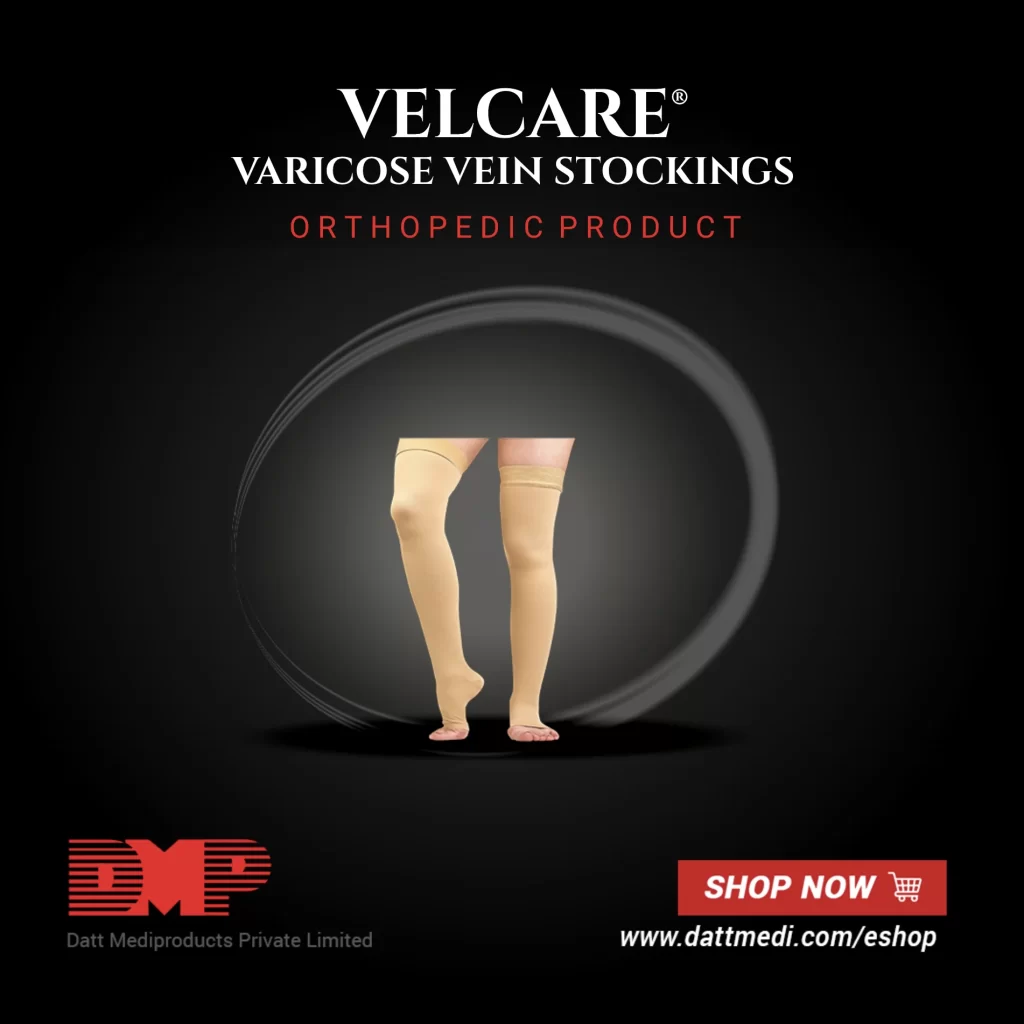
Explore our medical-grade Velcare Varicose Vein Stockings designed for effective compression therapy: View Product
Comparing Compression Bandages and Compression Stockings
Feature
Compression Bandages
Compression Stockings
Flexibility
Highly adjustable
Fixed compression level
Best Stage of Treatment
Early or active treatment
Long-term maintenance
Ease of Use
Requires trained application
Easy for self-use
Wound Compatibility
Suitable for wound dressings
Usually used after wounds heal
Comfort for Daily Wear
Moderate
High
Adaptability to Swelling
Excellent
Limited
When Are Compression Bandages the Better Choice?
Compression bandages Compression bandages are generally recommended during the initial stage of treatment, especially when swelling is unstable or wounds are present.
They are most suitable when:
Swelling changes frequently
Limb shape is uneven
Wound dressings require regular replacement
Compression pressure must be adjusted
Because they can be re-applied and modified, bandages allow clinicians to closely manage swelling while protecting healing tissues.
When Are Compression Stockings More Suitable?
Compression stockings are commonly used after the treatment phase once swelling has been reduced and limb size stabilizes.
They are ideal for:
Long-term compression therapy
Preventing recurrence of swelling
Supporting circulation in chronic venous disorders
Providing comfortable daily compression support
Regular use of properly fitted stockings helps maintain results achieved during earlier treatment.
Why Professional Guidance Matters
Selecting the right compression therapy requires careful assessment of several factors, including circulation health, wound condition, skin sensitivity, and patient mobility.
Incorrect compression levels or poorly fitted products can reduce treatment effectiveness and cause discomfort. Healthcare professionals ensure the correct compression type, pressure level, and fitting method are used for each patient.
Medical compression products manufactured under internationally recognized standards such as ISO and CE certifications further support safety, performance, and reliability in clinical and home care environments.
Compression therapy plays an important role in managing swelling, supporting circulation, and improving wound healing outcomes.
Compression bandages offer flexibility during the active treatment stage, allowing healthcare professionals to adjust pressure as swelling changes. Compression stockings provide consistent and convenient compression for long-term management, helping patients maintain recovery and prevent future complications.
Understanding the differences between compression bandages and compression stockings enables more effective treatment decisions and supports better long-term vascular and wound care management.
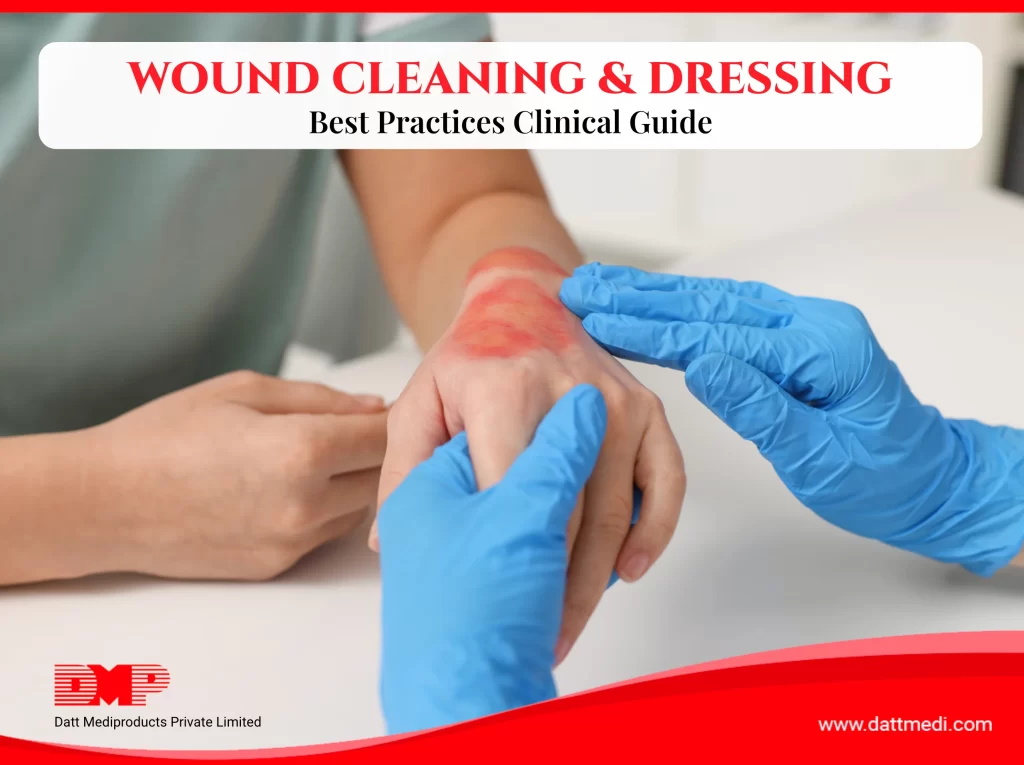
Knowing how to clean a wound properly and apply the right dressing plays a critical role in healing outcomes. Inadequate wound care is one of the most common reasons wounds become infected or take longer to heal.
Whether managing a minor cut at home, caring for a surgical incision, or supporting chronic wound recovery, following evidence-based wound care practices helps protect the skin, reduce complications, and support natural tissue repair.
Why Proper Wound Care Is Important
Proper wound care involves cleaning the wound, protecting it with an appropriate dressing made from clinically tested materials, and regularly monitoring the healing progress.
Effective wound care:
Reduces microbial contamination
Minimizes inflammation and tissue damage
Lowers the risk of scarring and delayed healing
Supports tissue regeneration, especially in patients with diabetes, poor circulation, or reduced immunity
Maintaining a clean and protected wound environment allows new tissue to form safely and consistently.
Practical example:
Healthcare facilities worldwide follow standardized wound care protocols because consistent and correct wound management directly improves patient recovery outcomes.
Step-by-Step Guide: How to Clean a Wound
A. Prepare Before Cleaning the Wound
1. What to do: Prepare yourself and gather supplies before touching the wound.
2. Why it matters: Proper preparation minimizes the risk of introducing bacteria into the wound.
3. How to do it:
Wash hands thoroughly and wear clean gloves.
Keep sterile saline or clean water ready.
Prepare clean, suitable wound dressings as advised, along with a waste disposal bag.
B. Clean the Wound Gently and Safely
1. What to do: Remove visible dirt, debris, or dried discharge from the wound.
2. Why it matters: Gentle cleaning reduces infection risk and supports faster healing.
3. How to do it:
Rinse the wound using a mild soap and sterile saline or clean running water
Use antiseptic solutions only if recommended by a healthcare professional
Avoid alcohol or hydrogen peroxide directly on the wound, as these may damage healthy tissue and delay healing
C. Dry the Wound Area Carefully
1. What to do: Dry the surrounding skin after cleaning.
2. Why it matters: Excess moisture can weaken surrounding skin and slow healing.
3. How to do it:
Gently pat the area dry using sterile gauze
Avoid rubbing the wound surface
Choosing the Best Dressing for Open Wounds
A. Factors to Consider When Selecting a Dressing
The best dressing for open wounds depends on:
Type of wound (minor cut, surgical incision, or chronic wound)
Amount of wound exudate (fluid)
Infection risk and patient activity level
Selecting the right dressing—based on wound type and healing needs—helps maintain an optimal wound environment and supports steady healing.
Foam Dressings: Ideal for moderate to heavily exuding wounds, such as Velfix-S, which helps absorb excess exudate while maintaining a balanced wound environment.
Hydrocolloid or Hydrogel Dressings: Help maintain a moist environment for healing.
Antimicrobial Dressings: Recommended when infection risk is high or infection is present, such as Velvert, used under medical guidance.
Modern wound management relies on advanced dressing technologies designed to maintain moisture balance and protect healing tissue. – Read More
How to Secure a Wound Dressing Correctly
1. Why it matters: A dressing that is too loose may expose the wound, while one that is too tight can restrict circulation.
2. Best practices:
Use transparent sterile film dressings (Velfix-T Film) to secure the primary dressing while allowing wound visibility.
Medical adhesive tape may be used where appropriate.
Ensure the dressing is secure, comfortable, and does not restrict blood flow.
How Often Should You Change a Wound Dressing?
Dressing change frequency depends on wound type, exudate level and medical advice. Change the dressing if:
It becomes wet or contaminated
There is increased redness, discharge, or odor
Wounds with higher exudated will require more frequent dressing changes.
Regular dressing changes using clean and sterilized post-operative or wound dressings reduce infection risk and support faster healing.
Monitoring Wound Healing and Infection Signs
Check the wound daily for:
Increased pain, redness, swelling, or warmth.
Discharge or unusual odor (possible infected wound signs).
Healthy pink or red tissue, which indicates healing.
If healing does not improve or symptoms worsen, consult a healthcare professional promptly.
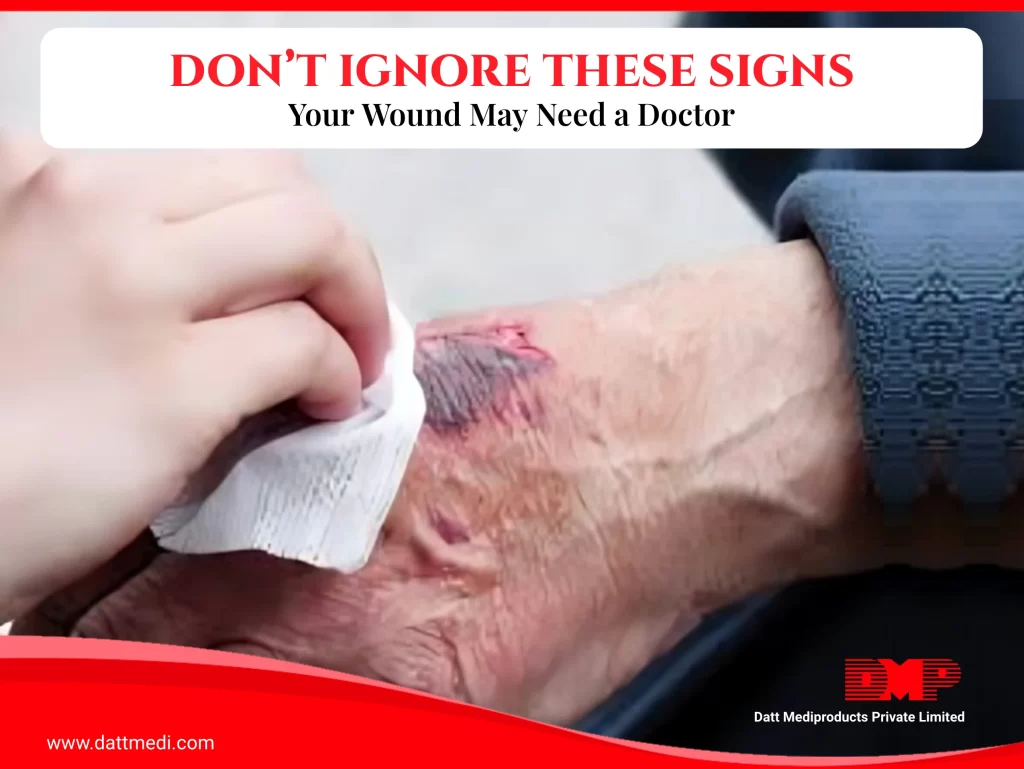
If any warning signs persist or worsen, early identification is critical. Understanding the common symptoms of wound infection can help prevent serious complications and delayed healing.
Avoiding these mistakes can significantly improve recovery outcomes.
When to Seek Medical Attention for a Wound
Seek professional care if:
The wound is deep or bleeding heavily
It is a burn
Signs of infection are present
The wound is chronic, such as diabetic foot ulcers or burns
Healing does not progress over time
In such cases, specialized solutions like advanced wound dressings may be required, under the guidance of healthcare professionals.
Simple Tips to Support Faster Wound Healing
Eat a balanced diet rich in protein, vitamins, and minerals
Stay adequately hydrated
Avoid smoking and excessive alcohol intake
Get sufficient sleep to support tissue repair
Understanding how to clean a wound and apply the correct dressing is essential for safe and effective healing. By following appropriate wound care steps and using quality wound dressings manufactured under international standards such as ISO and CE, patients and caregivers can reduce complications and support better outcomes.
For complex or slow-healing wounds, timely medical guidance remains essential.
Medical Disclaimer
This content is intended for general wound care education and does not replace professional medical advice. Always consult a healthcare provider for serious, worsening, or non-healing wounds.