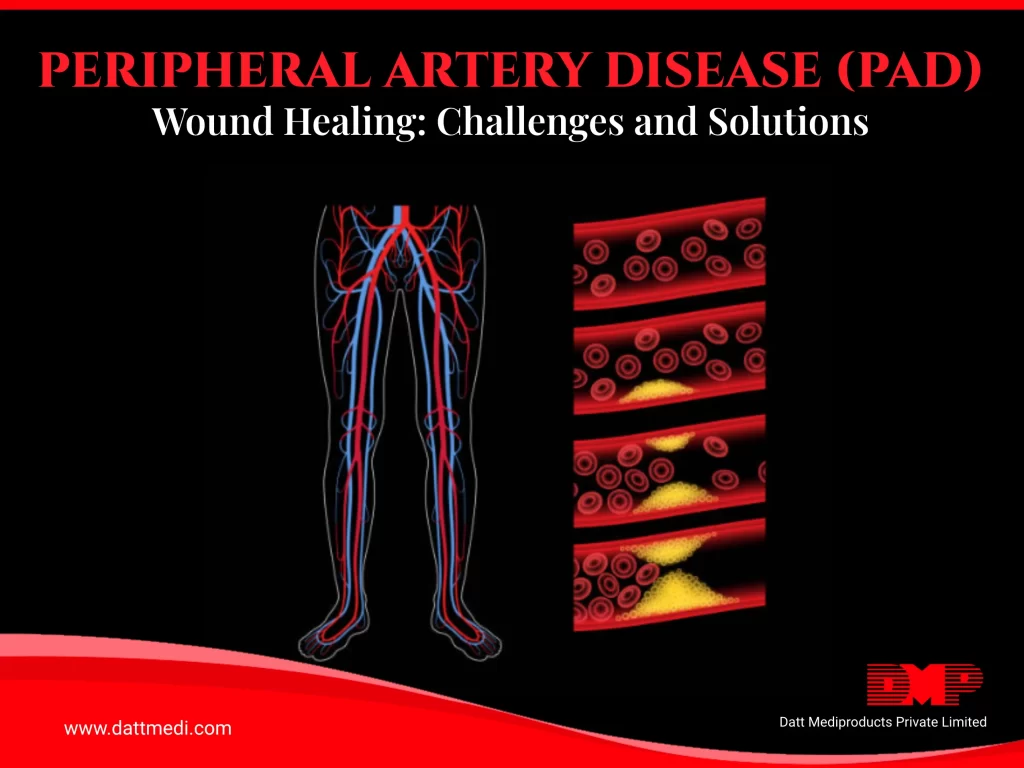
Peripheral artery disease (PAD) presents significant challenges to wound healing, affecting millions globally. This condition, characterized by narrowed arteries that reduce blood flow to the limbs, particularly the legs, not only causes discomfort and mobility issues but also complicates the natural healing process for wounds.
The Impact of PAD on Wound Healing
PAD restricts blood flow to tissues, depriving them of essential oxygen and nutrients necessary for healing. When individuals with PAD sustain wounds, reduced circulation delays the body’s healing mechanisms. Even minor cuts or abrasions can become chronic wounds, prone to infection and slow to heal. The diminished circulation also hinders the body’s ability to deliver immune cells and growth factors to the wound site, further complicating recovery.
Challenges Faced by Patients with PAD often experience:
Delayed Healing: Wounds take longer to heal, increasing the risk of infection and complications.
Chronic Wounds: Persistent wounds that do not heal properly, requiring prolonged treatment and care.
Risk of Amputation: Severe cases may lead to tissue death (gangrene), necessitating amputation.
Specialized Wound Care Approaches:
Managing wounds in PAD patients requires a specialized approach that addresses both the wound and underlying circulatory issues:
Improving Blood Flow: Medical interventions like angioplasty or bypass surgery may restore blood flow to the affected area, enhancing wound healing.
Advanced Dressings: Specialized dressings that promote moisture balance and provide infection barriers are crucial. For instance, alginate dressings for exuding wounds or hydrocolloid dressings for maintaining a moist environment can aid healing.
Compression Therapy: Controlled compression helps improve leg circulation, reduce swelling, and promote better blood flow, facilitating wound healing.
Patient Education: Empowering PAD patients to understand the importance of regular foot care, proper hygiene, and recognizing signs of infection can prevent complications and support healing efforts.
Peripheral artery disease significantly affects wound healing, necessitating a multidisciplinary approach involving vascular specialists, wound care nurses, and patient education. Addressing both vascular issues and wound management strategies can enhance outcomes for PAD patients, improving their quality of life and reducing complications. Understanding these challenges and implementing specialized wound care approaches tailored to PAD patients is crucial for effective treatment and support.
A stiff or painful neck can make even the simplest movements uncomfortable — turning to check traffic, looking up at a screen, or sleeping without waking. In some cases, a soft cervical collar provides the temporary support the neck needs to recover. However, in other cases, it offers little benefit and may even delay healing if used incorrectly.
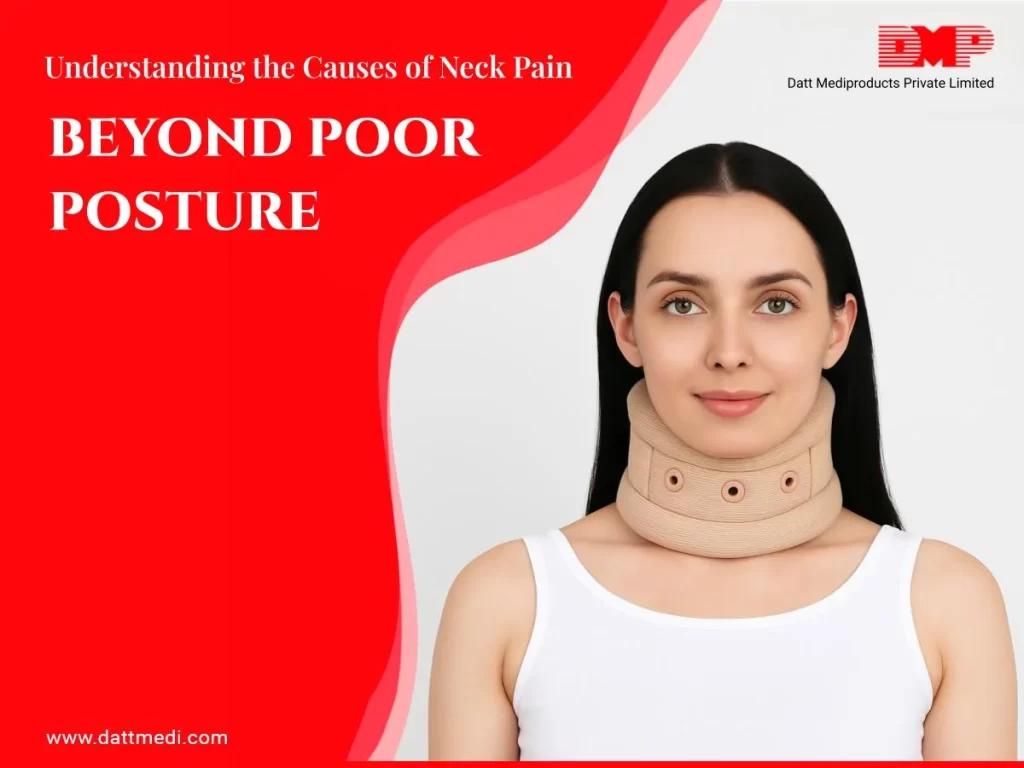
A cervical collar is a supportive brace worn around the neck to limit excessive movement and allow muscles, ligaments, and joints to rest during recovery. Soft cervical collars provide light, cushioned support — enough to reduce strain and act as a reminder to avoid sudden movement, without fully immobilizing the neck.
The Cervical Collar Soft® is made from soft-density PU foam covered in a smooth cotton stockinette, with a hook-and-loop closure for a secure, adjustable fit. It is available in four sizes (S, M, L, XL) and is designed for both short-term recovery and longer-term comfort use.
When Is a Soft Cervical Collar Recommended?
A soft cervical collar may be advised across a range of conditions. The following are the primary clinical indications.
1. Neck Pain and Muscle Strain
Sudden neck pain from poor posture, sleeping awkwardly, or overexertion can strain the surrounding muscles. A collar provides gentle support and reduces the load on strained tissue during the early recovery phase.
Whiplash — most commonly caused by rear-end car accidents — forces the head to move suddenly forward and backward, stretching and sometimes tearing neck muscles and ligaments. Doctors often recommend a soft cervical collar in the early days after whiplash to reduce discomfort and limit aggravating movement while initial healing begins.
3. Cervical Trauma
Minor cervical trauma from falls, sports injuries, or sudden impacts may involve bruised or strained neck structures. A collar helps limit movement that could worsen the injury while the neck recovers.
4. Excessive Neck Mobility
Some individuals have hypermobility in the cervical spine — where the joints move beyond their normal range. A soft collar can provide a gentle boundary that reduces the risk of strain from over-movement during daily activity.
5. Rheumatoid Arthritis
Rheumatoid arthritis can affect the cervical spine, causing instability and pain. A soft collar may be used during flares to provide support and reduce the load on inflamed joints, typically alongside medical management.
6. Degenerative Disc Disease
Wear and tear on the cervical discs can lead to chronic neck pain, stiffness, and nerve irritation. A soft collar offers intermittent support — particularly during activities that aggravate symptoms — as part of a broader management plan.
7. Post-Surgical Support
Following certain neck or upper spine procedures, surgeons may recommend a cervical collar to protect the surgical site and limit motion during the initial healing period. The surgeon determines the collar type and duration based on the procedure. based on the procedure.
Rigid vs. Soft Cervical Collar: Which Is Needed?
Not all cervical collars are the same. The choice depends on how much movement restriction is required.
Feature
Soft Cervical Collar
Rigid Cervical Collar
Material
PU foam with cotton stockinette
Firm plastic with padding
Support Level
Light, cushioned support
Strong, firm support
Movement Control
Allows some movement
Significantly limits movement
Typical Use
Mild strain, whiplash early stage, arthritis, disc disease
Serious injury, unstable fractures, post-surgery
For most everyday neck conditions — strain, stiffness, mild whiplash, and chronic disc or joint discomfort — a soft cervical collar is the appropriate choice. Rigid collars are typically reserved for more severe injuries where strict immobilisation is medically necessary.
Soft Cervical Collar by Datt Mediproducts: Design & Features
The Cervical Collar Soft® is built for comfort during wear, with materials selected to minimise skin irritation even with extended use.
Soft-density PU foam core — provides cushioned support without rigid restriction
Hook-and-loop closure — allows a personalized, secure fit without tools
Four available sizes (S, M, L, XL) — sized by neck circumference in inches and centimetres
Durable construction — designed for longer-term use without losing shape or support
Sizing is based on neck circumference: S (7.5–8.75 cm), M (8.75–10 cm), L (10–11.25 cm), XL (11.25–12.5 cm). Measuring before ordering ensures the collar sits correctly and delivers effective support.
How to Use a Soft Cervical Collar Safely
A cervical collar is most effective when used correctly and for the right duration.
Getting the Fit Right
The collar should sit snugly around the neck — supportive without pressing on the throat or creating difficulty breathing. Hook-and-loop closure makes adjustment straightforward. A collar that is too loose provides little support; one that is too tight can cause pressure and discomfort.
Duration of Use
This depends entirely on the condition. Minor muscle strain may only require a collar for a few days. Whiplash or post-surgical recovery may require longer use under medical guidance. Extended, unsupervised use should be avoided. This is because prolonged reliance on a collar can reduce the neck muscles’ ability to support the head. independently.
Skin Care Under the Collar
The cotton stockinette lining helps manage moisture, but the skin beneath should still be checked regularly for any redness or irritation. Keep the area clean and dry, particularly in warm conditions.
When to Remove It
If the collar causes increased pain, numbness, or pins and needles pricking sensation, remove it and consult a healthcare professional. These may indicate an incorrect fit or that the collar is not appropriate for the specific condition.
A collar supports recovery — it does not treat the underlying cause of neck pain. It does not replace physiotherapy, medical diagnosis, or specific treatment for conditions like arthritis or disc disease. Used alone without addressing the root cause, it provides temporary comfort relief only.
For best outcomes, a cervical collar is typically one part of a broader recovery plan that includes appropriate exercise, manual therapy, or medical management depending on the diagnosis.
The Right Support, Used the Right Way
A soft cervical collar works best when it matches the condition, fits correctly, and is used for an appropriate duration. For mild to moderate neck conditions — strain, whiplash, arthritis flares, disc discomfort, or post-surgical support — it provides a practical, comfortable solution that allows the neck to rest while daily life continues.The Cervical Collar Soft® is designed with both comfort and durability in mind. If you are managing a neck condition and considering whether a cervical collar is right for you, consult your healthcare provider for guidance tailored to your situation.
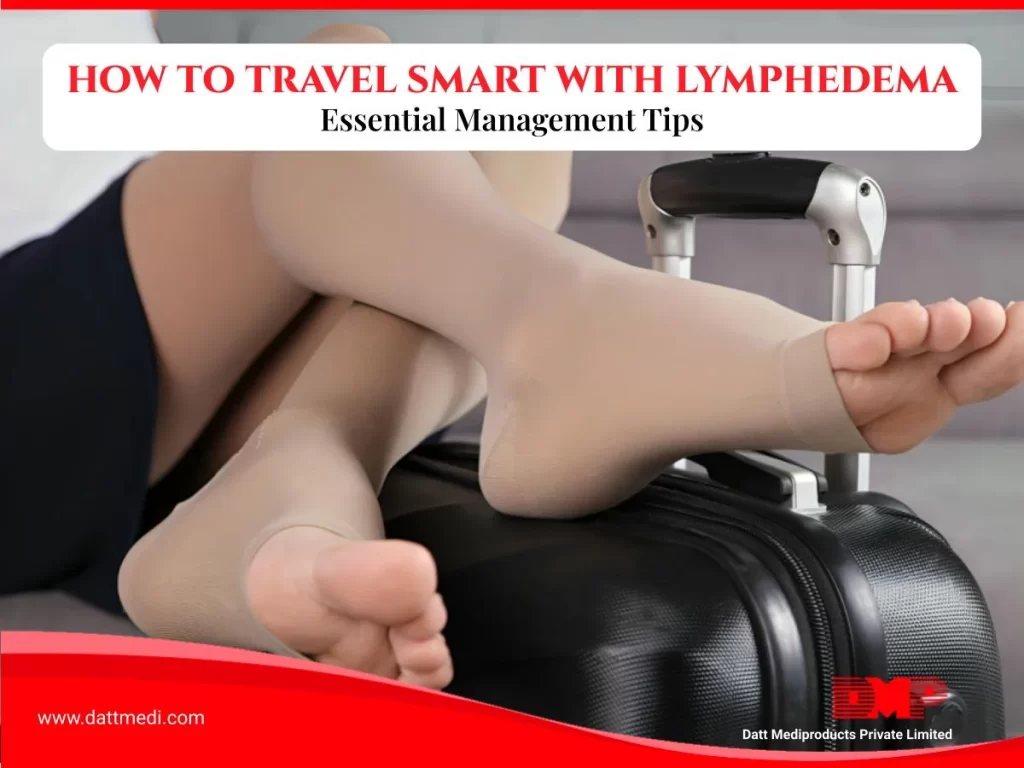
Travel with lymphedema is possible — and with the right routine, most people manage it well. Long hours of sitting, cabin pressure changes, and heat can increase swelling. But simple steps before and during your journey help keep it under control.
This blog covers why travel triggers swelling, what to pack, and how to stay comfortable from start to finish.
Why Travel With Lymphedema Can Make Swelling Worse
Long periods of sitting slow lymph flow – The lymphatic system depends on muscle movement to move fluid through the body. Sitting still for hours can cause fluid to build up.
Cabin pressure during flights affects fluid movement – Air travel can make swelling worse because changes in cabin pressure influence how fluid circulates in the body.
Heat and humidity increase swelling – Warm weather, crowded transport, and hot airports can widen blood vessels and draw extra fluid into soft tissue.
Heavy bags add strain to affected areas – Carrying heavy luggage on an affected arm, shoulder, or limb can stress lymphatic pathways. Packing light or getting help with bags can reduce this risk.
How to Travel With Lymphedema: What to Pack
Compression Bandaging
Compression is the most important tool you have. Apply it before you board — not after swelling starts.
The Velcare® Lymphedema Kit is an all-in-one compression bandaging solution designed specifically for managing lymphedema. It includes:
Velnet™ Cotton Stockinette — protects skin and absorbs excess moisture under bandages
Velkomp® Short Stretch Compression Bandage — applies the controlled, sustained pressure needed to reduce fluid buildup
FoamBand Soft Foam Bandage — cushions the limb and distributes pressure evenly
Velcare™ Foam Pads — fills anatomical indentations (e.g. around ankles and wrists) for consistent compression
Velform™-C Conforming Retention Bandage — wraps individual digits and holds foam pads in place
Velpore™ Surgical Paper Tape — secures bandages to prevent slippage during travel with lymphedema
Because it contains everything in one kit, it’s practical to pack without worrying about forgetting a component. Carry a spare set of bandages in case one becomes wet or loses elasticity mid-trip.
Skin Care Essentials
Skin care is important when you travel with lymphedema. Even small cuts or irritation may increase the risk of complications.
Loose and breathable clothing may help reduce pressure on the affected area and improve comfort during travel.
Travel With Lymphedema: Tips to Reduce Swelling Naturally
Simple daily habits can help support comfort and circulation during your journey.
Wear Your Compression
Put on your compression garment or apply your Velcare® bandaging before boarding — not after swelling has already started. Compression applies gentle, consistent pressure that guides lymph fluid away from swollen tissue and supports its movement back through the body’s natural drainage pathways. This is especially important during long trips when movement is limited.
Stand up and walk for a few minutes whenever you can. If movement is not possible, seated exercises keep circulation active:
Ankle circles
Foot pumps (press toes down, then lift heels)
Shoulder rolls
Gentle arm stretches
Stay Hydrated
Dehydration encourages the body to retain fluid, which can make swelling worse. Drink water consistently throughout the journey. Avoid excess caffeine or alcohol, particularly on flights.
Elevate When You Can
During rest stops or once seated, elevate the affected limb slightly above heart level to help reduce fluid accumulation.
Flying-Specific Tips
Book an aisle seat so you can stand and move without disturbing others.
Ask a flight attendant or fellow passenger to help with overhead luggage — avoid lifting heavy bags yourself.
Perform in-seat foot pumps and leg stretches throughout the flight, particularly on journeys over two hours.
After Travel: Warning Signs to Watch For
Most journeys pass without incident when precautions are followed. However, monitor for:
Sudden or significant increase in swelling
Tightness or heaviness in the limb
Skin redness or unusual warmth
Pain or tenderness
Fever or other signs of infection
Note:
If any of these appear or worsen in the hours after travel, contact a healthcare professional promptly. Early attention prevents complications.
Travel with Lymphedema Confidently
Lymphedema is a condition to manage, not a reason to stay home. With a complete compression kit, a few deliberate habits during the journey, and attention to your body afterwards, most people live fully mobile lives — exploring new places without compromising their health.
The Velcare® Lymphedema Kit provides everything you need in one kit — designed to be packed, carried, and used wherever your journey takes you.