Search by Blog
Read by Category

Your healing journey continues beyond this blog

Find the right products for better recovery at online store
Cart Image
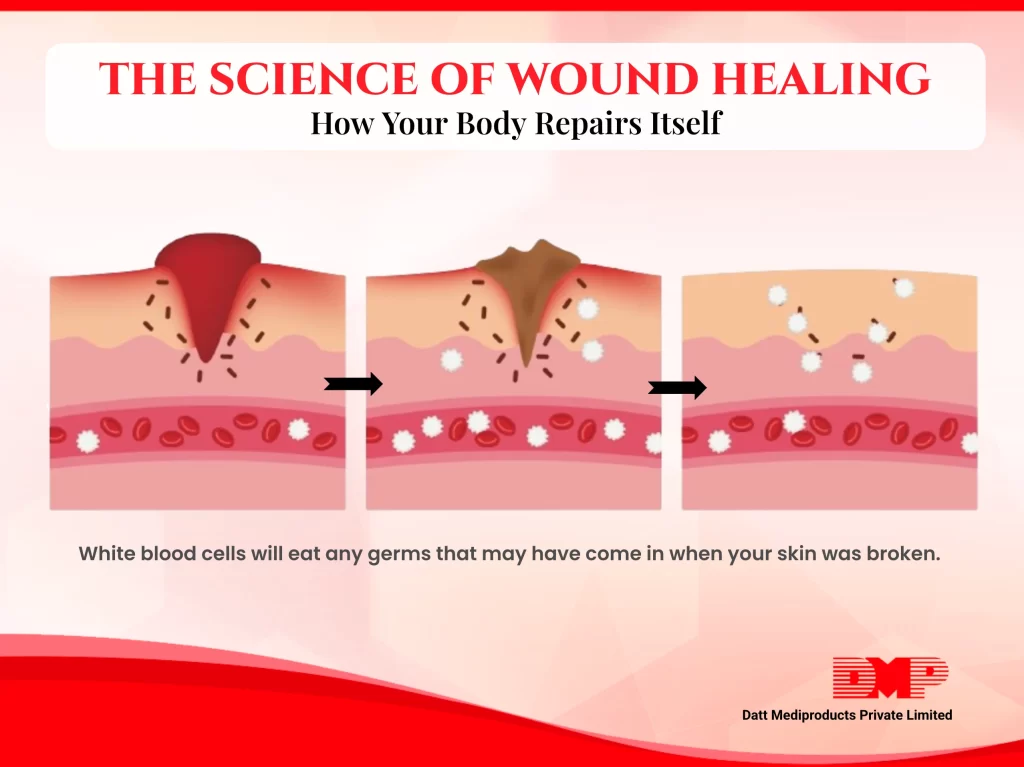
How Your Body Repairs Itself

The Science of Wound Healing: How Your Body Repairs Itself

Wound healing is nothing short of a biological marvel. When your skin is injured, your body launches a meticulously coordinated process to restore its integrity and functionality.

Understanding this journey not only highlights the sophistication of our biology but also empowers us to care for wounds more effectively.

The Remarkable Phases of Wound Healing

Imagine you’ve just scraped your knee. 
What happens next might seem simple, but beneath the surface, your body is hard at work.
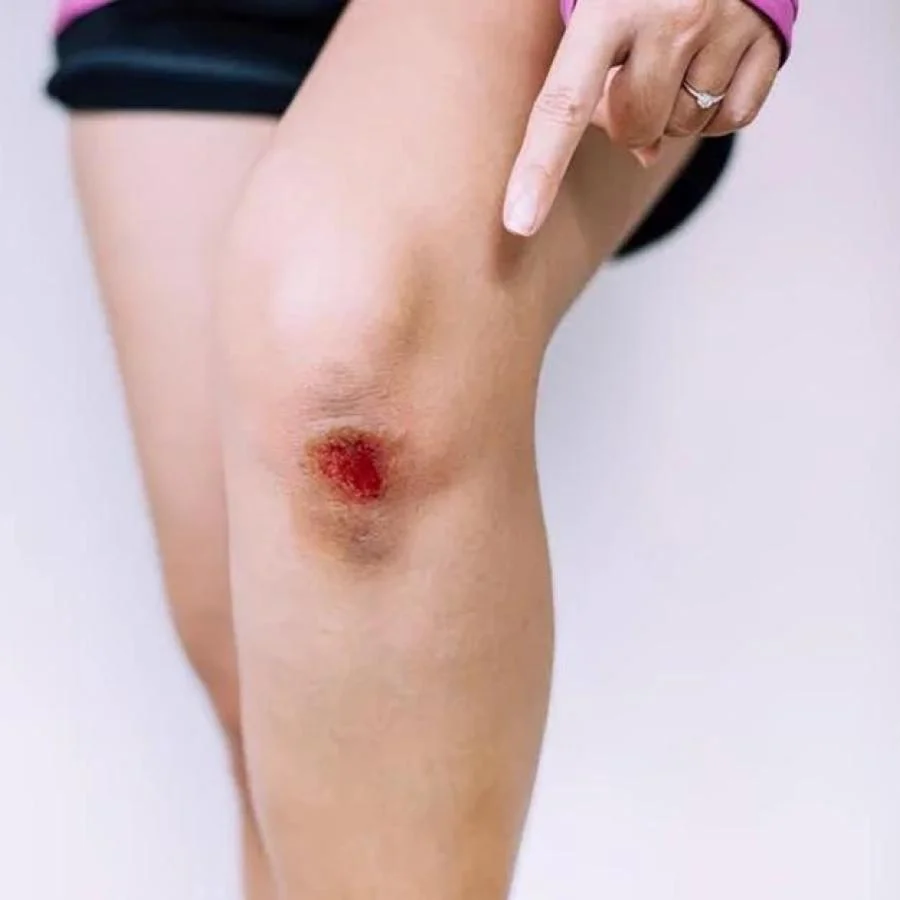
wound healing

Wound healing unfolds in four incredible stages:

1. Hemostasis (Minutes to Hours)

The moment an injury occurs, your body springs into action to stop the bleeding. Blood vessels constrict, and platelets rush to the scene to form a clot. This clot acts as a temporary seal, buying your body time to prepare for deeper repairs.

2. Inflammation (1–5 Days)

Next, your immune system steps in. Neutrophils and macrophages arrive to clear away debris and bacteria, ensuring the wound is clean and ready for rebuilding. The redness, swelling, and warmth you notice are signs of this vital repair work.

3. Proliferation (4–24 Days)

Now the real construction begins. Fibroblasts produce collagen to lay the foundation of new tissue, while blood vessels grow to supply nutrients and oxygen. You’ll see granulation tissue—pink and bumpy—as the wound starts to fill in, and new skin cells begin to migrate across the surface.

4. Maturation (21 Days to Months)

In the final phase, your body strengthens and remodels the new tissue. Collagen fibers are cross-linked for durability, and scar tissue forms. While scars may not have the same elasticity as uninjured skin, they are a testament to your body’s incredible ability to heal.

While the healing process is natural, it doesn’t occur in isolation.

A range of factors can either speed it up or slow it down:

  • Age and Health: Older age, diabetes, and immune disorders can delay healing.
  • Nutrition: Nutrients like protein, zinc, and vitamins C and E are essential for tissue repair.
  • Lifestyle Choices: Smoking and alcohol reduce oxygen supply to tissues, hindering recovery.
  • Wound Care: Proper hygiene and dressing techniques can prevent infection and promote faster healing.

Did you know
Keeping a wound moist can significantly speed up healing?
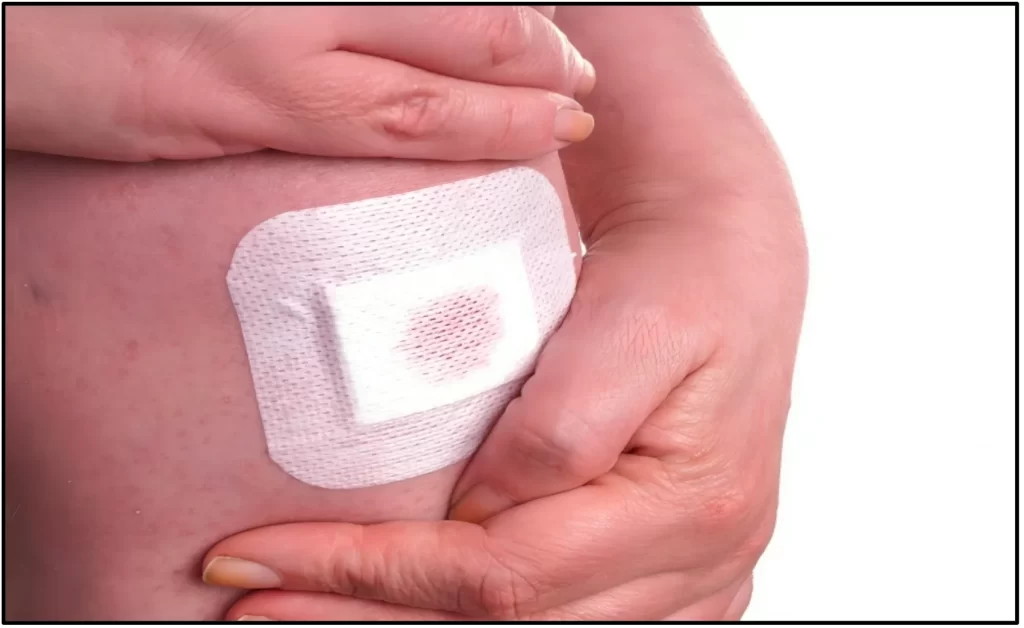
Moist wound

Moisture creates the perfect environment for cells to migrate and for granulation tissue to develop. Modern dressings, designed to maintain this balance, have revolutionized wound care by reducing healing times and minimizing scars.

Cutting-Edge Advances in Wound Care

Science continues to push the boundaries of what’s possible in wound healing. Some groundbreaking innovations include:

  • Growth Factors: These proteins supercharge the repair process, stimulating cell activity.
  • Biomaterials: From hydrogels to bioengineered skin substitutes, these materials mimic natural tissue to accelerate healing.
  • Stem Cell Therapy: Stem cells encourage the regeneration of complex tissues, offering hope for chronic wounds.
  • Hyperbaric Oxygen Therapy: By delivering concentrated oxygen, this therapy enhances cellular activity and reduces infection risk.

Supporting Your Body’s Natural Healing Powers

Healing isn’t just about what happens on a cellular level—your lifestyle choices play a critical role:

  • Eat Right: Protein-rich foods and micronutrients like zinc and vitamin C fuel the repair process.
  • Avoid Harmful Habits: Smoking and excessive alcohol consumption can severely impede healing.
  • Prioritize Rest: Quality sleep and stress management boost your immune system, giving your body the tools it needs to recover.
While most wounds heal naturally, some may require medical intervention. Watch for signs of delayed healing, such as persistent redness, swelling, or unusual odors. Chronic wounds or excessive scarring, like keloids, might benefit from specialized treatments.

The journey of wound healing is a testament to the resilience of the human body. Each phase, from hemostasis to maturation, reflects a symphony of biological processes working in harmony. By caring for your wounds and supporting your body’s natural abilities, you can pave the way for smoother, faster recoveries. And with the advancements in medical science, the future of wound care looks brighter than ever.

Visit www.dattmedi.com for more infomation.
Share:
Recent Blogs
Comparing Orthopedic Casts

When it comes to managing fractures, the choice of cast material can make a significant difference in a patient’s recovery experience. Orthopaedic casts are essential in ensuring that broken bones heal correctly by providing the necessary immobilization. Two popular options in the medical field are Fiberglass and Plaster of Paris (POP) bandages. But how do they compare? Let’s dive into the details.

A. Material Composition: The Building Blocks

The fundamental difference between these two types of bandages begins with what they are made of:

  • Fiberglass is a synthetic material, made from plastic fibers coated with a resin. It’s known for being lightweight and is often available in various colors, which can add a bit of personality to an otherwise clinical experience.
  • Plaster of Paris is made from a fine white powder called gypsum. When mixed with water, it forms a thick paste that hardens as it dries.

B. Application Process: Ease vs. Skill

Applying these bandages requires different techniques:
  • Fiberglass bandages are dipped in water, applied to the injury, and begin hardening almost immediately, which allows for quick and efficient application. This makes it easier for healthcare providers to mold it perfectly to the patient’s body.
  • Plaster of Paris bandages need to be soaked in water and take longer to set. While they require more skill to apply, they offer a smooth finish that many patients find comfortable.

C. Durability and Strength: Which Lasts Longer?

When considering durability:
  • Fiberglass is the champion of strength. Its resistance to wear and tear makes it ideal for active individuals or cases requiring long-term immobilization.
  • Plaster of Paris is less durable, with a tendency to chip over time, making it better suited for short-term casts or initial treatments.

D. Comfort and Breathability: Feeling at Ease

Comfort is a top priority for patients who need to wear a cast for an extended period:
  • Fiberglass is lighter and less bulky, which adds to the patient’s comfort. However, it can sometimes be less breathable, leading to potential discomfort in hot or humid climates.
  • Plaster of Paris is bulkier and heavier, but it’s smooth finish can be more comfortable for some, allowing the skin to breathe better.

E. Setting Time and Ease of Use: Quick vs. Steady

The time it takes for a cast to set is crucial:
  • Fiberglass sets in just a few minutes, enabling patients to resume limited activities sooner.
  • Plaster of Paris takes much longer, often up to 15 minutes, which can be a disadvantage when immediate mobility is needed.

F. Water Resistance and Hygiene: Keeping It Clean

Hygiene is another critical factor:
  • Fiberglass is water-resistant, making it easier to maintain and less likely to harbour bacteria.
  • Plaster of Paris does not resist water and can easily disintegrate if exposed to moisture, requiring patients to take extra precautions to keep it dry.

G. Cost and Accessibility: Budget Matters

Cost and availability can influence the choice:
  • Fiberglass is typically more expensive and may not be available in all healthcare settings.
  • Plaster of Paris is more affordable and widely accessible, making it the go-to option in many clinics and hospitals, especially in resource-limited settings.

H. Environmental Impact: Think Green

With growing awareness about environmental impact:
  • Fiberglass, being a synthetic material, is less eco-friendly and can pose disposal challenges.
  • Plaster of Paris is derived from natural materials and is more environmentally friendly, though proper disposal is still necessary.

I. Clinical Applications: The Right Cast for the Right Case

  • Fiberglass is often recommended for long-term use and in cases where the patient is likely to remain active.
  • Plaster of Paris is ideal for short-term immobilization or initial treatments, particularly when budget constraints are a concern.

Making the Right Choice : Choosing between Fiberglass and Plaster of Paris bandages depends on several factors, including the patient’s lifestyle, the duration of immobilization, and budget.

Fiberglass is generally favoured for its durability and water resistance, while Plaster of Paris remains a trusted option for initial and short-term care due to its affordability and ease of use.

For more insights and to explore our range of orthopaedic casting products, visit our website: Velcast™ – Orthopaedic Fiberglass Casting Tape, Osteopop™ – Plaster of Paris Bandage and Velpop® – Plaster of Paris Bandage. Discover the best solutions for your orthopaedic needs today!

Ensuring Safe Wound Care Practices

Wound care is a critical aspect of healthcare that demands meticulous attention to patient safety. Proper wound management not only accelerates healing but also significantly reduces the risk of complications. In this blog, we will explore the importance of patient safety in wound care, emphasizing best practices, infection control, and risk minimization.

Importance of Patient Safety in Wound Care

Patient safety in wound care involves implementing measures to prevent harm and ensure safety during the treatment process. This includes avoiding infections, minimizing pain, and ensuring that wounds heal properly. A safe wound care environment is essential for patient well-being and can prevent further medical complications.

Best Practices in Wound Care

Assessment and Planning:

  • Thorough Assessment: Begin with a comprehensive assessment of the wound, considering factors like wound type, exudate characteristics, comorbid conditions, pain level, periwound condition, size, depth, and location. Understand the patient’s overall health, including any underlying conditions that may affect healing.
  • Individualized Care Plan: Develop a tailored care plan that addresses the specific needs of the patient and the wound. Regularly update the plan based on the wound’s progress.

Hygiene and Infection Control:

  • Clean Environment: Ensure the wound care area is clean and sanitized. All reusable wound care equipment and supplies should be sterilized before use. Fresh dressings and bandages should be cut with clean apparatus.
  • Hand Hygiene: Proper hand hygiene is crucial. Perform hand hygiene using alcohol-based rub or soap and water immediately before and after the wound care procedure. The use of gloves and other personal protective equipment (PPE) is mandatory to prevent contamination.

Wound Cleaning and Dressing:

  • Gentle Cleaning: Clean the wound gently with saline solution or appropriate antiseptic solutions. Avoid harsh scrubbing which can damage tissue and impede healing.
  • Appropriate Dressings: Use the right type of dressing for the wound such as hydrocolloid dressings for pressure ulcers or alginate dressings for heavily exuding wounds. Change dressings as per the doctor’s care plan to maintain a clean environment.

Patient Education and Involvement:

  • Educate Patients: Instruct patients and caregivers on proper wound care techniques, signs of infection, and when to seek medical advice. Patient education enhances compliance and promotes faster healing.

Infection Control:

Preventing infections is a cornerstone of safe wound care. Infections can complicate wound healing and lead to serious health issues. Implementing stringent infection control measures is essential.

  • Sterile Techniques: Always use sterile wound care equipment and supplies when handling wounds. This includes using sterile dressings, tools, and gloves.
  • Regular Monitoring: Monitor the wound for signs of infection, such as increased redness, swelling, warmth, or discharge. Early detection and intervention can prevent severe complications.
  • Antibiotic Use: Use antibiotics judiciously. Overuse or not finishing the full course of the antibiotic can lead to antibiotic resistance, making infections harder to treat.

Minimizing Risks:

Risk minimization in wound care involves anticipating potential problems and taking steps to avoid them.

  • Nutrition and Hydration: Ensure patients have adequate nutrition and hydration. A proper diet supports tissue repair and overall health.
  • Pressure Ulcer Prevention: For bedridden patients, repositioning is crucial to prevent pressure ulcers. Use pressure-relieving devices like specialized mattresses or cushions.
  • Moisture Control: Keep the wound environment moist but not wet. Moisture balance prevents the wound from drying out or becoming too wet, both of which can impede healing.

Ensuring safe wound care practices is vital for promoting patient recovery and preventing complications. By adhering to best practices, maintaining strict infection control, and actively involving patients in their care, healthcare professionals can create a safe and effective wound care environment. As we strive for excellence in wound care, let us remember that patient safety is at the heart of healing.

Adhering to international standards like ISO 9001:2015 and ISO 13485:2016 while manufacturing wound care products can further enhance the quality of wound care practices, ensuring that products meet rigorous safety and quality benchmarks. Let us commit to delivering next-gen healing solutions with a steadfast focus on safety and patient well-being.

Logo

Datt Mediproducts Private Limited

Loading