

Search by Blog
Read by Category

Your healing journey continues beyond this blog

Find the right products for better recovery at online store
Cart Image
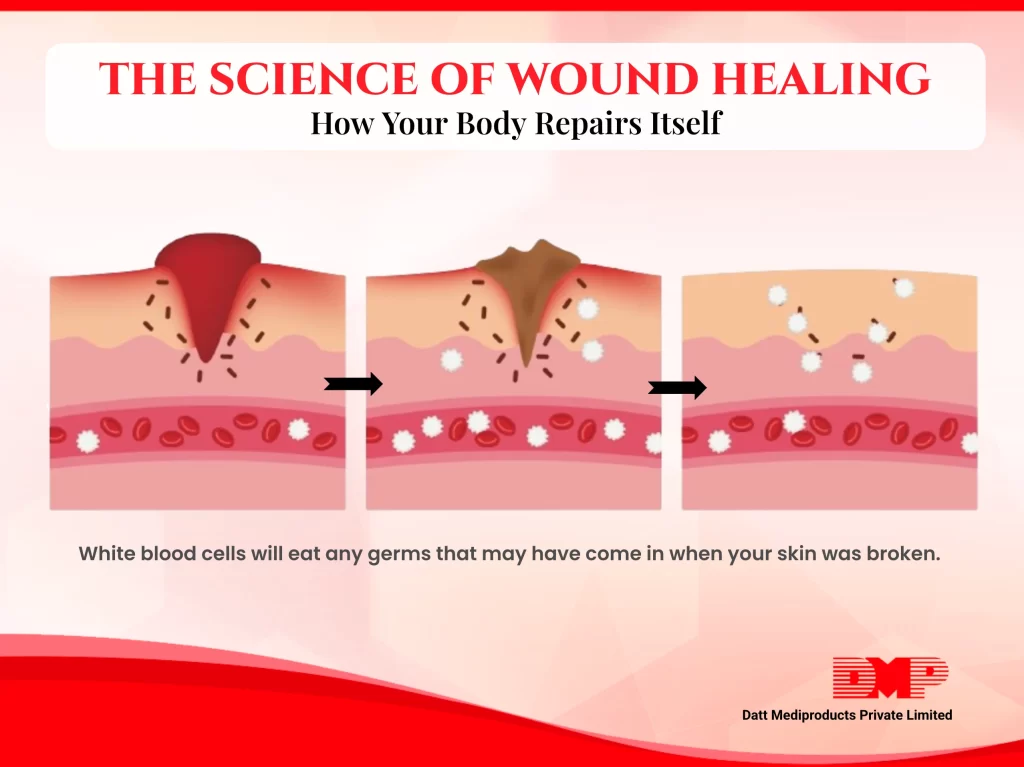
How Your Body Repairs Itself

The Science of Wound Healing: How Your Body Repairs Itself

Wound healing is nothing short of a biological marvel. When your skin is injured, your body launches a meticulously coordinated process to restore its integrity and functionality.

Understanding this journey not only highlights the sophistication of our biology but also empowers us to care for wounds more effectively.

The Remarkable Phases of Wound Healing

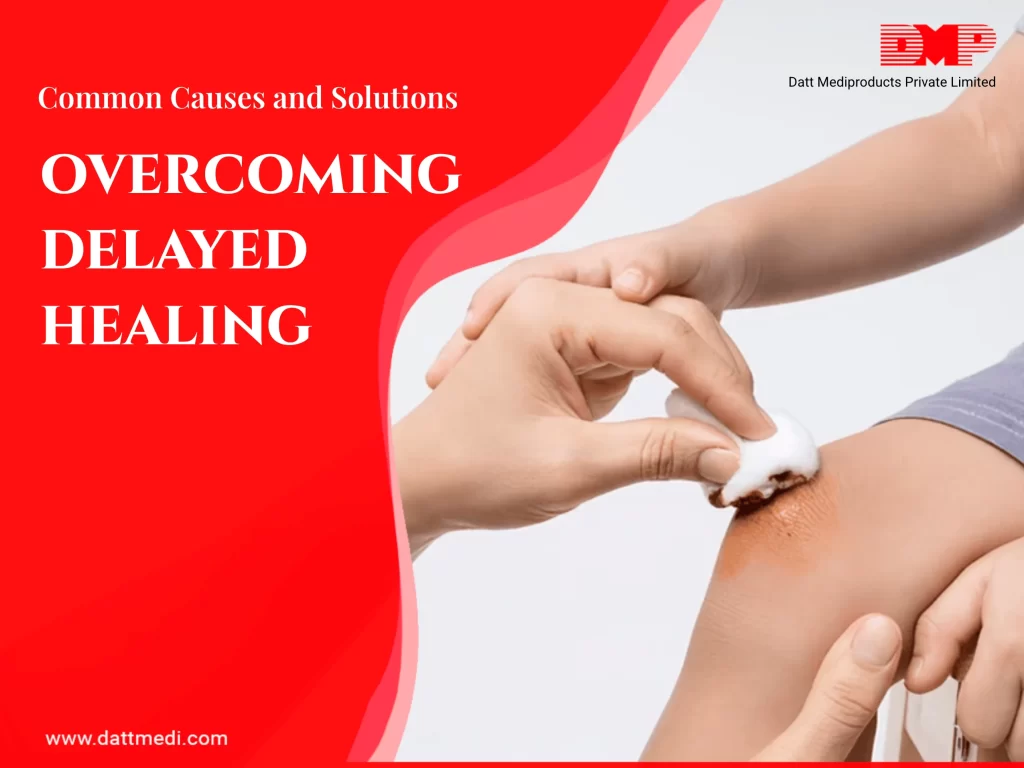
Imagine you’ve just scraped your knee. 
What happens next might seem simple, but beneath the surface, your body is hard at work.
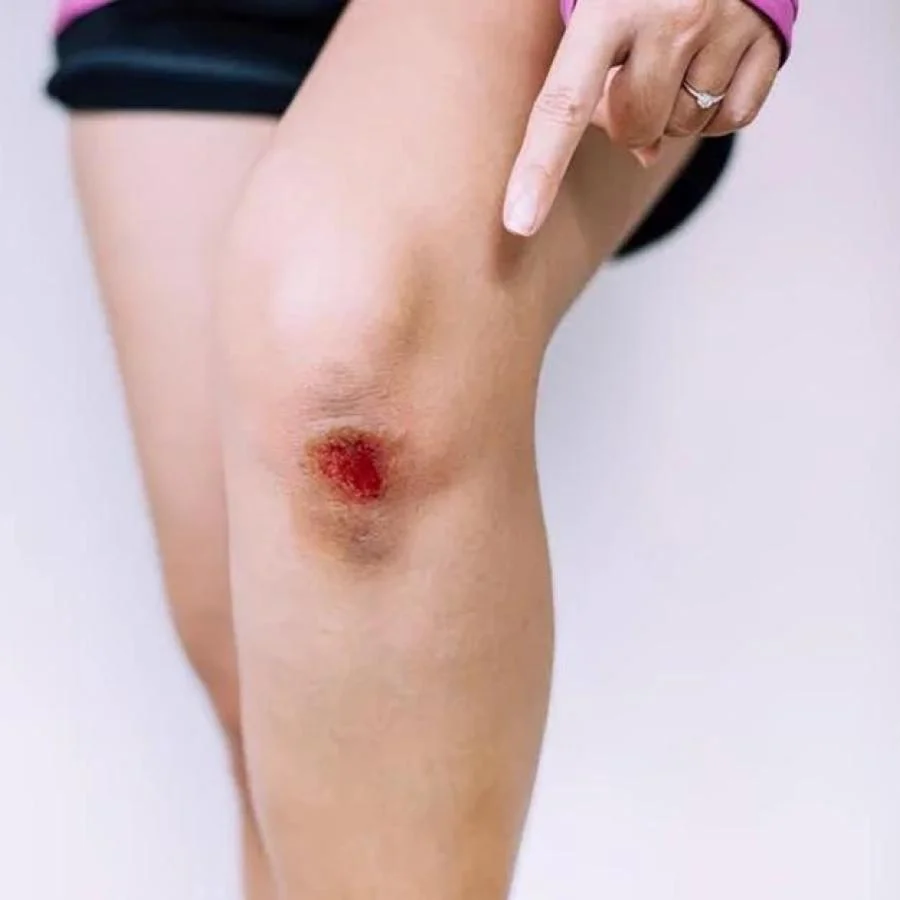
wound healing

Wound healing unfolds in four incredible stages:

1. Hemostasis (Minutes to Hours)

The moment an injury occurs, your body springs into action to stop the bleeding. Blood vessels constrict, and platelets rush to the scene to form a clot. This clot acts as a temporary seal, buying your body time to prepare for deeper repairs.

2. Inflammation (1–5 Days)

Next, your immune system steps in. Neutrophils and macrophages arrive to clear away debris and bacteria, ensuring the wound is clean and ready for rebuilding. The redness, swelling, and warmth you notice are signs of this vital repair work.

3. Proliferation (4–24 Days)

Now the real construction begins. Fibroblasts produce collagen to lay the foundation of new tissue, while blood vessels grow to supply nutrients and oxygen. You’ll see granulation tissue—pink and bumpy—as the wound starts to fill in, and new skin cells begin to migrate across the surface.

4. Maturation (21 Days to Months)

In the final phase, your body strengthens and remodels the new tissue. Collagen fibers are cross-linked for durability, and scar tissue forms. While scars may not have the same elasticity as uninjured skin, they are a testament to your body’s incredible ability to heal.

While the healing process is natural, it doesn’t occur in isolation.

A range of factors can either speed it up or slow it down:

  • Age and Health: Older age, diabetes, and immune disorders can delay healing.
  • Nutrition: Nutrients like protein, zinc, and vitamins C and E are essential for tissue repair.
  • Lifestyle Choices: Smoking and alcohol reduce oxygen supply to tissues, hindering recovery.
  • Wound Care: Proper hygiene and dressing techniques can prevent infection and promote faster healing.

Did you know
Keeping a wound moist can significantly speed up healing?
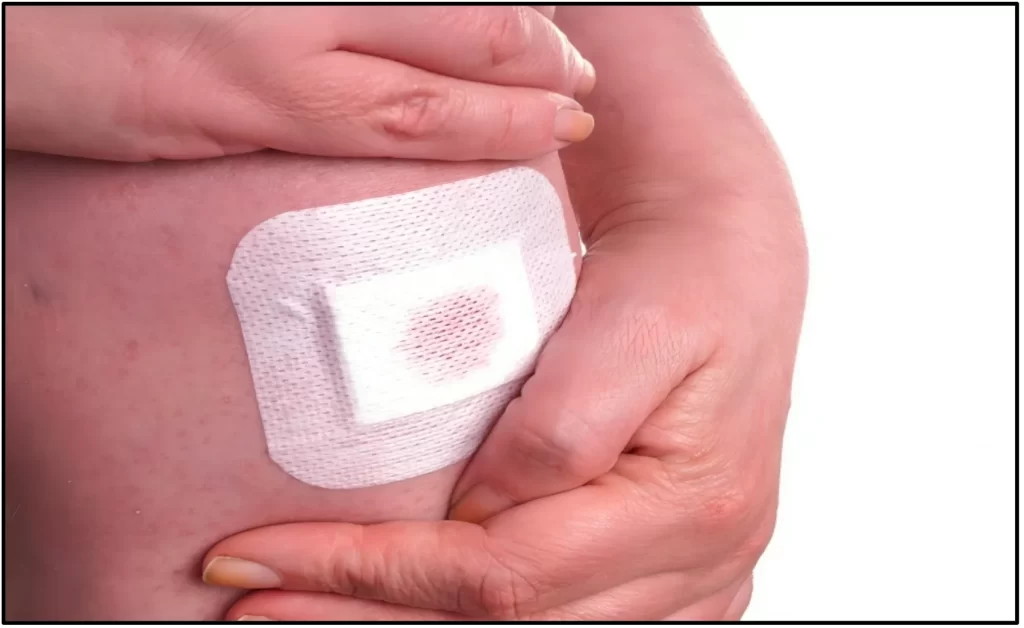
Moist wound

Moisture creates the perfect environment for cells to migrate and for granulation tissue to develop. Modern dressings, designed to maintain this balance, have revolutionized wound care by reducing healing times and minimizing scars.

Cutting-Edge Advances in Wound Care

Science continues to push the boundaries of what’s possible in wound healing. Some groundbreaking innovations include:

  • Growth Factors: These proteins supercharge the repair process, stimulating cell activity.
  • Biomaterials: From hydrogels to bioengineered skin substitutes, these materials mimic natural tissue to accelerate healing.
  • Stem Cell Therapy: Stem cells encourage the regeneration of complex tissues, offering hope for chronic wounds.
  • Hyperbaric Oxygen Therapy: By delivering concentrated oxygen, this therapy enhances cellular activity and reduces infection risk.

Supporting Your Body’s Natural Healing Powers

Healing isn’t just about what happens on a cellular level—your lifestyle choices play a critical role:

  • Eat Right: Protein-rich foods and micronutrients like zinc and vitamin C fuel the repair process.
  • Avoid Harmful Habits: Smoking and excessive alcohol consumption can severely impede healing.
  • Prioritize Rest: Quality sleep and stress management boost your immune system, giving your body the tools it needs to recover.
While most wounds heal naturally, some may require medical intervention. Watch for signs of delayed healing, such as persistent redness, swelling, or unusual odors. Chronic wounds or excessive scarring, like keloids, might benefit from specialized treatments.

The journey of wound healing is a testament to the resilience of the human body. Each phase, from hemostasis to maturation, reflects a symphony of biological processes working in harmony. By caring for your wounds and supporting your body’s natural abilities, you can pave the way for smoother, faster recoveries. And with the advancements in medical science, the future of wound care looks brighter than ever.
Visit www.dattmedi.com for more infomation.
Share:
Recent Blogs
Wound Care for Athletes

Peak Performance, Optimal Recovery: A Guide to Wound Care in Sports

Athletes constantly push their bodies to the limit, making them more prone to injuries and wounds. From minor cuts and bruises to more serious sprains and strains, managing these injuries effectively is crucial for maintaining peak performance and ensuring a swift recovery. This blog delves into effective wound care strategies for athletes and highlights how the innovative Velcool® cooling and compression bandage can play a pivotal role in their recovery.

Understanding Common Athletic Injuries

Athletic activities can lead to a variety of injuries, including:

  • Sprains and Strains: Overstretching or tearing of ligaments and muscles.
  • Bruises: Caused by impact, leading to bleeding under the skin.
  • Cuts and Abrasions: Resulting from falls or contact with rough surfaces.
  • Overuse Injuries: Such as tendonitis, caused by repetitive motion.

The RICE Method: A Foundation for Acute Injury Management

The RICE method is a tried-and-true approach for managing acute sports injuries. It stands for Rest, Ice, Compression, and Elevation, each component playing a vital role in minimizing damage and speeding up recovery.

  • Rest: Essential to prevent further injury and allow the body to begin the healing process. Avoiding stress on the injured area helps prevent exacerbation of the damage.
  • Ice: Applying ice reduces pain and inflammation by constricting blood vessels, limiting blood flow to the affected area.
  • Compression: Helps reduce swelling and provides support to the injured tissue by limiting fluid accumulation around the injury.
  • Elevation: Keeping the injured part above the level of the heart reduces swelling, associated pain, and discomfort.

Introducing Velcool® : Enhancing the RICE Method

Velcool®  is a state-of-the-art cooling and compression bandage that adheres perfectly to the principles of the RICE method. It offers several benefits that make it an indispensable tool for athletes.

Strategies for Effective Wound Care in Athletes

1. Immediate Attention:

  • Address injuries immediately to prevent them from worsening.
  • Use products like Velcool® for instant cold and compression therapy.

2. Proper Cleansing:

  • Clean cuts and abrasions thoroughly to prevent infection.
  • Use antiseptic solutions and keep the wound covered with sterile dressings.

3. Monitor Healing:

  • Regularly check the injury for signs of infection or complications.
  • Adjust the level of activity based on the healing progress.

4. Nutrition and Hydration:

  • 4a. Maintain a balanced diet rich in proteins, vitamins, and minerals to support the healing process.
  • 4b. Stay hydrated to promote overall health and recovery.

5. Gradual Return to Activity:

  • Gradually reintroduce physical activity to avoid re-injury.
  • Follow a rehabilitation plan designed by a healthcare professional.

Effective wound care is vital for athletes to maintain their active lifestyles and ensure quick recovery from injuries. The RICE method provides a solid foundation for managing acute injuries, and innovations like the Velcool® cooling and compression bandage enhance this approach. By incorporating these strategies and utilizing advanced products, athletes can minimize downtime, promote healing, and get back to their peak performance levels swiftly.

For athletes and sports enthusiasts, embracing the right wound care techniques and products like Velcool® can make a significant difference in their overall health and performance. Stay active, stay safe, and ensure your body gets the care it deserves.

Wound Care for Traveler's: Tips for On-the-Go Healing

Wound Care for Travelers: Tips for On-the-Go Healing

As travelers, we often find ourselves exploring new landscapes, engaging in adventurous activities, or simply navigating bustling city streets. With such dynamic experiences comes the risk of minor injuries or wounds. Whether it’s a scraped knee from hiking, a blister from walking, or a cut from exploring unfamiliar terrain, proper wound care is essential to ensure a smooth and safe journey.

In this blog, we’ll explore key considerations for travelers when it comes to wound care, focusing on portability, convenience, and effectiveness in various environments.

Portability and Convenience:

When traveling, space in our bags is precious, and carrying bulky medical supplies is often impractical. Opt for compact wound care products that are lightweight and easily portable. Look for individually wrapped items or travel-sized kits that include essentials like adhesive bandages, antiseptic wipes, and gauze pads. These items should be readily accessible in your travel bag or first aid kit, ensuring quick access in case of emergencies. Consider adding our woven cohesive moderate compression bandage- Velsoft®-Plus to your kit for added support and compression.

Adhesive Strength for Active Movement:

Travelers are often on the move, whether hiking through rugged terrain, exploring urban environments, or engaging in water activities. Therefore, it’s crucial to choose wound dressings with strong adhesive properties that can withstand active movement. Look for adhesive bandages specifically designed for sports or active lifestyles, as they offer enhanced durability and stay in place even during rigorous physical activities. 

DO YOU KNOW –
Our product Velsoft®-Plus provides self-adhesive, non-sticky support, ideal for active movement for the travelers on the go.

Moisture Control for Varied Environments:

Traveling exposes us to diverse climates and environments, from humid tropical regions to arid deserts. Proper moisture control is essential for promoting optimal wound healing and preventing infection. Consider using advanced wound dressings with moisture-absorbing capabilities, such as hydrocolloid or foam dressings. These dressings create a moist wound environment conducive to healing while also providing a barrier against external contaminants.

Protection Against Environmental Contaminants:

Traveling exposes us to various environmental hazards, including dirt, dust, bacteria, and other contaminants. Ensure your wound care products offer adequate protection against these elements. Waterproof and breathable dressings are ideal for maintaining a clean and sterile environment around the wound, preventing contamination from external sources. Additionally, antiseptic wipes or sprays can be used to cleanse the wound and surrounding skin, reducing the risk of infection. Velsoft®-Plus bandage provides significant levels of pressure up to 20-30 mmHg, aiding in the management of mild sprains and strains while offering protection against contaminants.

Ease of Application and Removal:

In the midst of travel adventures, simplicity is key. Choose wound care products that are easy to apply and remove, even in challenging conditions. Adhesive bandages with built-in applicators or tabs make it effortless to secure them in place, while non-stick dressings facilitate pain-free removal without disrupting the healing process. Consider the practicality of the products you choose, ensuring they can be applied and removed with minimal fuss. Our Velsoft®-Plus  bandages are self-adhesive and non-sticky to hair or skin, ensuring hassle-free application and removal.

Versatility for Different Wound Types:

Travelers encounter a variety of wounds, from minor cuts and scrapes to blisters and burns. Therefore, it’s essential to have versatile wound care products that can address different types of injuries effectively. Multi-purpose dressings, such as sterile gauze pads or adhesive hydrogel sheets, are valuable additions to your travel first aid kit. These products can be used for wound cleansing, protection, and absorption, providing comprehensive care for various injuries. 

Traveling presents countless opportunities for adventure and exploration, but it also comes with the risk of minor injuries and wounds. By prioritizing portability, convenience, and effectiveness in wound care products, travelers can ensure they’re prepared to handle unexpected mishaps while on the go. Whether trekking through rugged landscapes or strolling through bustling city streets, proper wound care is essential for a safe and enjoyable travel experience. With the right products and preparation, travelers can embark on their journeys with confidence, knowing they have the tools to address any bumps along the way.

Logo

Datt Mediproducts Private Limited

Loading